Phase change materials
Solid-at-room-temperature TIM films that soften at a defined temperature (50–60 °C typical) to flow into bondline irregularities — installed dry, conformed by first heat cycle. 15 TIC grades including a bismuth-alloy metal PCM at 18.9 W/m·K. λ 0.95–18.9 W/m·K across the family.
15
TIC PCMグレード
0.95–18.9 W/m·K
熱伝導率 (λ)
50 – 60 °C
相変化 (ポリマー)
金属PCM: 18.9 W/m·K
TIC800M (ビスマス合金)
ドライインストール
塗布/硬化不要
選定準備
製品名ではなく、熱設計の構成から選定を始めます。
適切な候補選定には、熱経路と組立条件の確認が必要です。以下の情報を共有いただければ、Ziitek が適したグレードと資料を絞り込みます。
界面・形状
接触面積、ギャップまたは目標ボンドライン、表面の平坦性をご提示ください。
熱的な目標
電力または熱流束、許容温度上昇、ヒートシンクや筐体の制約をご提示ください。
電気・量産条件
絶縁、規格、組立方法、リワーク、想定数量の要件をお知らせください。
Two families: polymer PCM films and metal alloy
すべてのPhase change materialsグレードを一覧表で
全15種のphase change materials品番を熱伝導率(W/m·K)、色の注記、PDFデータシートとともに掲載しています。リンク付きのモデル名をクリックすると、詳細な仕様、写真、応用ガイダンスをご覧いただけます。
| 写真 | モデル | λ (W/m·K) | 色 | PDFと次のステップ |
|---|---|---|---|---|
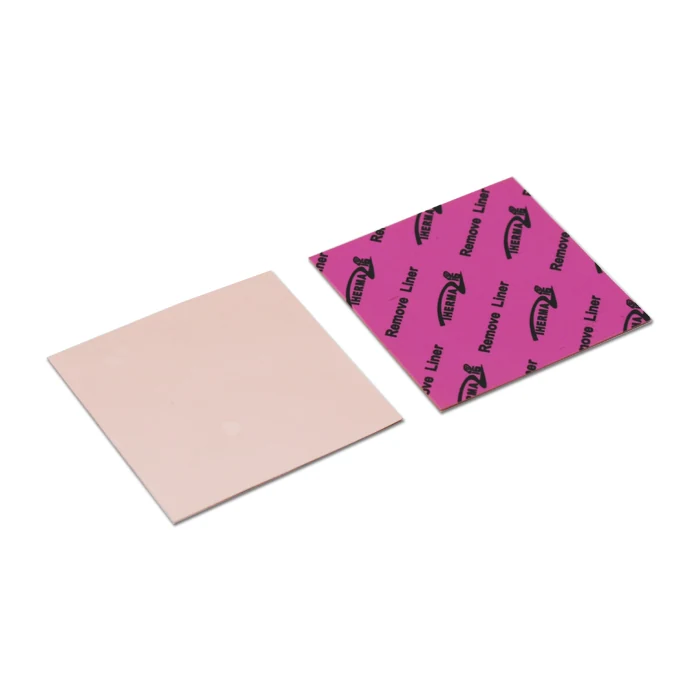 | TIC800P | 1.6 W/m·K | ピンク / ライトアンバー | |
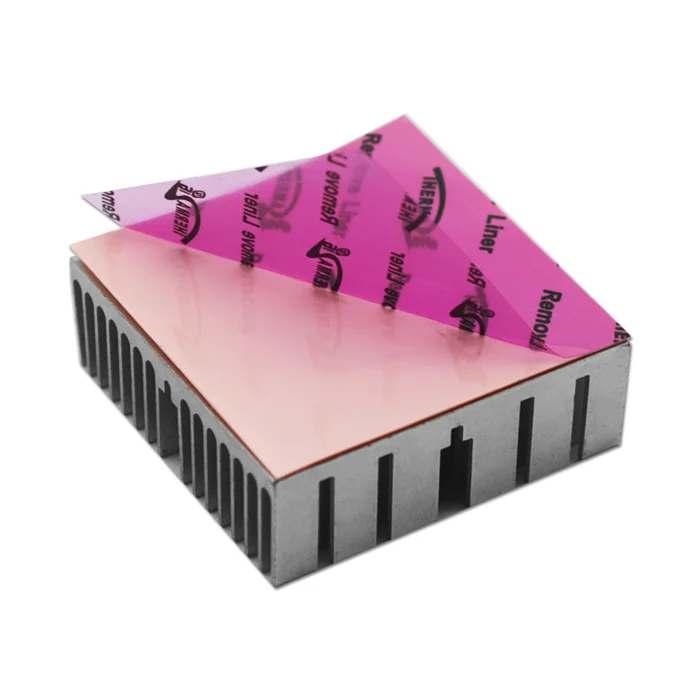 | TIC820P | 0.9 W/m·K | ピンク | |
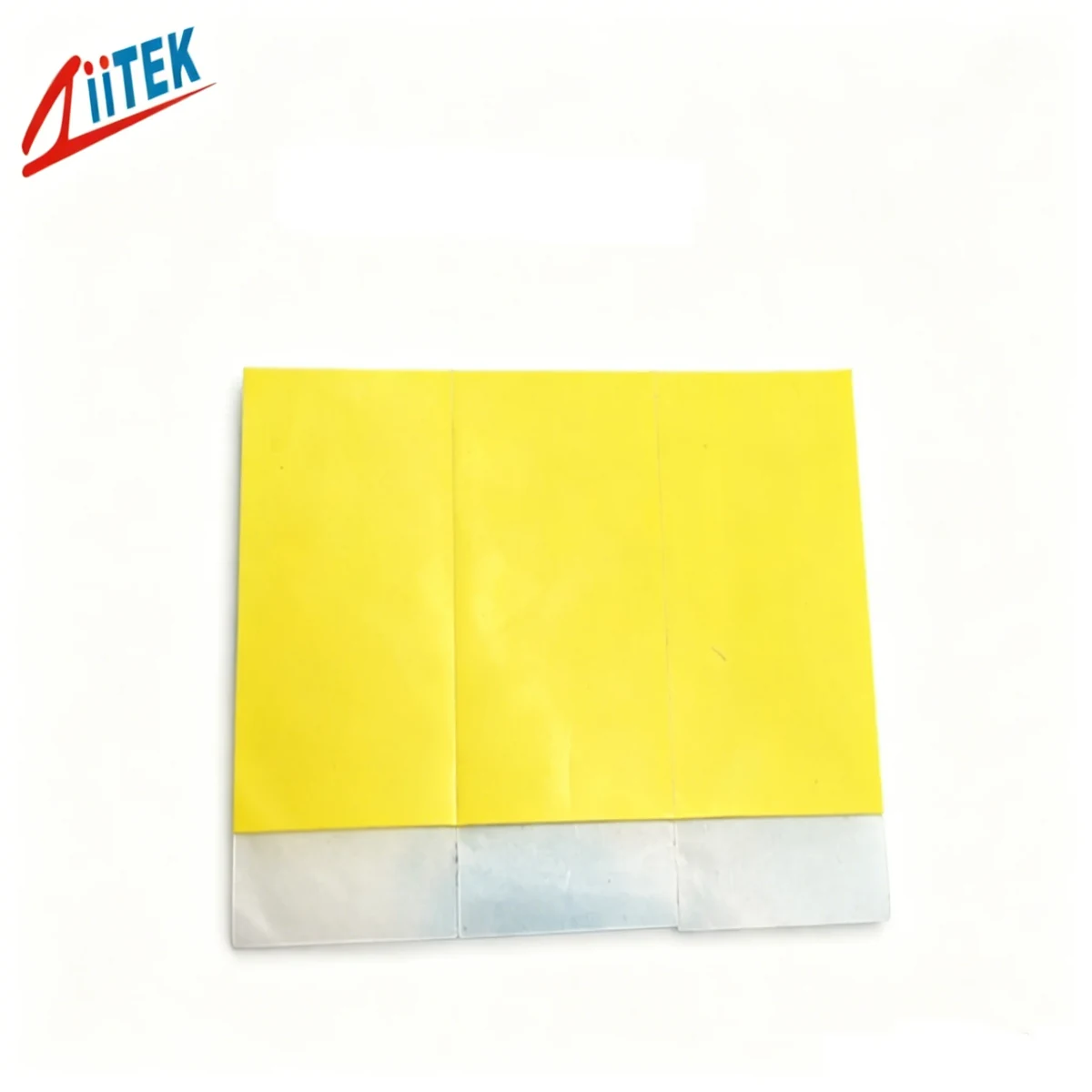 | TIC800KD | 1.5 W/m·K | 黄色 | |
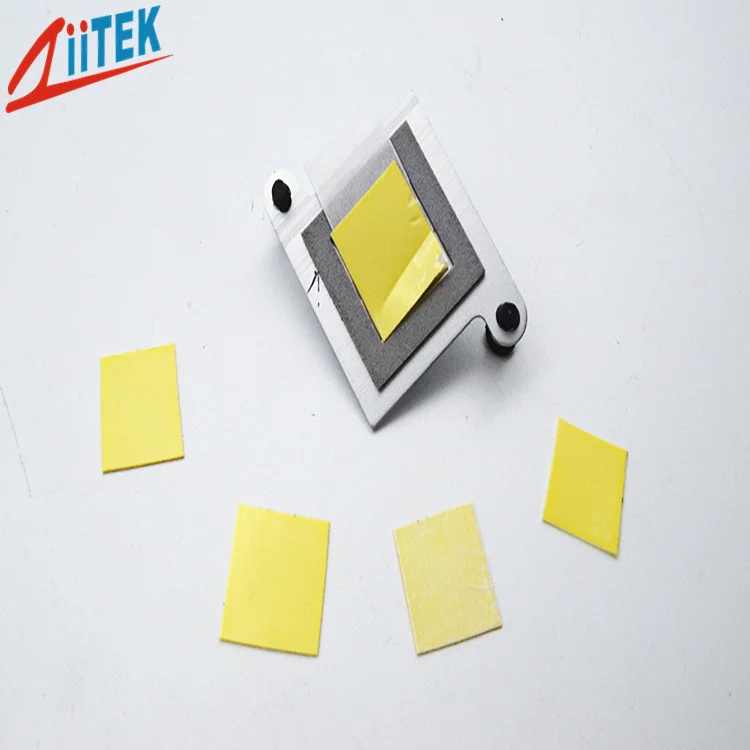 | TIC800K-A1 | 1.5 W/m·K | 黄色 | |
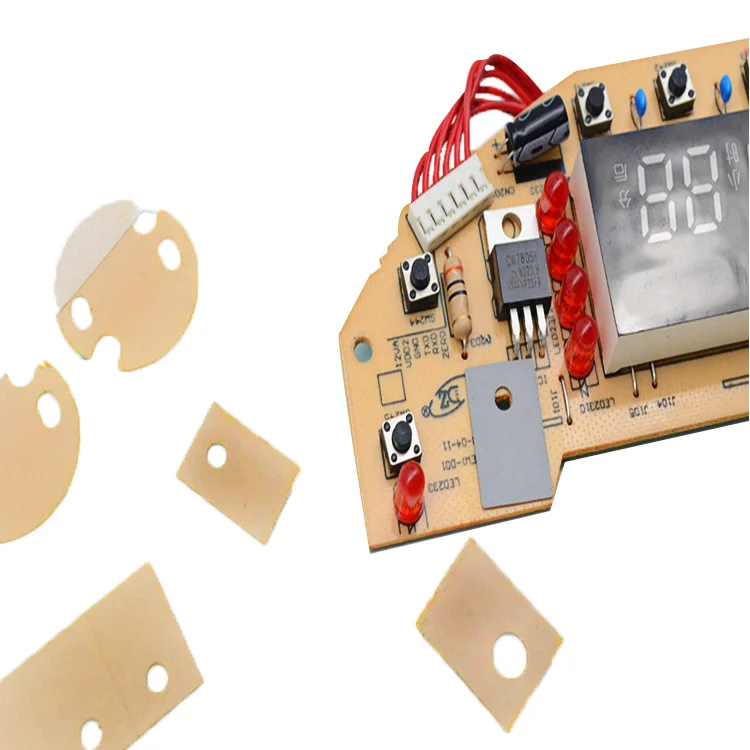 | TIC800D | 1.6 W/m·K | ライトアンバー | |
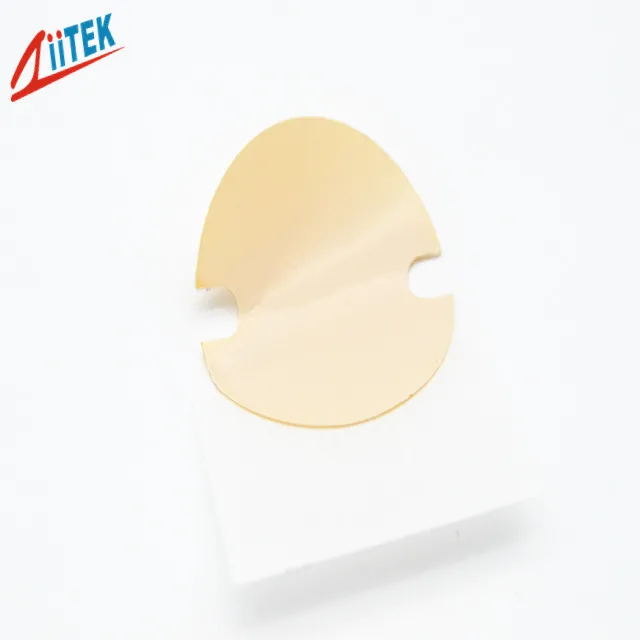 | TIC800K | 1.6 W/m·K | 淡い琥珀色 | |
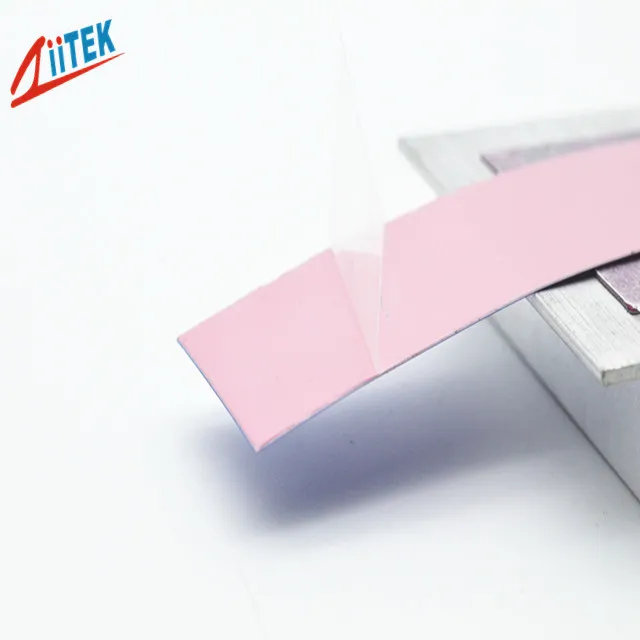 | TIC800P-K1 | 1.6 W/m·K | ピンク / ライトアンバー | |
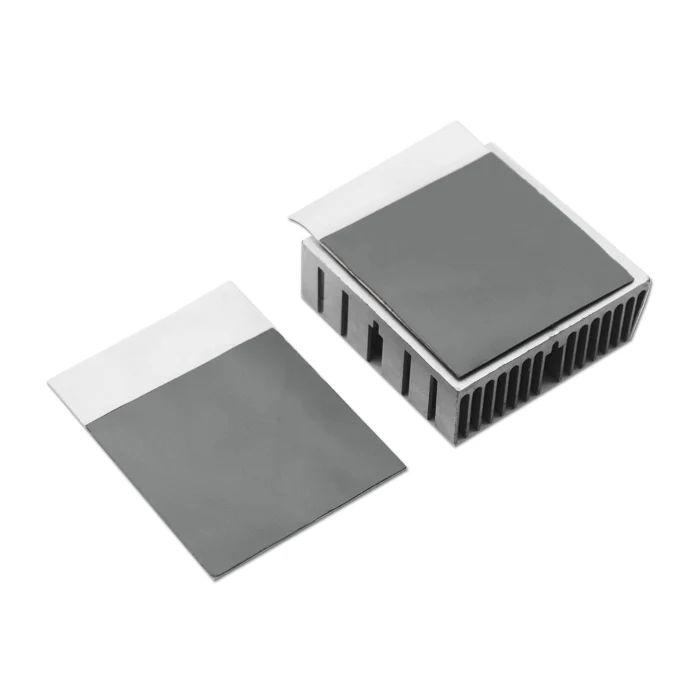 | TIC800A | 2.5 W/m·K | グレー | |
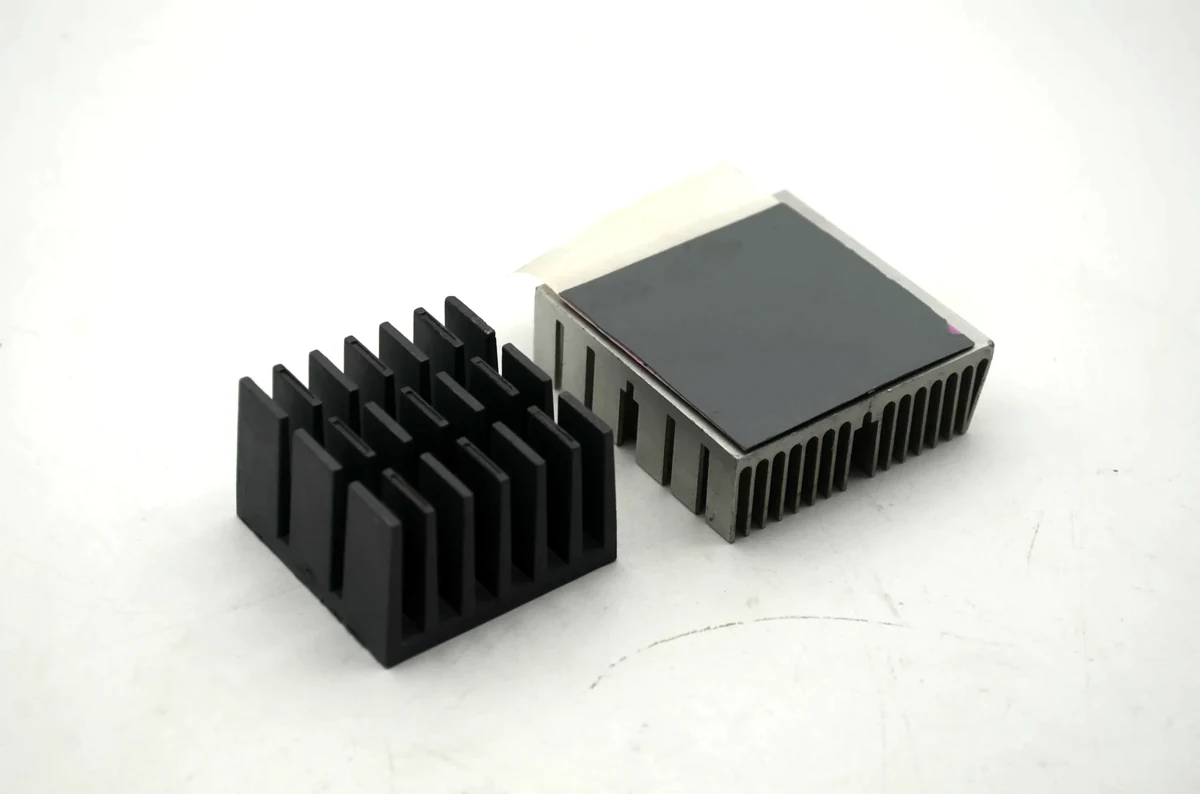 | TIC800A-AL | 2.5 W/m·K | グレー | |
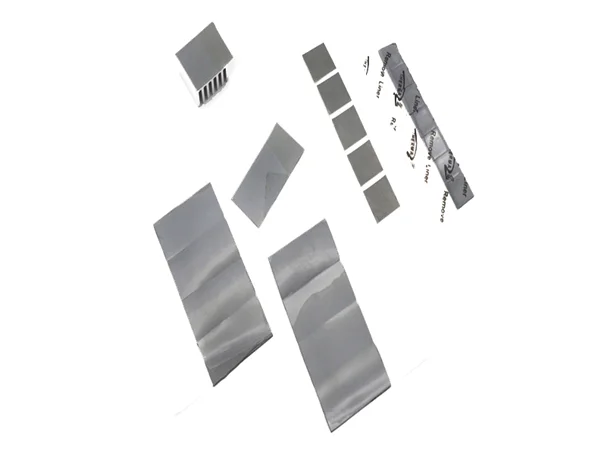 | TIC800G | 5 W/m·K | グレー | |
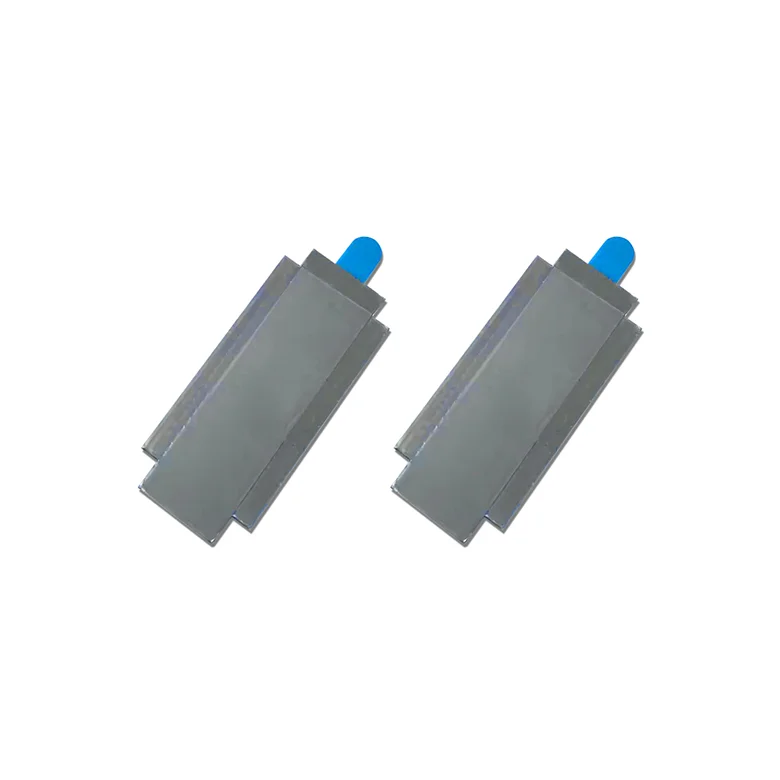 | TIC800G-ST | 5 W/m·K | グレー | |
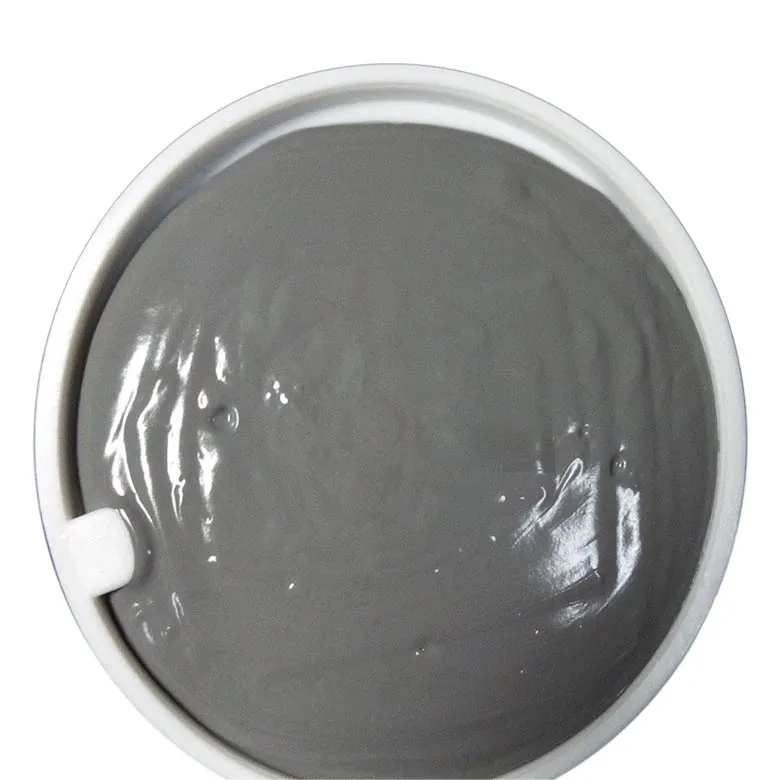 | TIC800H-SP | 7.5 W/m·K | グレー | |
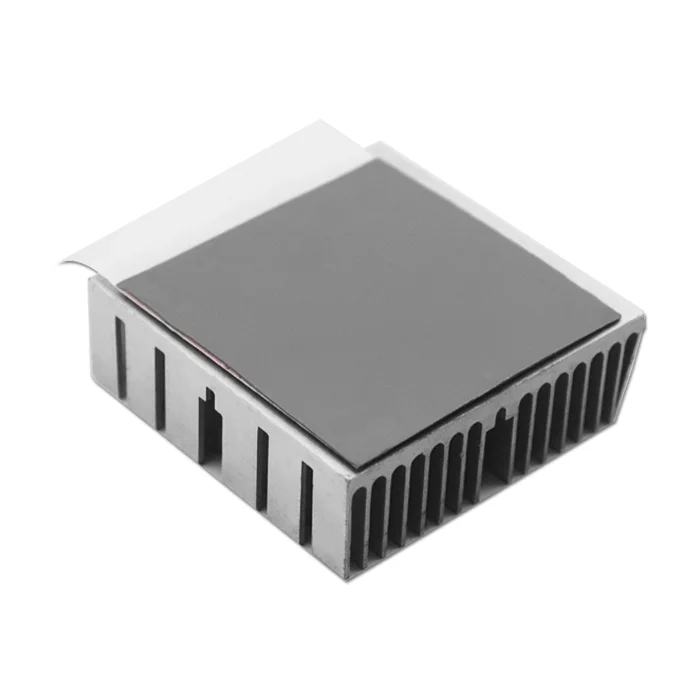 | TIC800H | 7.5 W/m·K | グレー | |
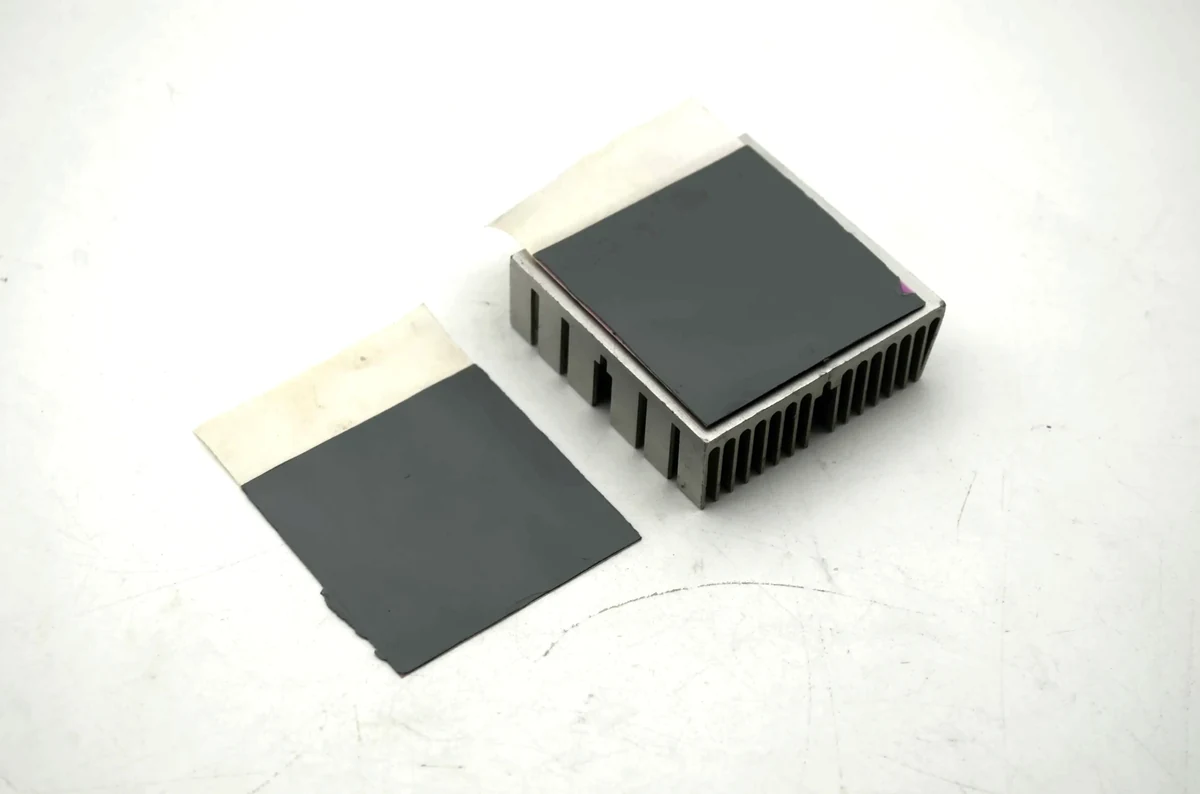 | TIC800T | 9.6 W/m·K | グレー | |
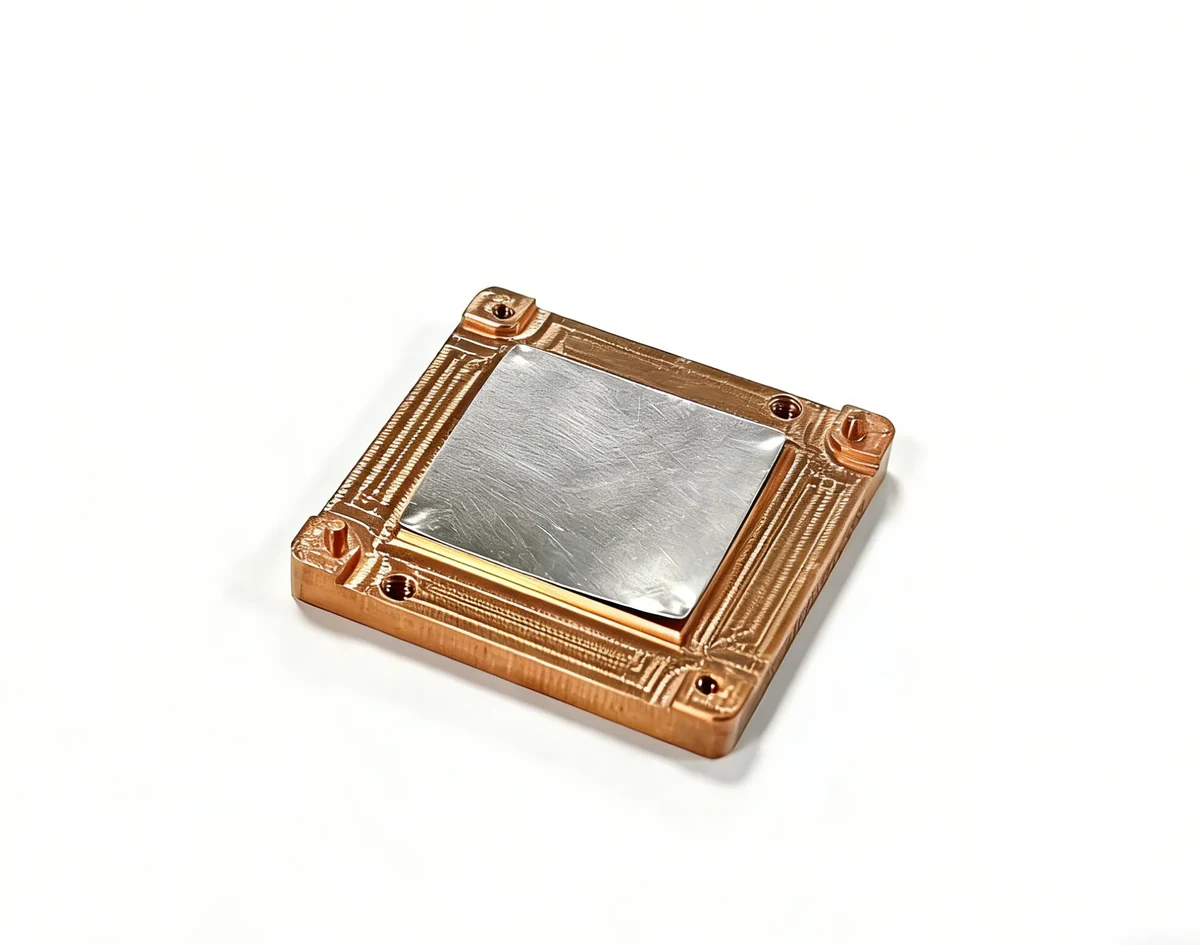 | TIC800M | 18.9 W/m·K | シルバーグレー |
相変化材料の用途
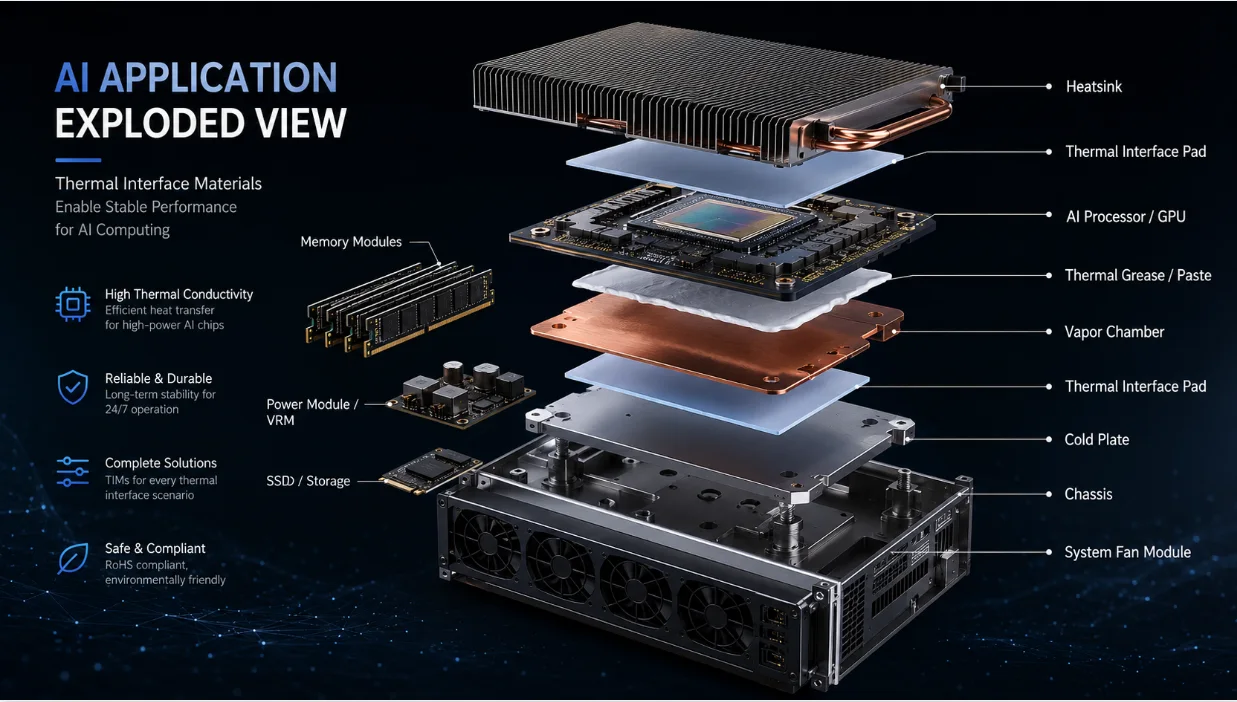
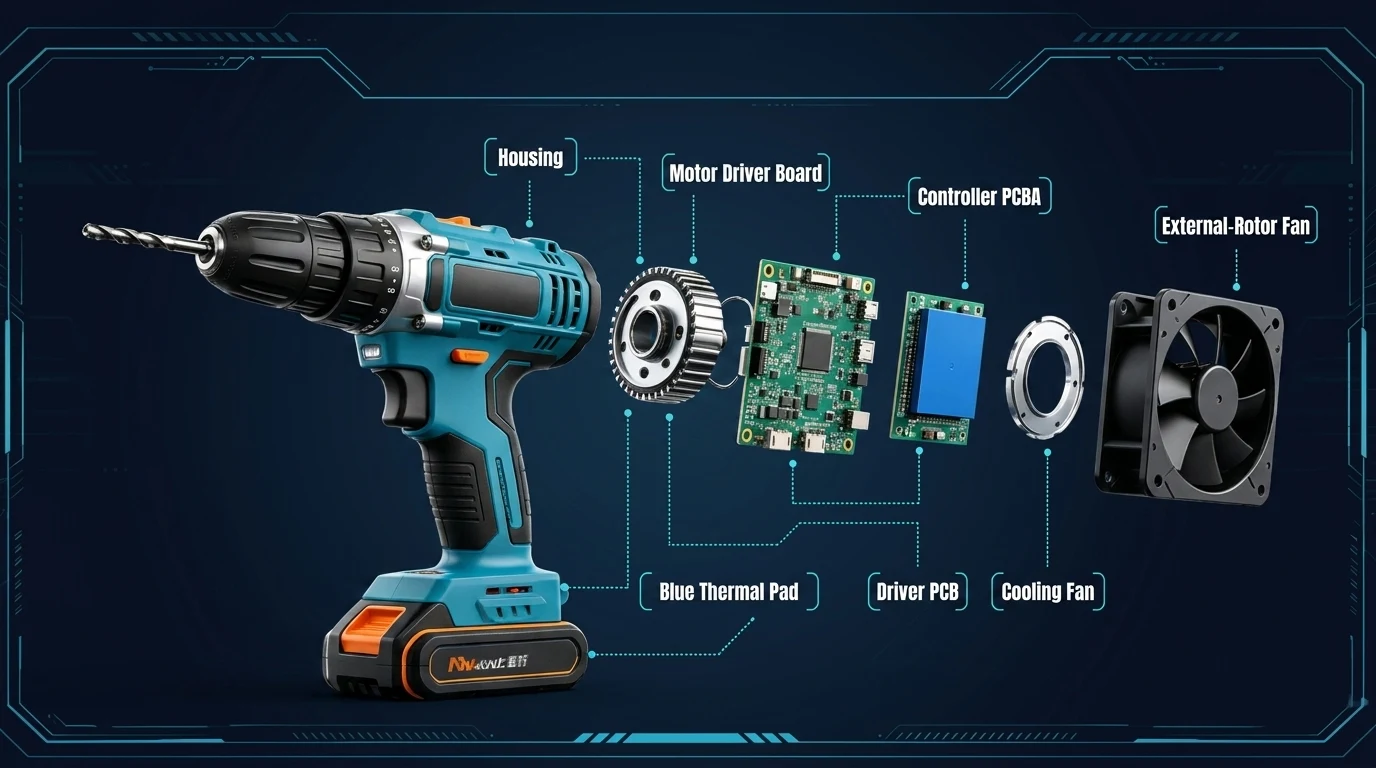
代表的な仕様範囲(相変化材料)
| パラメーター | 代表的な範囲/備考 | 試験方法 |
|---|---|---|
| 熱インピーダンス | 圧力および厚さ依存性 | ASTM D5470 |
| 相変化温度帯 | TICシリーズ — グレード別 | DSC |
| 代表的な厚さ | 0.1 – 0.5 mm 一般的 | ASTM D374 |
| 熱伝導率 | グレード別公称λ | ASTM D5470 |
| 圧縮とウェットアウト | 指定のクランプ圧範囲向けに設計 | 固定具 |
| 絶縁耐力 | グレード別のkV/mm | ASTM D149 |
| 動作温度 | −40 °C 〜 ~125 °C 使用温度クラス | UL746B |
| 保存期間 | 常温 — 詳細はTDSをご覧ください | — |
| ダイカット & タブ | はい — 抜き加工対応 | — |
Phase change materials — よくあるご質問
製品の選定やクロスリファレンスでお困りですか?Ziitekの熱対策エンジニアにご相談ください。2時間以内の応答をお約束します。
エンジニアに相談するWhat is a phase change material (PCM)?
When should I pick a PCM over grease or a thermal pad?
How does TIC800M (metal PCM) differ from polymer PCMs?
What's the right phase change temperature?
Are PCM films re-workable?
What backing material should I specify?
関連する熱対策製品ライン
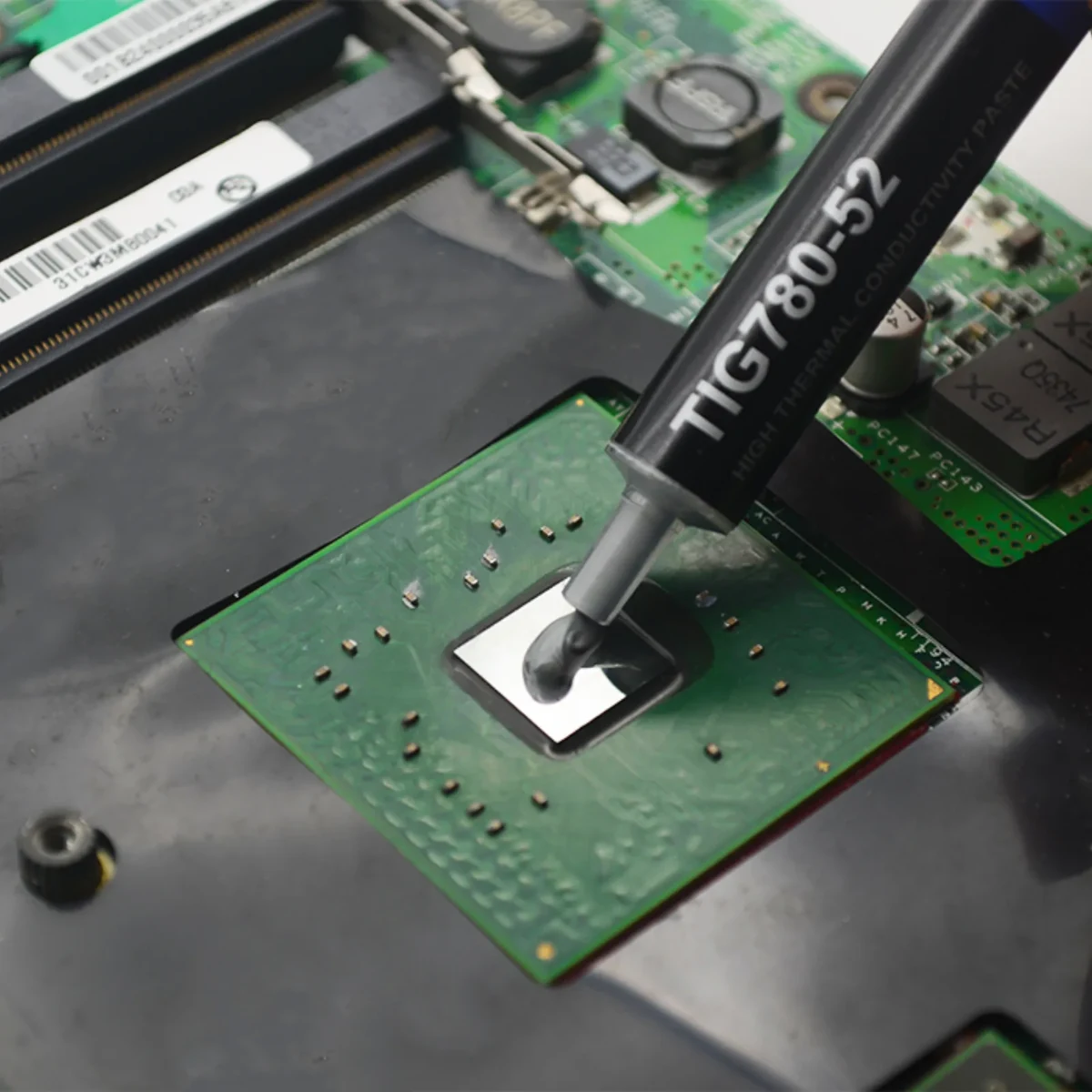
TIG
熱伝導グリス
アセンブリでディスペンス塗布が可能で、かつ絶対的に最も薄いボンドラインが必要な場合 — やはりグリースが最適です。
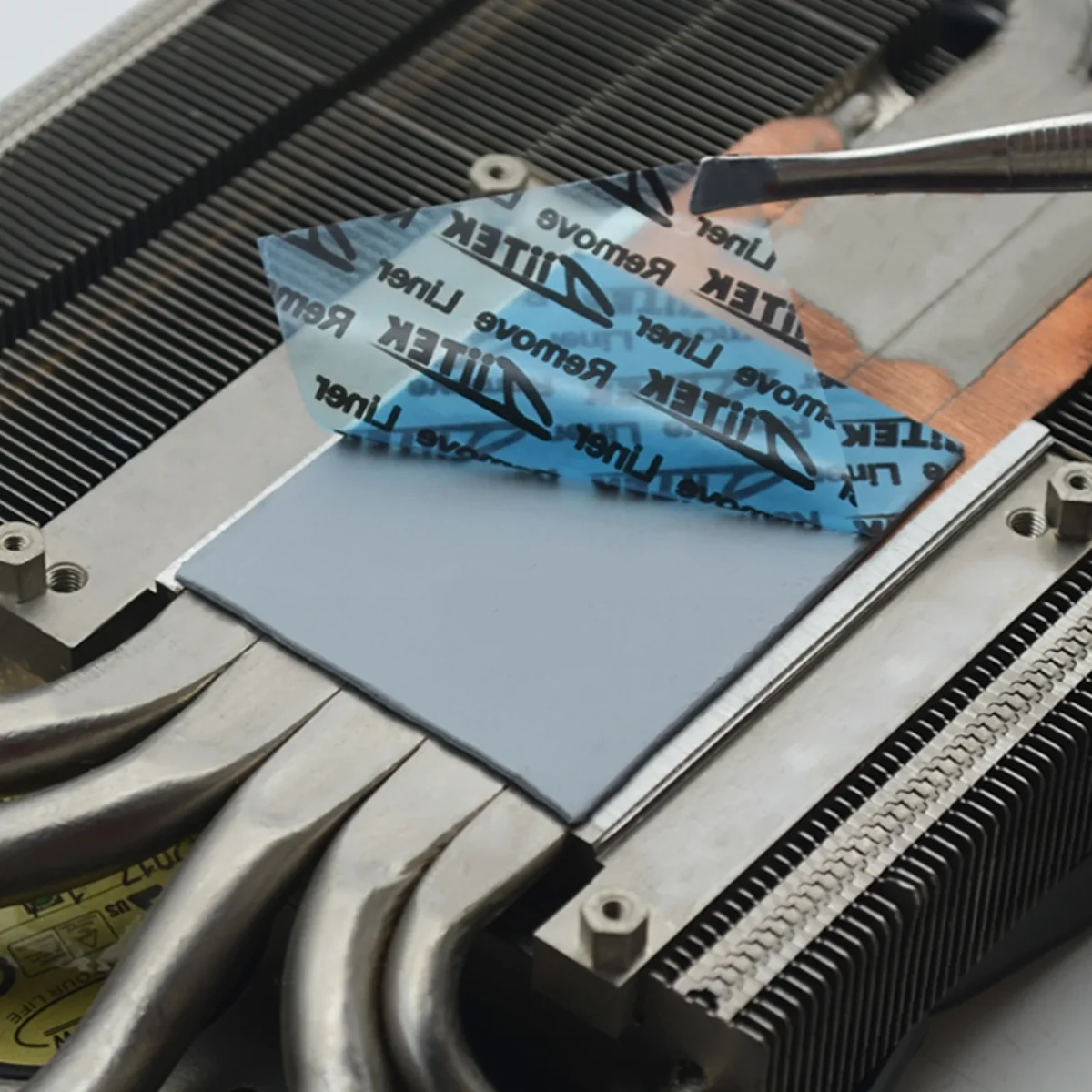
TIF
シリコーンサーマルパッド
ボンドラインが PCM で充填できる厚さ(≥ 0.3 mm)を超える場合、または動作温度が転移温度を下回る場合は、パッドを使用してください。
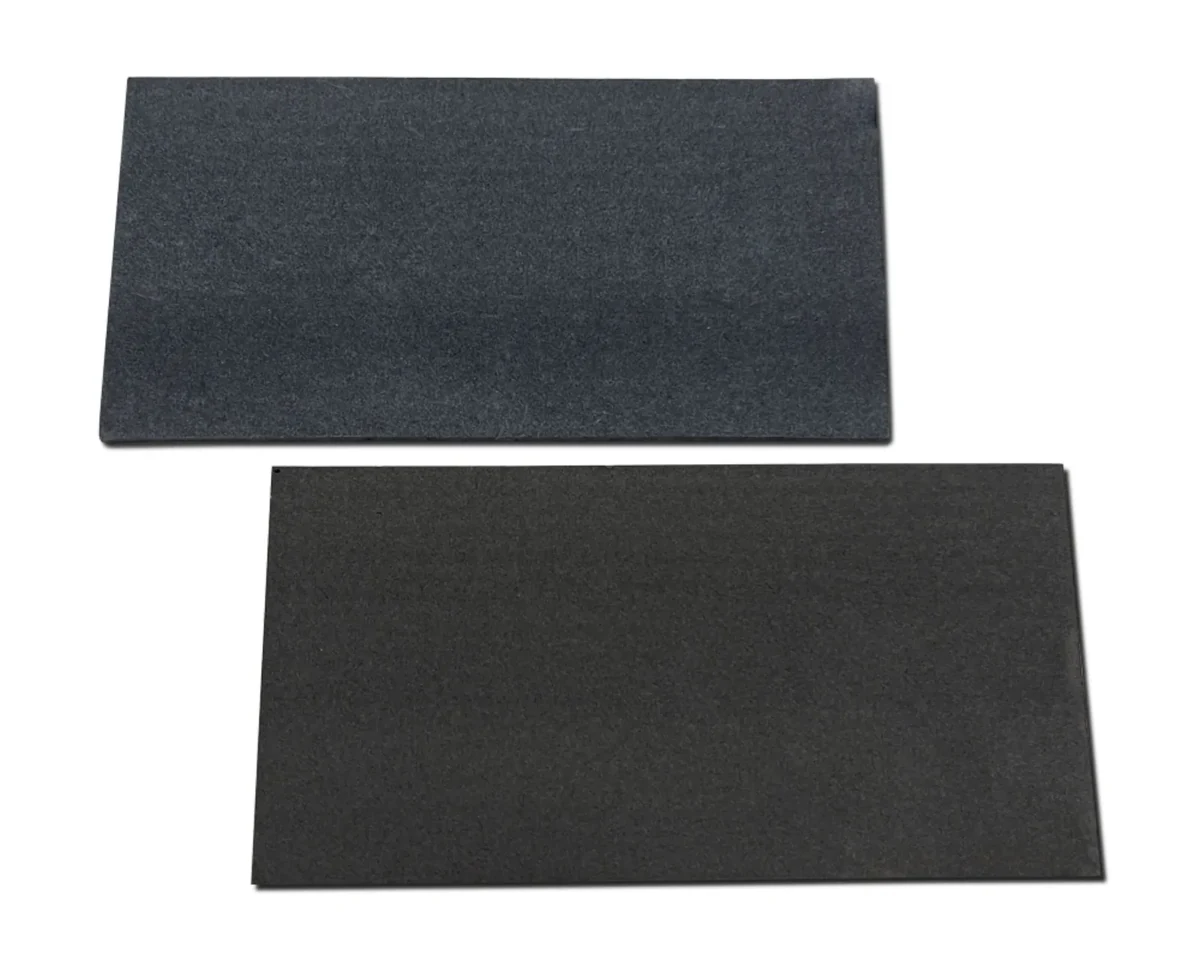
TIR
熱伝導グラファイトシート
PCMをヒートシンク上の面内グラファイトスプレッダーと組み合わせることで、低抵抗と熱拡散を両立したスタックを実現します。
サンプル
エンジニアリング部門にお問い合わせください
相転移温度、キャリア材の選定、またはビスマス合金との適合性評価でお困りですか?2時間以内にご返答します。

Your next thermal solution starts here.
From rapid prototyping to full-scale production — our engineers are ready to design a custom thermal solution for your application. Trusted by 7,000+ clients across EV, 5G, and consumer electronics.