Thermal gel and putty
Dispensable thermal interface compounds for high-volume automated assembly. 30 TIF gel grades — single-part putty (apply and use), two-part cure-in-place (mix A+B), and wave-absorbing variants for combined thermal + EMI duty. λ 1.5–9.0 W/m·K across the family.
30
TIFゲルグレード
1.5–9.0 W/m·K
熱伝導率 (λ)
1液性 + 2液性
硬化条件
−40 – 200 °C
動作範囲
電波吸収タイプ
熱伝導・EMI複合
選定準備
製品名ではなく、熱設計の構成から選定を始めます。
適切な候補選定には、熱経路と組立条件の確認が必要です。以下の情報を共有いただければ、Ziitek が適したグレードと資料を絞り込みます。
界面・形状
接触面積、ギャップまたは目標ボンドライン、表面の平坦性をご提示ください。
熱的な目標
電力または熱流束、許容温度上昇、ヒートシンクや筐体の制約をご提示ください。
電気・量産条件
絶縁、規格、組立方法、リワーク、想定数量の要件をお知らせください。
Three families: dispense-and-go, cure-in-place, and wave-absorbing
すべてのThermal putty and thermal gelグレードを一覧表で
全30種のthermal putty and thermal gel品番を熱伝導率(W/m·K)、色の注記、PDFデータシートとともに掲載しています。リンク付きのモデル名をクリックすると、詳細な仕様、写真、応用ガイダンスをご覧いただけます。
| 写真 | モデル | λ (W/m·K) | 比重 | PDFと次のステップ |
|---|---|---|---|---|
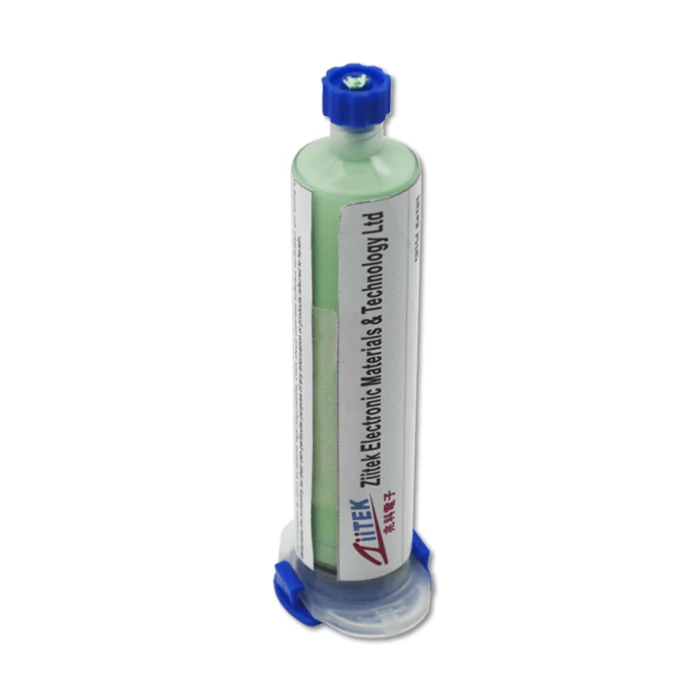 | TIF015-07 | 1.5 W/m·K | 2.5 g/cm³ | |
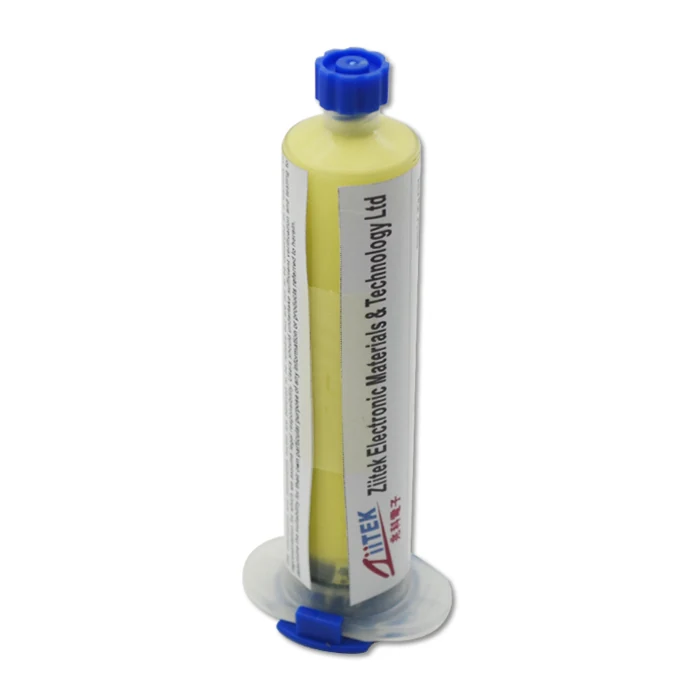 | TIF020-19 | 2 W/m·K | 2.6 g/cm³ | |
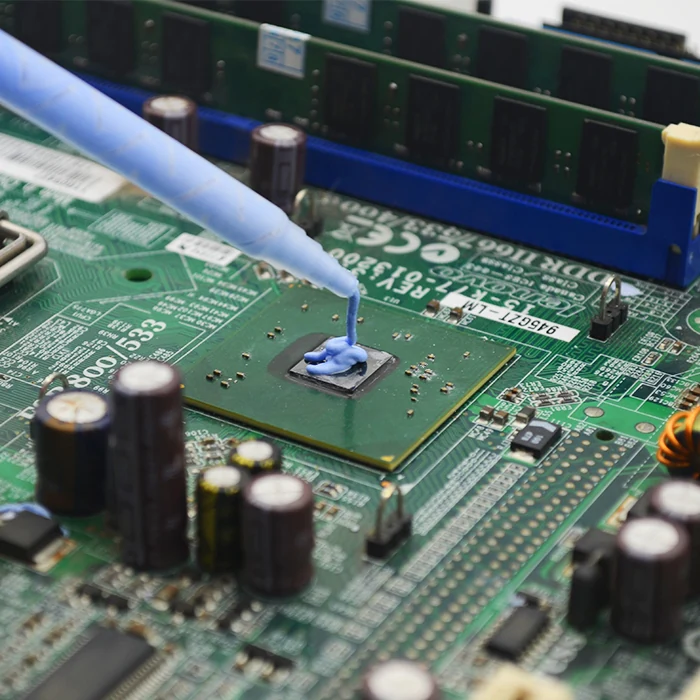 | TIF030-05 | 3 W/m·K | 3.25 g/cm³ | |
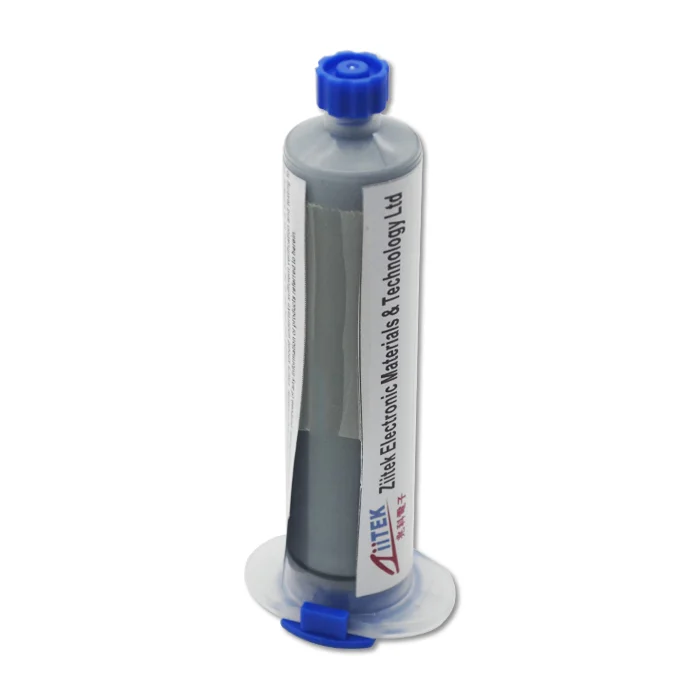 | TIF030-11-1 | 3 W/m·K | 3.1 g/cm³ | |
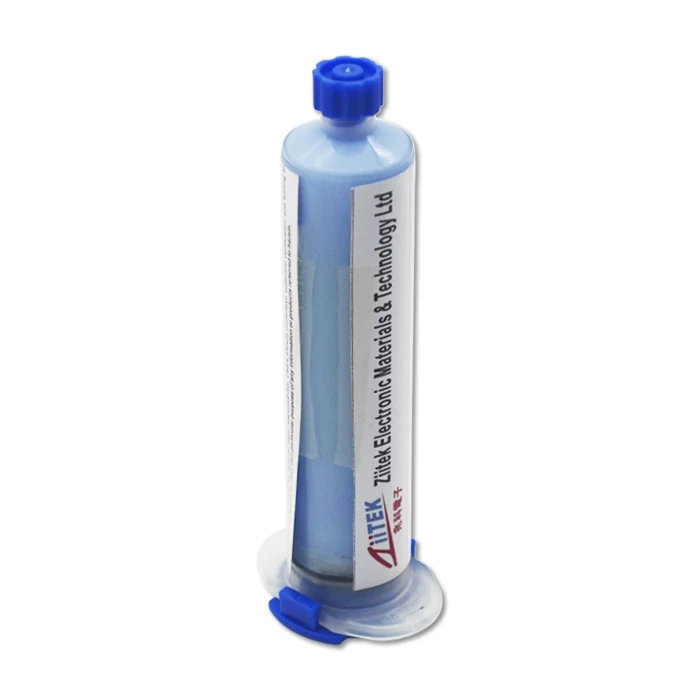 | TIF035-05 | 3.5 W/m·K | 3.25 g/cm³ | |
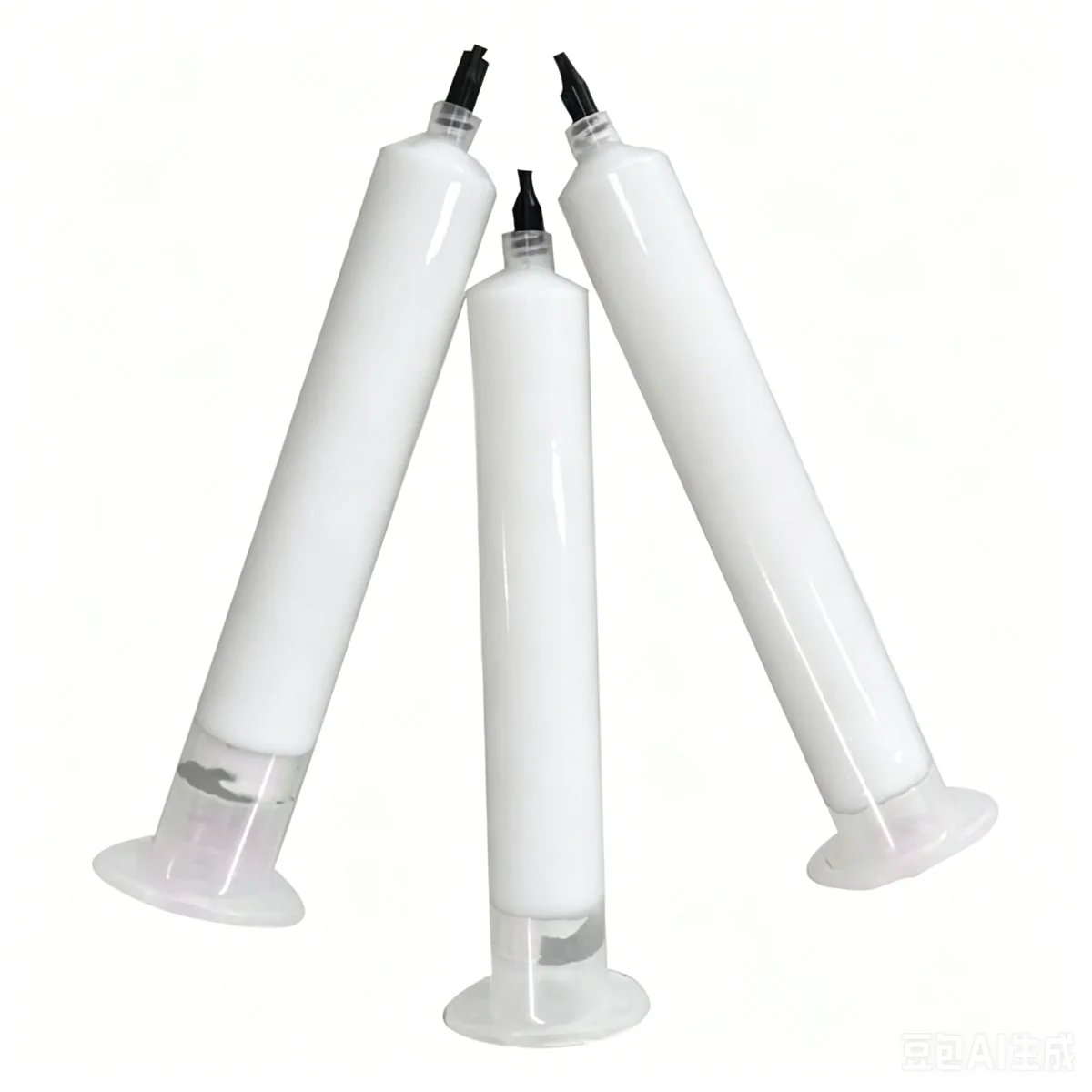 | TIF040-06 | 4 W/m·K | 3.2 g/cm³ | |
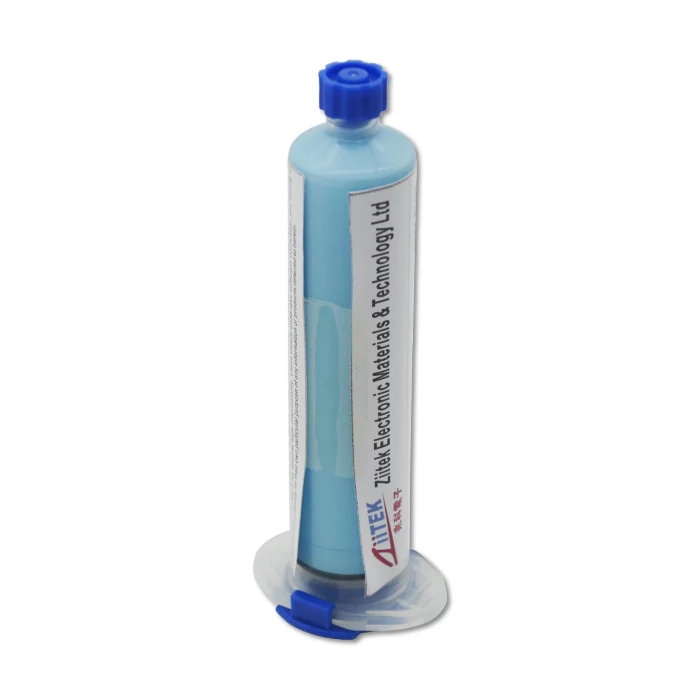 | TIF040-12 | 4 W/m·K | 3.20 g/cm³ | |
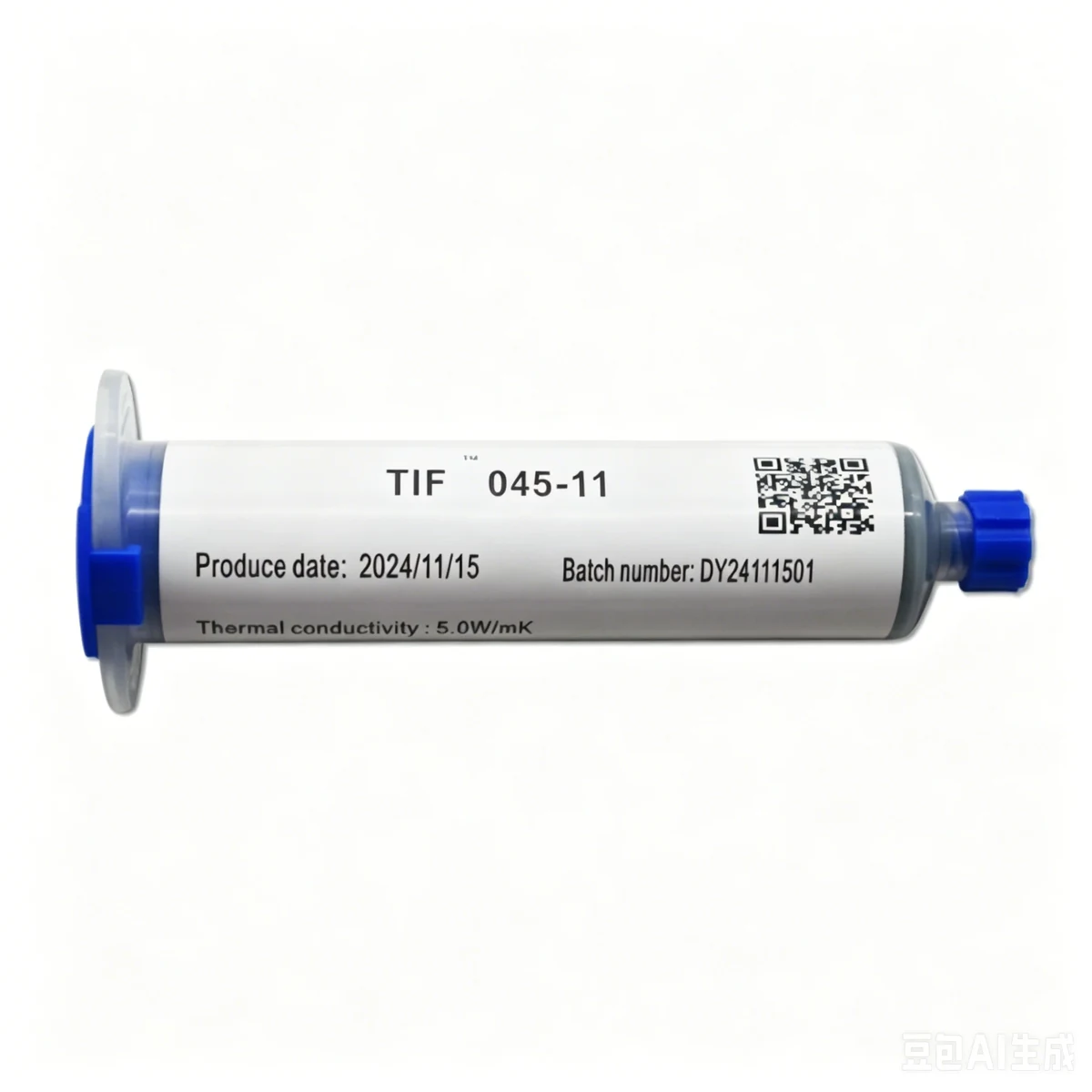 | TIF045-11 | 4.5 W/m·K | 3.20 g/cm³ | |
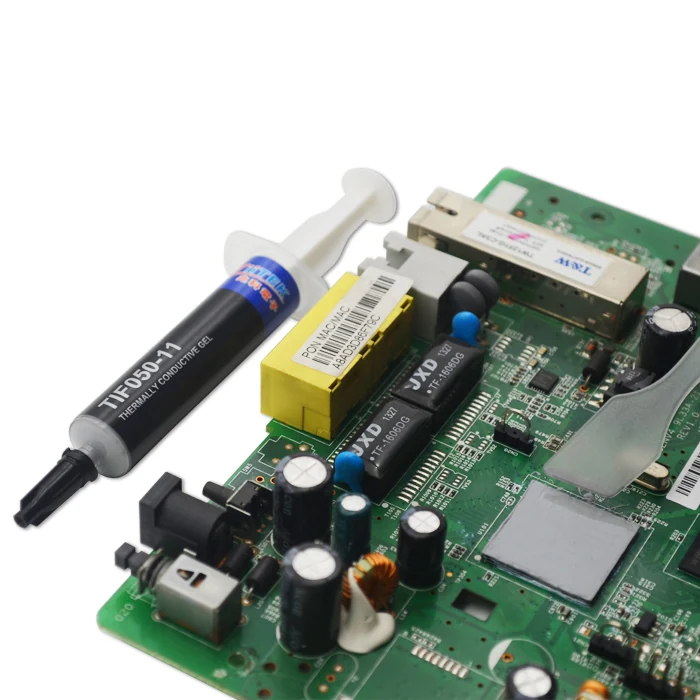 | TIF050-11 | 5 W/m·K | 3.20 g/cm³ | |
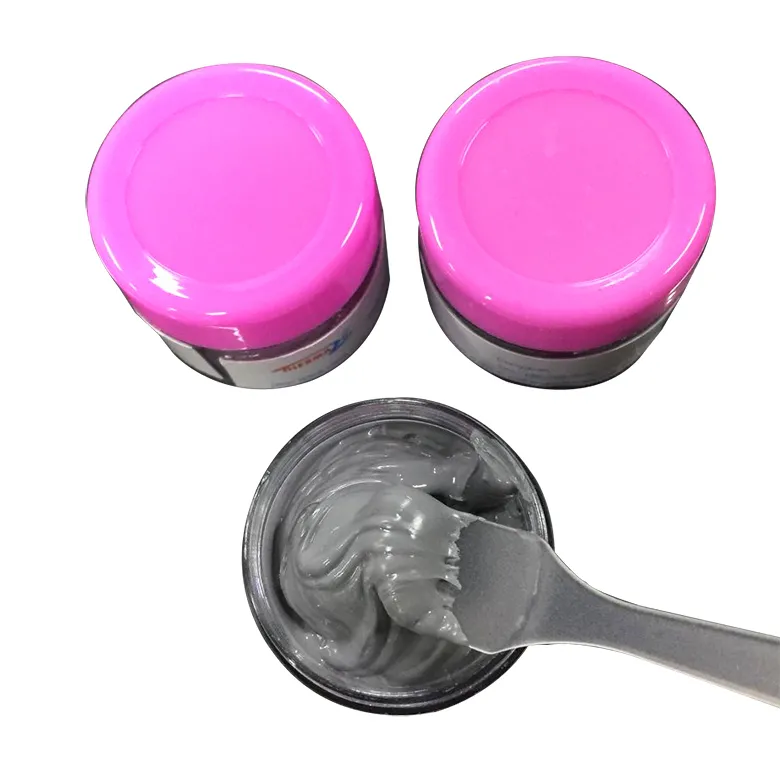 | TIF050-11P | 5 W/m·K | 3.25 g/cm³ | |
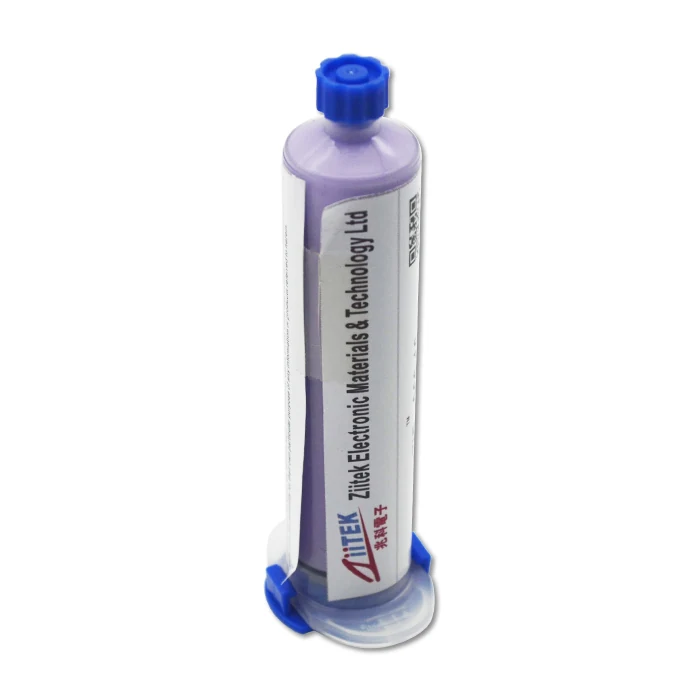 | TIF060-16 | 6 W/m·K | 3.40 g/cm³ | |
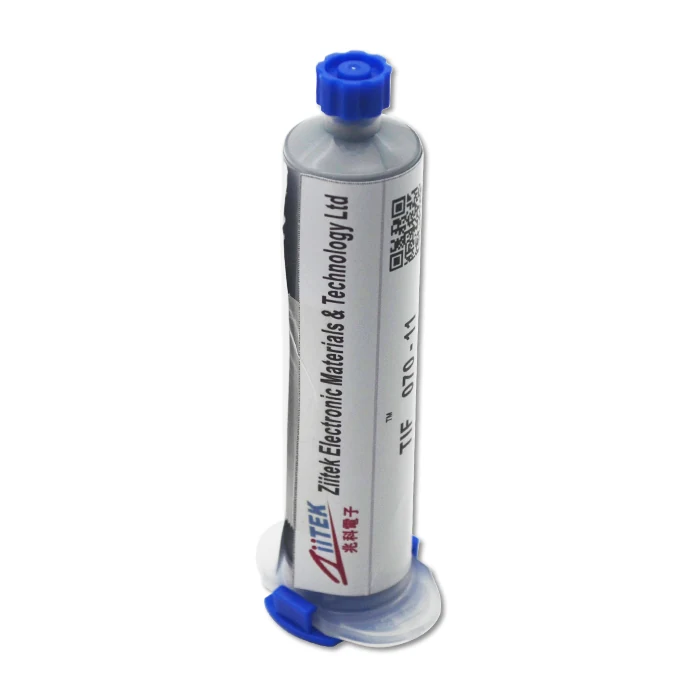 | TIF070-11 | 7 W/m·K | 3.50 g/cm³ | |
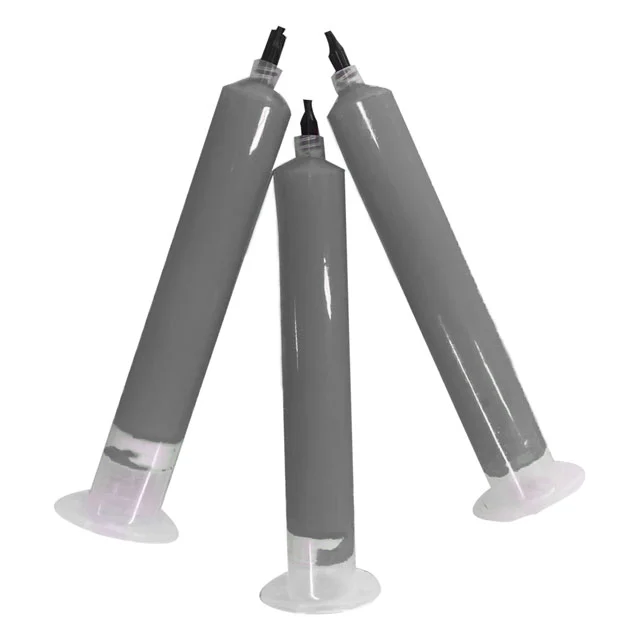 | TIF080-11 | 8 W/m·K | 3.4 g/cm³ | |
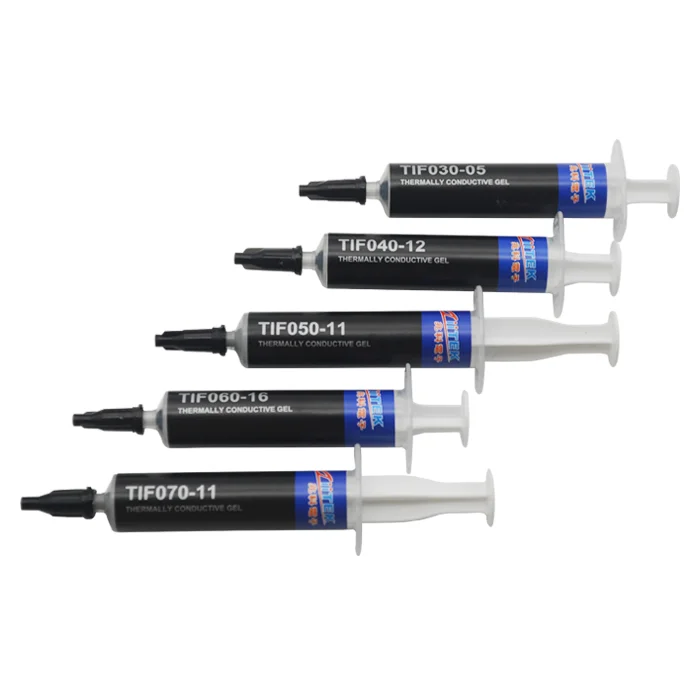 | TIF090-11 | 9 W/m·K | 3.45 g/cm³ | |
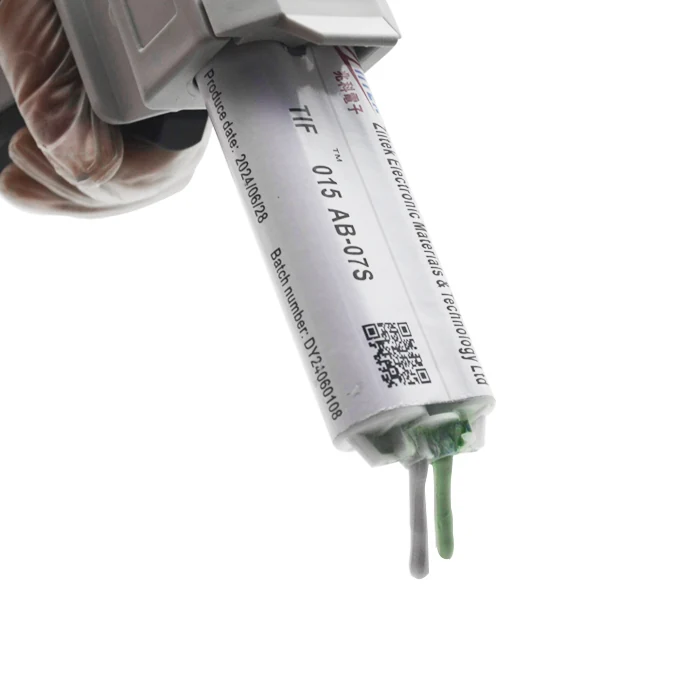 | TIF015AB-07S | 1.5 W/m·K | 2.5 g/cm³ | |
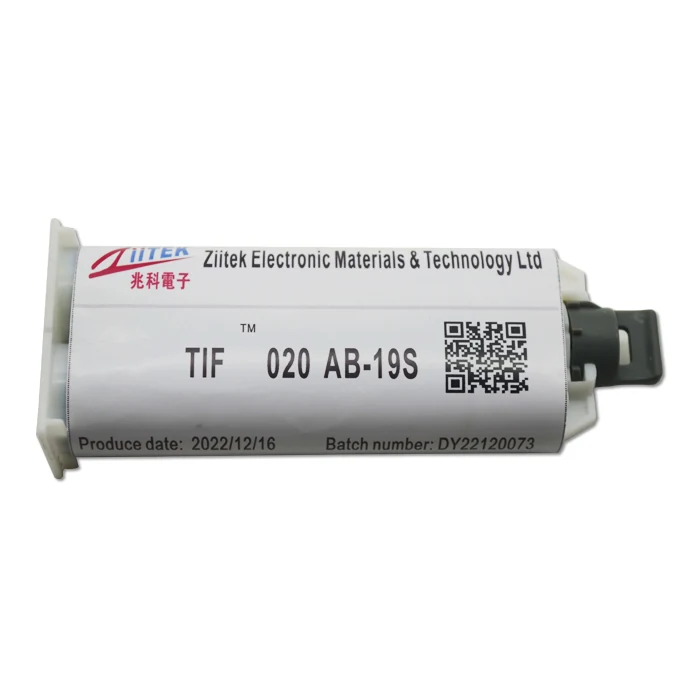 | TIF020AB-19S | 2 W/m·K | 3.2 g/cm³ | |
 | TIF020AB-23S-D | 2 W/m·K | 1.97 g/cm³ | |
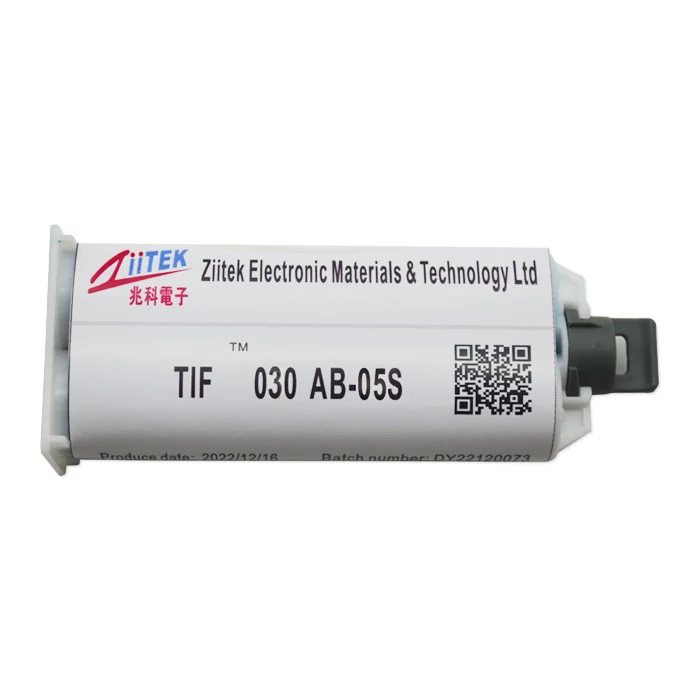 | TIF030AB-05S | 3 W/m·K | 3.1 g/cm³ | |
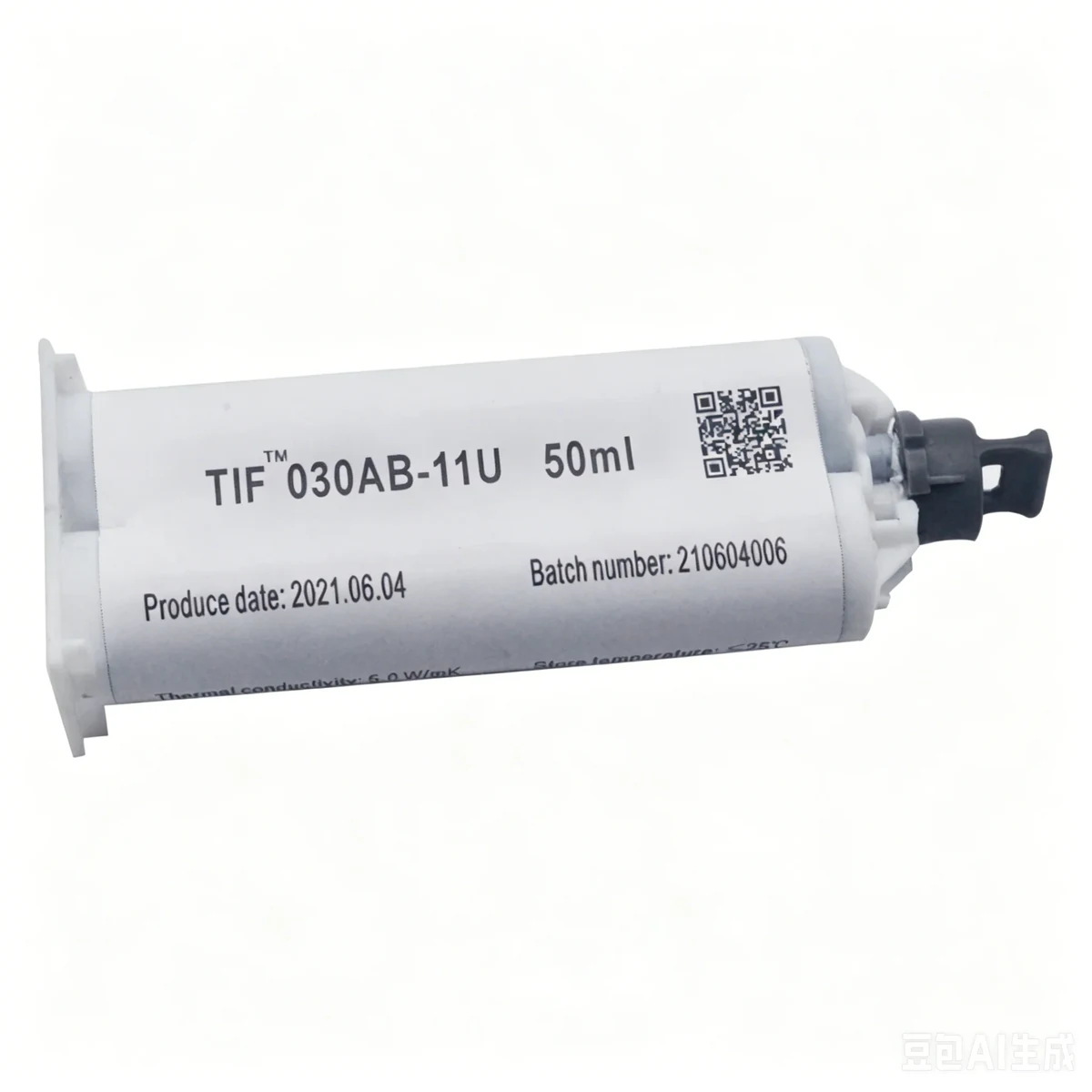 | TIF030AB-11U | 3 W/m·K | 3.1 g/cm³ | |
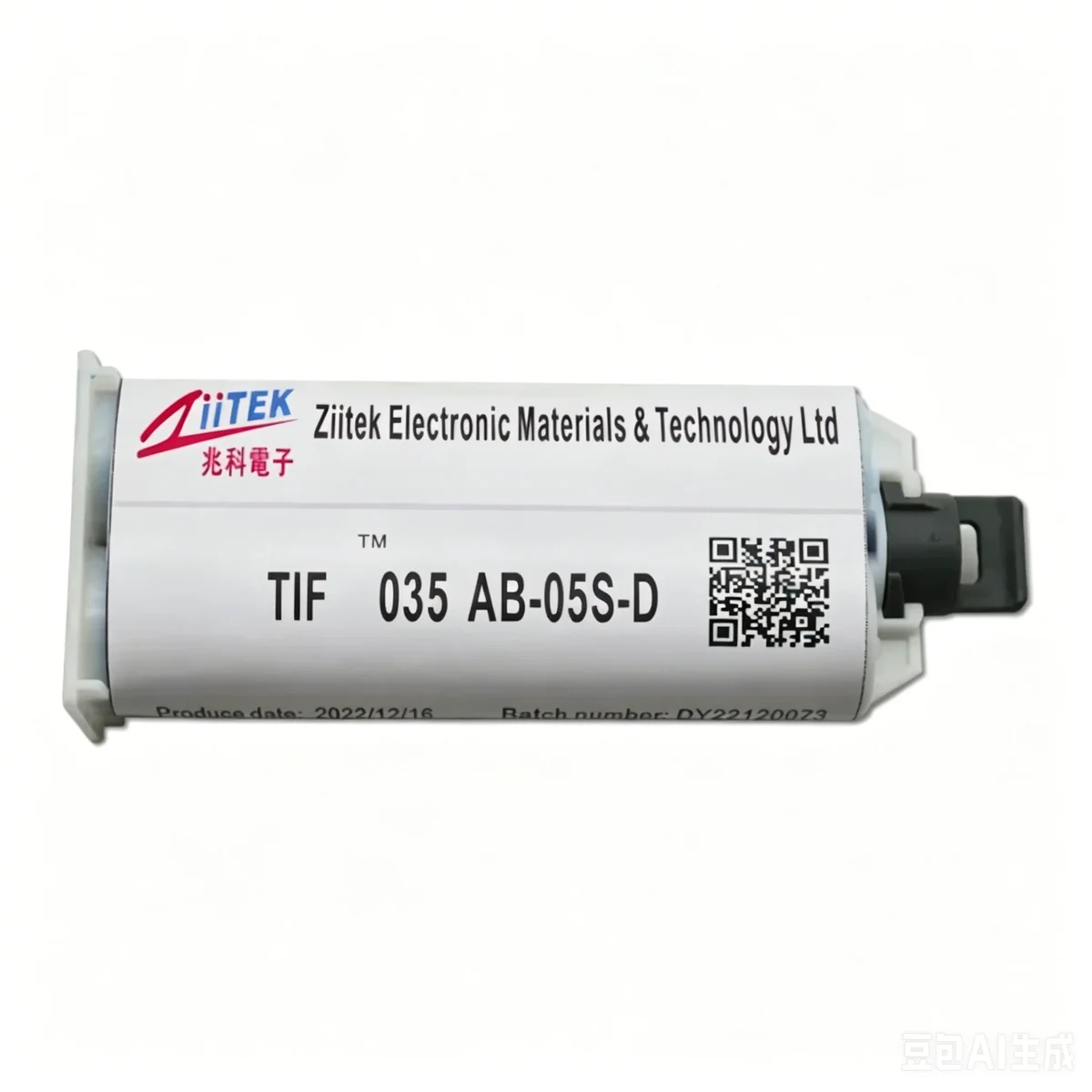 | TIF035AB-05S-D | 3.5 W/m·K | 3.1 g/cm³ | |
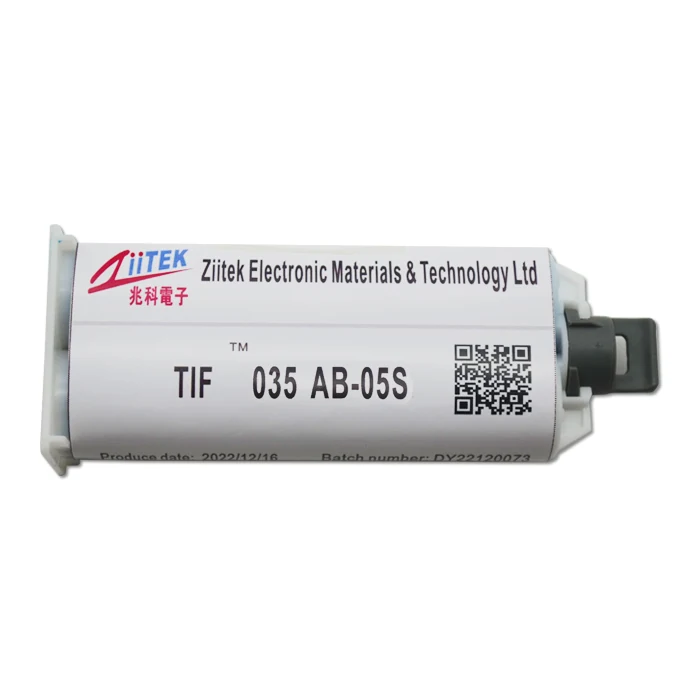 | TIF035AB-05S | 3.5 W/m·K | 3.1 g/cm³ | |
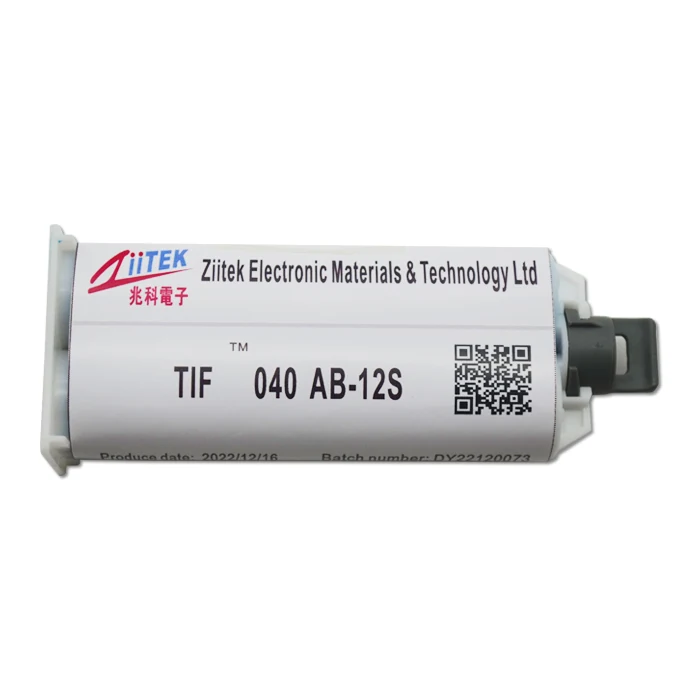 | TIF040AB-12S | 4 W/m·K | 3.1 g/cm³ | |
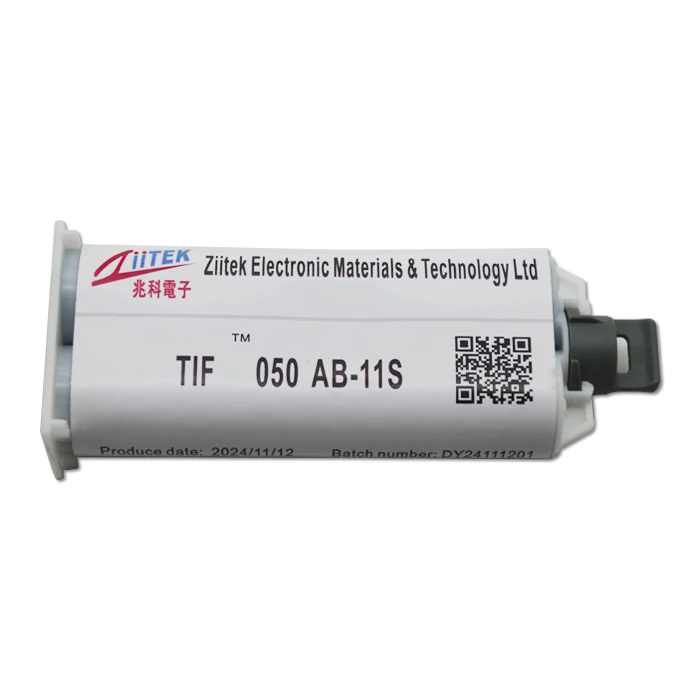 | TIF050AB-11S | 5 W/m·K | 3.2 g/cm³ | |
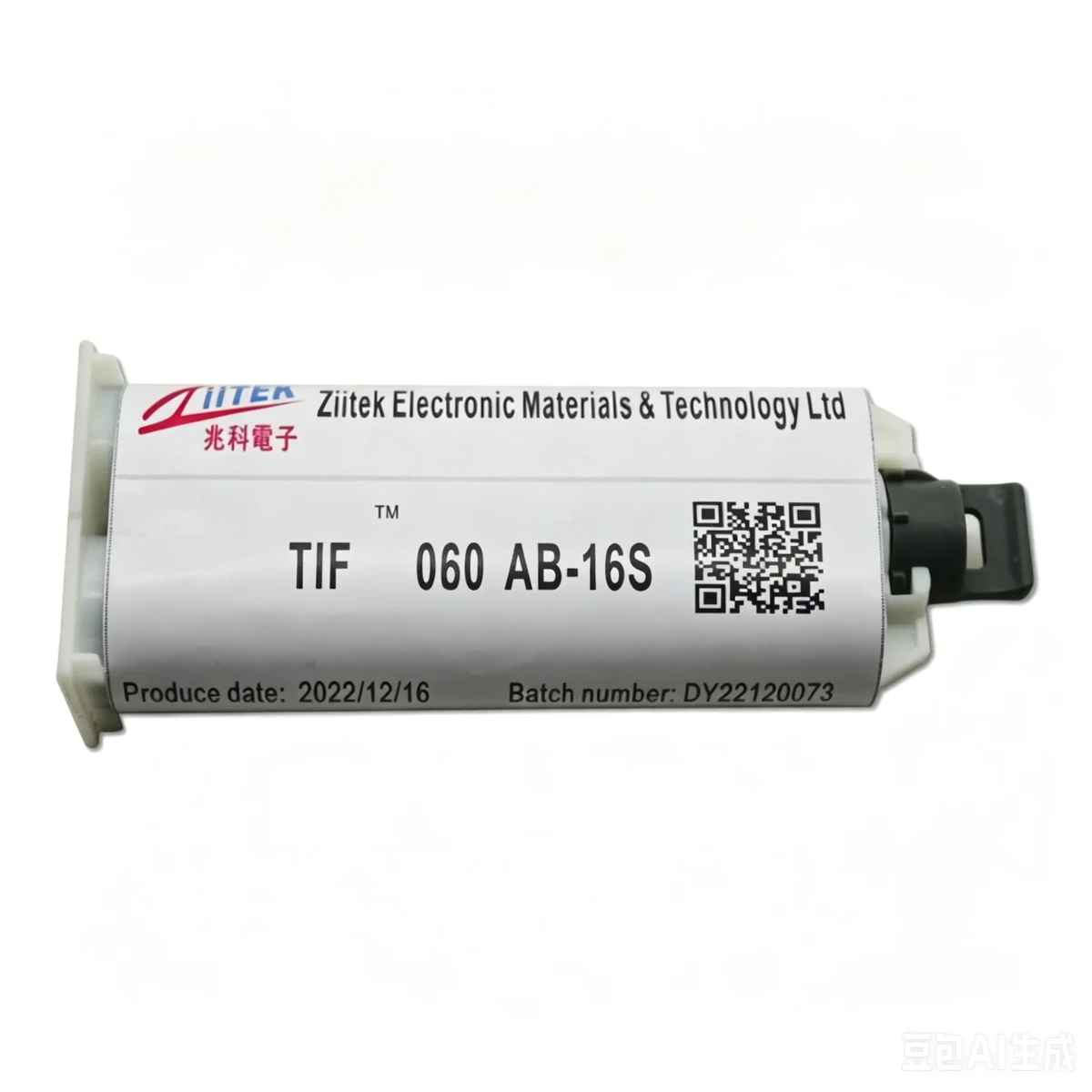 | TIF060AB-16S | 6 W/m·K | 3.4 g/cm³ | |
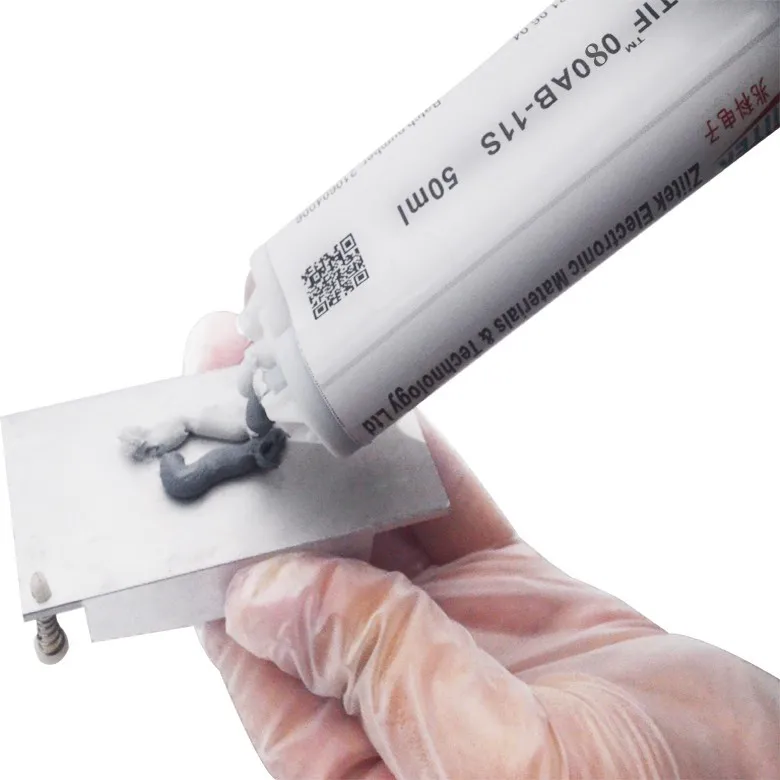 | TIF080AB-11S | 8 W/m·K | 3.4 g/cm³ | |
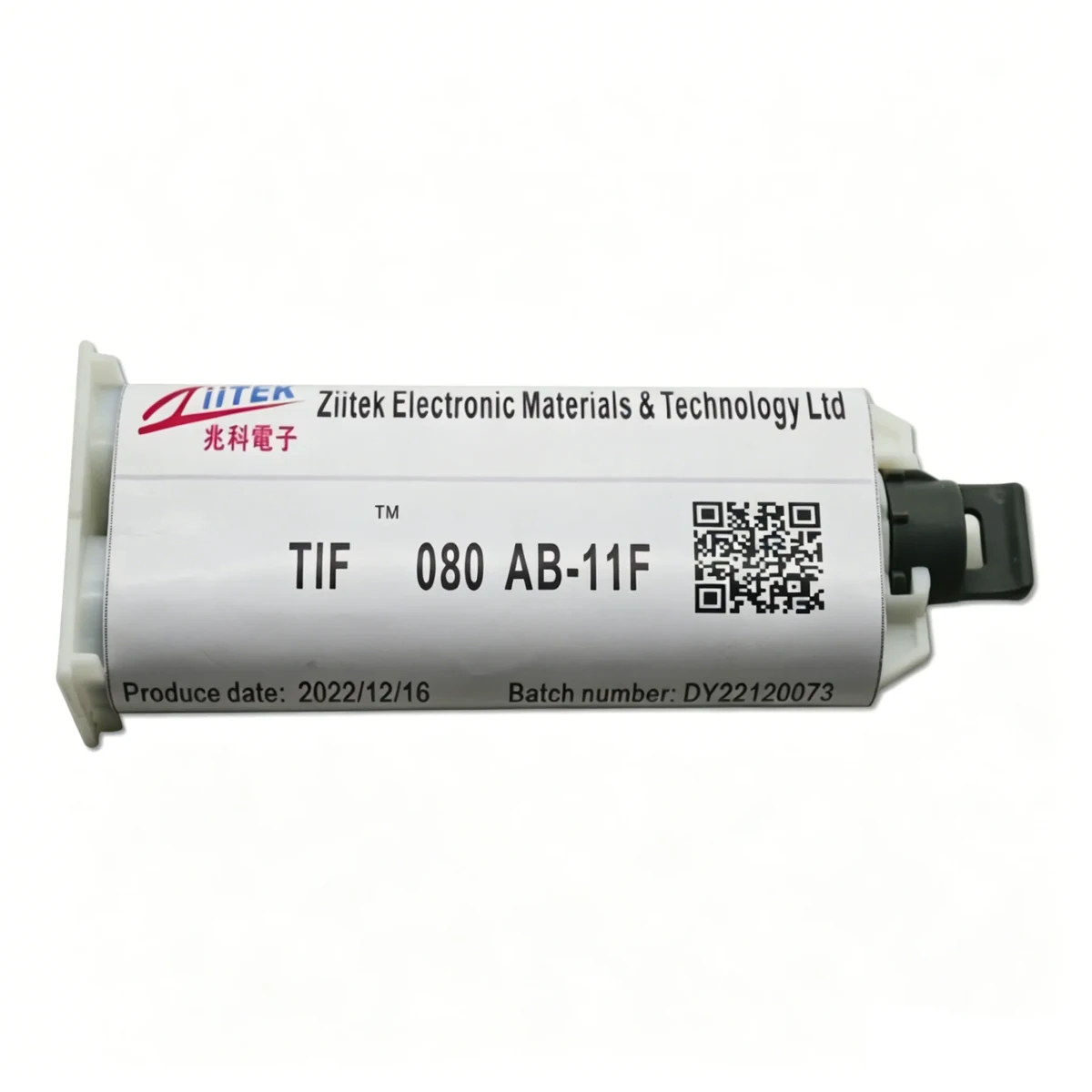 | TIF080AB-11F | 8 W/m·K | 3.25 g/cm³ | |
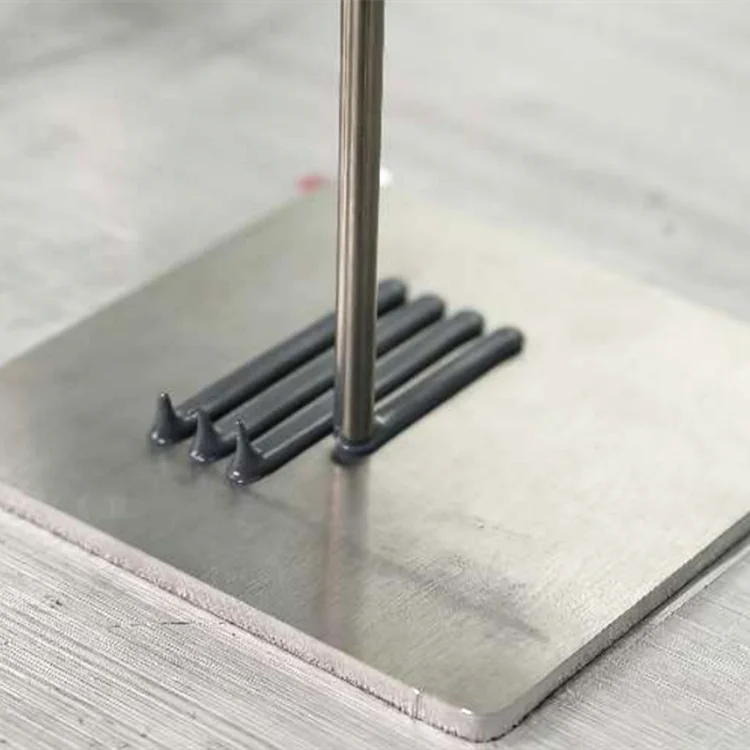 | TIF030-WA | 3.0 W/m·K | 4.0 g/cm³ | |
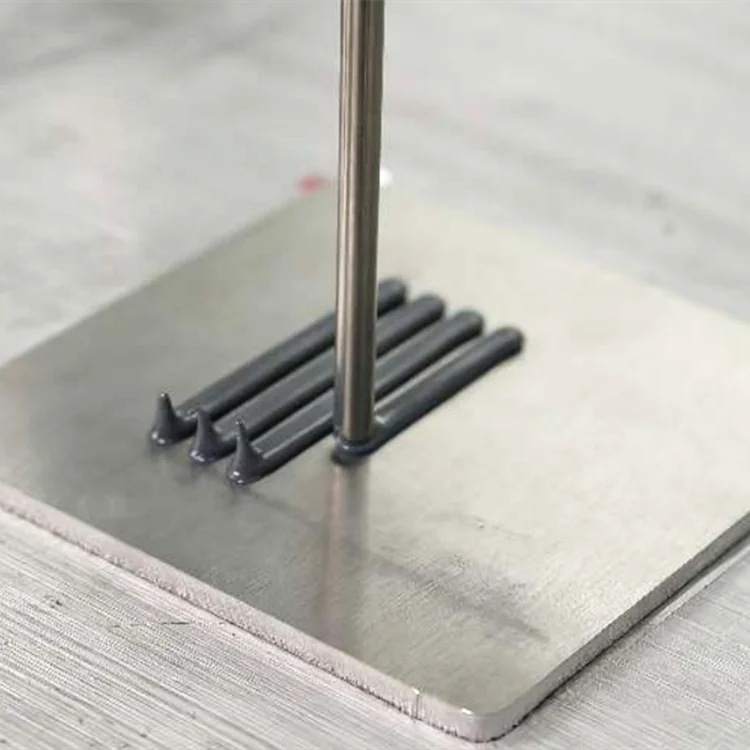 | TIF050-WA | 5.0 W/m·K | 3.6 g/cm³ | |
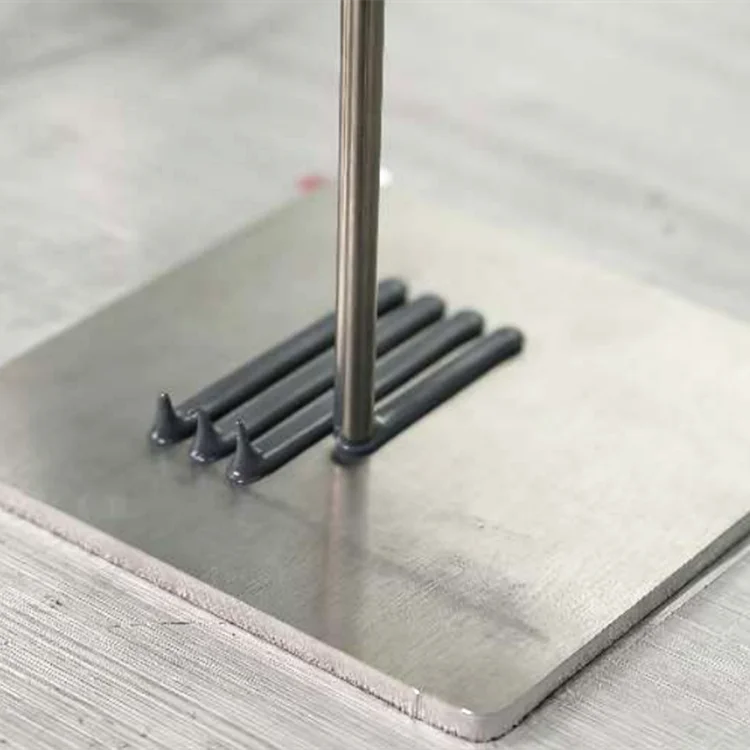 | TIF030AB-WA | 3.0 W/m·K | 4.0 g/cm³ | |
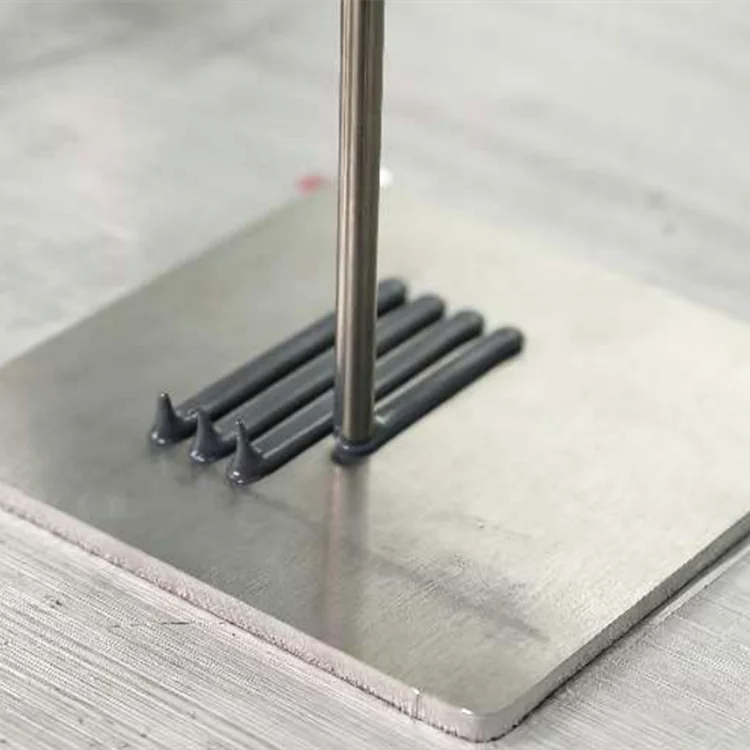 | TIF050AB-WA | 5.0 W/m·K | 3.6 g/cm³ |
熱伝導性パテ&ゲルが適する用途
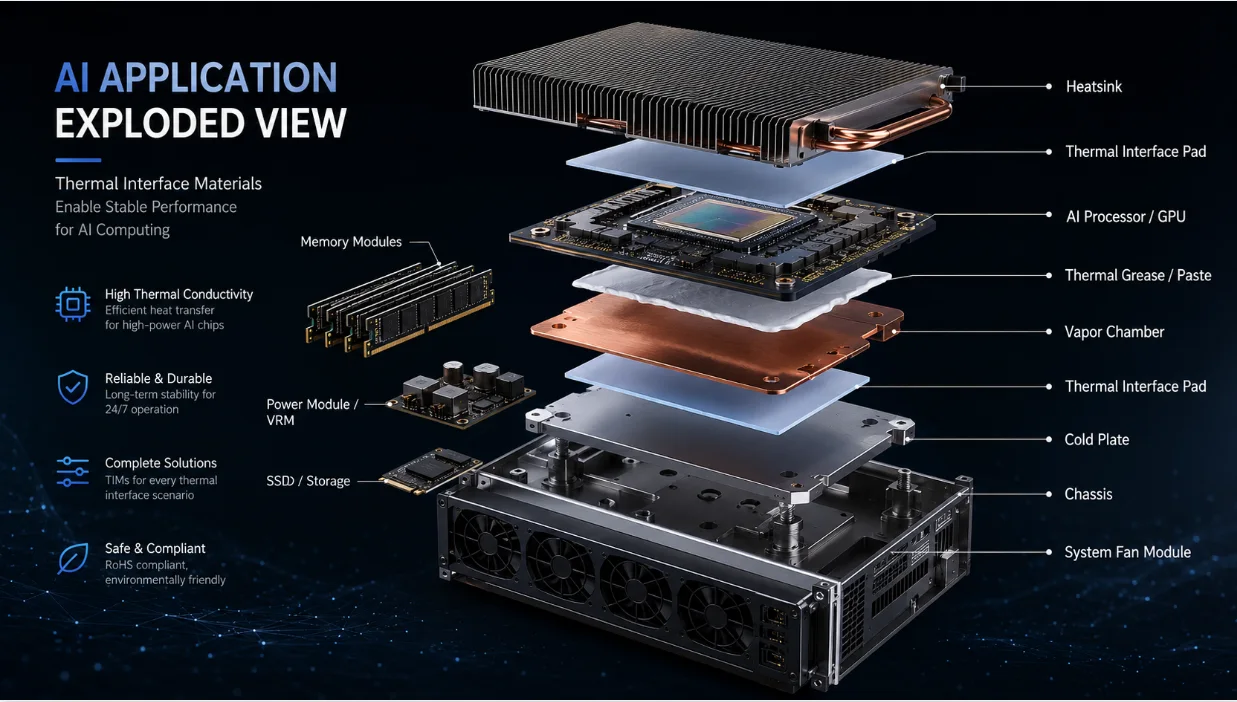
サーバー・GPU・アクセラレーター・DIMM
データセンター & AIサーバー
高熱流束シリコンと高密度PCB — CPU/GPU接合部、VRM/DIMM/NICインターフェース、アクセラレータのコールドプレート経路。締付力、TIMインピーダンス、リワーク周期に応じてグレードをお選びください。
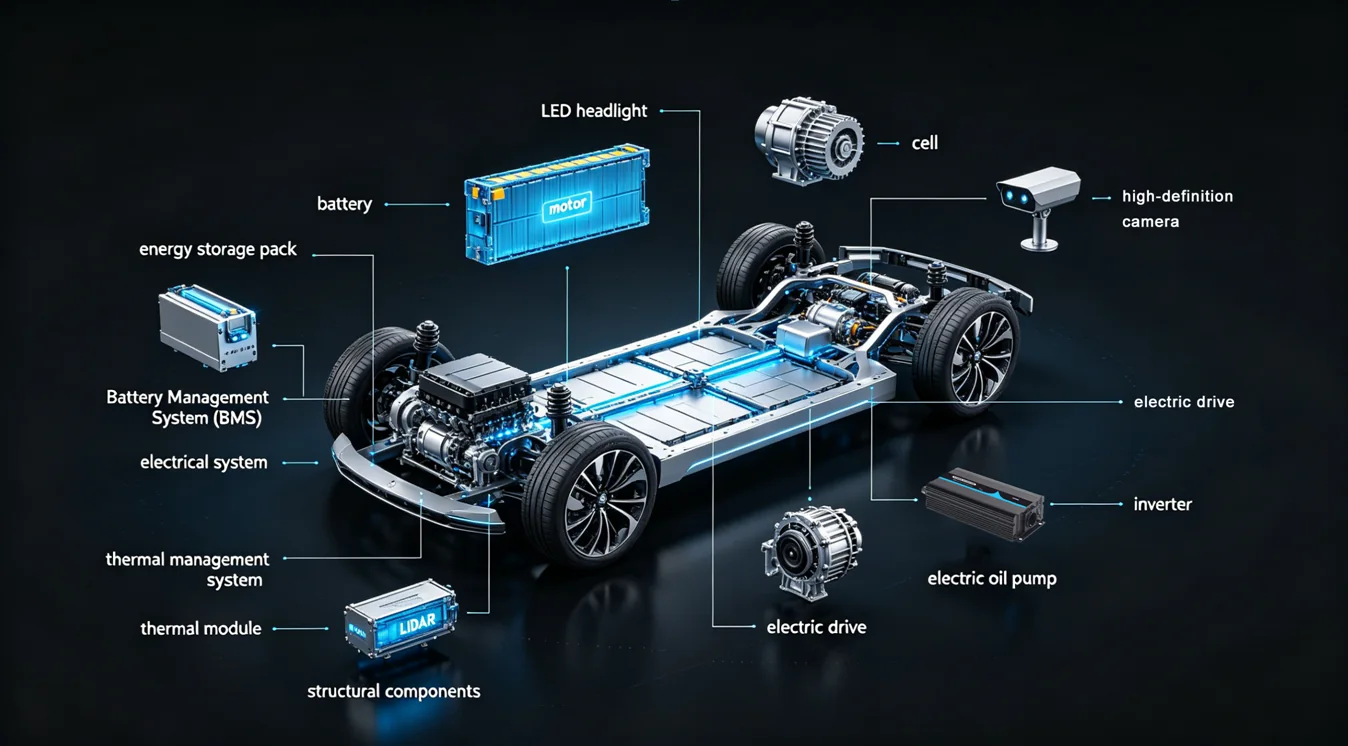
EVパック・OBC・インバーター・BMS
新エネルギー
EVバッテリーモジュール、トラクションインバーター、オンボードチャージャー、再生可能エネルギーの電力変換 — HV絶縁要件を伴う高電流サイクル負荷の熱管理。
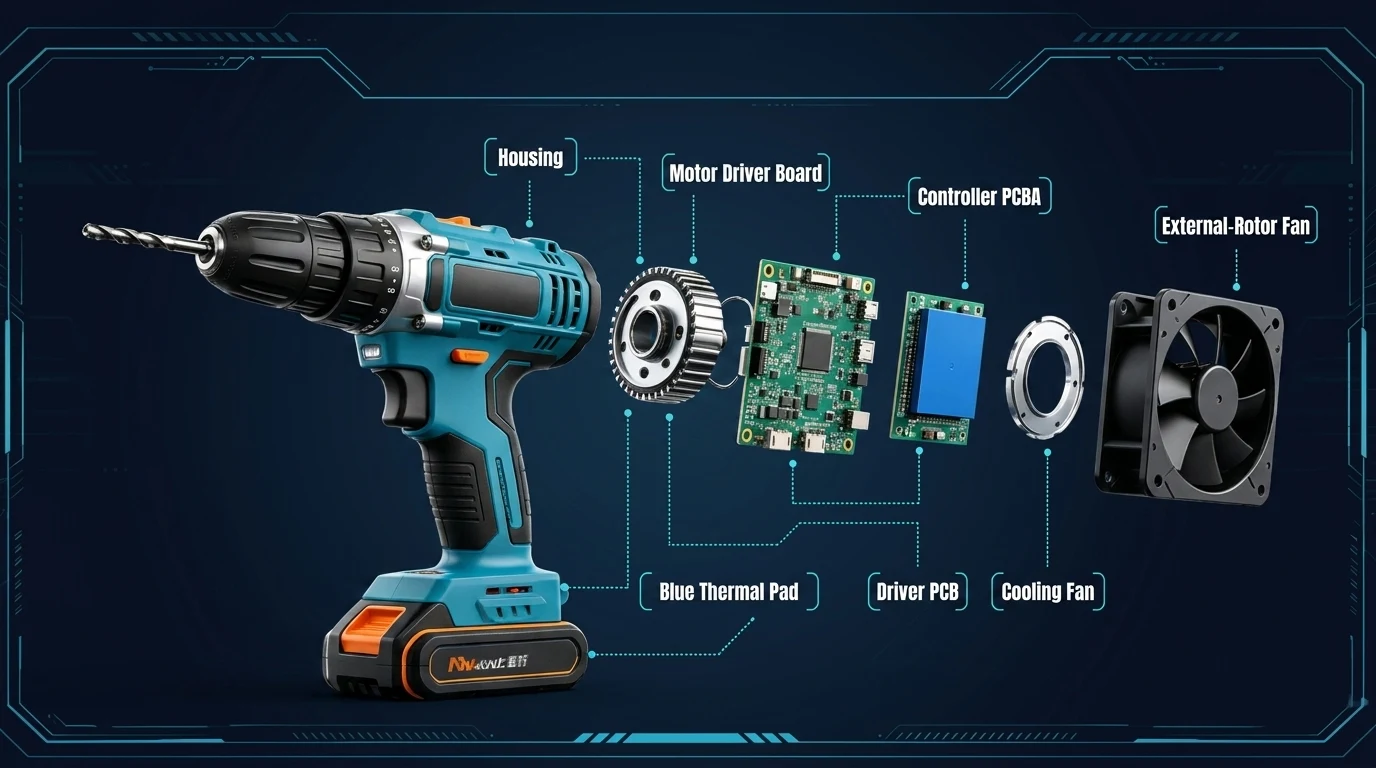
ドライブ・IGBT・コントローラー・センサー
電動工具および制御システム
産業用制御機器、モータードライブ、パワーステージIGBT、高耐久性モジュール — 保守可能なアセンブリや過酷な環境向けに構築された熱伝導インターフェース、シーリング、および封止。
代表的な仕様範囲(熱伝導性パテ&ゲル)
| パラメーター | 代表的な範囲/備考 | 試験方法 |
|---|---|---|
| 熱伝導率 (公称) | ≈ 1.5 〜 9+ W/m·K クラス | ASTM D5470 |
| ギャップ充填 (硬化後 / 定位置) | 0.1 – 数mm — グレードによる | 積層構造 |
| 一液性 vs 二液性 | 両方利用可能 | 製品ファミリー |
| 硬度 / モジュラス | 硬化ゲルに依存 | ショア / DMA |
| 連続使用温度 | −40 °C 〜 200 °C クラス | UL746B / TDS |
| 絶縁耐力 | グレード別のkV/mm | ASTM D149 |
| 保存期間および混合比 (2液性) | データシートに準拠 | — |
| 用途 | 自動塗布、手動 | — |
| カスタムパッケージング | カートリッジ、ペール缶 — ご要望に応じて対応 | — |
Thermal putty and thermal gel — よくあるご質問
製品の選定やクロスリファレンスでお困りですか?Ziitekの熱対策エンジニアにご相談ください。2時間以内の応答をお約束します。
エンジニアに相談するWhat's the difference between thermal gel, grease, and putty?
Single-part dispense-and-use vs two-part cure — when do I want which?
What does 'wave-absorbing' (TIF0xx-WA) mean?
What's the right bondline thickness for thermal gel?
Can I rework a gel-installed assembly?
Are these gels silicone-based?
関連する熱対策製品ライン
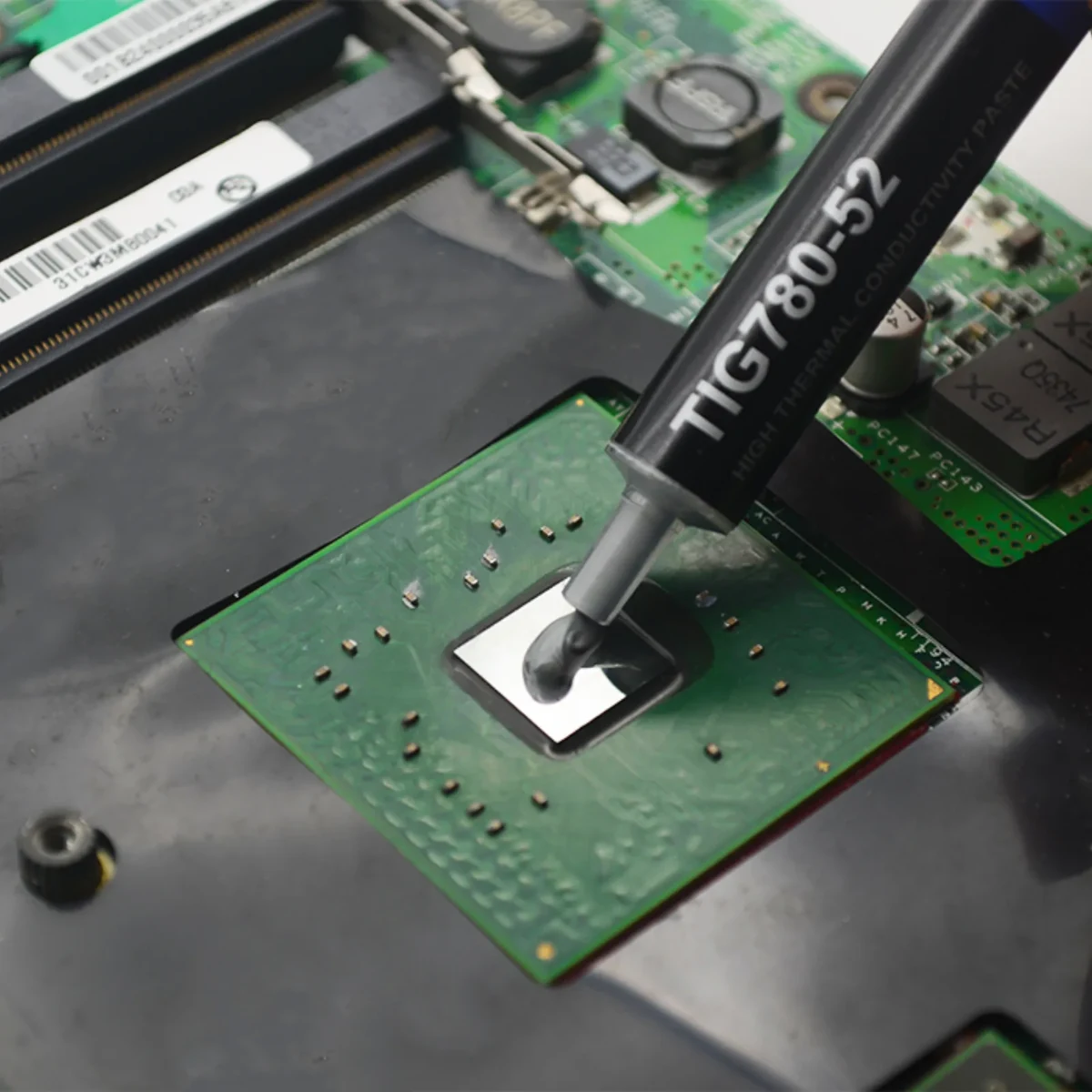
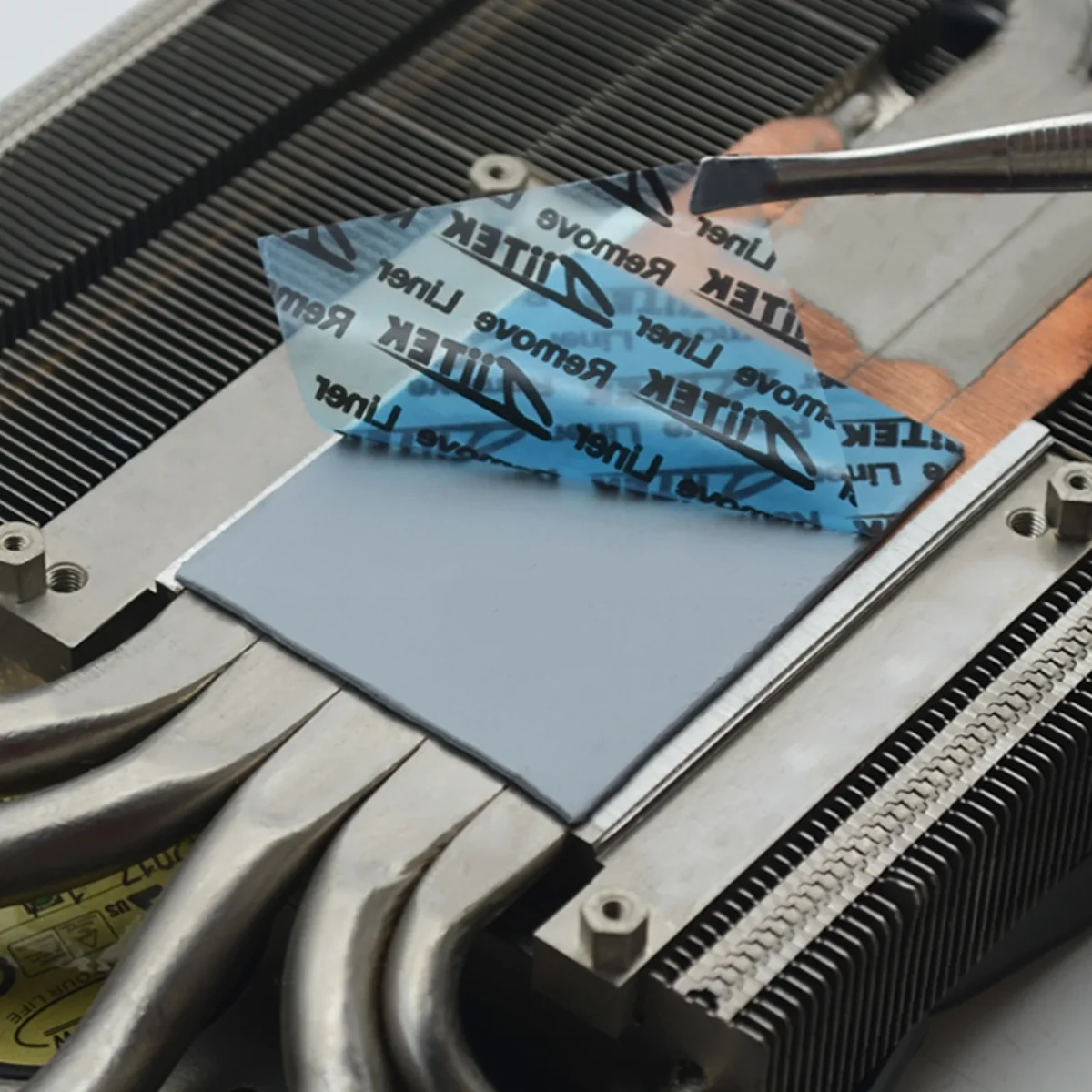
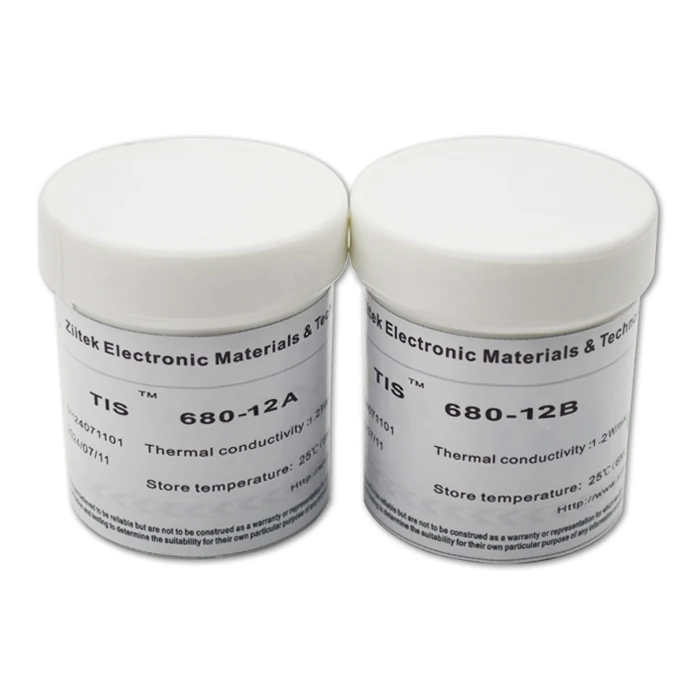

次世代の熱対策ソリューションを ここから。
ラピッドプロトタイピングから量産まで、当社のエンジニアがお客様の用途に合わせたカスタム熱対策ソリューションを設計します。EV、5G、コンシューマーエレクトロニクス分野で7,000社以上のお客様から信頼されています。