TIF Thermal Gel Replaces Traditional Thermal Pads: 35% Cost Reduction & Automated Production
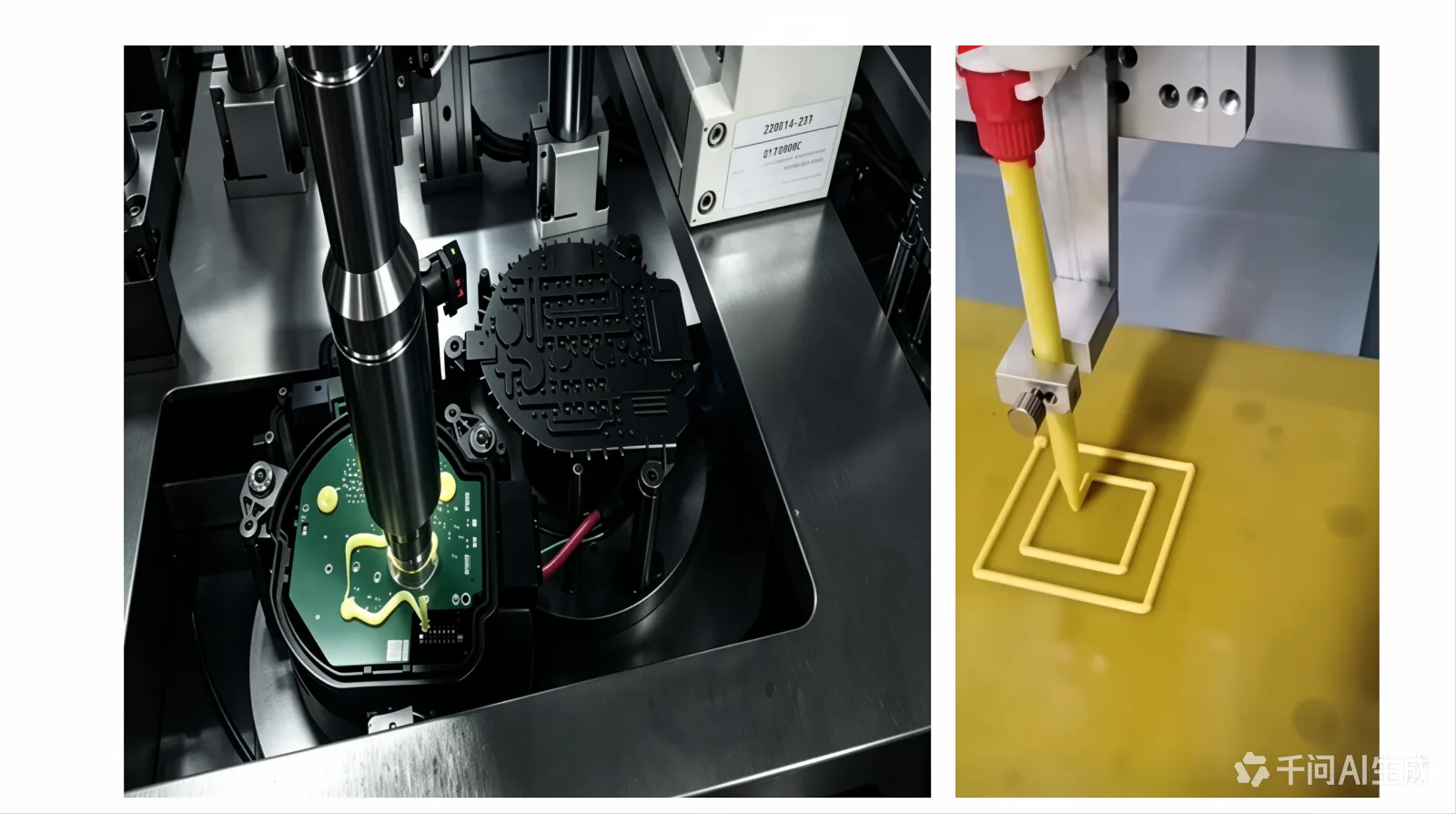
This customer is a leading domestic power lithium-ion battery manufacturer. Facing challenges such as pressure-sensitive battery modules and uneven cases, traditional thermal pads could not meet the requirements for automation and tolerance adaptation. Ziitek recommend TIF series two-component thermal gel to replace pre-die-cut pads, enabling fully automatic dispensing, conformal filling of 0.5–5mm gaps, and successfully passing vibration and aging tests. 2025 annual sales reached RMB 810 million, with total shipments for EV and ESS batteries exceeding 10 metric tons.
Customer background
The customer is an enterprise focusing on R&D, production, and sales of power lithium-ion batteries for new energy vehicles. Its main products include LiFePO₄ and NMC cells, power battery packs, ESS battery packs, and battery management systems. Products are widely used in passenger cars, commercial vehicles, and green energy solutions for ESS customers. By the end of 2025, the company's total shipments reached approximately 100 GWh, with a planned global capacity of 300 GWh by 2027, placing it among the top tier of the global NEV lithium battery industry. The company actively pursues overseas markets in Asia-Pacific, Europe-Africa, and the Americas, with 2024 overseas revenue exceeding RMB 10 billion (31.1% of total). It has multiple production bases in East China, Central China, and overseas in Germany, Thailand, Vietnam, and is building new bases in Europe-Africa.
Challenges & solutions
| # | Challenge | ZIITEK Solution |
|---|---|---|
| 1 | Assembly tolerances in cell height and flatness, plus cell swelling/shrinking during charge/discharge, make it difficult for traditional thermal interface materials to achieve perfect contact. | Using TIF020-19S and TIF035AB-05S two-component thermal gels, compressibility >50%, automatically filling 0.5–5mm gaps, adapting to cell swelling and assembly tolerances. |
| 2 | Continuous vibration during vehicle operation can create micro-gaps between the gel and contact surfaces, or even pump the gel out of the thermal path, causing a sharp increase in thermal resistance. | Through tackifying resins and crosslinking density design, the cured gel meets automotive vibration standards (e.g., LV124), resists separation or pump-out, and provides cushioning protection for battery modules. |
| 3 | Large-area attachment relies on manual alignment and release liner removal, leading to bubbles and misalignment. Different battery pack structures require dedicated die-cutting, resulting in high tooling costs and complex SKU management. | TIF gel is suitable for high-volume automated production. When design changes occur, only the dispensing path needs to be updated – no new part numbers. Compared to manual pad attachment, efficiency improves by ~70% and total cost reduces by 35%. |
| 4 | Long-term operation at 60–80°C or higher may cause oil bleed, hardening, or volume shrinkage of the gel matrix, leading to a drop in thermal conductivity. | High-temperature resistant silicone oil, antioxidants, and a stable crosslinking system are used. The gel passes 125°C/1000h aging tests, ensuring long-term stability of thermal conductivity, hardness, and volume resistivity. |
Project background
As the range and power density of new energy vehicles continue to increase, thermal management of power battery packs has become a core bottleneck for safety and lifespan. As a leading domestic lithium battery company, the customer faced two major challenges in its next-generation battery modules: (1) large assembly tolerances between cells and the liquid cooling plate (height differences up to >2mm), which traditional thermal pads could not fully accommodate; and (2) the need to reduce manual attachment steps and improve yield and cycle time during production line automation upgrades.
Technical challenges
After an in-depth investigation of the customer's production line, we identified four key technical pain points (see Module 3 Challenges). The most difficult was: adapting to dynamic gap variations of ±1.5mm while withstanding automotive-grade vibration (LV124) without pump-out or displacement. The customer had tried various high-compressibility pads, but all failed due to insufficient die-cutting precision or stress relaxation after long-term aging.
Solution
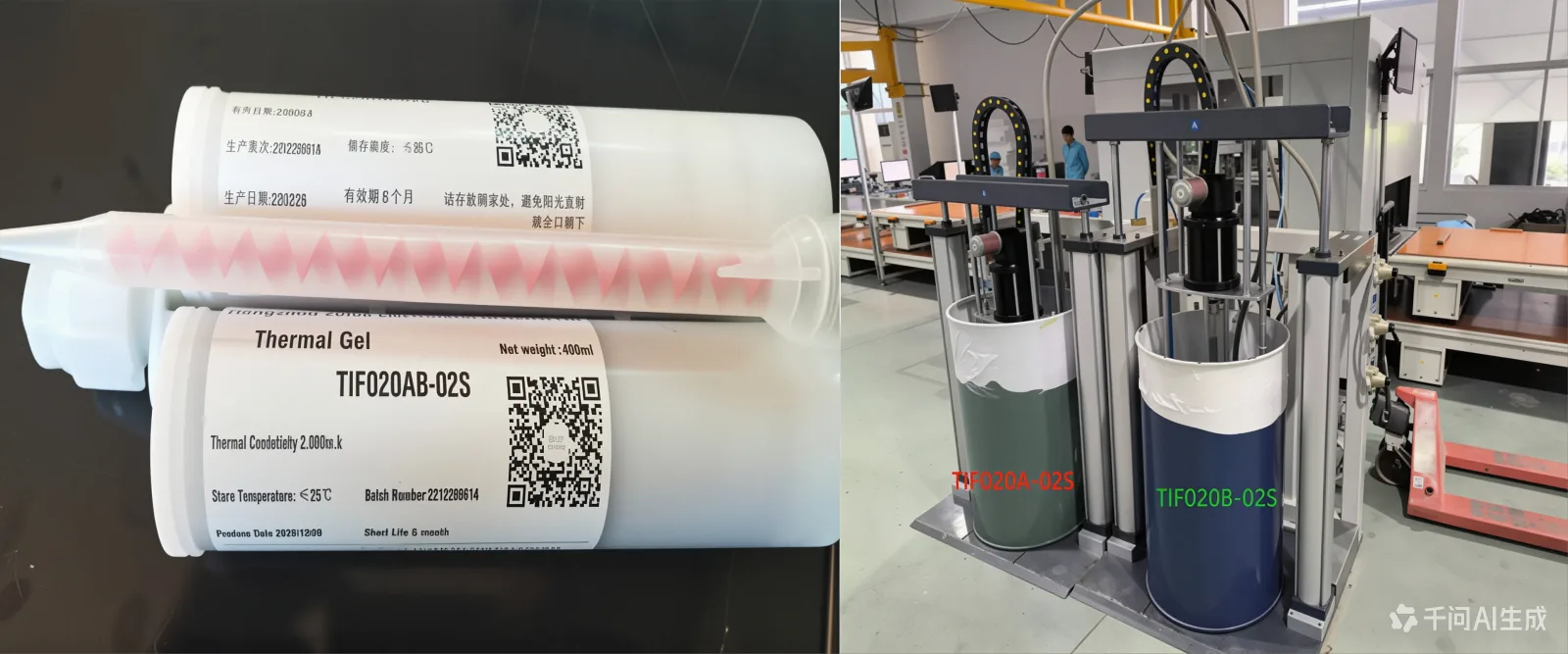
Ziitek recommended TIF020-19S (2.0 W/m·K) and TIF035AB-05S (3.5 W/m·K) two-component thermal gels for applications between cells and cold plates, as well as for busbars and other heat-generating points.
Key process parameters:
- Dispensing equipment: Precision screw pump with dynamic mixing valve, ≥24 mixing elements
- Curing method: 80°C for 30 minutes (compatible with customer's oven station)
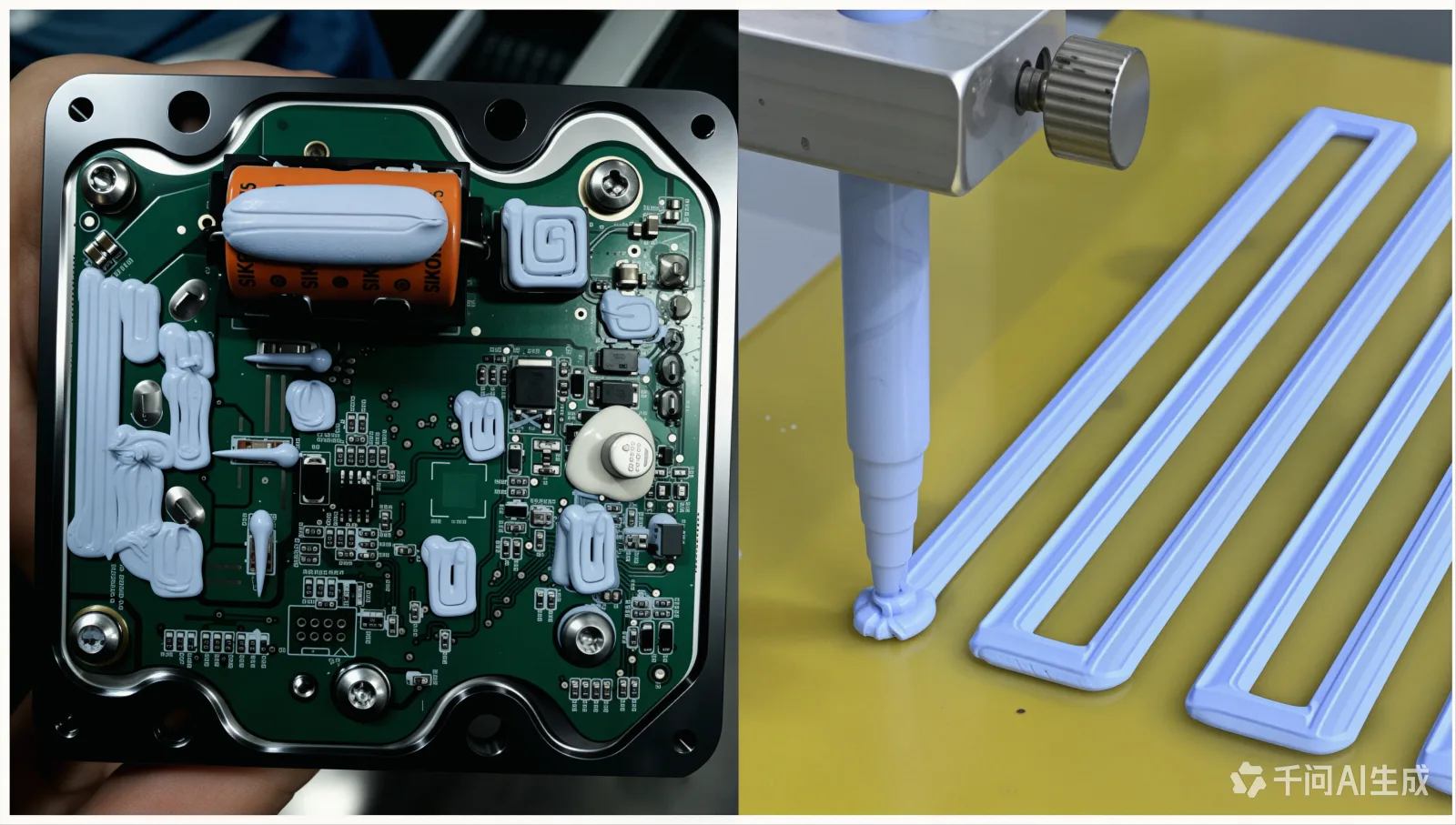
- Dispensing path: serpentine pattern, covering >90% of cell bottom area
After curing, the gel has a modulus below 1 MPa, compressibility >50%, exerts almost no pressure on cells, and provides good cushioning. On-site verification showed that dispensing yield increased from 92% (manual pad attachment) to 98.5%.
Testing & validation
The customer conducted a series of tests according to GB/T 31467.3-2015 and LV124 standards:
| Test Item | Result |
|---|---|
| High-temp storage (125°C/1000h) | Thermal conductivity drop <5%, no oil bleed, no cracking |
| Thermal cycling (-40°C~85°C, 1000 cycles) | Interfacial thermal resistance change <3%, no delamination |
| Random vibration (24h, 5~200Hz) | No pump-out, contact surface intact |
| Flammability rating | UL94 V-0 |
| Dielectric strength | ≥4 kV/mm, far above withstand voltage requirement |
Results & value
Since mass production began in 2024, the customer has extended TIF thermal gel to three battery pack platforms and two ESS projects. 2025 annual purchases reached RMB 810 million, with total shipments for EV and ESS batteries exceeding 10 tons. Key values include:
- Cost: Replacing die-cut pads, overall BOM cost reduced by 35%
- Efficiency: Dispensing cycle time 15 seconds/module, 70% improvement vs. manual attachment
- Reliability: After-sales return rate reduced by 40% (due to no gel displacement failure)
- Lightweighting: Gel density ~2.6 g/cc, 25% lighter than comparable thermal materials
Collaboration timeline
- Q4 2023: Initial contact, sample testing provided
- Q2 2024: Completed full automotive validation, entered pilot production
- Q4 2024: Became main supplier, covering three vehicle models
- Full year 2025: Annual frame agreement, cumulative shipments >10 tons

Frequently asked questions
Can two-component thermal gel fail to cure?
Yes, possible. Main causes: insufficient mixing of A/B components, contamination of platinum catalyst (e.g., contact with sulfur, phosphorus, amines), or incorrect mix ratio. Use high-shear static mixing nozzles, keep application surfaces clean, and regularly verify mixing uniformity.
Will thermal gel age or crack after long-term use?
Qualified automotive-grade two-component thermal gel uses high-temperature resistant silicone oil and a stable crosslinking system. It passes 125°C/1000h aging tests without cracking or oil bleed, and maintains stable thermal conductivity, meeting automotive life requirements.
Can the gel accommodate cell swelling and assembly tolerances?
Yes. After curing, the two-component gel has a very low modulus (typically <1 MPa), compressibility >50%, automatically filling 0.5–5mm gaps, and adapts to repeated swelling/shrinking caused by charge/discharge cycles, maintaining low interfacial thermal resistance.
Can the automated dispensing process stably match production line cycle time?
Yes. With precision screw pumps and ≥24-element static mixers, combined with heat-curing (80°C/30min), dispensing cycle time can be controlled at 15–30 seconds per module. Once equipment parameters are fixed, mixing uniformity and output volume deviation are <3%.
What is the shelf life and storage requirement for TIF thermal gel?
12 months at room temperature (25°C). A and B components must be stored sealed in a cool, dry place away from direct sunlight and contaminants. No pre-mixing required before use – simply load into dispensing equipment.