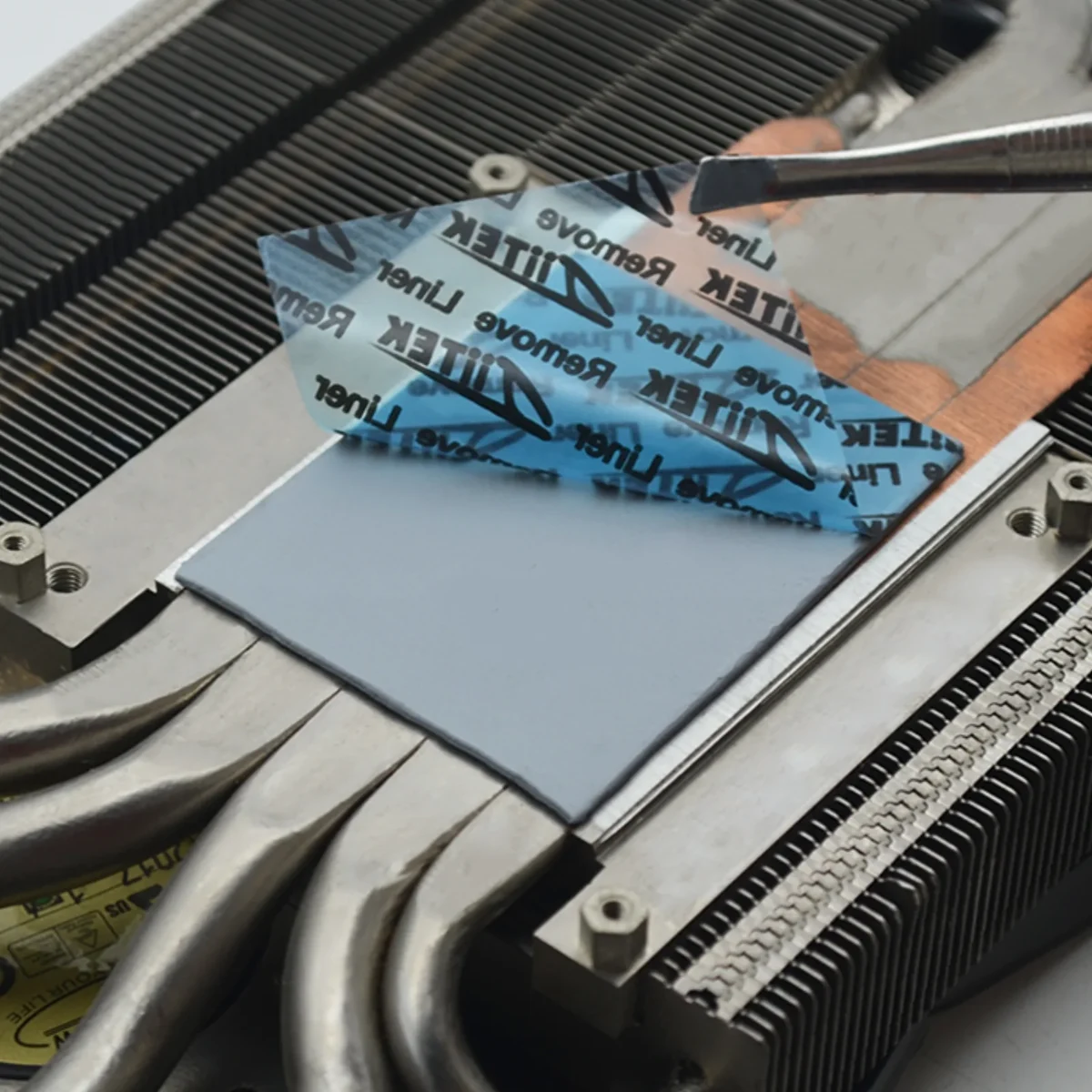
Silicone thermal pads
Compressible silicone thermal pads and thermal gap pads for CPUs, GPUs, SSDs, power stages, and telecom hardware. Through-plane thermal conductivity 1.0–16.0 W/m·K across 39 published part numbers — sheet stock or custom die-cut to your outline, shipped worldwide.
39
Silicone TIF models
1.0–16.0 W/m·K
Thermal conductivity (λ)
0.25–5 mm
Thickness (typical)
−40 – 200 °C
Continuous use
UL94 V-0
Flame rating (grades)
Selection brief
Start with the stack, not the product name.
A useful shortlist begins with the heat path and assembly constraints. Share these details and Ziitek can direct you to the relevant grades and documentation.
Interface & geometry
Share the contact area, gap or target bond-line, and whether the surfaces are flat or uneven.
Thermal target
Include power or heat flux, allowable temperature rise, and heatsink or enclosure constraints.
Electrical & production
Flag dielectric isolation, compliance needs, assembly method, rework, and expected volume.
Eight series families — TIF100 through TIF800
Every Thermal Pad grade, one table
All 39 thermal pad part numbers with thermal conductivity (W/m·K), colour notes, and PDF datasheets. Click a model name with a link for full specs, photos, and application guidance.
| Photo | Model | λ (W/m·K) | Hardness | PDF & next step |
|---|---|---|---|---|
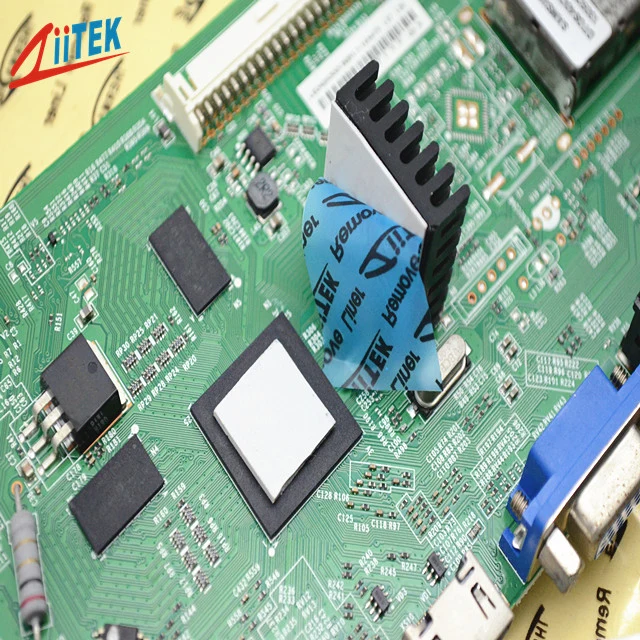 | TIF100-10-02S | 1 W/m·K | 45 | |
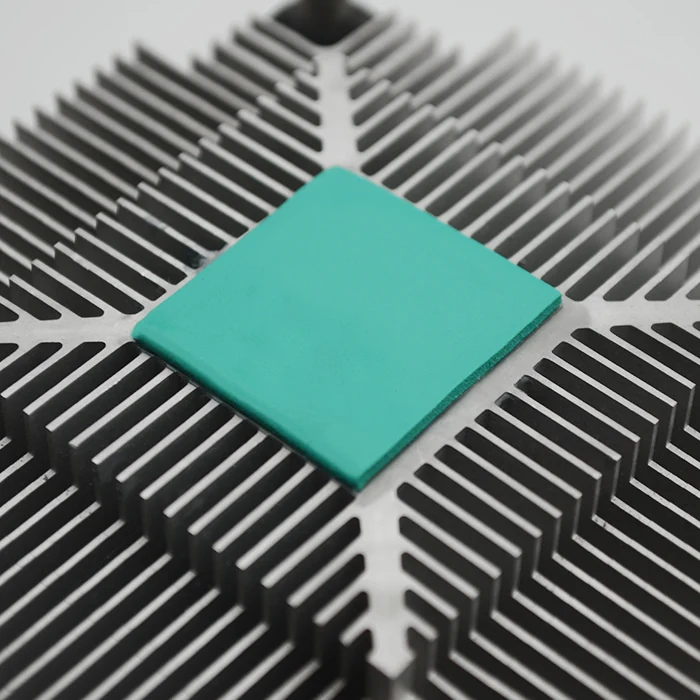 | TIF100-12-66U | 1.2 W/m·K | 27~65 | |
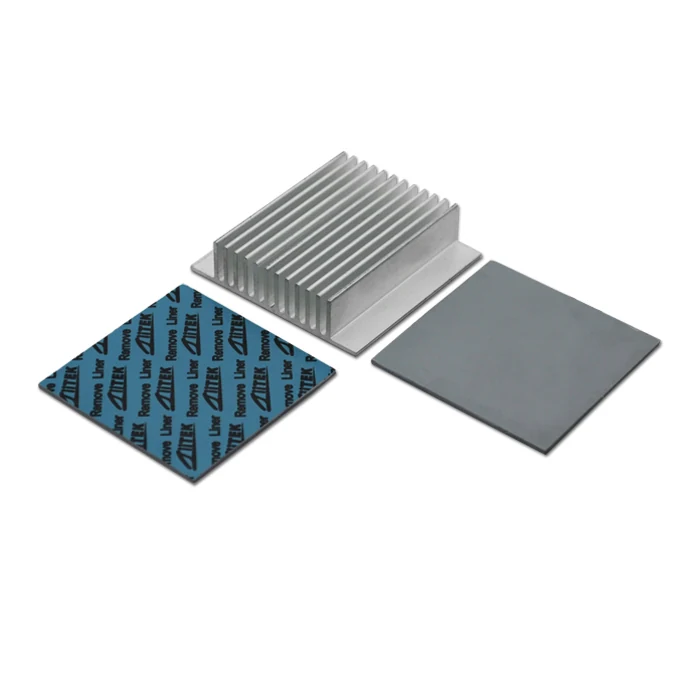 | TIF100-15-11U | 1.5 W/m·K | 27~65 | |
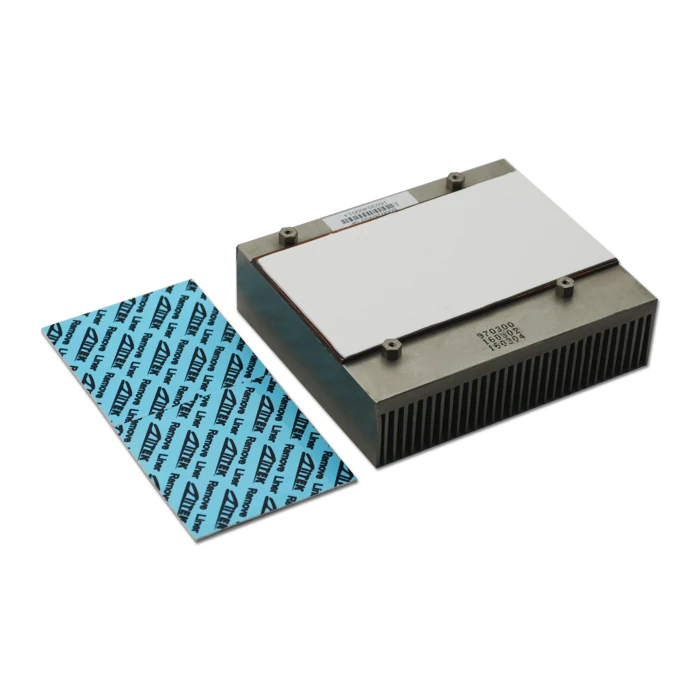 | TIF100-18-02S | 1.8 W/m·K | 45~65 | |
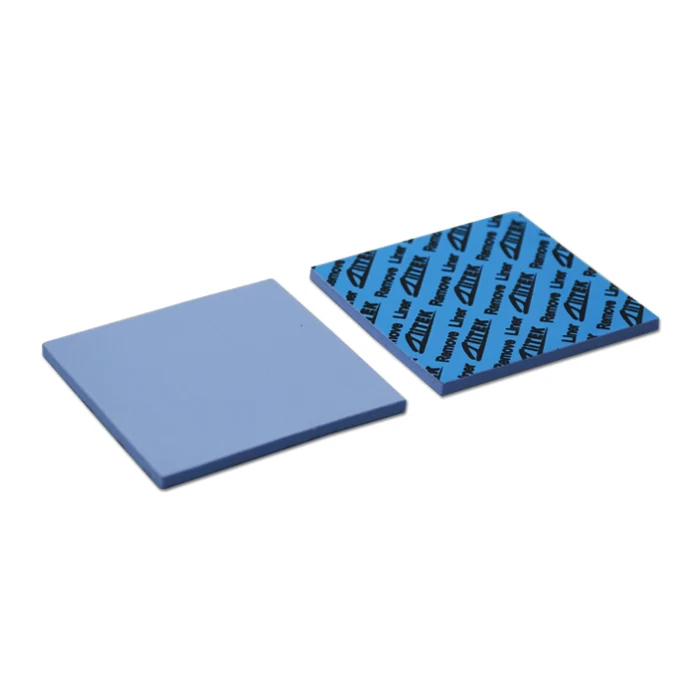 | TIF100-20-05E | 2 W/m·K | 35~65 | |
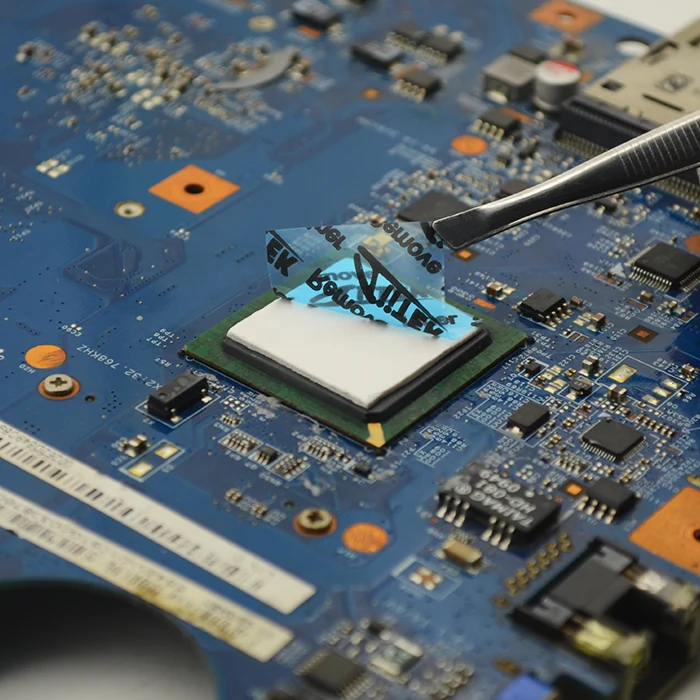 | TIF100-3030-06 | 3 W/m·K | 30~65 | |
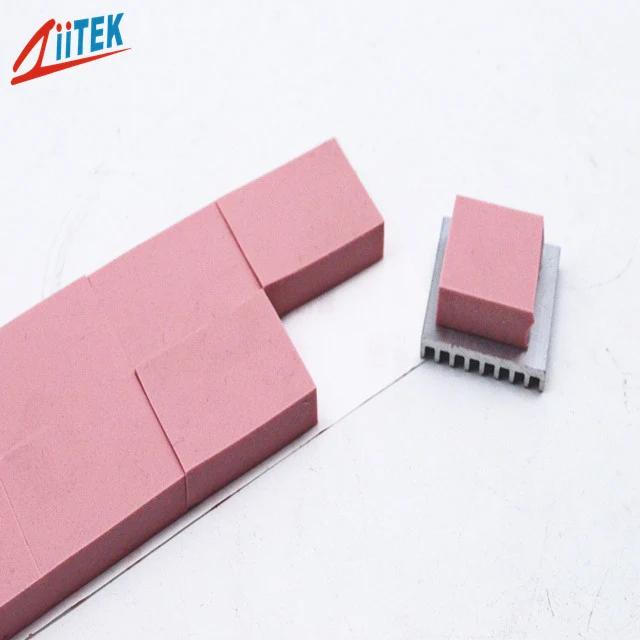 | TIF100-32-25E | 3.2 W/m·K | 35~65 | |
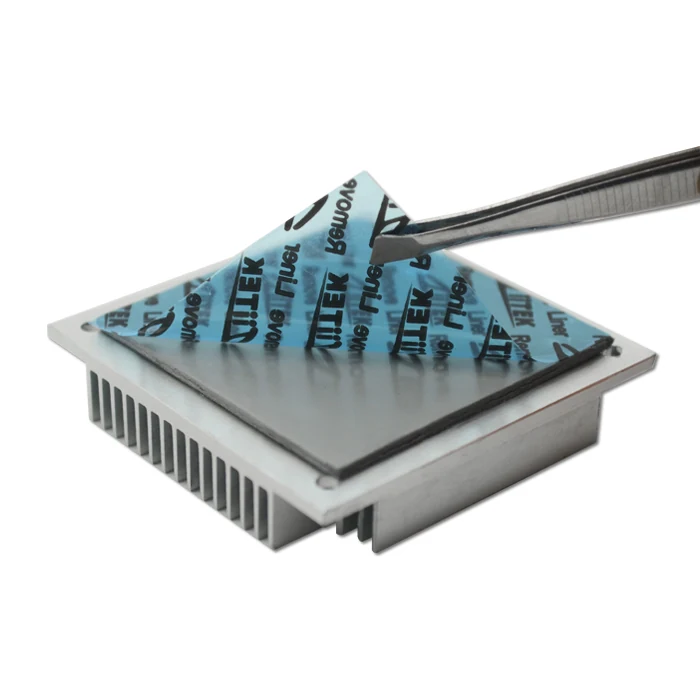 | TIF100-40-10S | 4 W/m·K | 45~65 | |
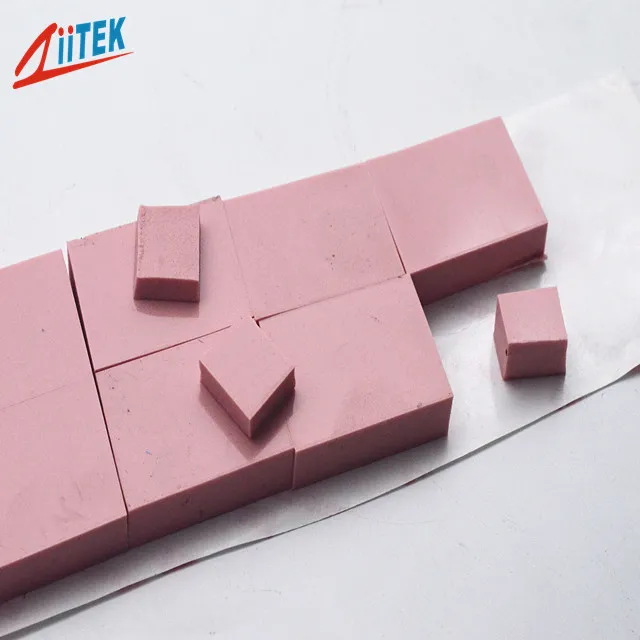 | TIF100-50-50E | 5 W/m·K | 35~65 | |
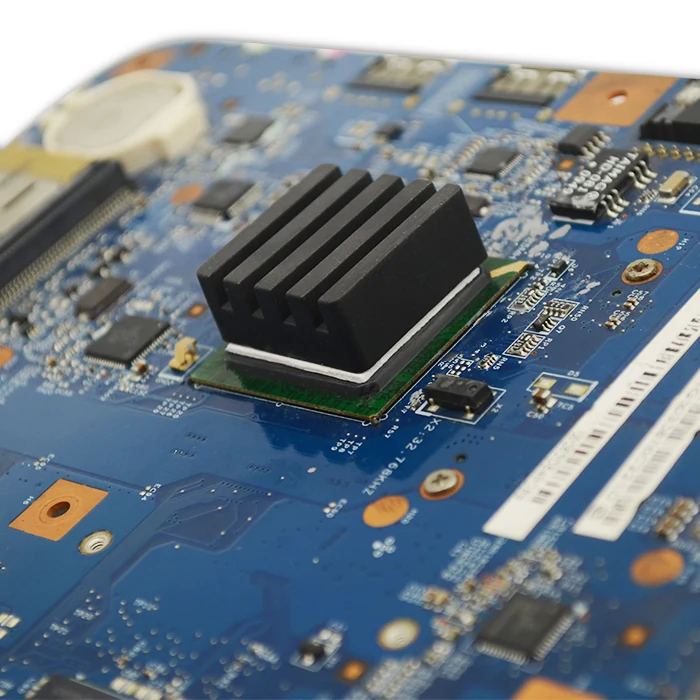 | TIF100-60-06S | 6 W/m·K | 45~65 | |
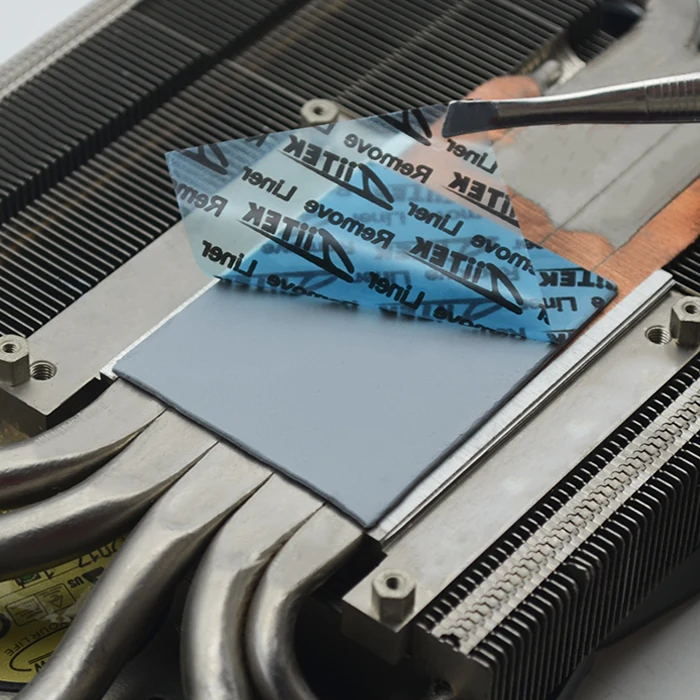 | TIF100-65-11U | 6.5 W/m·K | 27~65 | |
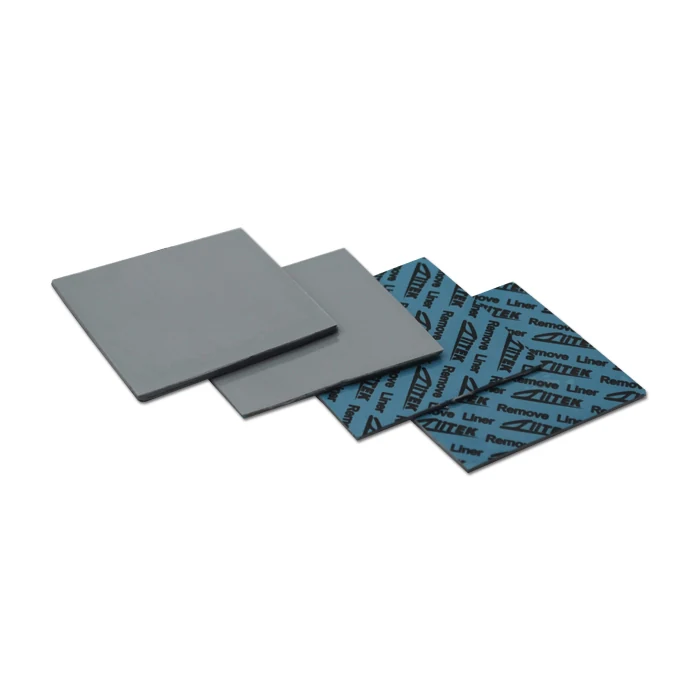 | TIF100-80-11F | 8 W/m·K | 60 | |
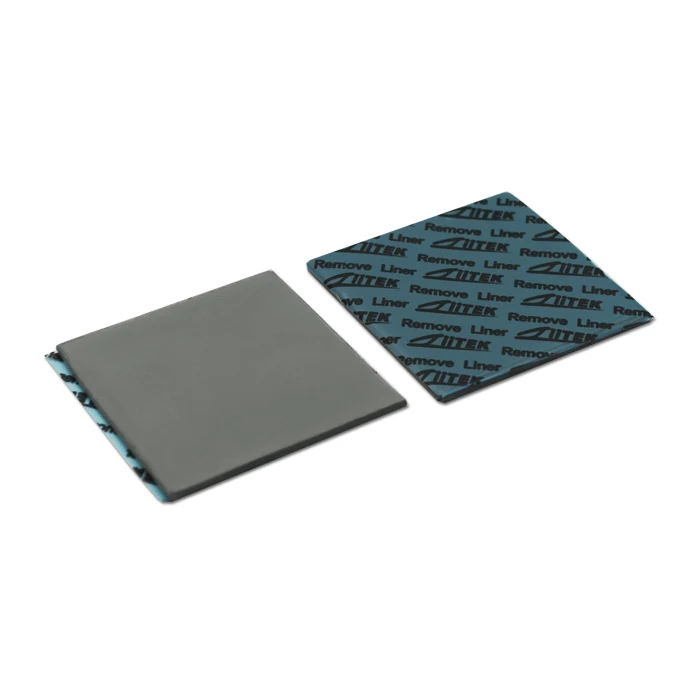 | TIF100-85-11US | 8.5 W/m·K | 20~35 | |
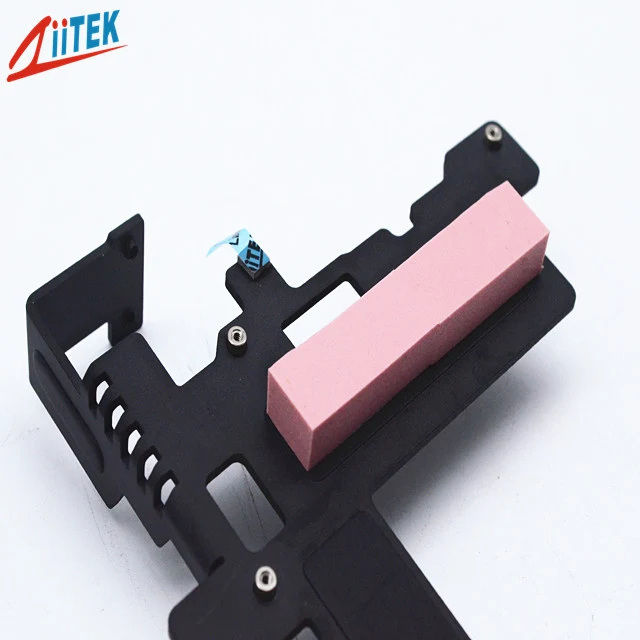 | TIF100-10055-50 | 10 W/m·K | 55~70 | |
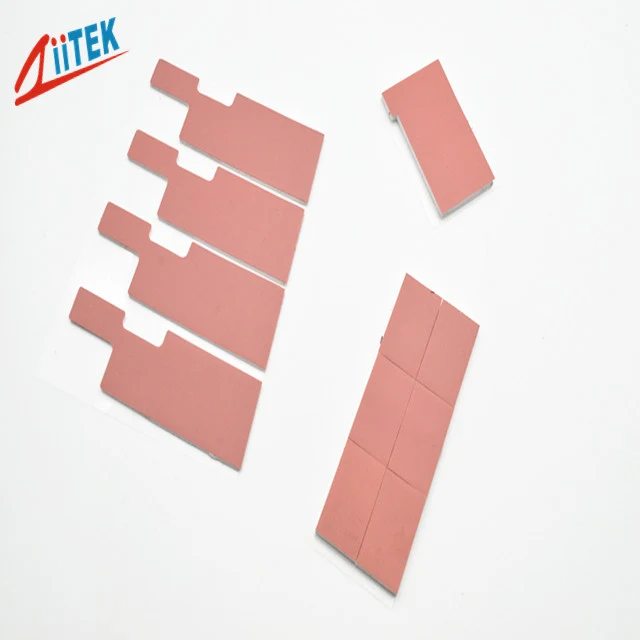 | TIF200-20-14S | 2 W/m·K | 45±5 | |
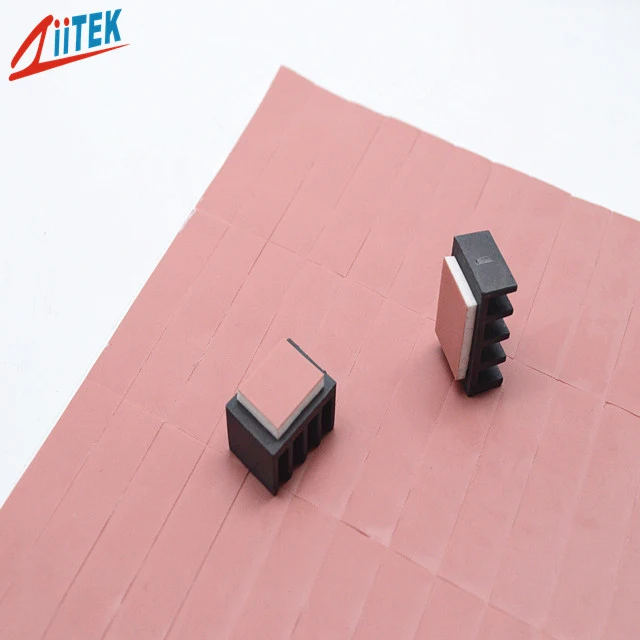 | TIF200-30-50S | 3 W/m·K | 45 | |
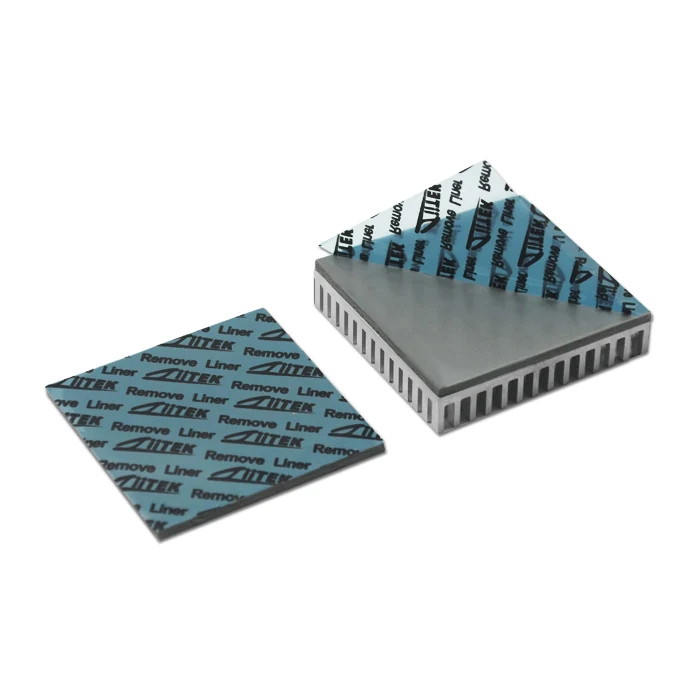 | TIF300 | 3 W/m·K | 27~65 | |
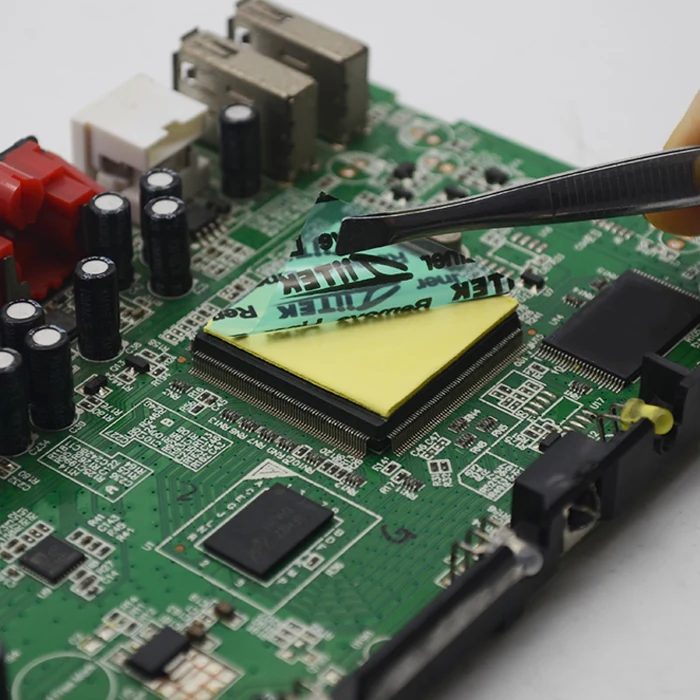 | TIF400 | 2 W/m·K | 45 | |
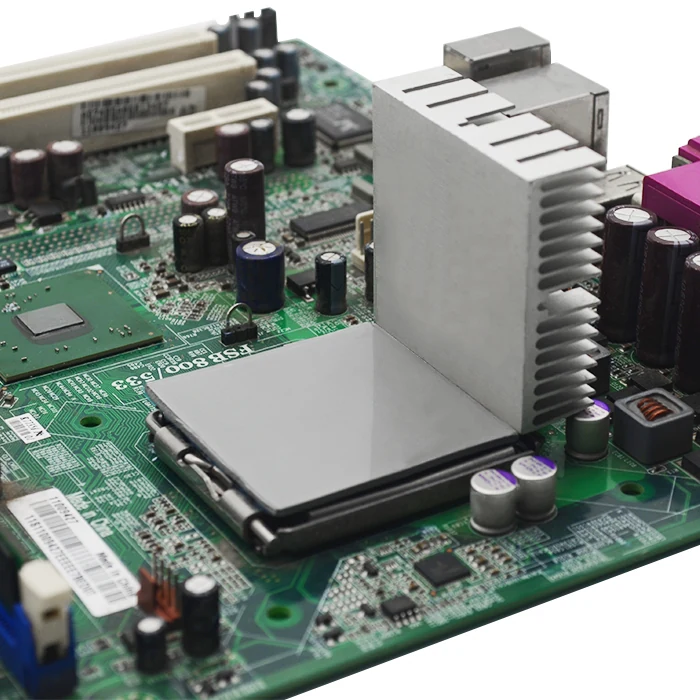 | TIF500-18-11US | 1.8 W/m·K | 20~65 | |
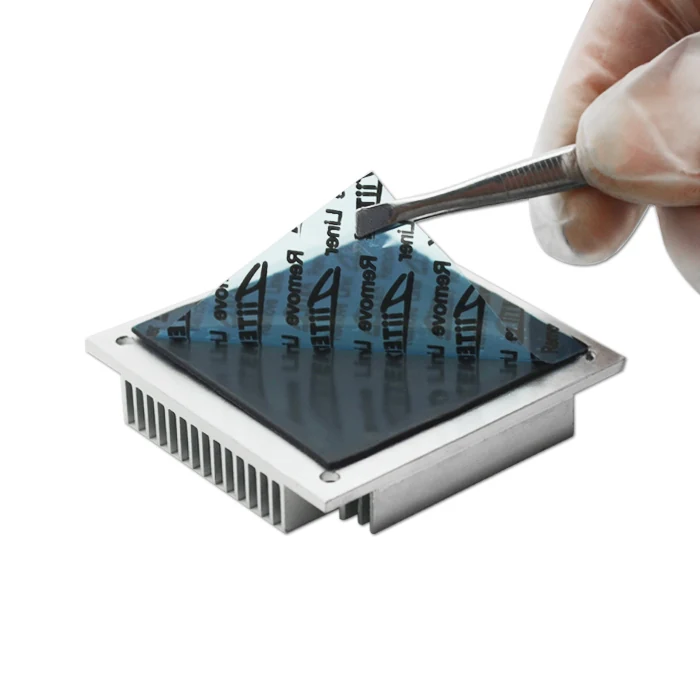 | TIF500-20-01U | 2 W/m·K | 27±5 | |
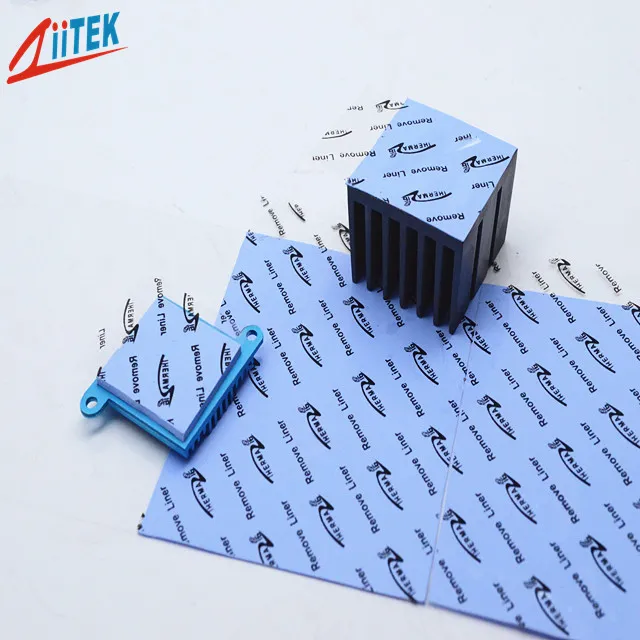 | TIF500-30-05U | 3 W/m·K | 27±5 | |
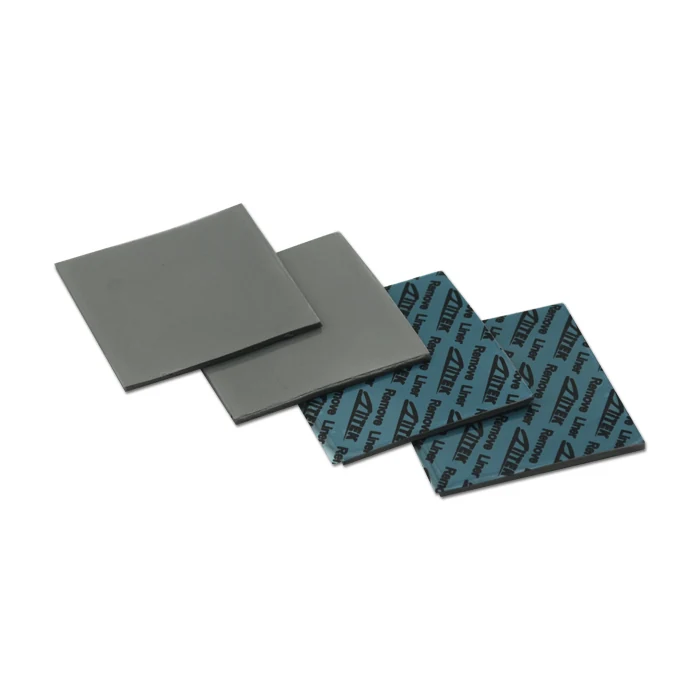 | TIF500-40-11S | 4 W/m·K | 45~65 | |
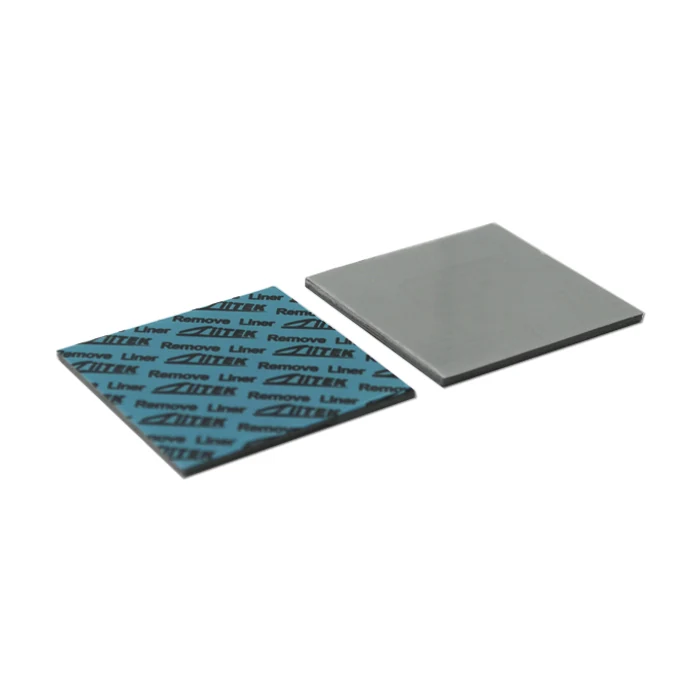 | TIF500-50-11ES | 5 W/m·K | 10 | |
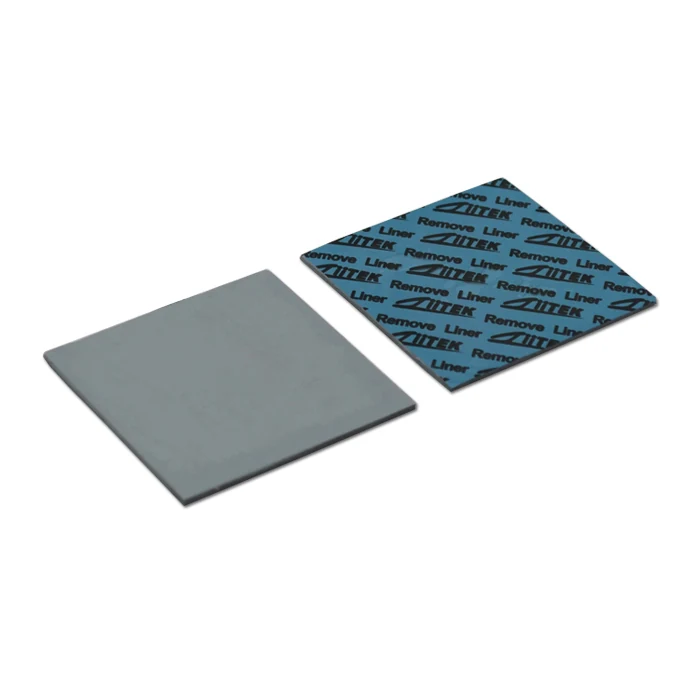 | TI500-65-11US | 6.5 W/m·K | 20~65 | |
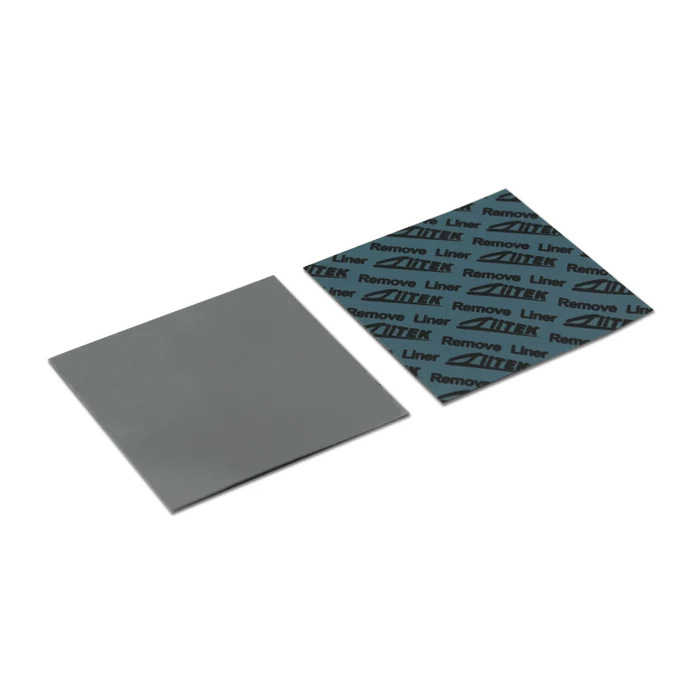 | TIF500-75-11US | 7.5 W/m·K | 20~50 | |
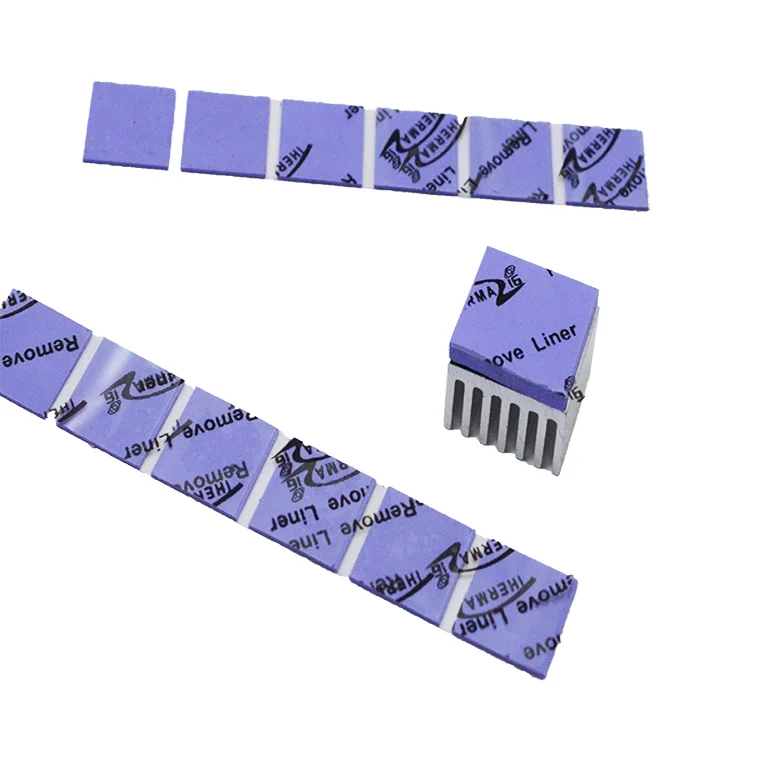 | TIF600 | 4.7 W/m·K | 45 Shore 00 | |
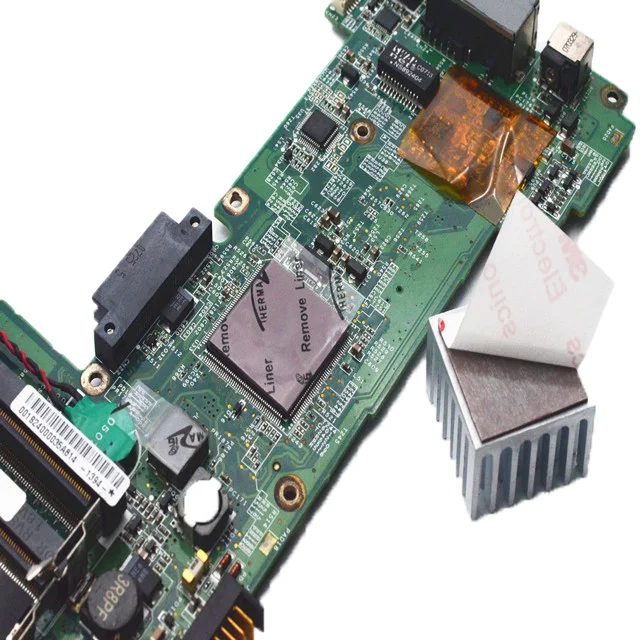 | TIF600GP | 6 W/m·K | 45 | |
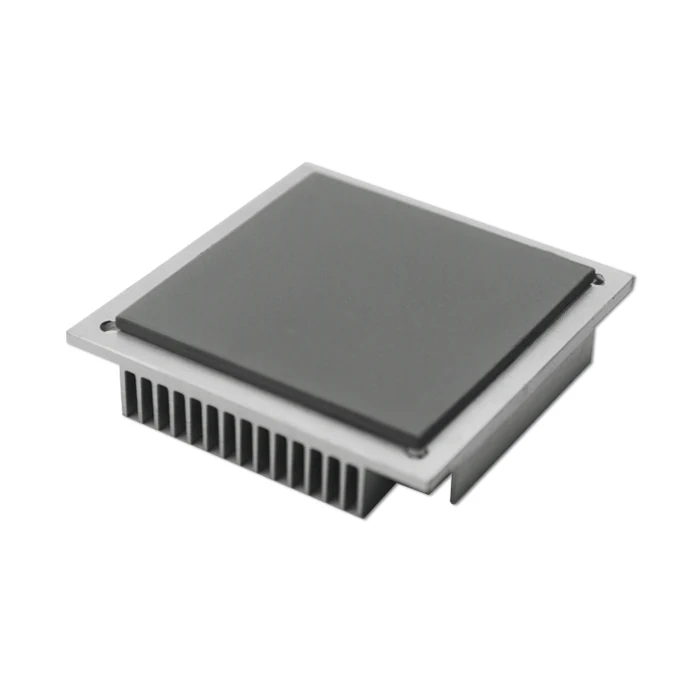 | TIF700M | 6 W/m·K | 50~60 | |
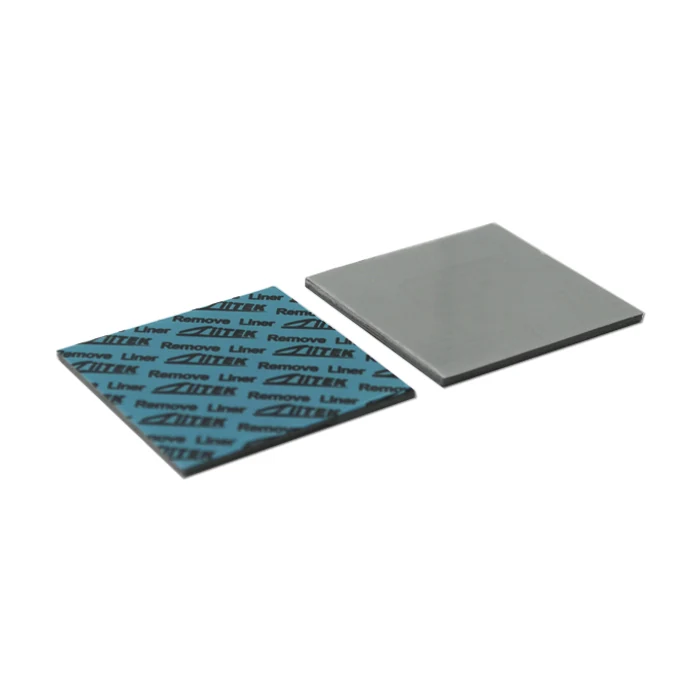 | TIF700NU | 6.5 W/m·K | 27~60 | |
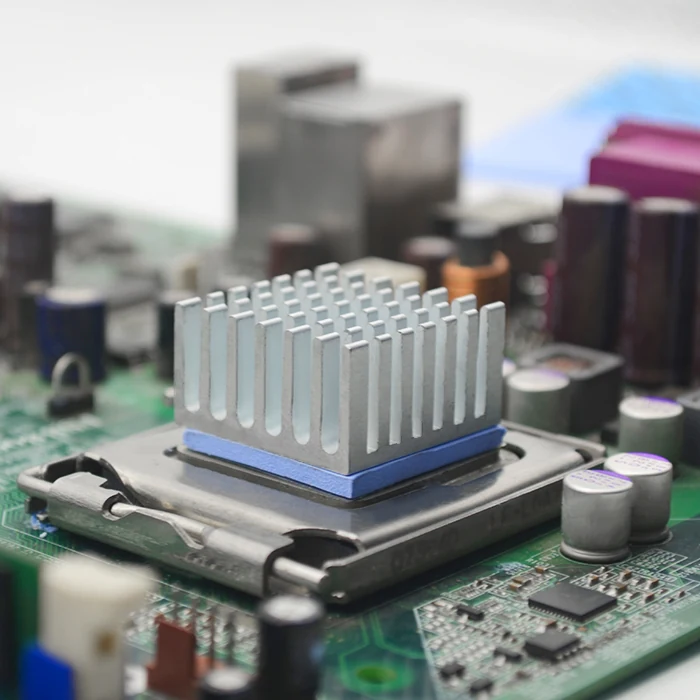 | TIF700HZ | 7 W/m·K | 45±5 (Thickness ≥1.0mm) / 55±5 (Thickness <1.0mm) | |
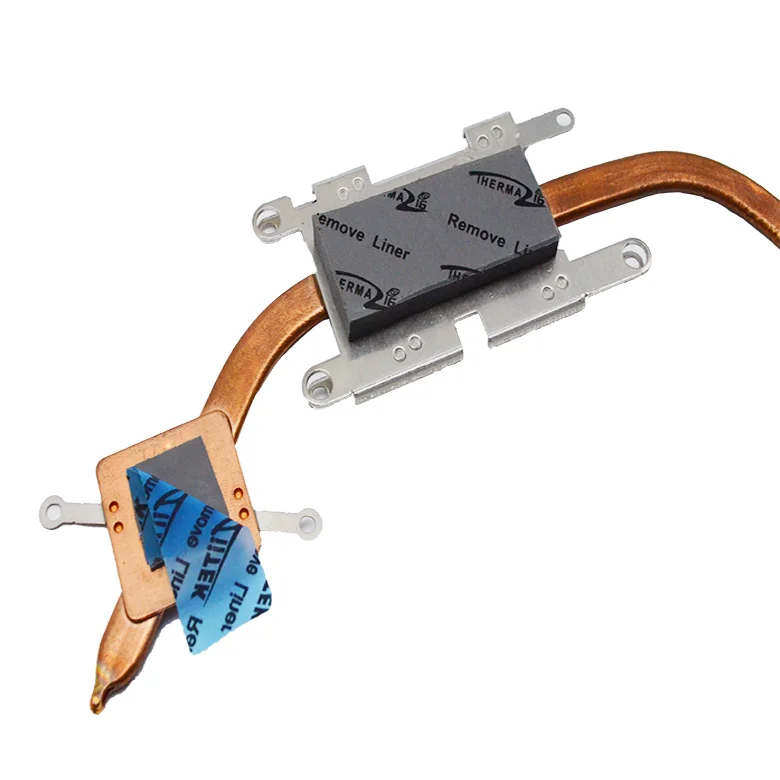 | TIF700HQ | 8 W/m·K | 45±5 (Thickness ≥1.0mm) / 55±5 (Thickness <1.0mm) | |
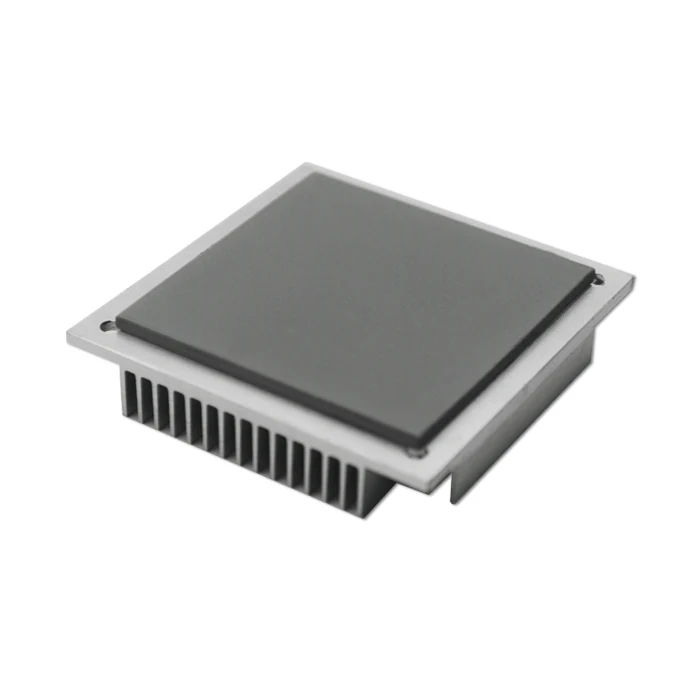 | TIF700RU | 8.5 W/m·K | ASTM D2240 25/10 | |
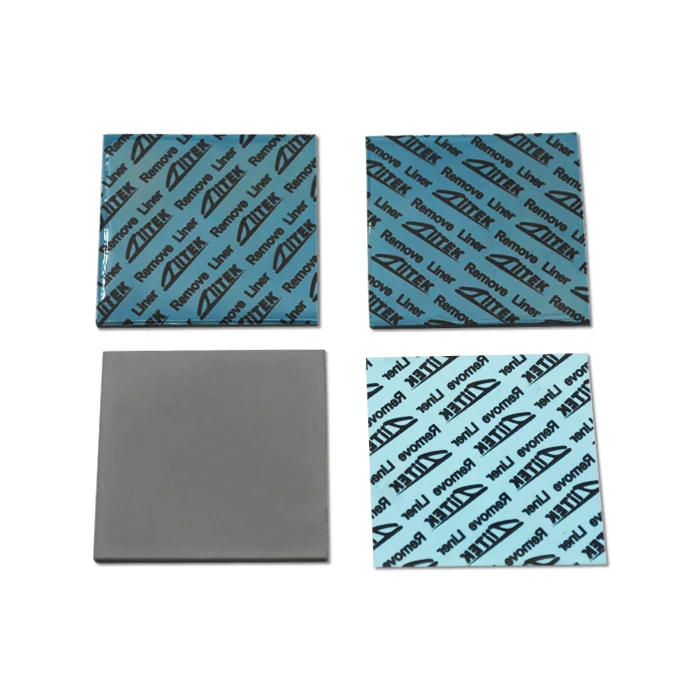 | TIF700UU | 10 W/m·K | ASTM D2240 30/10 | |
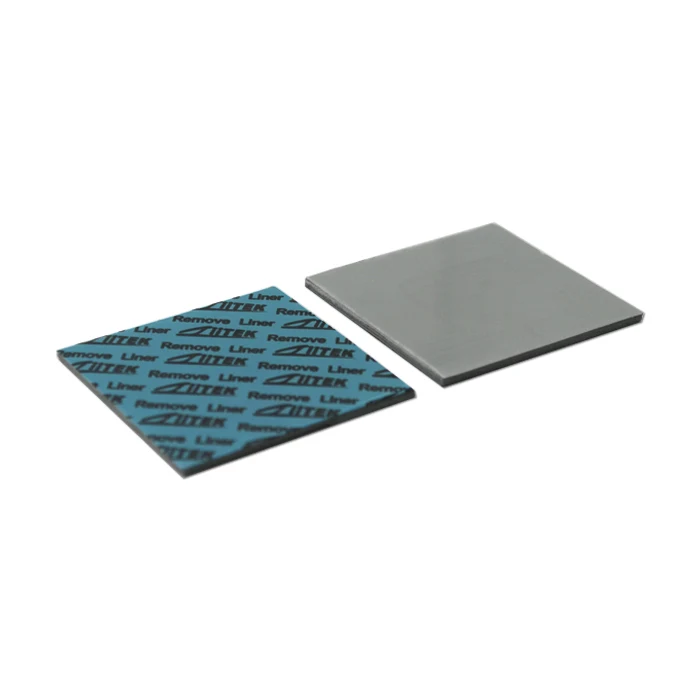 | TIF700PES | 7.5 W/m·K | 10~55 | |
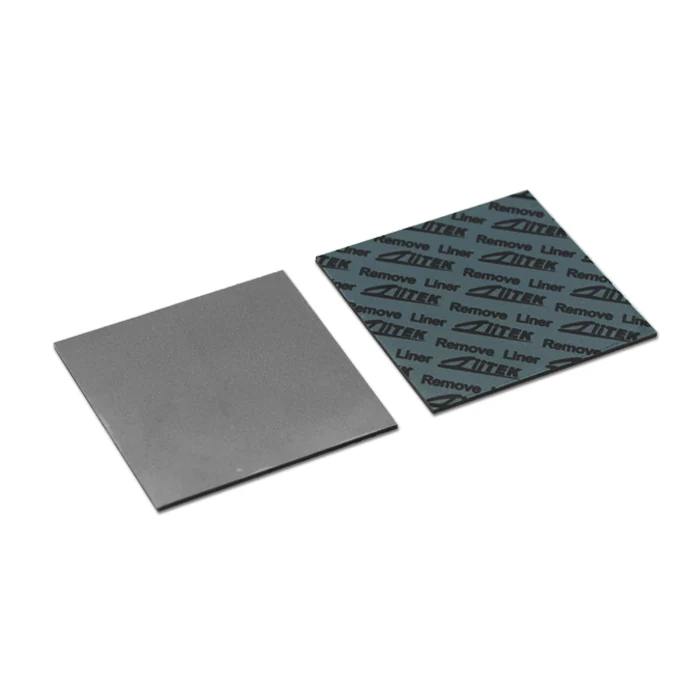 | TIF800 | 5 W/m·K | 45~65 | |
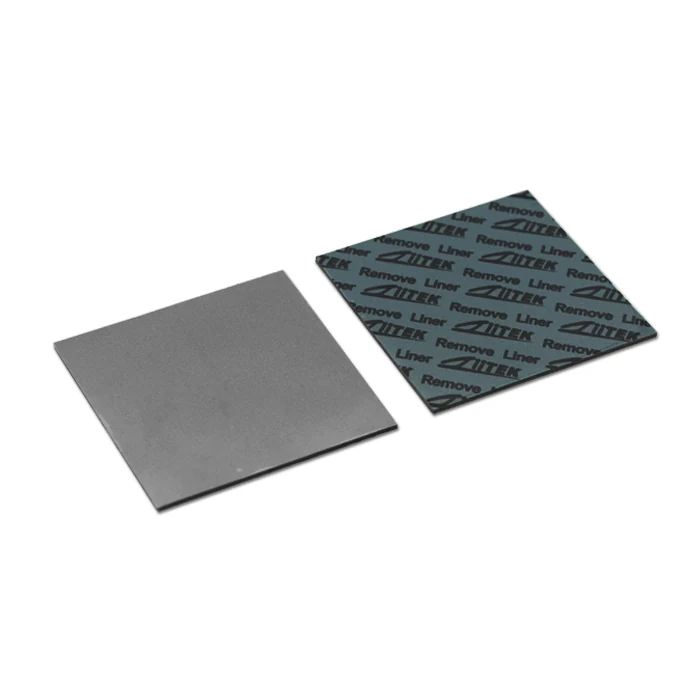 | TIF800Z | 11 W/m·K | 55 Shore00 | |
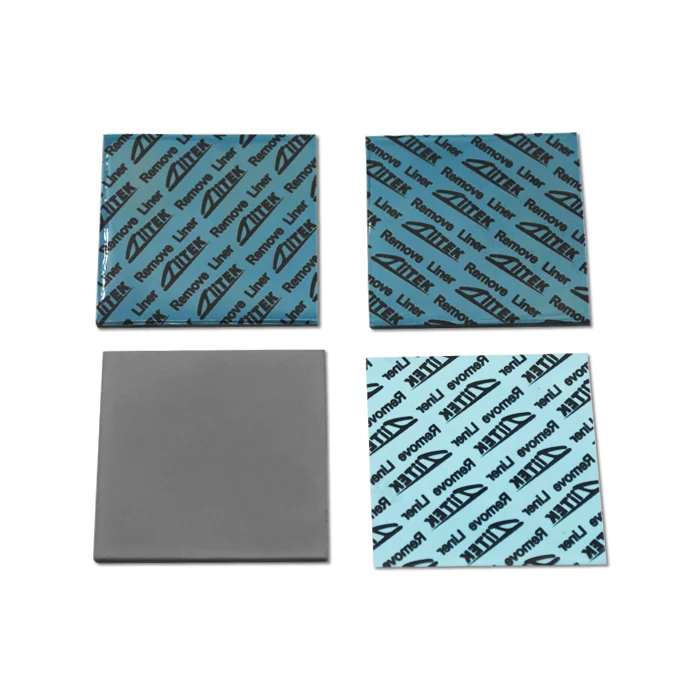 | TIF800QE | 13 W/m·K | 35~55 | |
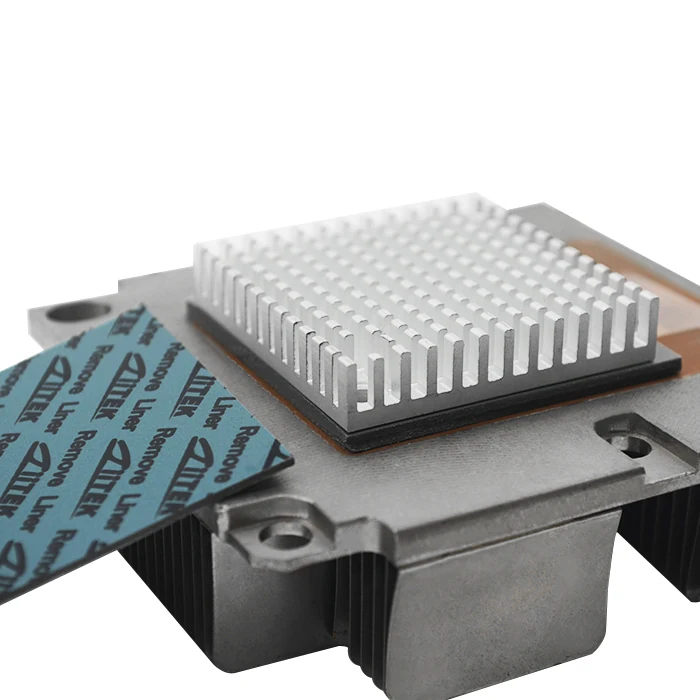 | TIF800SE | 15 W/m·K | 35 | |
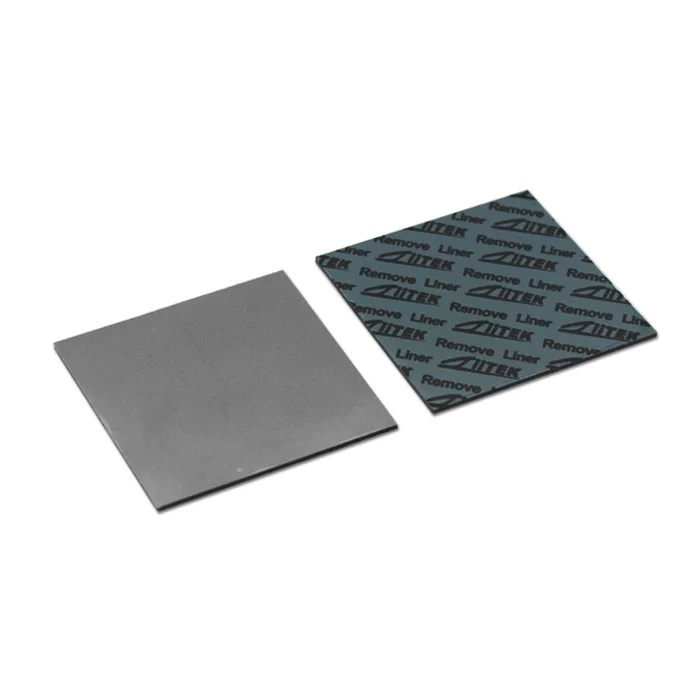 | TIF800TU | 16 W/m·K | ASTM D2240 25/10 |
- TIF700HZλ (W/m·K) 7 W/m·KHardness 45±5 (Thickness ≥1.0mm) / 55±5 (Thickness <1.0mm)
- TIF700HQλ (W/m·K) 8 W/m·KHardness 45±5 (Thickness ≥1.0mm) / 55±5 (Thickness <1.0mm)
Nominal λ values are catalogue grades — verify on your lot-specific datasheet or CoA before PPAP or field qualification.
Where silicone thermal pads fit
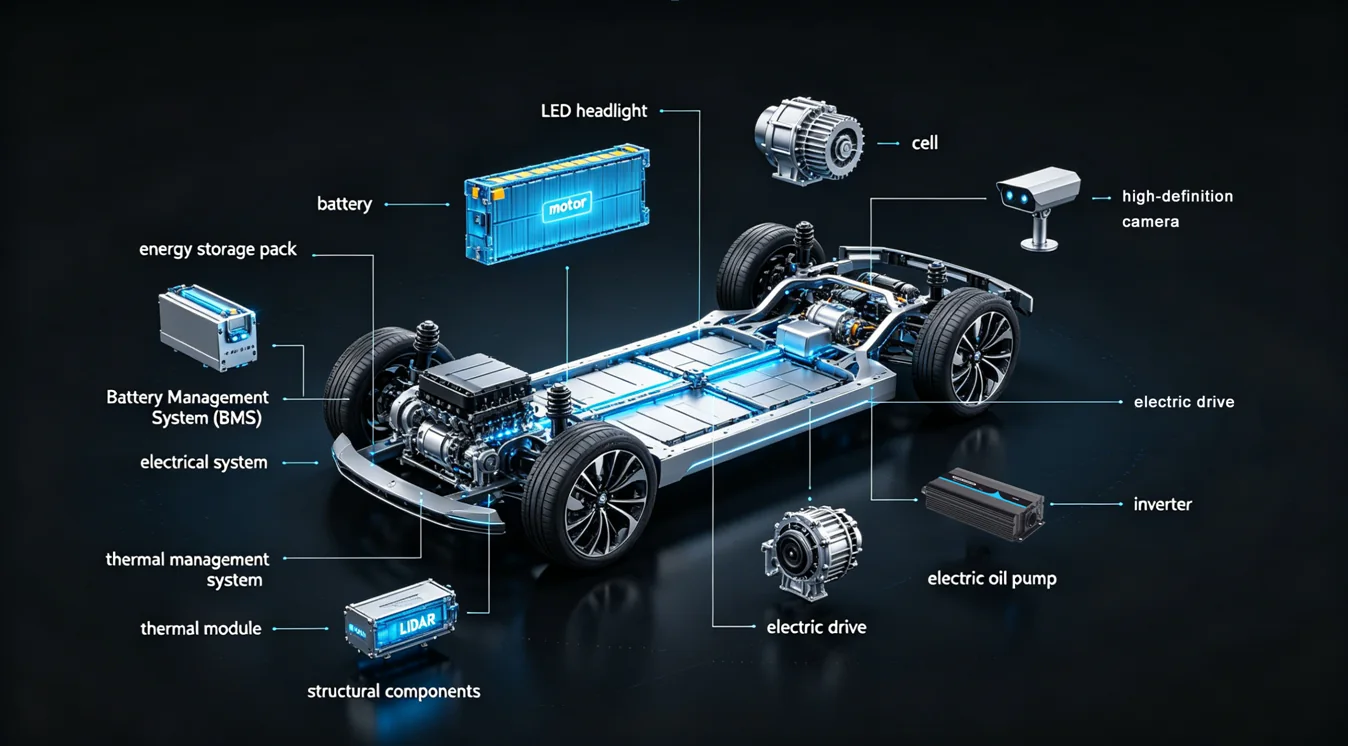
Silicone gap pads end up anywhere heat has to cross a rough or mixed-height interface—racks, traction hardware, radios, and the handheld products people live with every day. The tiles below are the conversations we have most often when TIF is on the BOM.

Typical specification window (silicone TIF)
| Parameter | Typical on TIF grades | Method |
|---|---|---|
| Thermal conductivity (nominal) | 1–16 W/m·K | ASTM D5470 |
| Thickness | 0.25 – 5.0 mm | ASTM D374 |
| Hardness (Shore 00) | 15 – 45 | ASTM D2240 |
| Compression @ 25 psi | 5 – 40% | Typ. fixture |
| Dielectric strength | ≥ 5 kV/mm | ASTM D149 |
| Volume resistivity | ≥ 1×10¹⁴ Ω·cm | ASTM D257 |
| Continuous-use temp. | −40 °C to 200 °C | UL746B |
| Flame rating | UL94 V-0 | UL 94 |
| Custom die-cut | Yes (±0.1 mm) | — |
* Representative grades across the TIF family. Request a lot-specific datasheet or CoA for your exact part number.
Thermal Pad — common questions
Need help shortlisting or cross-referencing? Talk to a Ziitek thermal engineer — 2-hour response SLA.
Talk to an engineerWhat is a thermal pad?
A thermal pad (also called a thermal gap pad or gap filler) is a pre-formed, compressible sheet of thermally conductive material placed between a heat source — a CPU, GPU, power transistor, or battery cell — and a heatsink or enclosure wall. It bridges surface irregularities and mixed bondline heights, replacing loose grease or paste in applications that need repeatable assembly, easy rework, and a dry part on the BOM. Ziitek TIF pads on this page are silicone-based, with a published nominal conductivity span of about 1–16 W/m·K across the family.
Can I cut a thermal pad to size myself?
Yes — TIF silicone pads can be cut with a sharp craft knife or die-press to simple rectangular shapes for prototype work. For production, Ziitek's tool room die-cuts pads to any 2-D outline (L-shapes, holes, pick-and-place tabs) at ±0.1 mm tolerance. Send a DXF or STEP drawing; sample parts typically ship within five working days.
Where do I download the datasheet for each model?
Every row in the table below opens an English PDF on this site (39 silicone TIF models covered). λ and colour notes in the table are nominal values — use the PDF for tolerance tables, hardness, flame data, and sheet sizes.
What is the thermal conductivity of these thermal pads?
All models on this page are silicone-matrix TIF pads. Nominal through-plane conductivity spans about 1–16 W/m·K across the published grades — choose the grade to match heat flux, clamp pressure, and gap height.
What is the difference between a thermal pad and a thermal gap pad?
They describe the same product class: a compressible, pre-formed sheet between a heat source and sink. "Gap pad" stresses conforming to uneven surfaces and bridging gaps up to several millimetres — the design intent of the TIF range.
Can you die-cut pads to our outline?
Yes. We die-cut to 2-D profiles including L-shapes, holes, and tabs — typical tolerance ±0.1 mm on production tools. Send a drawing or STEP file; tooling lead times are quoted per project.
When should I use a thermal pad instead of thermal grease?
Use a pad when you want repeatable assembly, reworkability, clean handling, or a dry line item on the BOM. Grease can win at ultra-thin bondlines; pads suit DIMM gaps, SSD controllers, battery interfaces, and power stages where squeeze height varies.
Is TIF silicone-free?
No — TIF is silicone-based. For silicone-sensitive optics or sensors, ask about our non-silicone gap-pad options (see Related categories).
Adjacent thermal management lines

Your next thermal solution starts here.
From rapid prototyping to full-scale production — our engineers are ready to design a custom thermal solution for your application. Trusted by 7,000+ clients across EV, 5G, and consumer electronics.