Epoxy potting compound
Two-component room-temperature-cure thermally conductive epoxy for permanent encapsulation of PCBs, power modules, sensors and EV battery packs. Through-plane conductivity 1.2–2.5 W/m·K across 3 TIE280-AB grades — 1:1 mix ratio, rigid post-cure (Shore D 70+), and IP67-class moisture and chemical isolation in a single pour.
3
Qualités TIE280-AB
1.2–2.5 W/m·K
Conductivité thermique (λ)
1 : 1
Rapport de mélange (en poids)
RT 24 h / 70 °C 3 h
Cycle de polymérisation
Shore D 70+
Post-polymérisation rigide
Préparation à la sélection
Commencez par l’empilage, pas par le nom du produit.
Une présélection utile commence par le chemin thermique et les contraintes d’assemblage. Ces informations permettent à Ziitek de cibler les grades et documents pertinents.
Interface et géométrie
Indiquez la surface de contact, l’entrefer ou l’épaisseur de liaison visée, ainsi que l’état des surfaces.
Objectif thermique
Ajoutez la puissance ou le flux thermique, l’élévation de température admissible et les contraintes de refroidissement.
Électrique et production
Précisez l’isolation, la conformité, l’assemblage, la reprise et les volumes prévus.
Toutes les qualités de Epoxy potting compounds dans un seul tableau
Les 3 références de epoxy potting compounds avec conductivité thermique (W/m·K), notes de couleur et fiches techniques PDF. Cliquez sur le nom d'un modèle avec un lien pour obtenir les spécifications complètes, les photos et les conseils d'application.
| Photo | Modèle | λ (W/m·K) | Dureté | PDF et étape suivante |
|---|---|---|---|---|
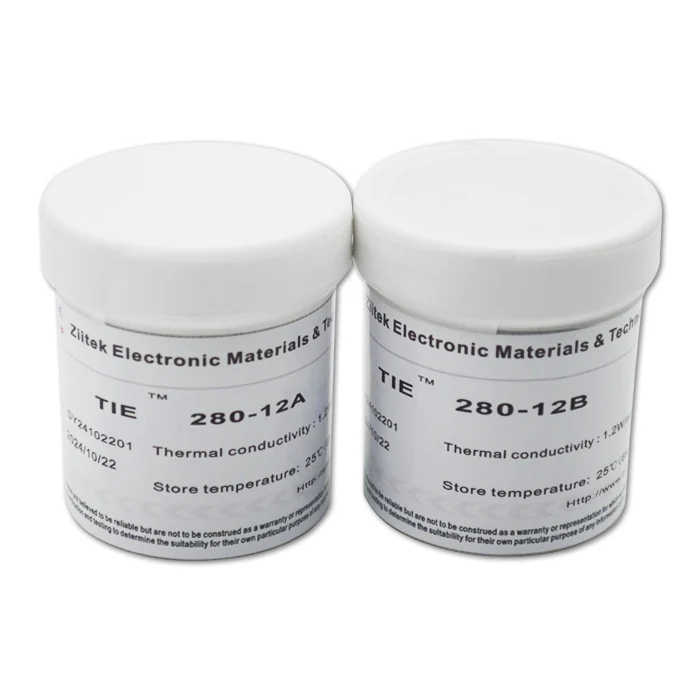 | TIE280-12AB | 1.2 W/m·K | 85 Shore D | |
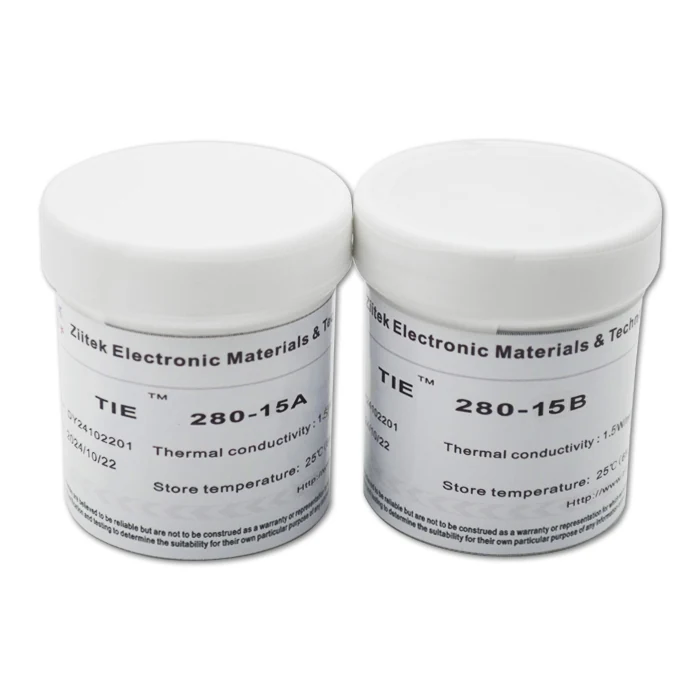 | TIE280-15AB | 1.5 W/m·K | 75 Shore D | |
 | TIE280-25AB | 2.5 W/m·K | 85 Shore D |
Domaines d'application de l'enrobage époxy
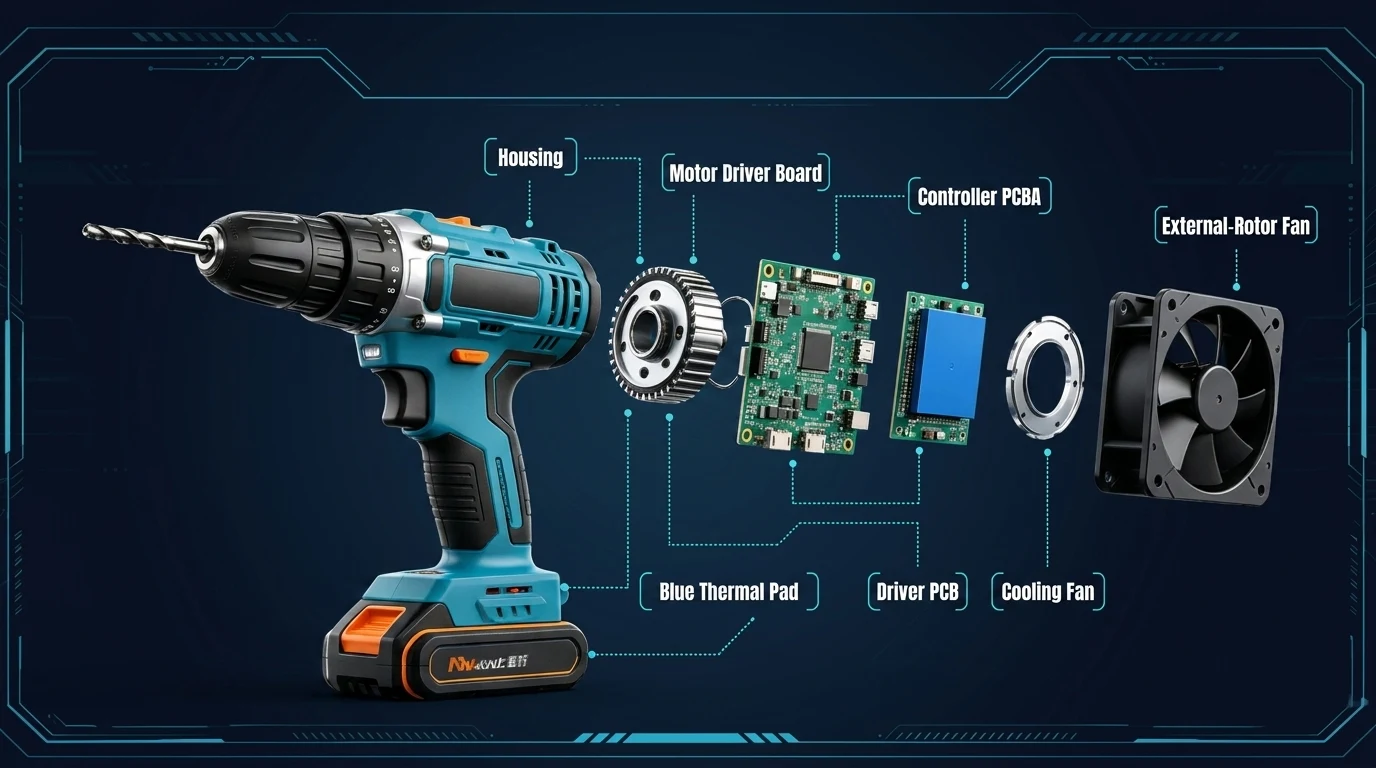
Variateurs · IGBT · contrôleurs · capteurs
Outils électriques et systèmes de commande
Commandes industrielles, entraînements de moteur, étages de puissance IGBT et modules robustes — interfaces thermiques, étanchéité et enrobage conçus pour des assemblages maintenables et des environnements difficiles.
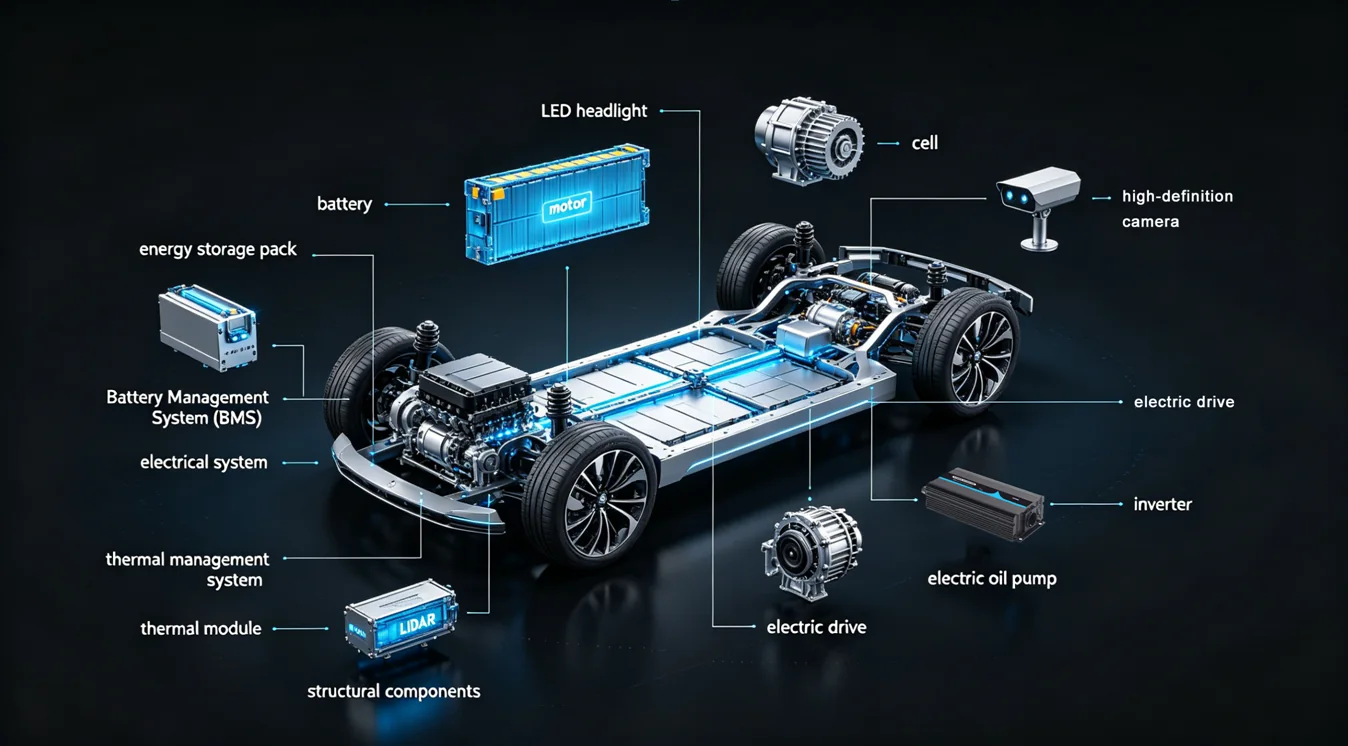
Packs VE · OBC · Onduleurs · BMS
Énergies nouvelles
Modules de batterie de VE, onduleurs de traction, chargeurs embarqués et conversion d'énergie renouvelable — gestion thermique pour les charges cycliques à courant élevé avec des exigences d'isolation HV.
Plage de spécifications typique (enrobage époxy)
| Paramètre | Plage typique / note | Méthode |
|---|---|---|
| Conductivité thermique | Époxy chargé — gamme de grades | ASTM D5470 |
| Rapport de mélange et durcissement | A:B + programme de polymérisation | DSC / exothermie |
| Transition vitreuse Tg | Systèmes rigides — options à Tg élevée | DMA |
| CTE vs substrat | Correspond aux barres omnibus Cu / Al dans les applications critiques | TMA |
| Rigidité diélectrique | kV/mm — spécifique à l'épaisseur | ASTM D149 |
| Dureté / module | Encapsulant rigide | Shore D |
| Température de fonctionnement | Ambiante de classe moteur + élévation interne | UL746B |
| Inflammabilité UL | Dépend du système — à valider | UL94 |
| Retouche | Généralement plus dur que le silicone | — |
Epoxy potting compounds — questions fréquentes
Besoin d'aide pour présélectionner ou trouver une équivalence ? Contactez un ingénieur thermicien Ziitek — SLA de réponse en 2 heures.
Parler à un ingénieurEpoxy vs silicone potting — which family is right?
How is a 1:1 two-component epoxy applied in production?
Will the cured epoxy crack under thermal cycling?
Can I cure faster than the listed RT 24 h schedule?
Is TIE280 RoHS / REACH / UL-94 compliant?
How does this compare to TIE380 thermal epoxy adhesive?
Autres gammes de gestion thermique
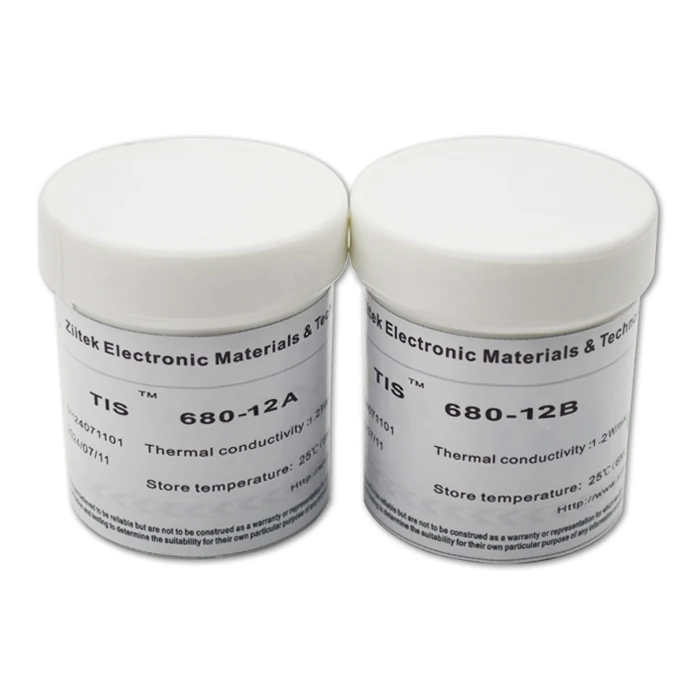
TIG / TIS 680
Résine d'enrobage silicone
Alternative élastique souple — meilleur cyclage thermique, facilité de reprise, température de service plus élevée. À choisir pour les applications soumises à de fortes vibrations ou à des cycles étendus.
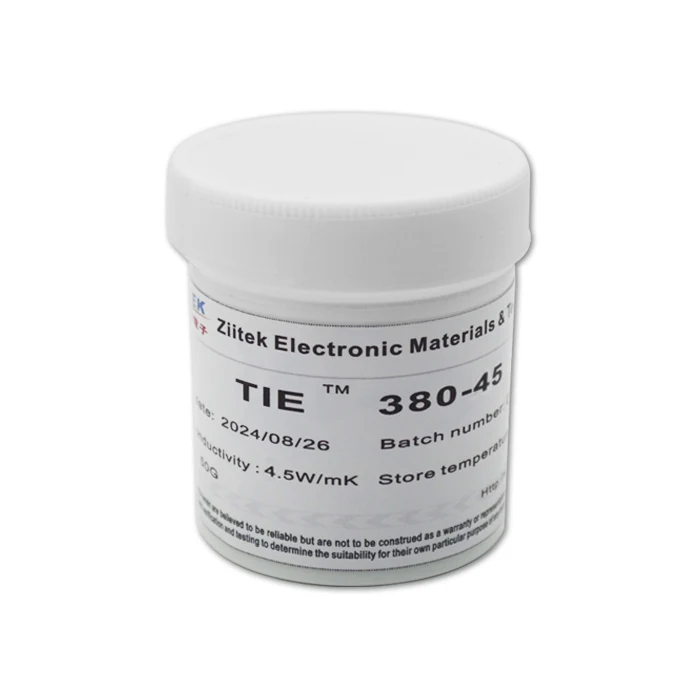
TIE380
Adhésif époxy thermique
Adhésif structural mono-composant thermodurcissable — viscosité de pâte pour joints de collage fins, non pour un remplissage en masse.
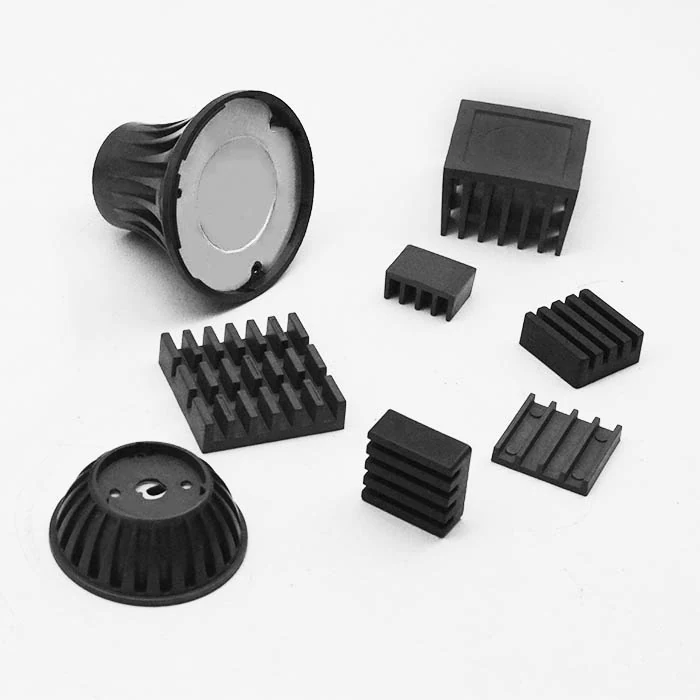
TCP
Plastique thermoconducteur
Thermoplastique moulable par injection — remplacez l'aluminium usiné par un boîtier conducteur à géométrie complexe.
Échantillon
Contactez notre service d'ingénierie
Limites de profondeur de coulée, tolérances du rapport de mélange, processus de dégazage sous vide ou rapports de test UL ? Réponse en 2 heures.
Votre prochaine solution thermique commence ici.
Du prototypage rapide à la production à grande échelle, nos ingénieurs sont prêts à concevoir une solution thermique sur mesure pour votre application. Approuvé par plus de 7 000 clients dans les secteurs des véhicules électriques, de la 5G et de l'électronique grand public.