

Cross-Reference
How to Find a Drop-in Replacement Thermal Pad
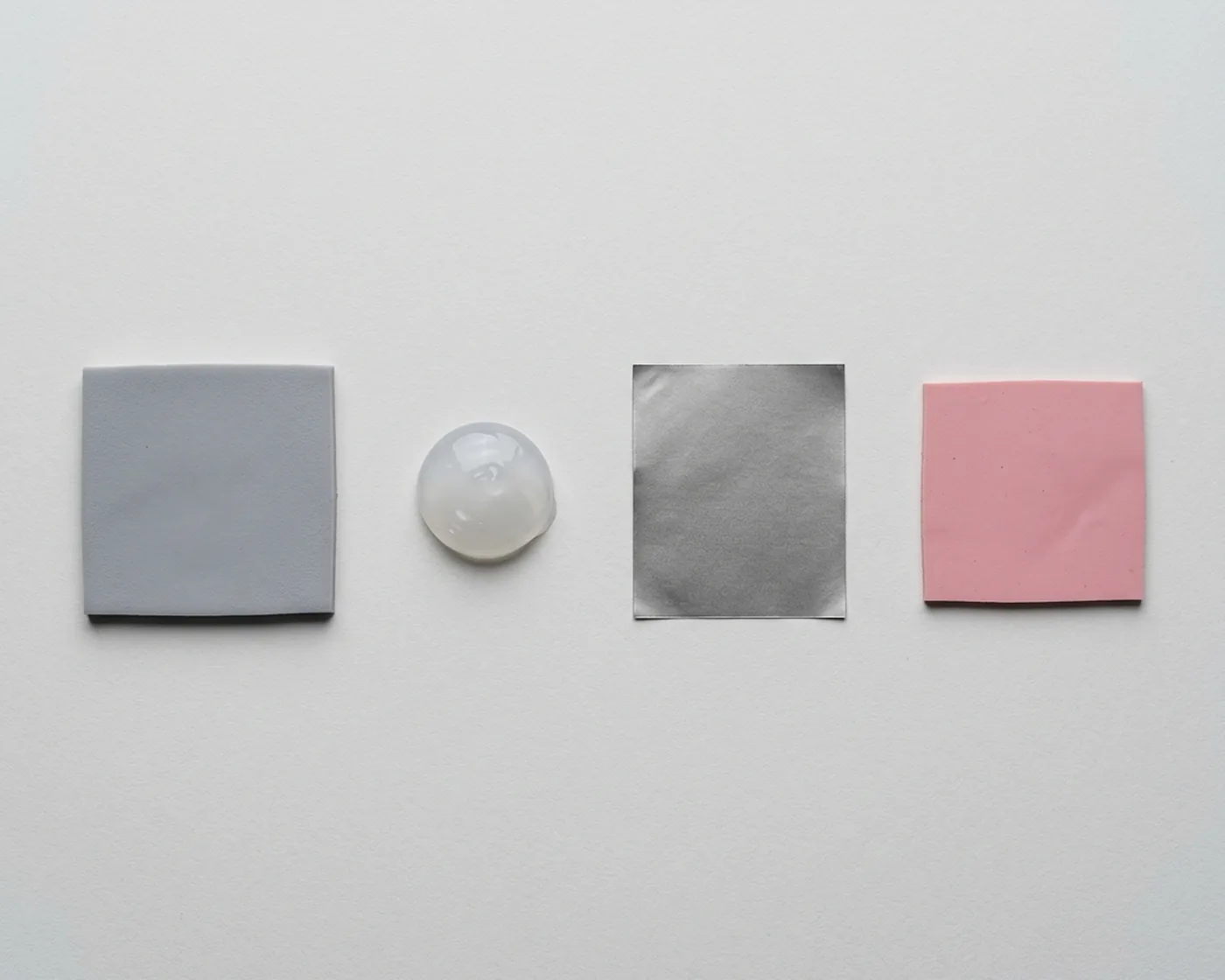
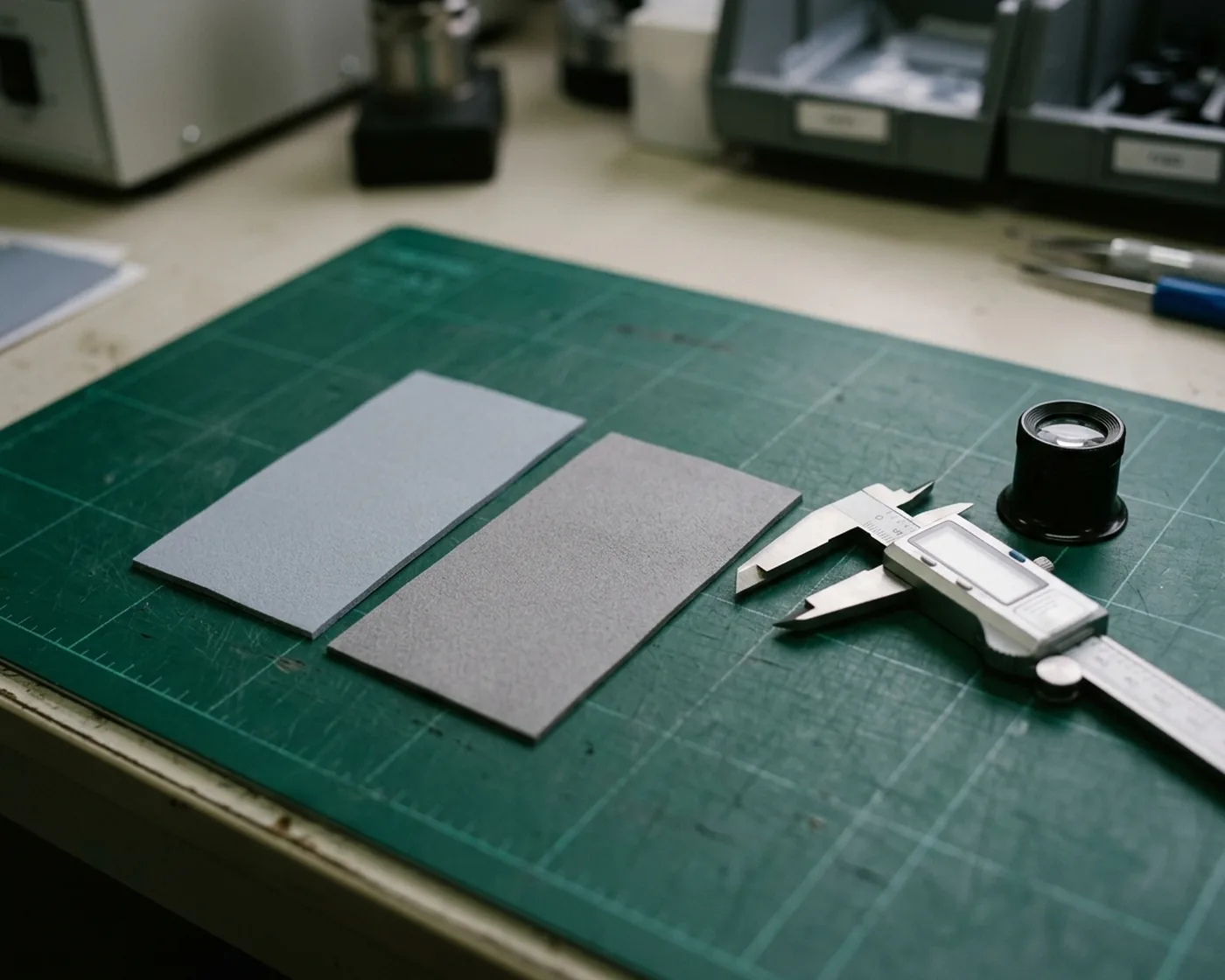
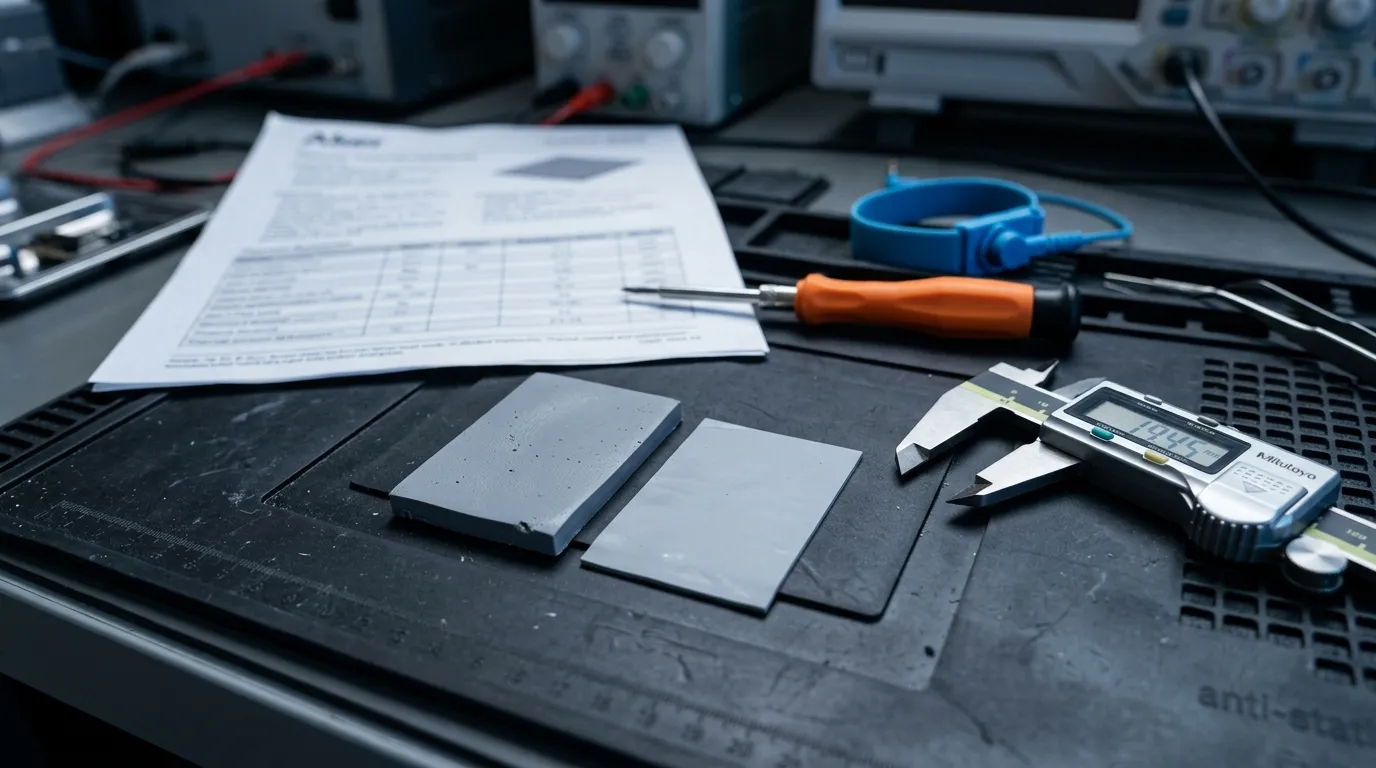
How to find a drop-in replacement thermal pad: match W/mK, Shore 00 hardness, thickness, size and temperature range, and swap TIM brands without re-qualifying.

ZIITEK Knowledge Hub
Selection guides, comparisons and compliance references for thermal interface, sealing, EMI-absorbing and heating materials — grounded in real datasheets and real designs.
Browse by Topic
Every topic below opens onto a hub of guides — pick whichever route matches the question you arrived with.
Which material fits the job — and how to read the spec sheet before you commit.
Thermal design worked through end to end, per industry and per board.
Drop-in replacements, compliance evidence and converting — from spec to purchase order.
Fresh from the Bench
How to find a drop-in replacement thermal pad: match W/mK, Shore 00 hardness, thickness, size and temperature range, and swap TIM brands without re-qualifying.
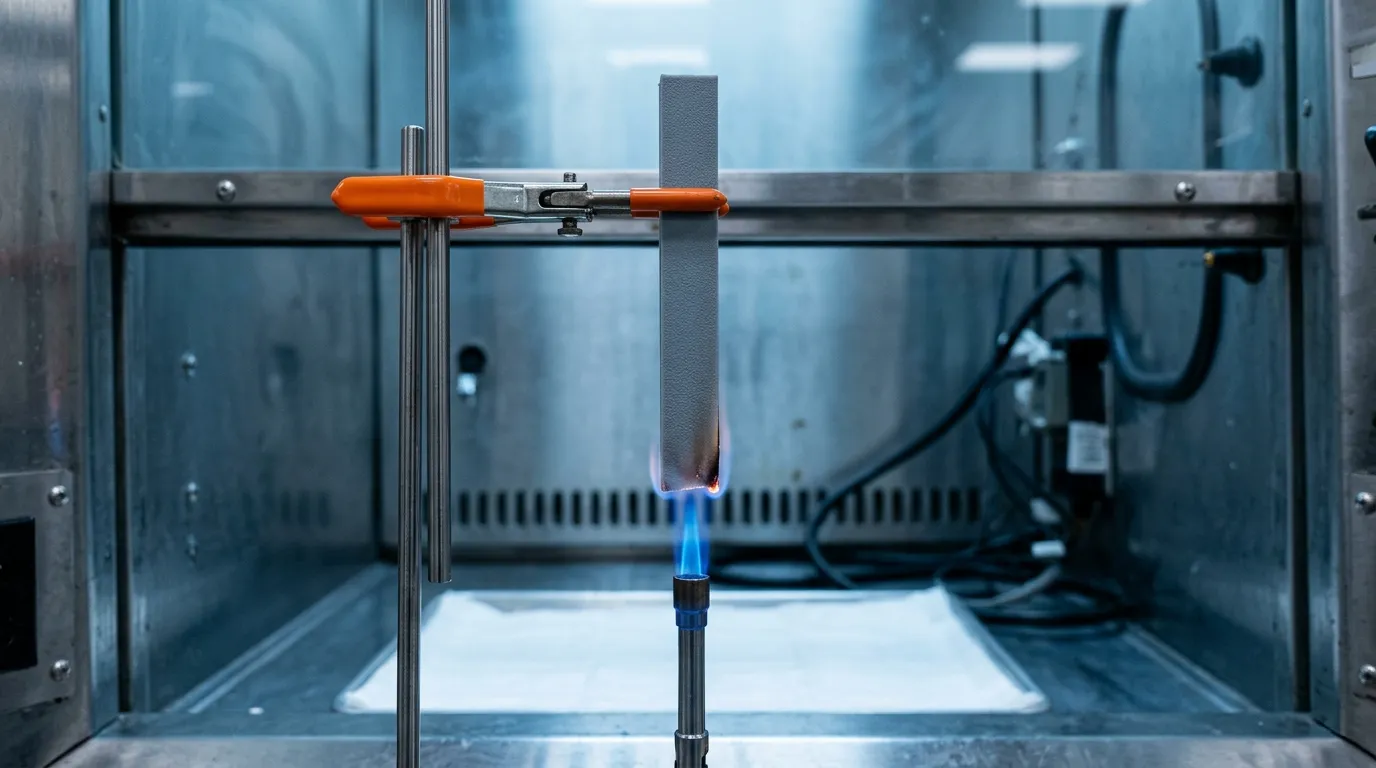
V-0 and VTM-0 are two different UL 94 burn tests, not two safety tiers. Learn how each is run and which flame rating your thermal pad or gap filler needs.
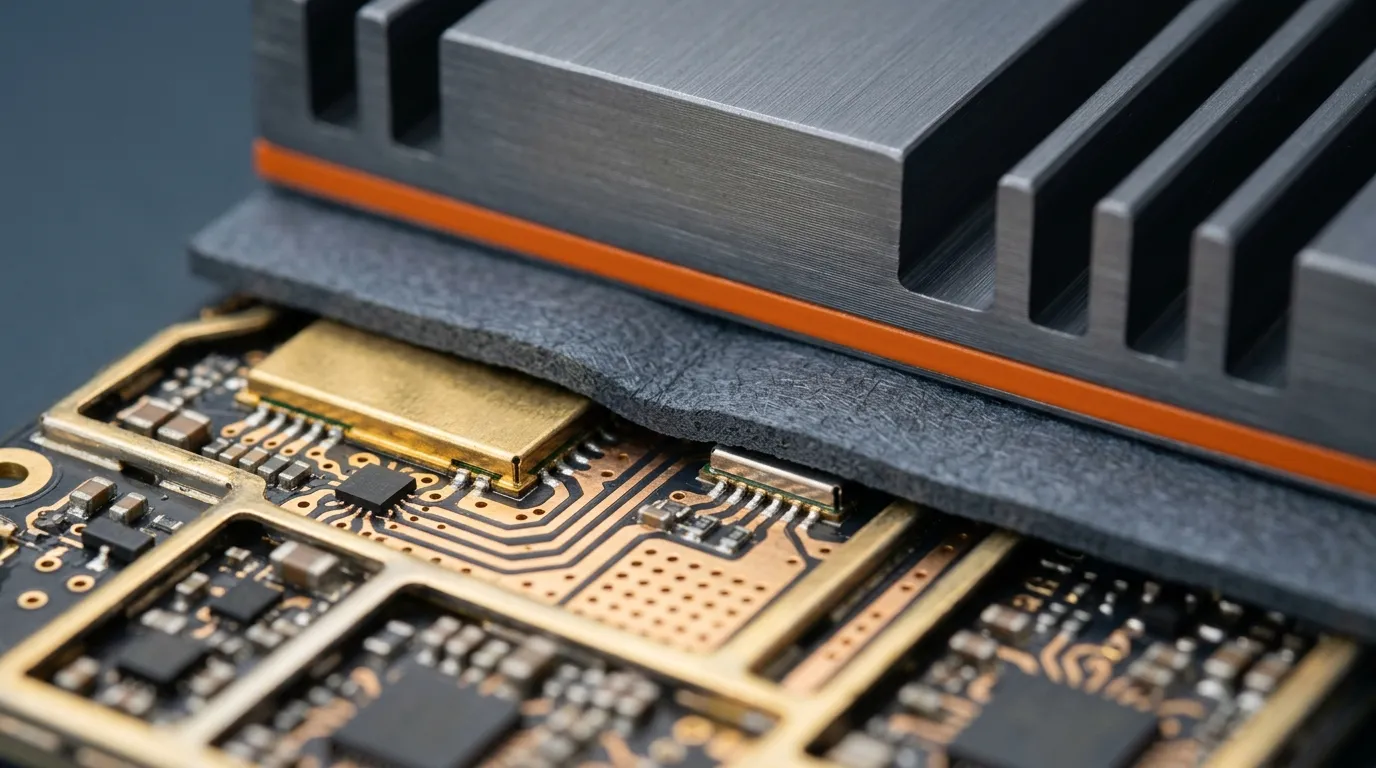
Thermal conductive + EMI absorbing materials solve board-level heat and noise with one pad. Learn how they work, the specs that matter, and how to choose.
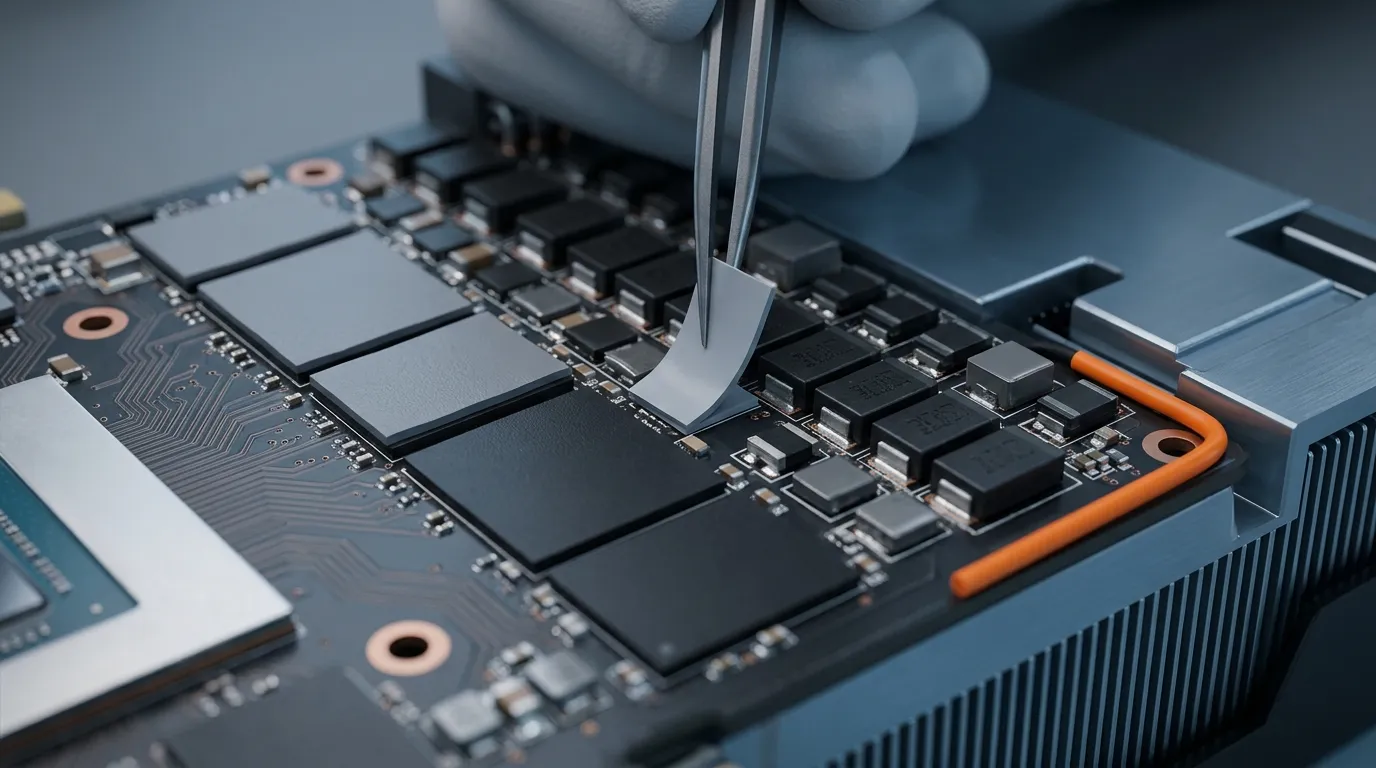
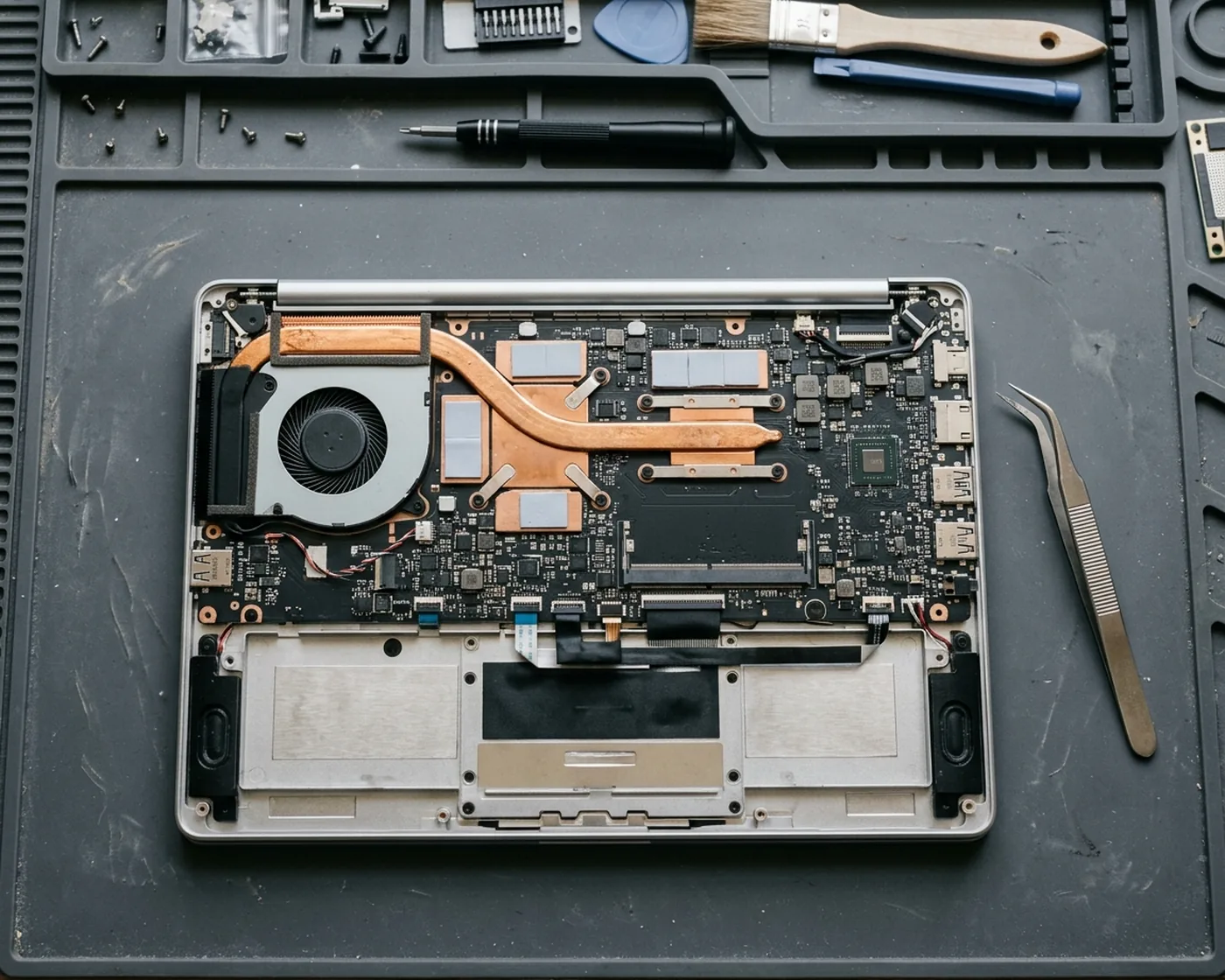
Choosing a thermal pad for GPU cooling comes down to thickness, W/m·K, and hardness. Measure the old pad, match the heat load, and pick the right material.
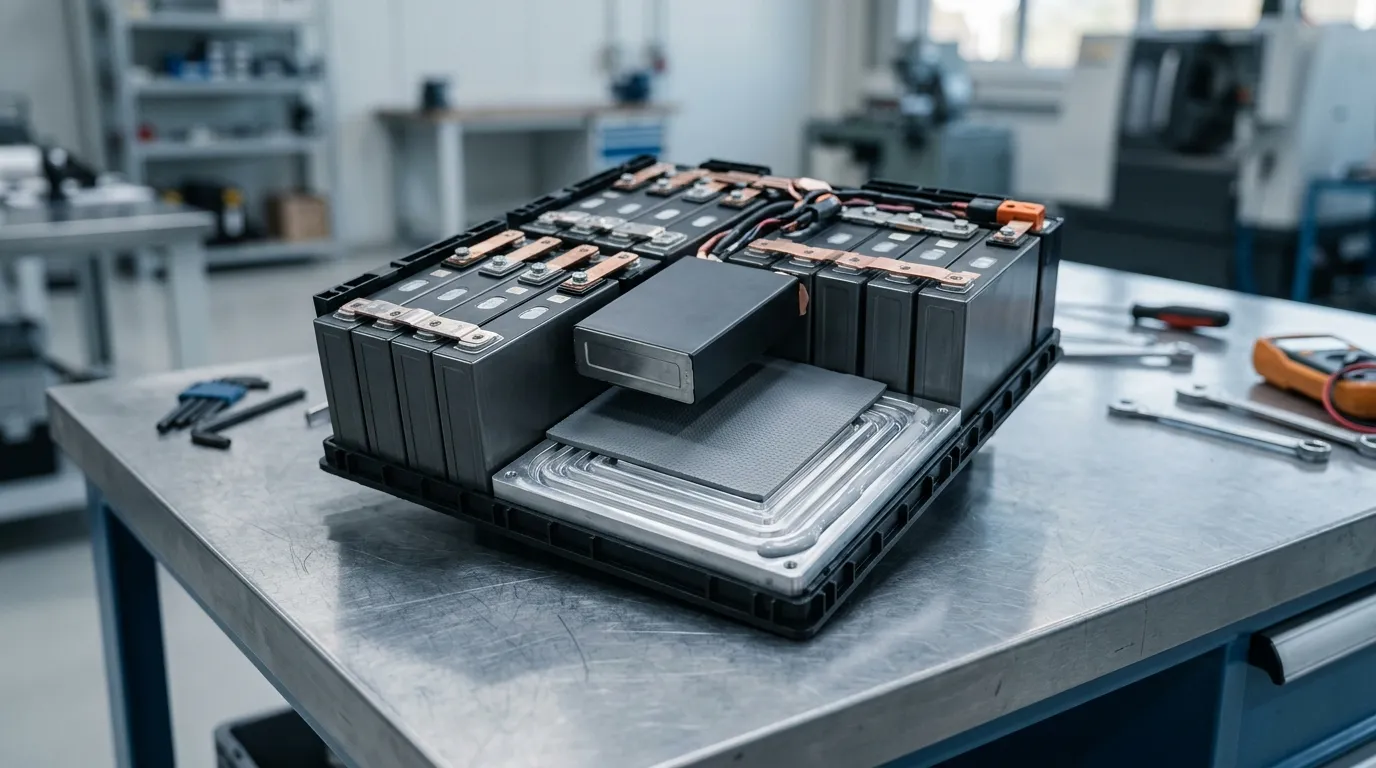
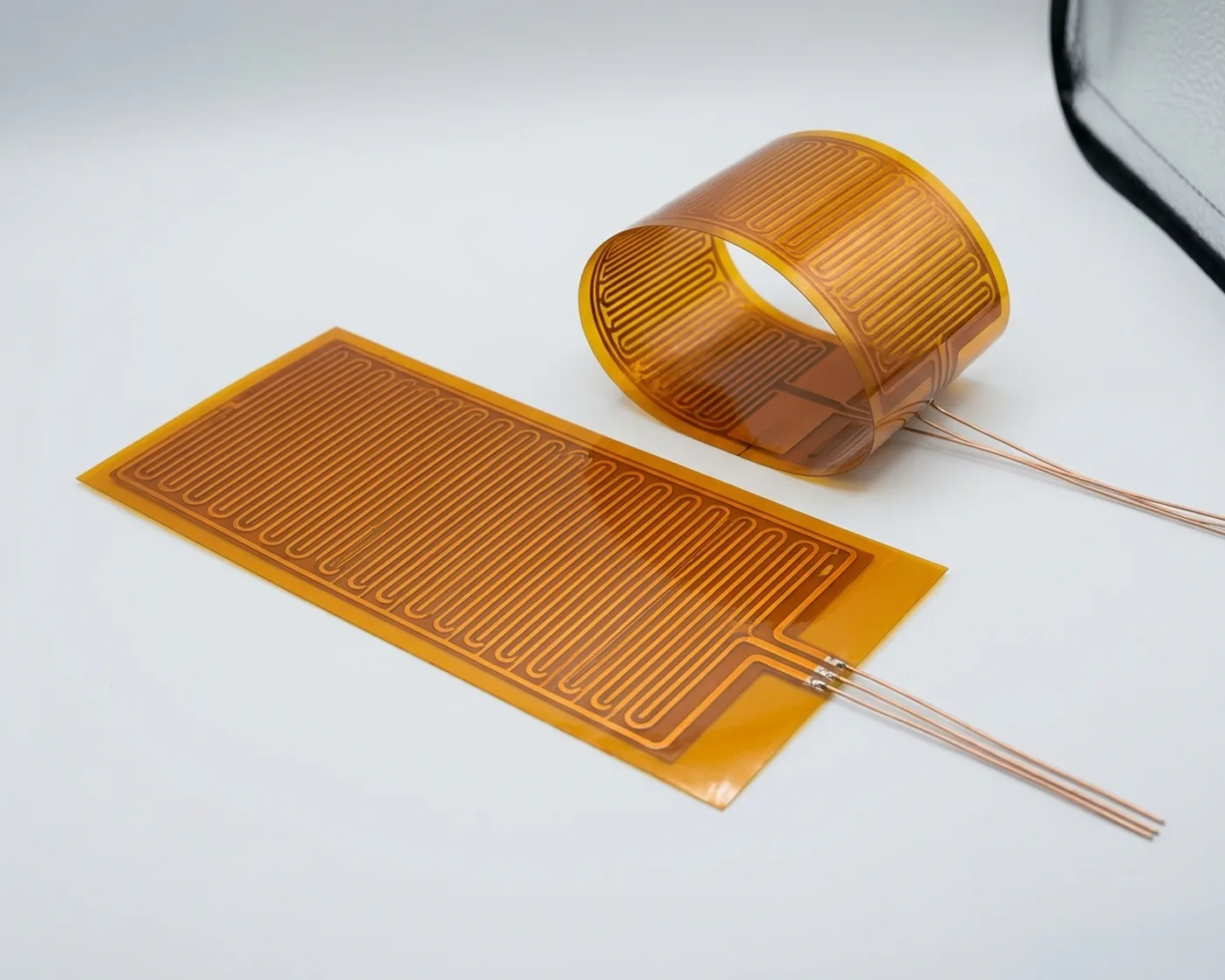
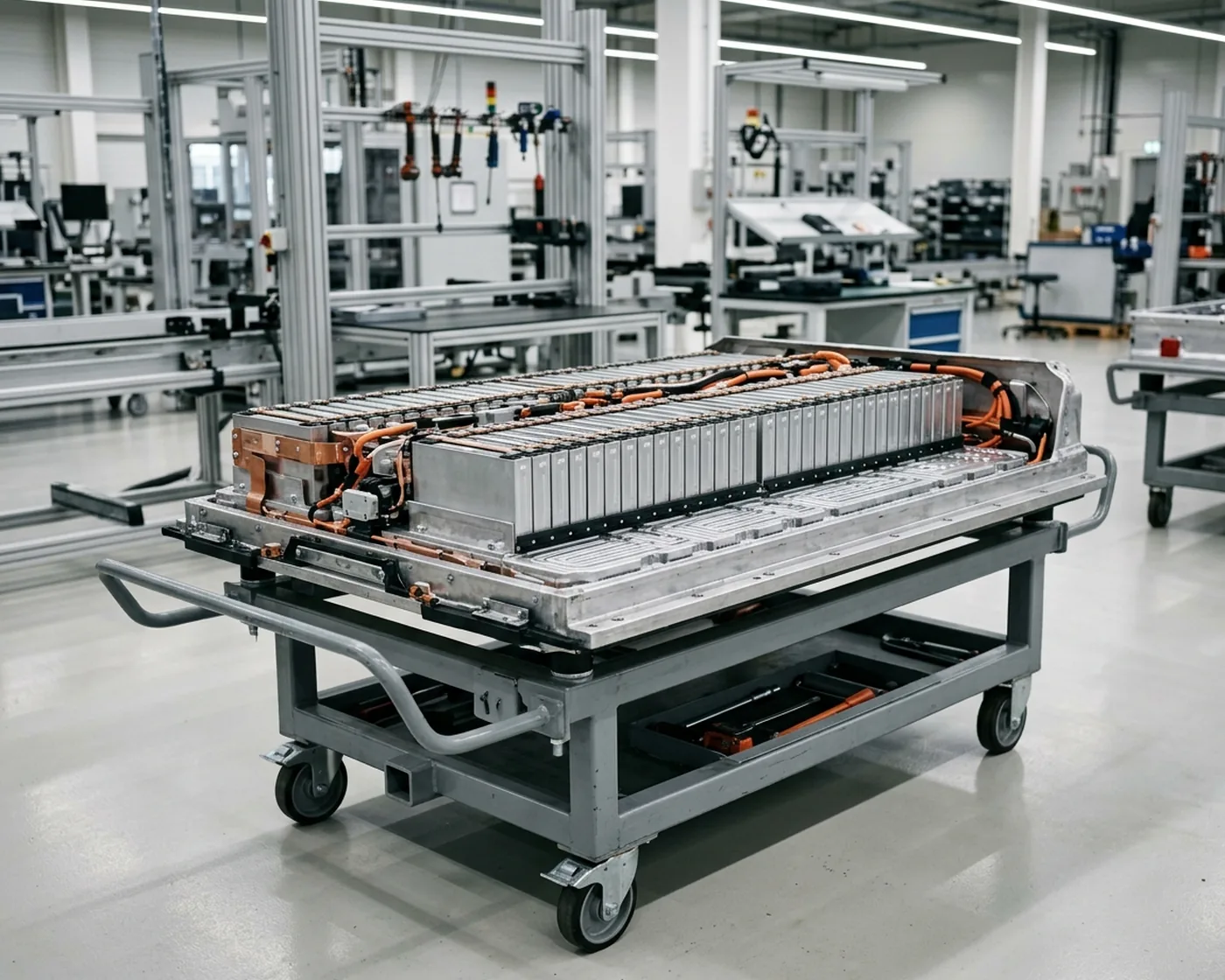
How to choose EV battery pack thermal management materials: thermal pads, gap fillers, PCMs, foams and heating films — zone by zone, with selection criteria.
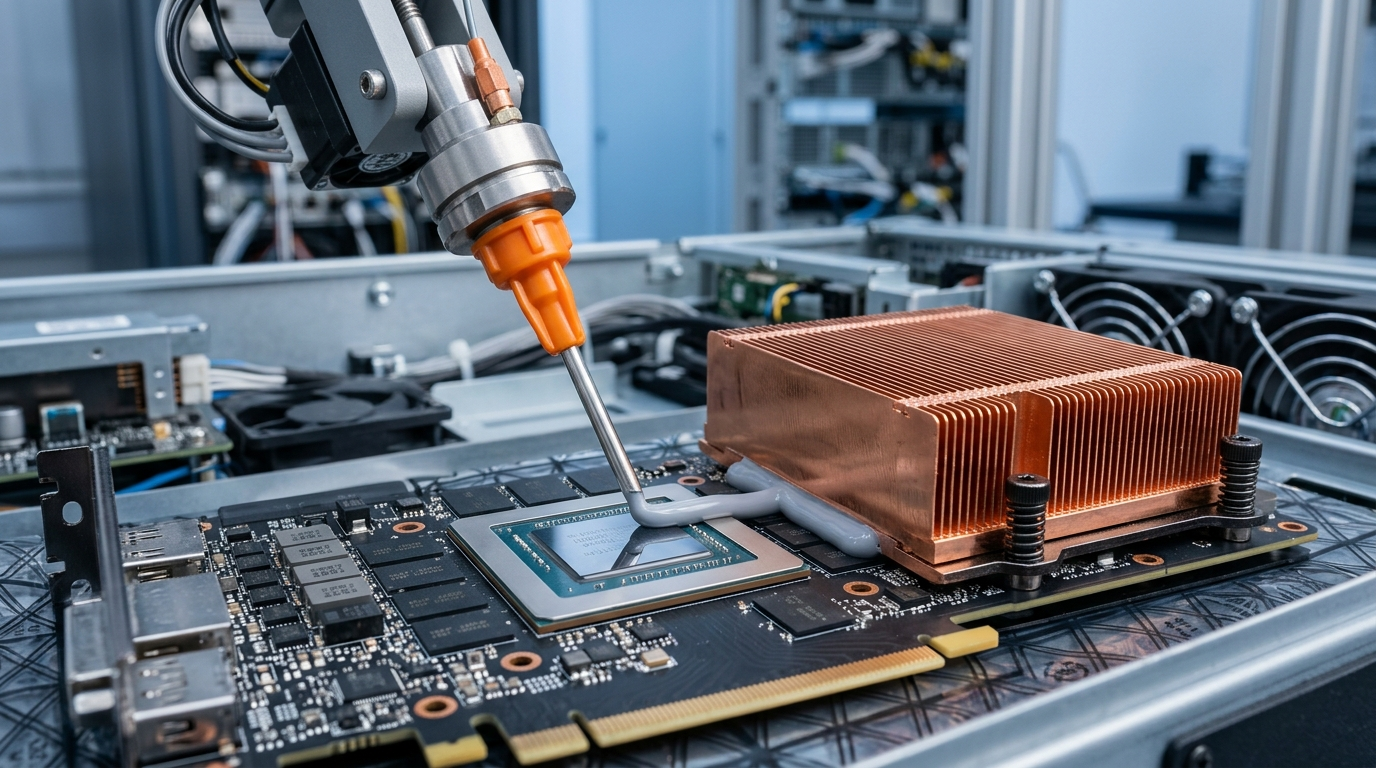
AI servers need a thermal gap filler that matches gap height, bond line and dispensing. Compare gap pads vs gel, six specs, and a five-step selection workflow.
Send us the brand and model you're replacing, or your gap, wattage and footprint — our engineers will match a ZIITEK material.