Thermal silicone adhesive
Single-component RTV silicone adhesive that bonds and conducts heat in one step — no mixing, no oven, just dispense and the moisture in air takes care of cure. Through-plane conductivity 1.0–2.5 W/m·K across 5 TIS580 grades, with the entry 1.0 W/m·K band for general electronics and the high-λ 2.5 W/m·K 580-25 for power-semiconductor and EV battery applications.
5
Qualités TIS580
1.0–2.5 W/m·K
Conductivité thermique (λ)
RTV monocomposant
Durcissement à l'humidité ambiante
−50 – 200 °C
Plage de fonctionnement
Shore A 25 – 60
Élastique souple après durcissement
Préparation à la sélection
Commencez par l’empilage, pas par le nom du produit.
Une présélection utile commence par le chemin thermique et les contraintes d’assemblage. Ces informations permettent à Ziitek de cibler les grades et documents pertinents.
Interface et géométrie
Indiquez la surface de contact, l’entrefer ou l’épaisseur de liaison visée, ainsi que l’état des surfaces.
Objectif thermique
Ajoutez la puissance ou le flux thermique, l’élévation de température admissible et les contraintes de refroidissement.
Électrique et production
Précisez l’isolation, la conformité, l’assemblage, la reprise et les volumes prévus.
Two λ bands across the TIS580 ladder
Every Thermally conductive silicone adhesives grade, one table
All 5 thermally conductive silicone adhesives part numbers with thermal conductivity (W/m·K), colour notes, and PDF datasheets. Click a model name with a link for full specs, photos, and application guidance.
| Photo | Model | λ (W/m·K) | Dureté | PDF & next step |
|---|---|---|---|---|
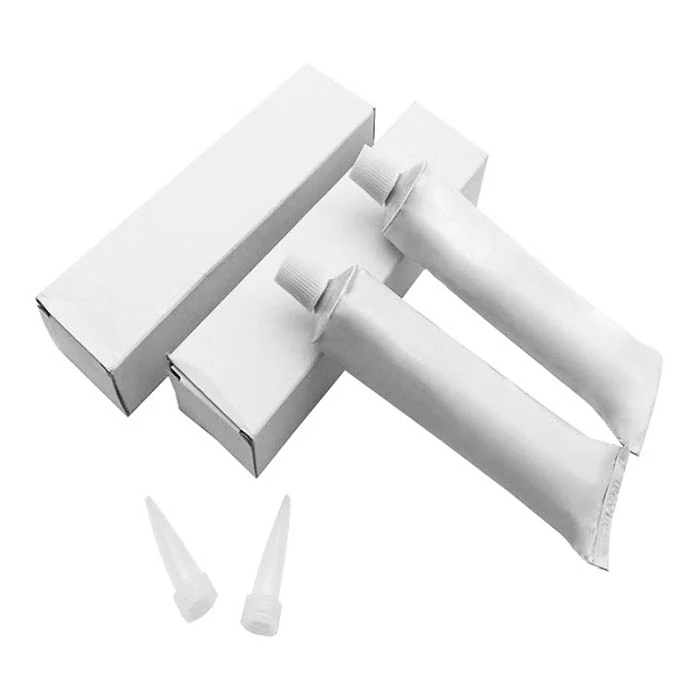 | TIS580-10 | 1 W/m·K | 45 Shore A | |
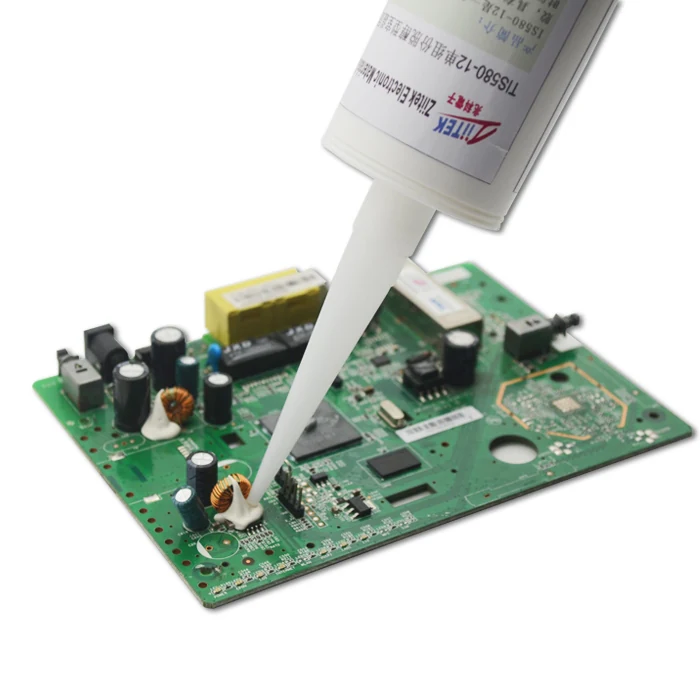 | TIS580-12 | 1.2 W/m·K | 25 Shore A | |
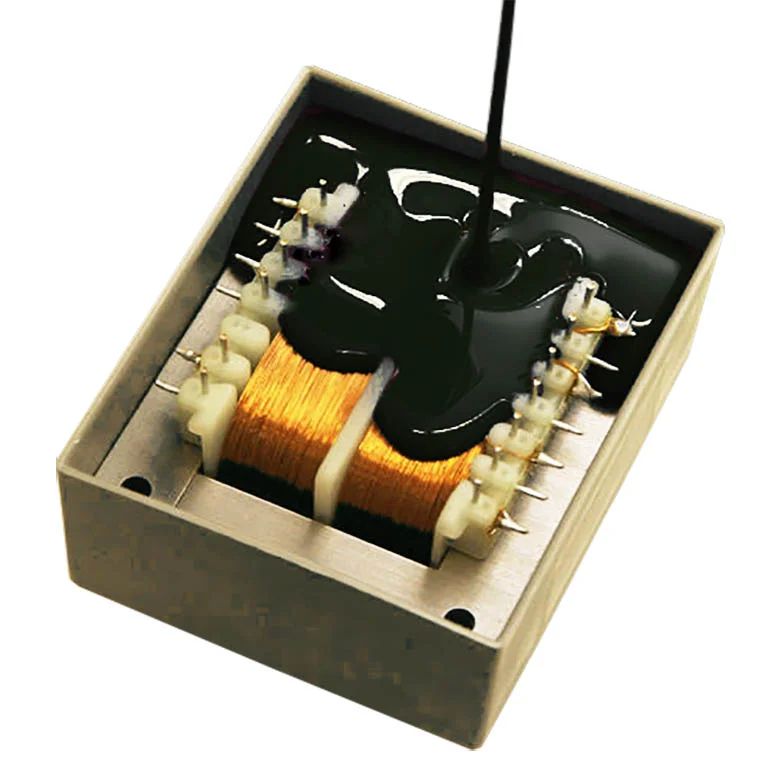 | TIS580-13 | 1.3 W/m·K | 25 Shore A | |
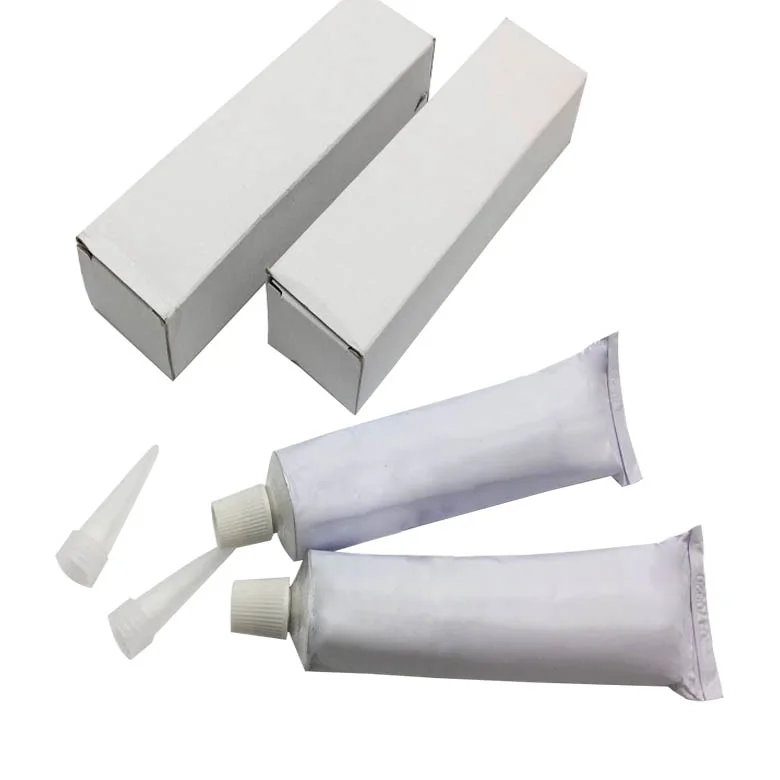 | TIS580-20 | 2 W/m·K | 45 Shore A | |
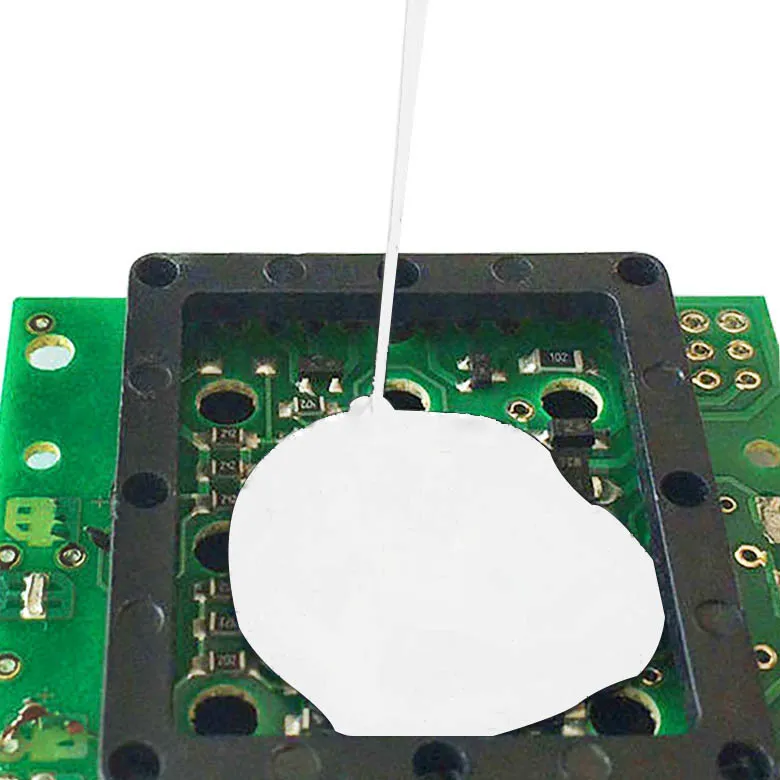 | TIS580-25 | 2.5 W/m·K | 45 Shore A |
Cas d'utilisation des adhésifs silicones thermiques
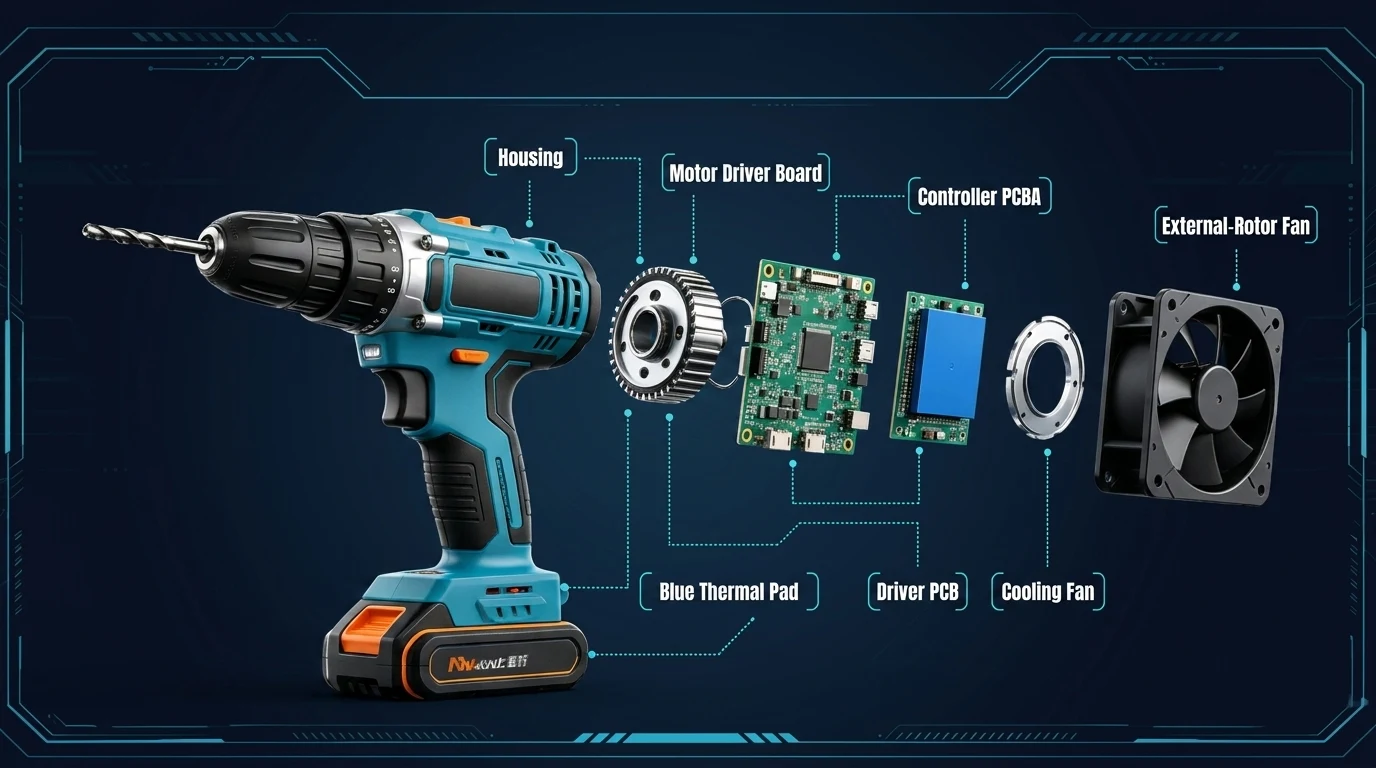
Fenêtre de spécifications typiques (adhésif silicone thermique)
| Parameter | Plage typique / note | Method |
|---|---|---|
| Conductivité thermique | Charge conductrice dans RTV | ASTM D5470 |
| Comportement en traction / chevauchement | Adhésif élastomère | ASTM D412 / D1002 |
| Chimie de polymérisation | Humidité / platine — selon la série | — |
| Dureté après durcissement | Shore A typique | ASTM D2240 |
| Résistivité volumique | Spécifique à la qualité | ASTM D257 |
| Tension de claquage | Épaisseur appliquée | ASTM D149 |
| Temp. d'utilisation continue | Type silicone | UL746B |
| Inflammabilité UL | Classes de HB à V-0 | UL94 |
| Application | Cordon, sérigraphie, pochoir | — |
Thermally conductive silicone adhesives — common questions
Need help shortlisting or cross-referencing? Talk to a Ziitek thermal engineer — 2-hour response SLA.
Talk to an engineerWhat is RTV silicone adhesive and how does it cure?
RTV silicone vs thermal epoxy — which family fits my use?
Is RTV silicone adhesive electrically isolating?
How thick a bondline can RTV silicone reach?
Will the silicone outgas onto an optical sensor or relay contact?
How does this compare to TIA thermal adhesive tape?
Adjacent thermal management lines
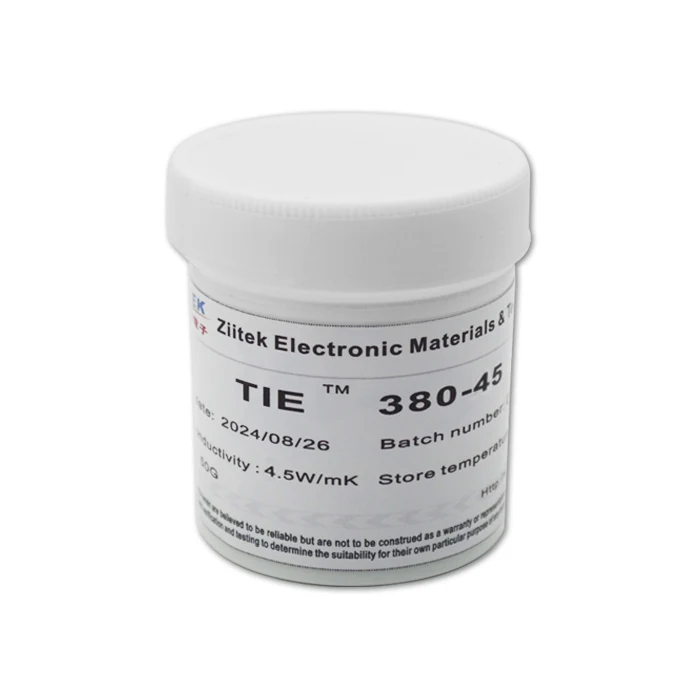
TIE380
Adhésif époxy thermique
Époxy structural mono-composant thermodurcissable — résistance au cisaillement plus élevée, rigide après durcissement, durcissement au four requis.
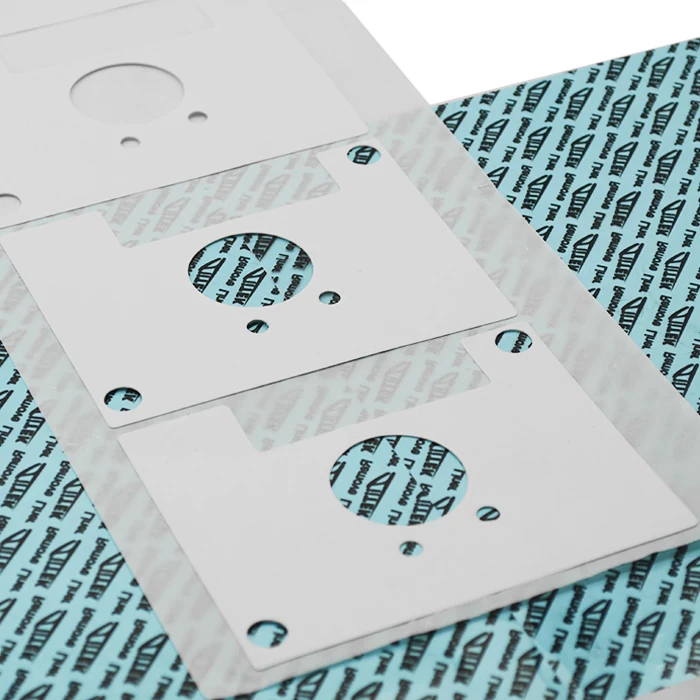
TIA
Ruban adhésif thermique
Adhésif double-face sensible à la pression (PSA) à sec — peler et placer, sans étape de durcissement. À choisir lorsque la reprise ou le positionnement instantané sont importants.
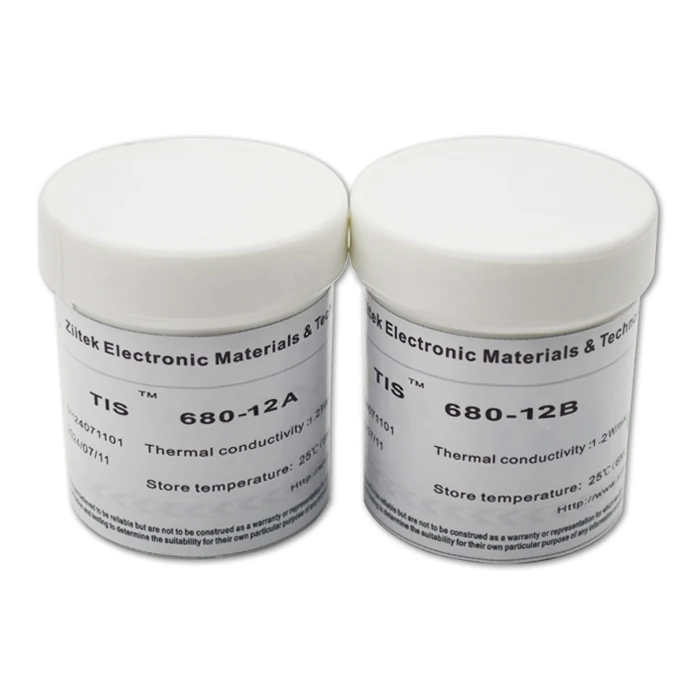
TIG / TIS 680
Résine d'enrobage silicone
Silicone bi-composant durcissant sur place pour l'encapsulation en vrac — lorsque la géométrie nécessite un remplissage, et non un collage.
Échantillon
Contactez notre service d'ingénierie
Besoin d'aide concernant le temps de polymérisation par rapport à l'humidité, l'épaisseur du plan de collage, les formulations à faible teneur en COV ou la préparation du substrat ? Réponse sous 2 heures.
Votre prochaine solution thermique commence ici.
Du prototypage rapide à la production à grande échelle, nos ingénieurs sont prêts à concevoir une solution thermique sur mesure pour votre application. Approuvé par plus de 7 000 clients dans les secteurs des véhicules électriques, de la 5G et de l'électronique grand public.