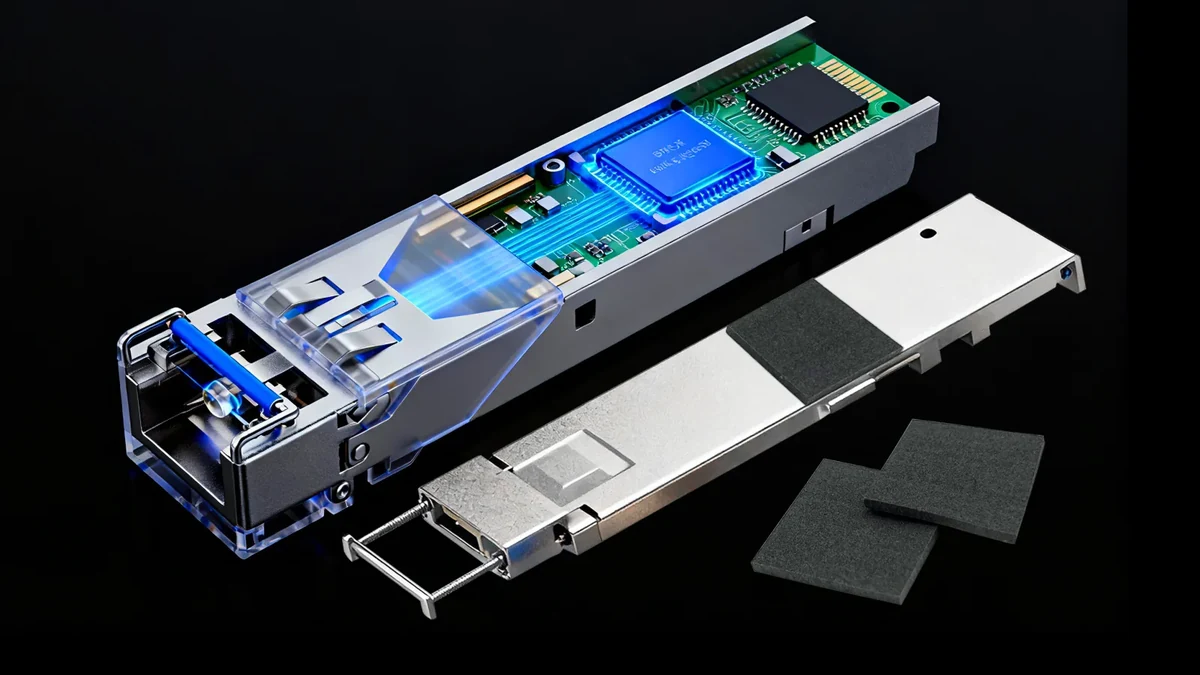
Non-silicone thermal pads
Silicone-free Z-Paster gap pads for outgassing-sensitive optics, sensors, and silicone-incompatible electronics. Through-plane conductivity 1.5–3.0 W/m·K across 6 grades — Soft (S), Firm (F), and Ultra-Firm (UF) Shore 00 hardness, sheet stock or die-cut to drawing.
6
Z-Paster grades
1.5–3.0 W/m·K
Thermal conductivity (λ)
0.5 – 5.0 mm
Thickness (typical)
−40 – 150 °C
Operating range
UL94 V-0
Flame rating
Every Non-silicone thermal pads grade, one table
All 6 non-silicone thermal pads part numbers with thermal conductivity (W/m·K), colour notes, and PDF datasheets. Click a model name with a link for full specs, photos, and application guidance.
| Photo | Model | λ (W/m·K) | Hardness | PDF & next step |
|---|---|---|---|---|
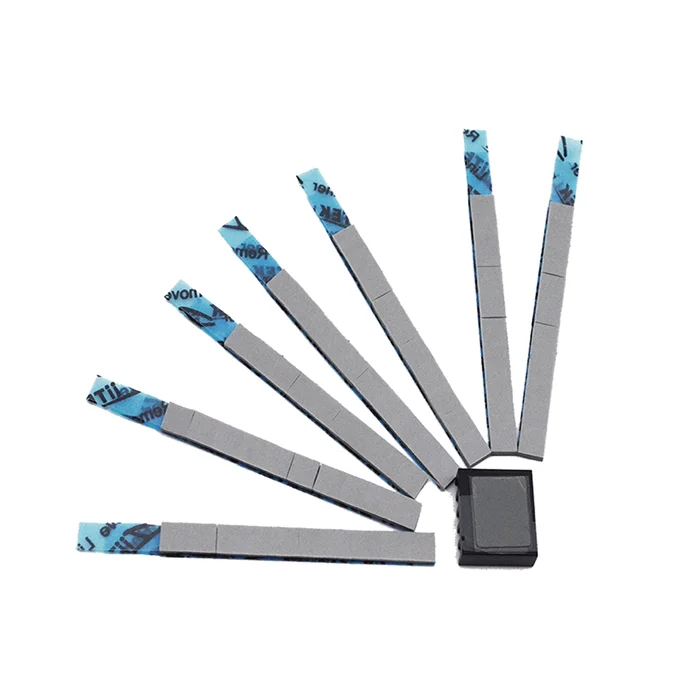 | Z-PASTER-100-15-02F | 1.5 W/m·K | 65 Shore 00 | |
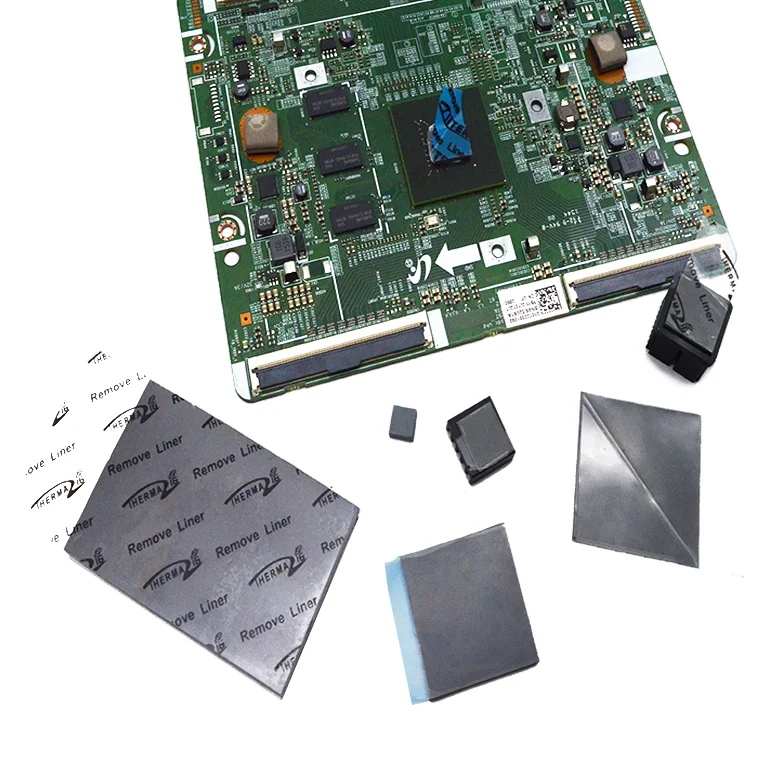 | Z-PASTER-100-20-11S | 2 W/m·K | 50 Shore 00 | |
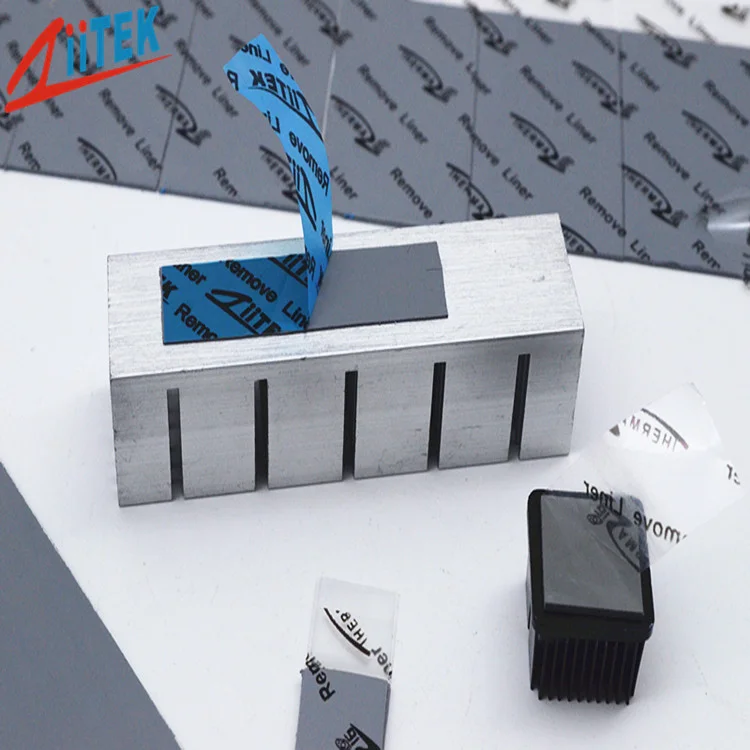 | Z-PASTER-100-20-11F | 2 W/m·K | 65 Shore 00 | |
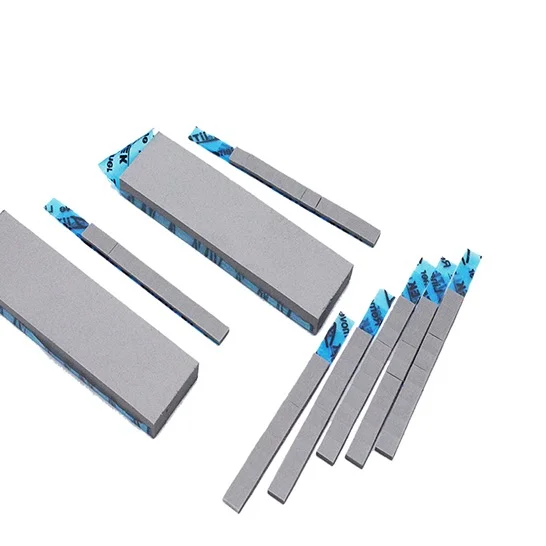 | Z-PASTER-100-20-11UF | 2 W/m·K | 75 | |
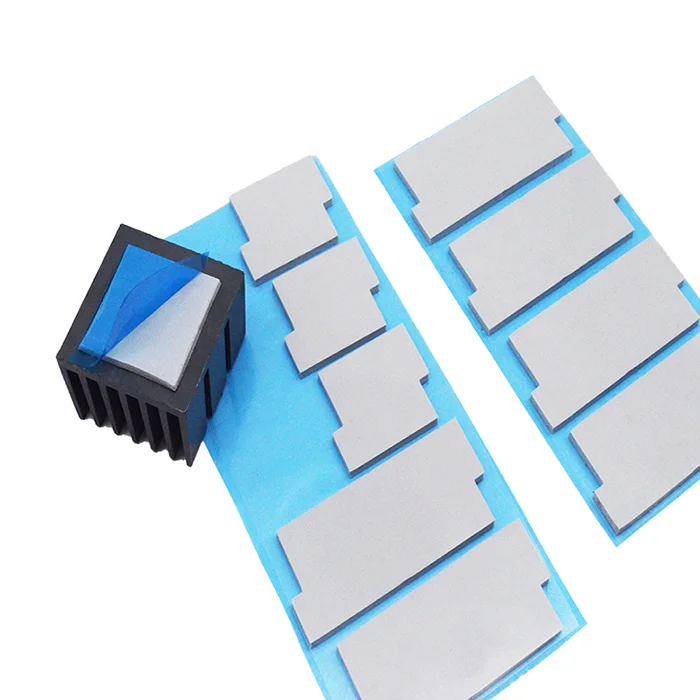 | Z-PASTER-100-30-10F | 3 W/m·K | 65 Shore 00 | |
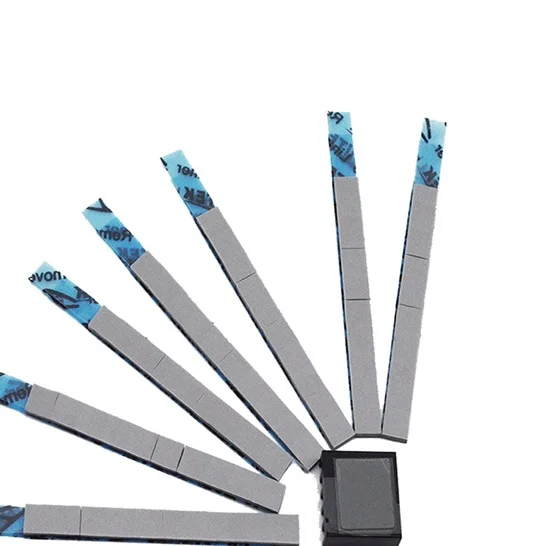 | Z-PASTER-100-30-10UF | 3 W/m·K | 75 |
Where non-silicone pads fit
Silicone-free gap pads serve optics, sensors, and vacuum-adjacent assemblies where volatiles and silicones must be avoided.
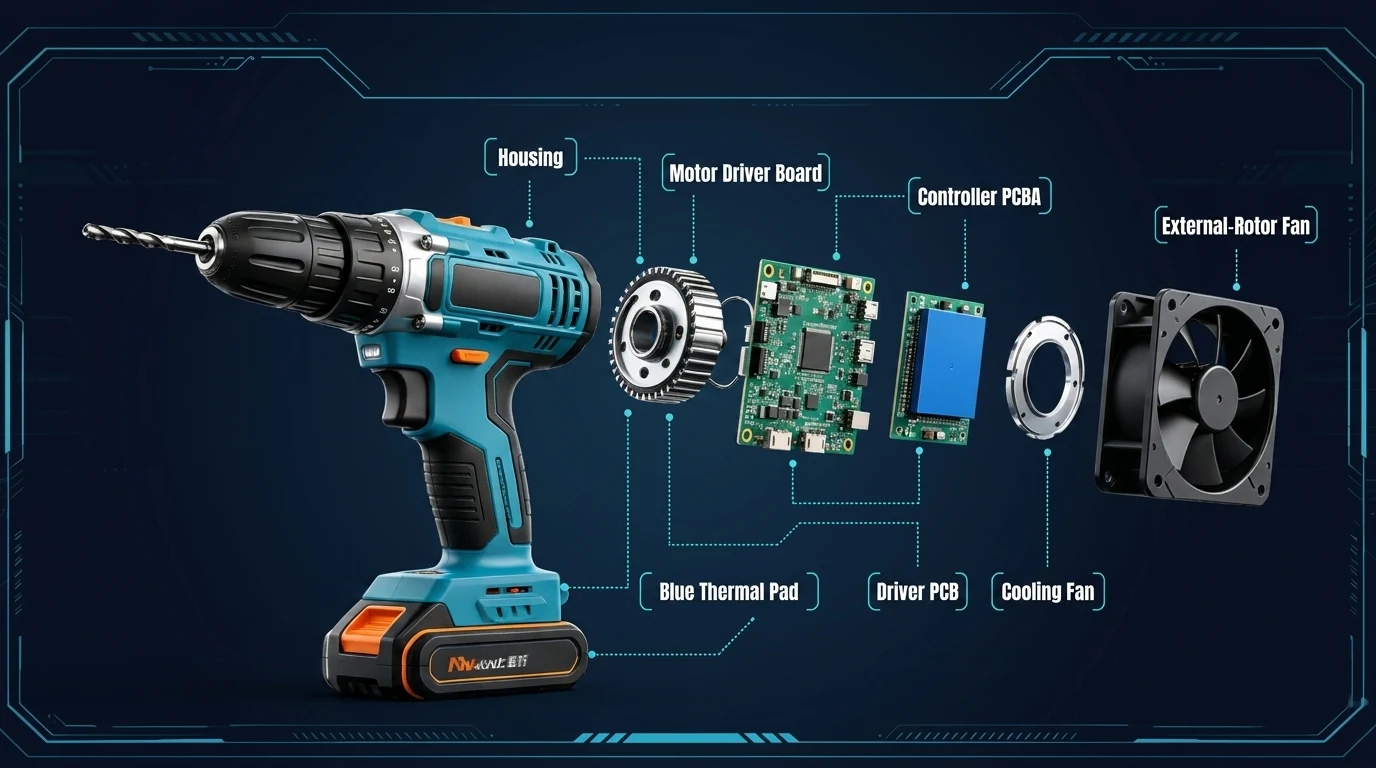
Typical specification window (non-silicone pad)
| Parameter | Typical range / note | Method |
|---|---|---|
| Thermal conductivity | Z-Paster grades — nominal λ band | ASTM D5470 |
| Hardness / compliance | Gap-pad Shore 00 class | ASTM D2240 |
| Outgassing posture | Low-VOC formulations — verify TML/CVCM if required | ASTM E595 |
| Thickness | 0.2 – 5.0 mm typical band | ASTM D374 |
| Dielectric strength | Grade-specific kV/mm | ASTM D149 |
| Volume resistivity | Electrical isolation where required | ASTM D257 |
| Continuous-use temp. | −50 °C to 200 °C class | UL746B |
| RoHS / halogen posture | Per grade — request CoA | — |
| Die-cut tolerance | ±0.1 mm typical production | — |
* Representative grades. Request a lot-specific datasheet or CoA for your exact part number.
Non-silicone thermal pads — common questions
Need help shortlisting or cross-referencing? Talk to a Ziitek thermal engineer — 2-hour response SLA.
Talk to an engineerWhat is a non-silicone thermal pad?
A non-silicone (silicone-free) thermal pad uses an alternative polymer matrix — typically olefin-based or acrylic — loaded with thermally conductive ceramic fillers. It serves the same role as a silicone gap pad: bridging surface irregularities and mixed bondline heights between a heat source and a heatsink, with repeatable assembly and easy rework. The key trade-off is suitability for environments where low molecular volatile (LMV) outgassing matters — optics, sensors, hermetically sealed enclosures, and aerospace electronics.
When should I choose silicone-free over silicone?
Pick a non-silicone pad when even trace silicone migration would cause failures: optical surfaces that fog with siloxane condensate, capacitive touch sensors, MEMS micro-mirrors, or relays whose contacts can be poisoned by D4/D5/D6. Aerospace and medical assemblies that specify low TML/CVCM also benefit. For all other consumer and industrial designs where outgassing is not a concern, silicone TIF pads are typically more cost-effective at the same λ.
What's the difference between F, S, and UF hardness grades?
Z-Paster ships in three Shore 00 hardness grades: S (Soft) ≈ 50, F (Firm) ≈ 65, and UF (Ultra-Firm) ≈ 75. Soft grades conform to highly uneven mating surfaces at low clamp pressure; firm grades hold their thickness under heavier loads and resist creep; ultra-firm grades suit stack-ups where a precise gap height must persist across hundreds of thermal cycles. Match grade to clamp pressure and gap-tolerance budget — your applications engineer can advise.
Are Z-Paster pads compatible with optical sensor packages?
Yes — silicone-free composition is the primary reason customers specify Z-Paster for camera modules, LiDAR, and laser diode assemblies. The pads do not release siloxane vapors that would otherwise condense on lenses or beam-splitters under thermal cycling. Confirm the specific TML/CVCM values against your hardware's outgassing budget; the F-series datasheet lists the standardized values.
Can Z-Paster pads be die-cut to my outline?
Yes. Ziitek's tool room die-cuts Z-Paster sheets to any 2-D outline (rectangles, L-shapes, holes, pick-and-place tabs) at ±0.1 mm tolerance on production tools. Send a DXF or STEP drawing; sample parts typically ship within five working days. Sheet stock is also available in standard formats.
What's the operating temperature range?
Z-Paster grades on this page run continuously between −40 °C and 150 °C. Short-term excursions to 175 °C are tolerated by select grades. Above 150 °C continuous, a silicone gap pad (TIF series) typically becomes the better choice on cost-per-watt-removed grounds.
Adjacent thermal management lines
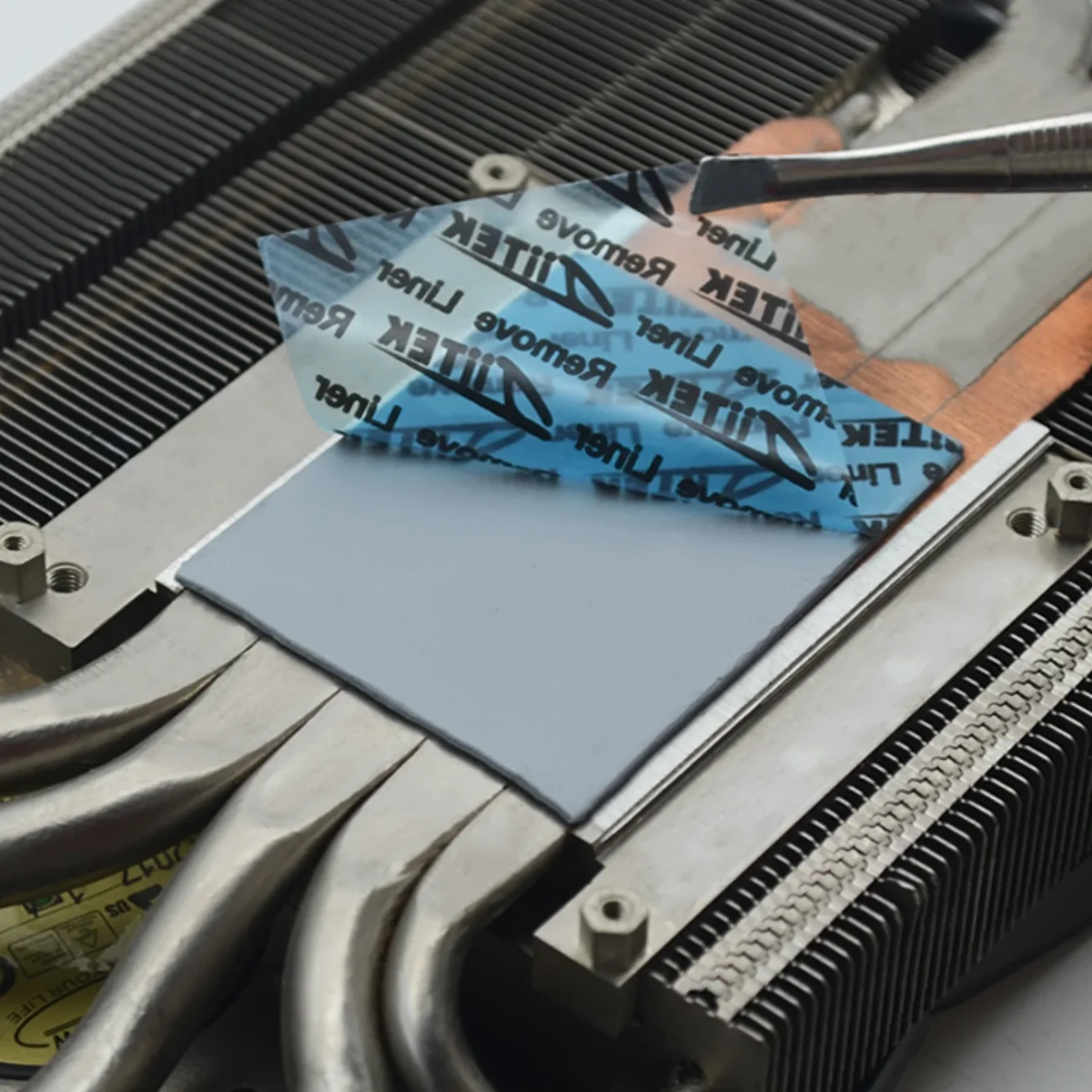
TIF
Silicone Thermal Pad
TIF silicone gap pads — broader λ range and lower cost where silicone outgassing is acceptable.
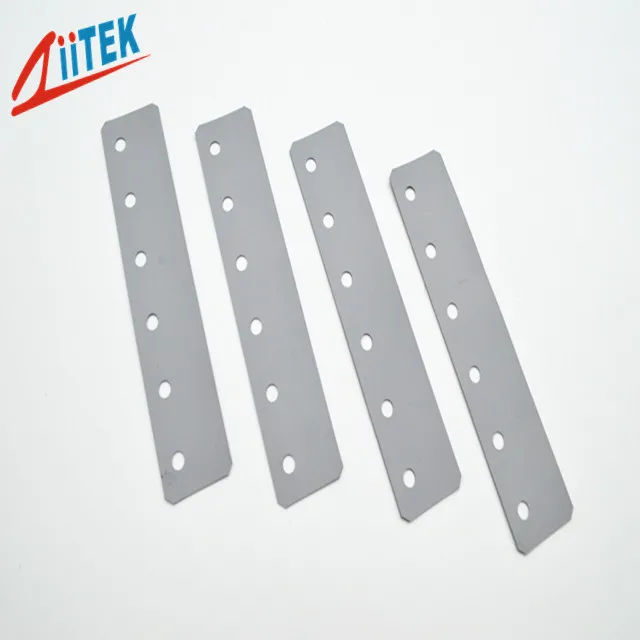
TIS
Thermally Conductive Insulator
Dielectric film insulators for power-semiconductor packages requiring isolation in addition to thermal transfer.
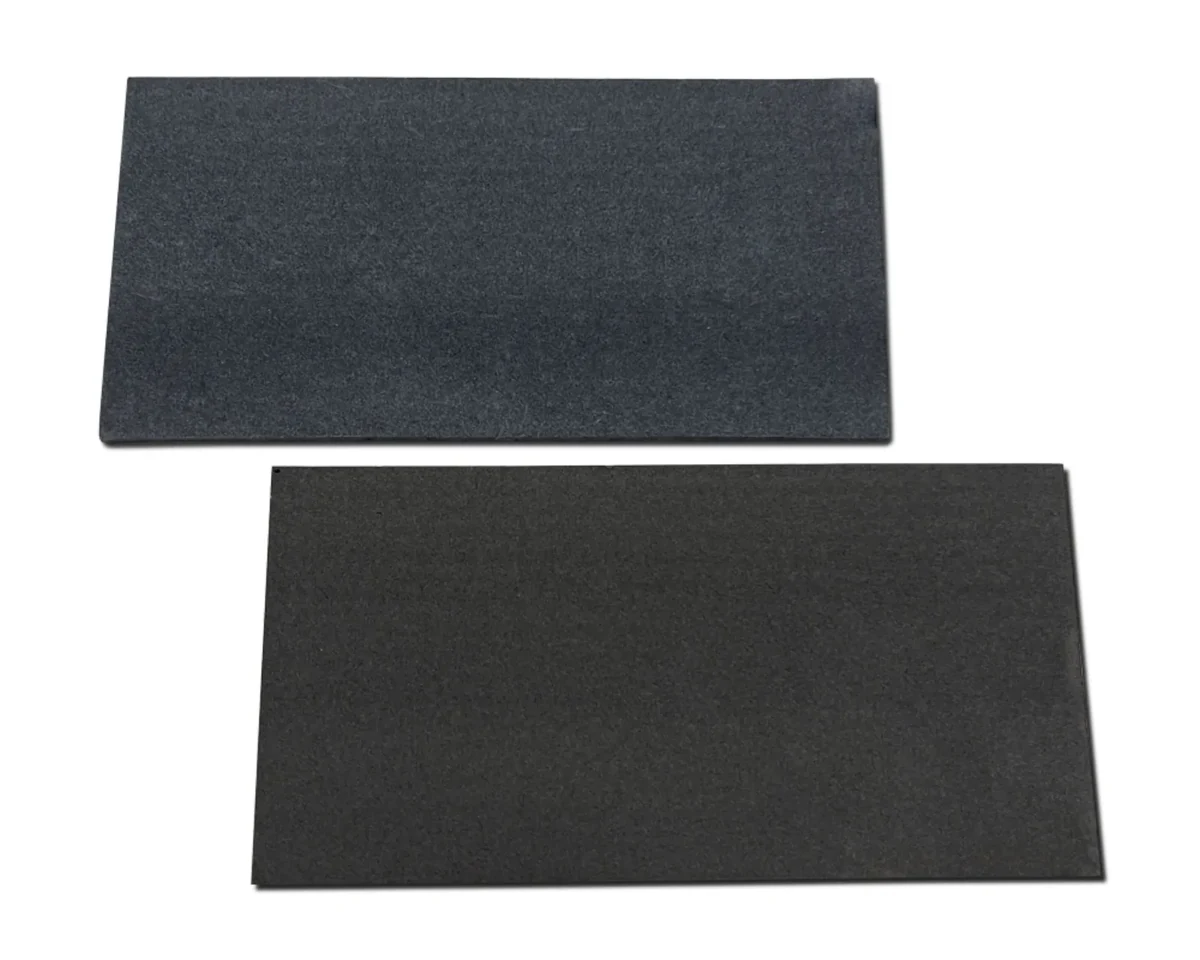
TIR
Thermal Graphite Sheet
In-plane heat spreaders and carbon-fiber TIM — different physics, different use cases.
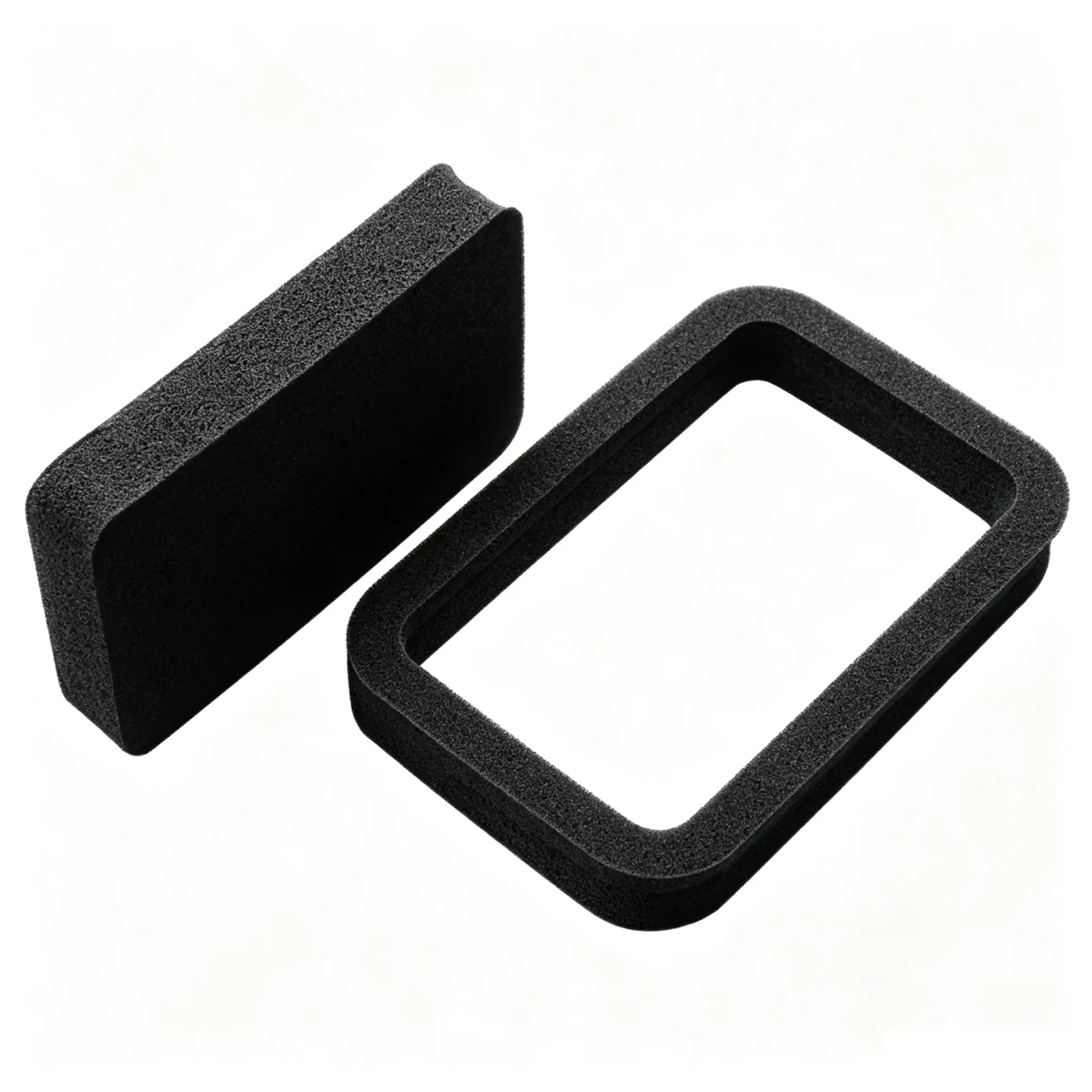
Z-Foam
Silicone Foam Gasket
Die-cut silicone foam for EMI shielding and environmental sealing — pair with a thermal pad on the cooling side.

Your next thermal solution
starts here.
From rapid prototyping to full-scale production — our engineers are ready to design a custom thermal solution for your application. Trusted by 5,000+ clients across EV, 5G, and consumer electronics.