Phase change materials
Solid-at-room-temperature TIM films that soften at a defined temperature (50–60 °C typical) to flow into bondline irregularities — installed dry, conformed by first heat cycle. 15 TIC grades including a bismuth-alloy metal PCM at 18.9 W/m·K. λ 0.95–18.9 W/m·K across the family.
15
TIC PCM grades
0.95–18.9 W/m·K
Thermal conductivity (λ)
50 – 60 °C
Phase change (polymer)
Metal PCM: 18.9 W/m·K
TIC800M (bismuth alloy)
Dry install
No dispense / no cure
Two families: polymer PCM films and metal alloy
Every Phase change materials grade, one table
All 15 phase change materials part numbers with thermal conductivity (W/m·K), colour notes, and PDF datasheets. Click a model name with a link for full specs, photos, and application guidance.
| Photo | Model | λ (W/m·K) | Colour | PDF & next step |
|---|---|---|---|---|
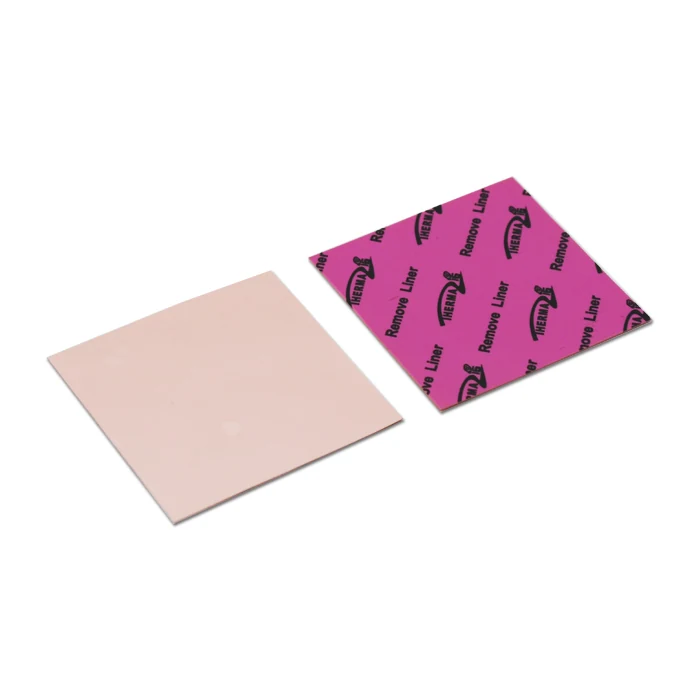 | TIC800P | 1.6 W/m·K | Pink / Light Amber | |
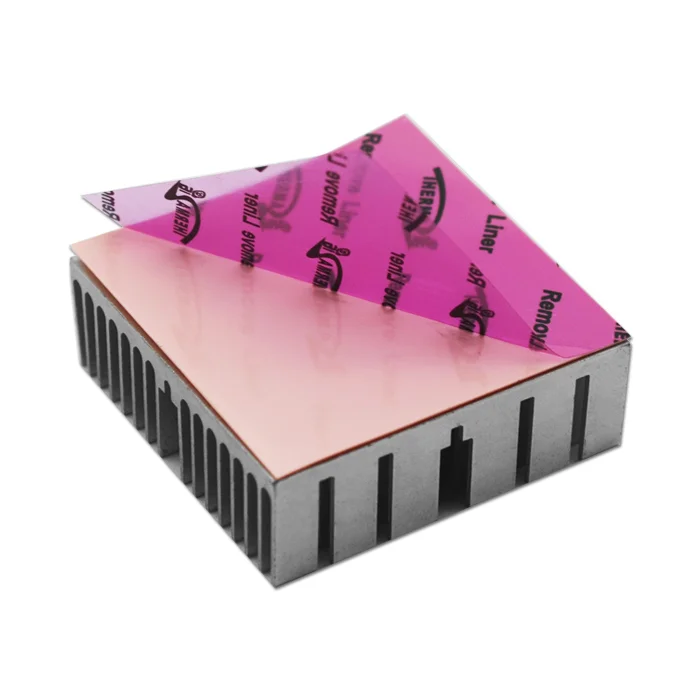 | TIC820P | 0.9 W/m·K | Pink | |
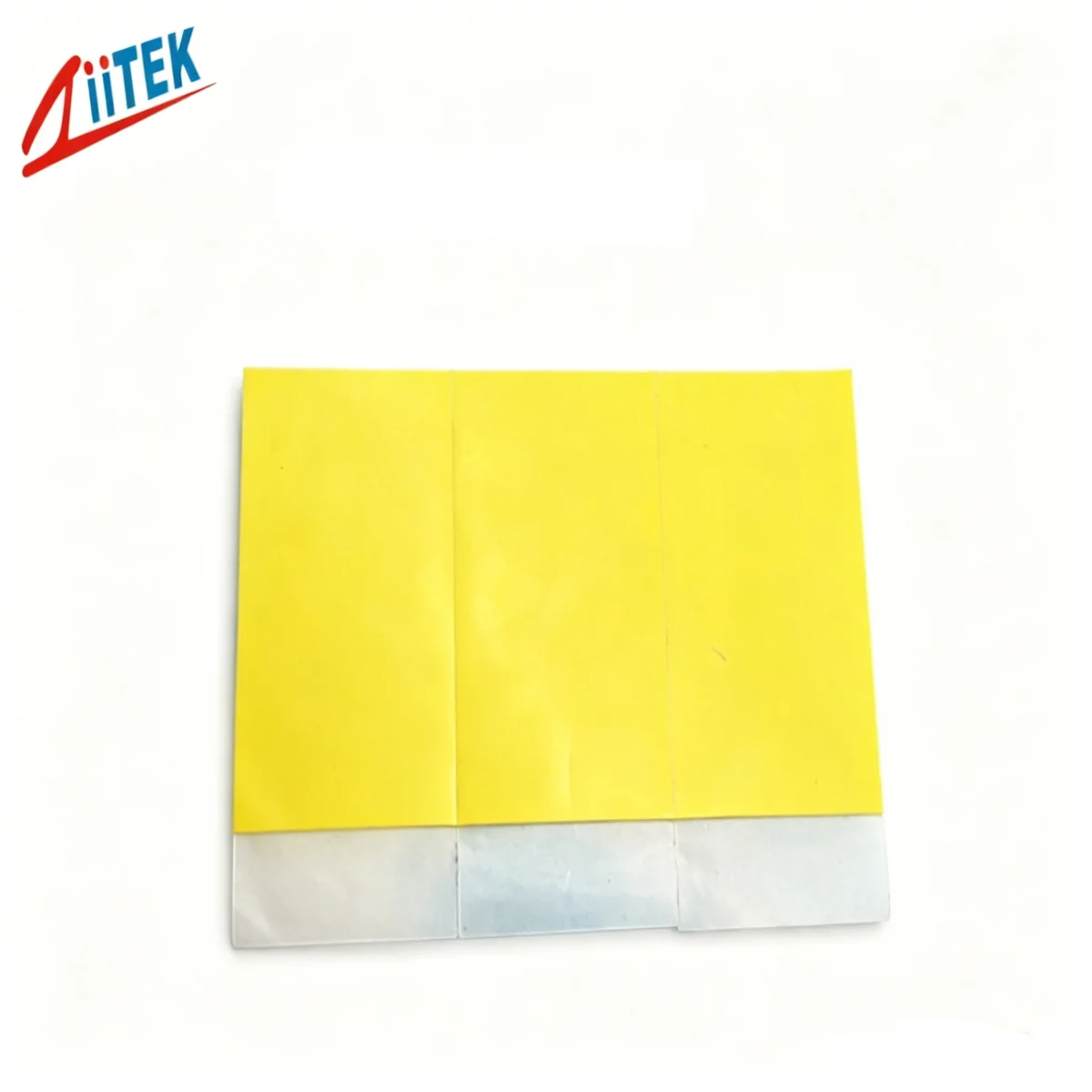 | TIC800KD | 1.5 W/m·K | Yellow | |
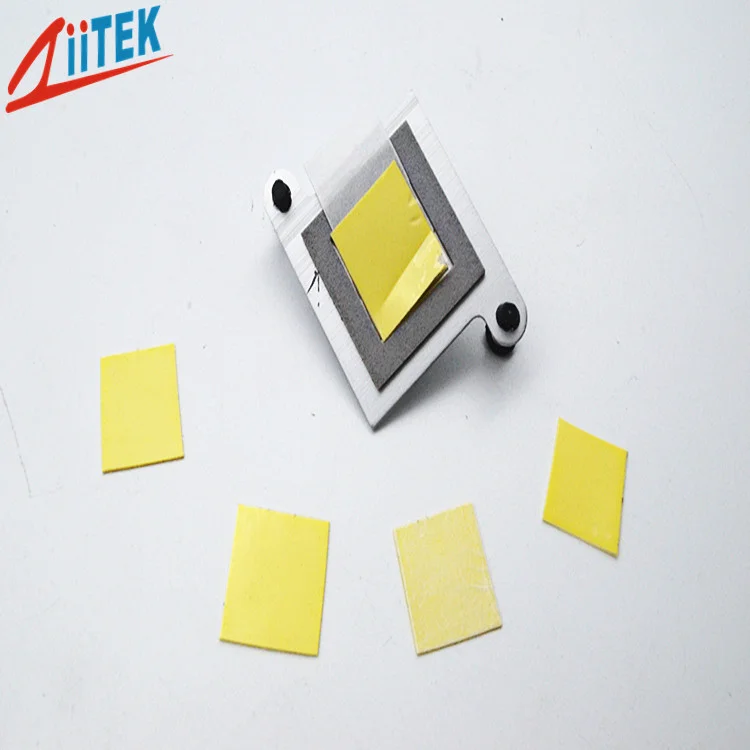 | TIC800K-A1 | 1.5 W/m·K | Yellow | |
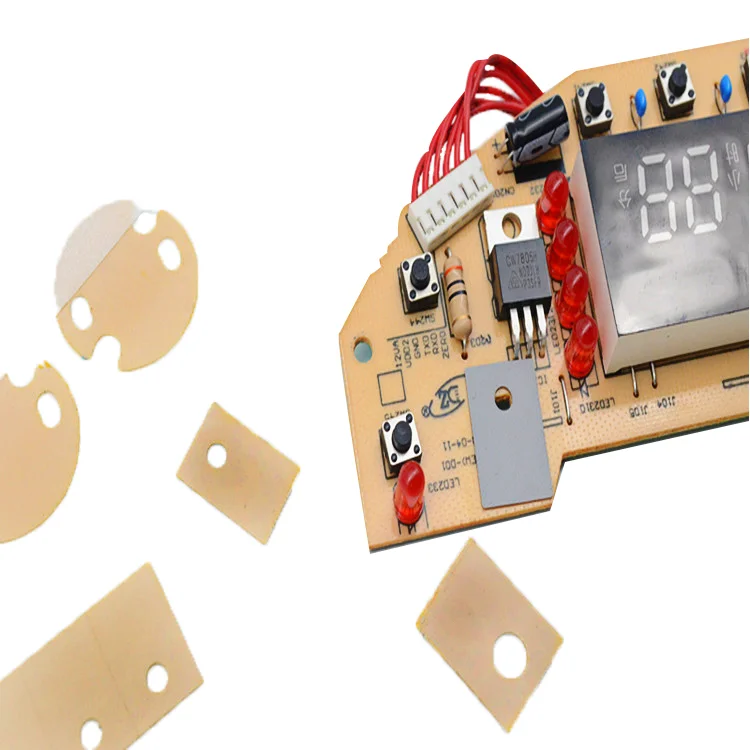 | TIC800D | 1.6 W/m·K | Light Amber | |
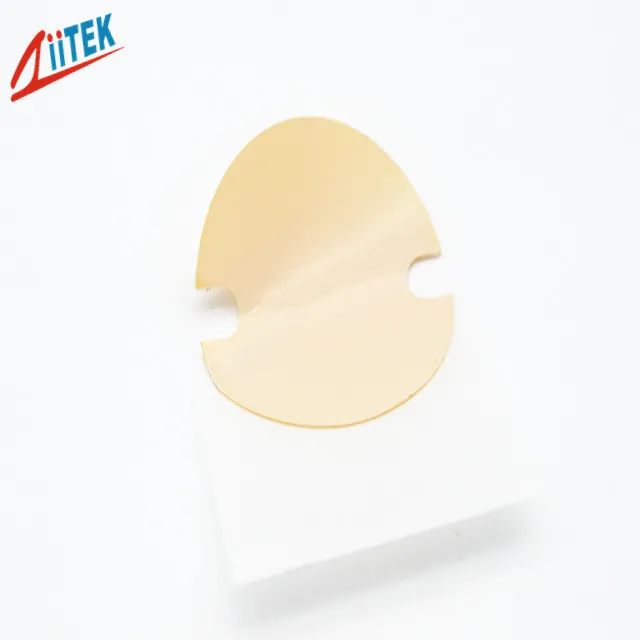 | TIC800K | 1.6 W/m·K | Pale amber | |
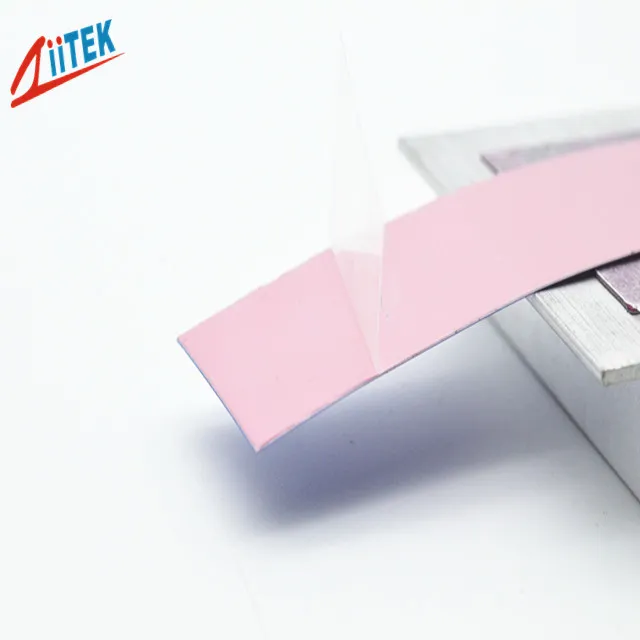 | TIC800P-K1 | 1.6 W/m·K | Pink / Light Amber | |
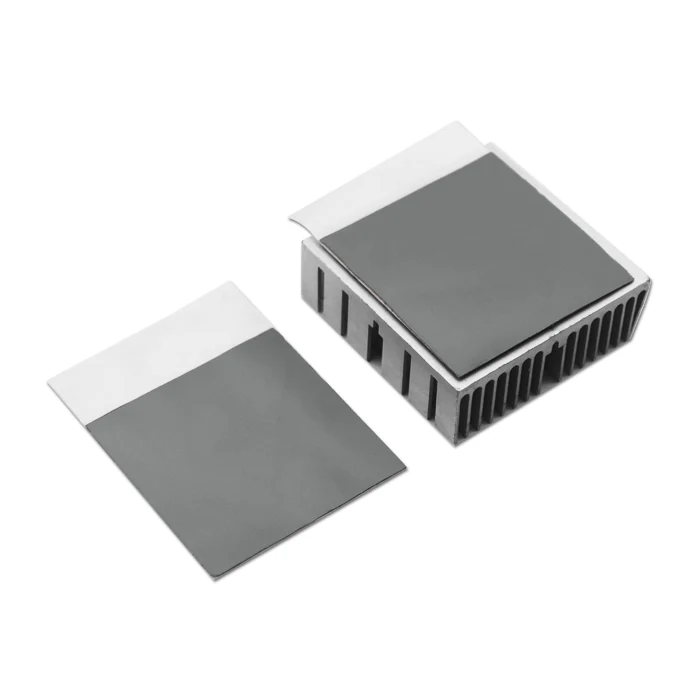 | TIC800A | 2.5 W/m·K | Grey | |
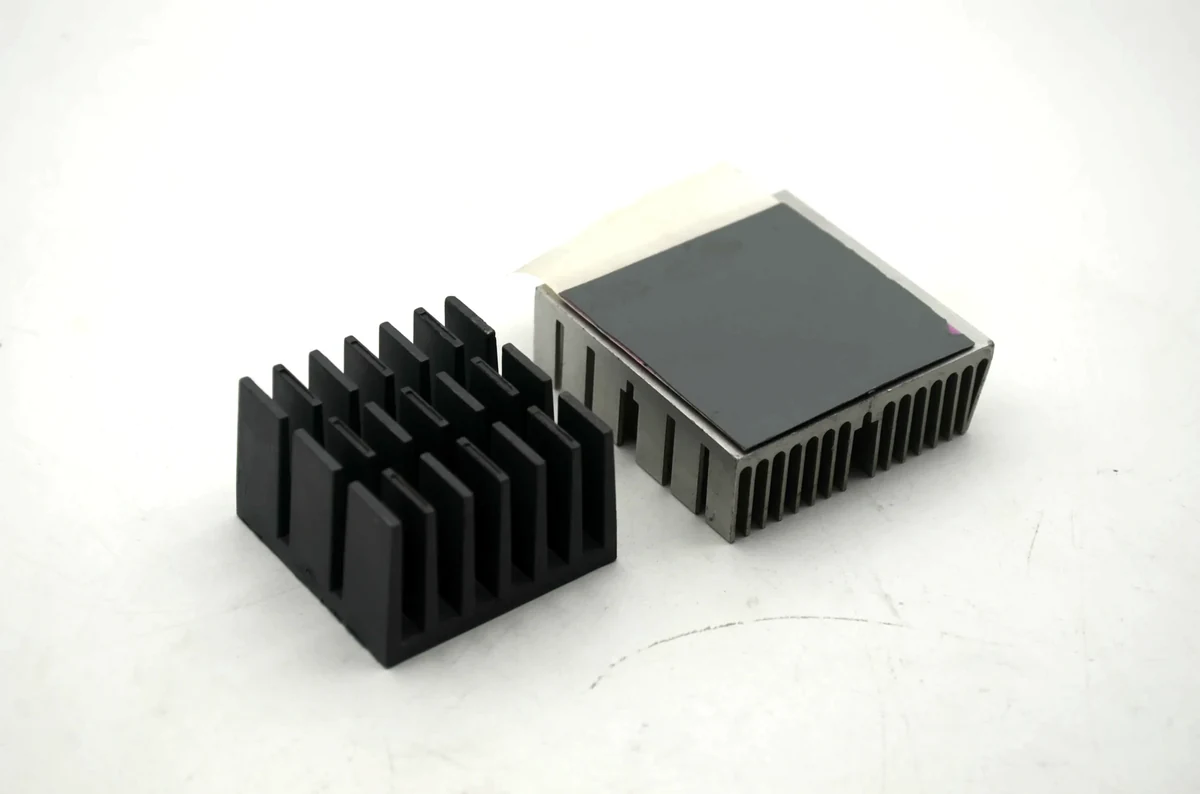 | TIC800A-AL | 2.5 W/m·K | Grey | |
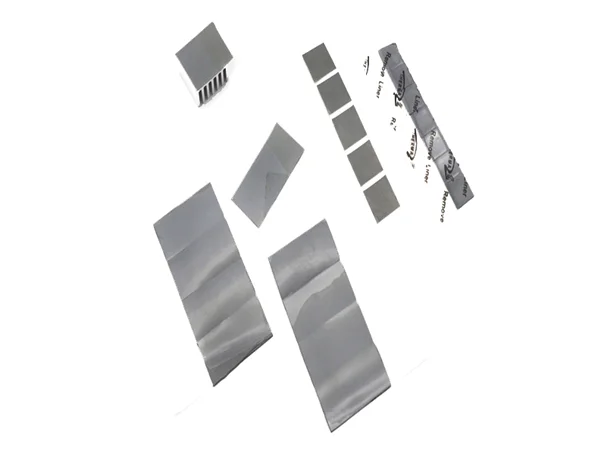 | TIC800G | 5 W/m·K | Grey | |
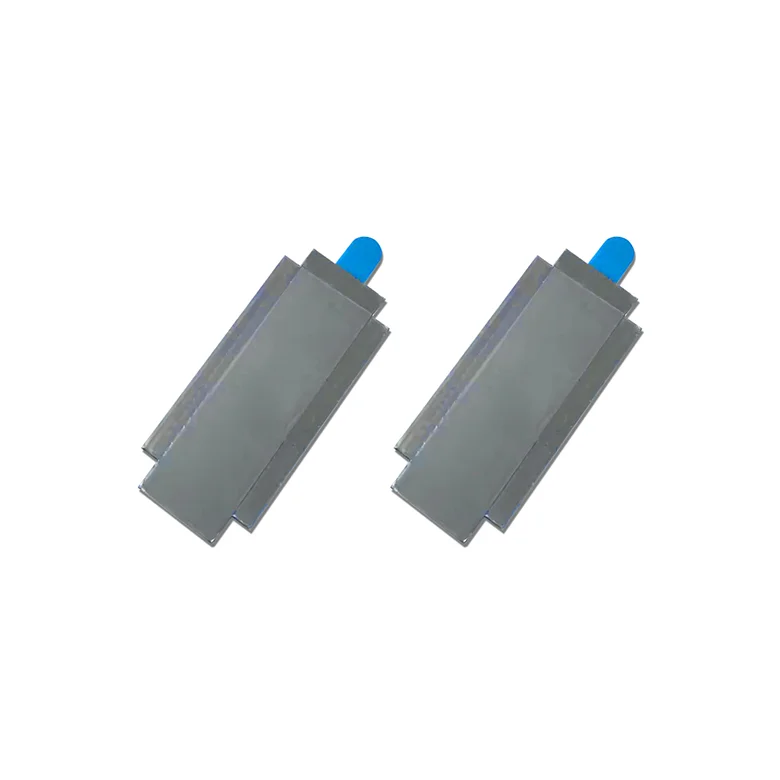 | TIC800G-ST | 5 W/m·K | Grey | |
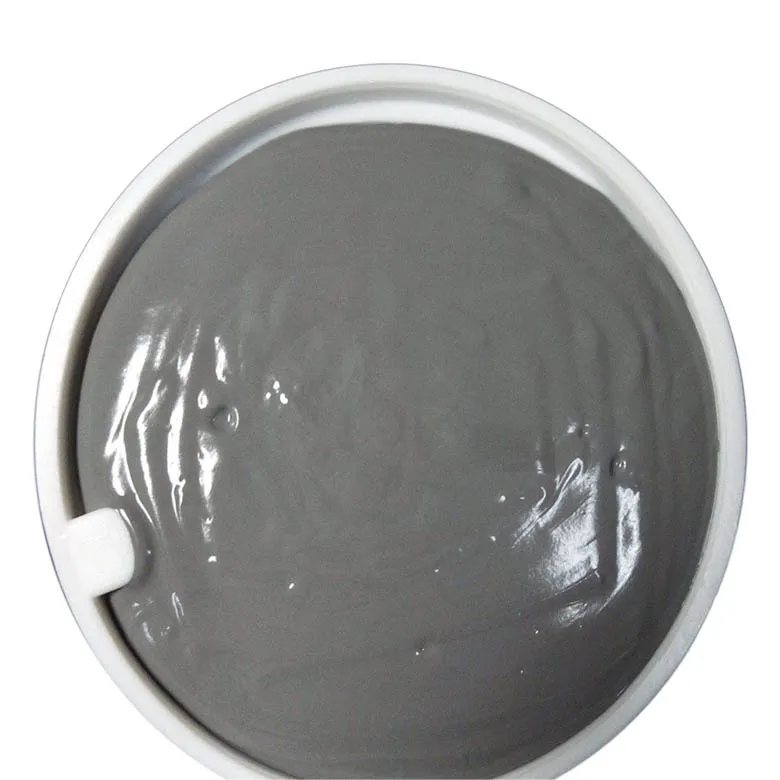 | TIC800H-SP | 7.5 W/m·K | Gray | |
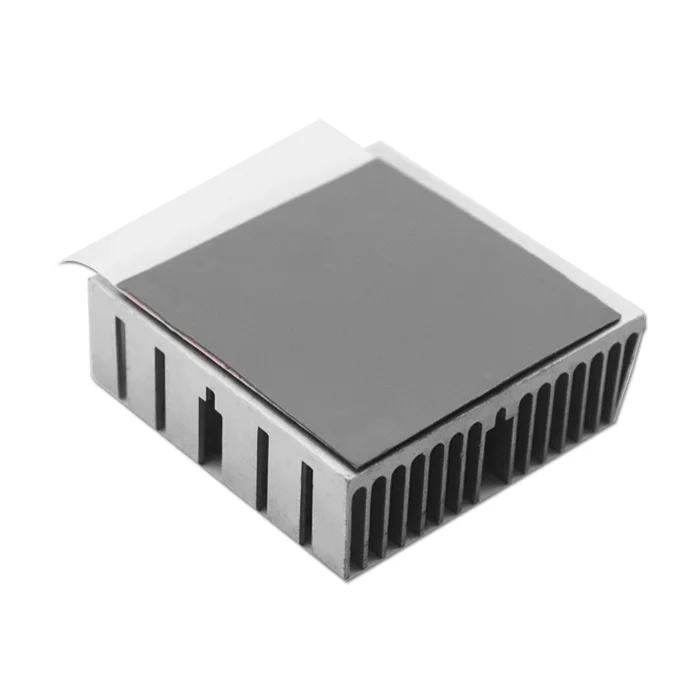 | TIC800H | 7.5 W/m·K | Gray | |
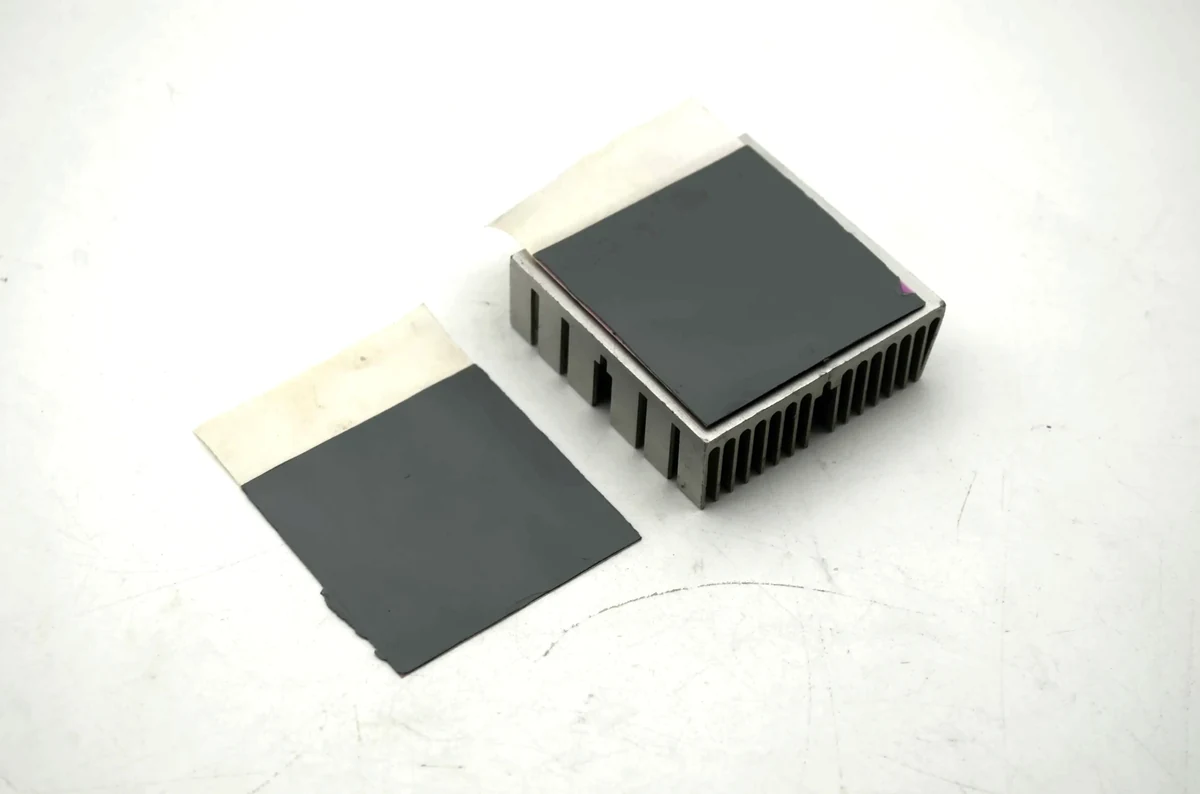 | TIC800T | 9.6 W/m·K | Grey | |
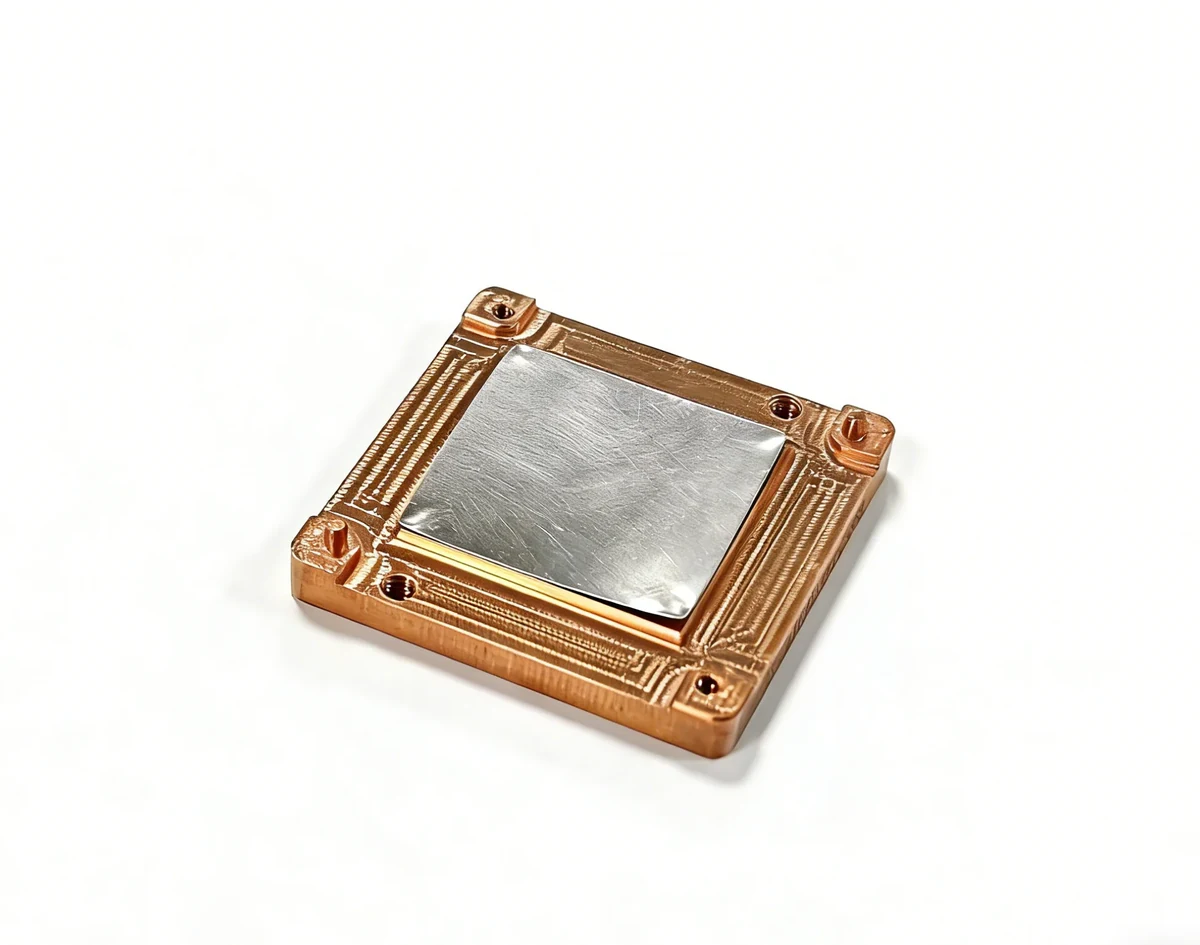 | TIC800M | 18.9 W/m·K | Silver grey |
Where phase-change materials fit
PCM pads soften at transition temperature to wet the interface — strong for laptops, peaky power electronics, and battery-adjacent stages that see thermal cycling.
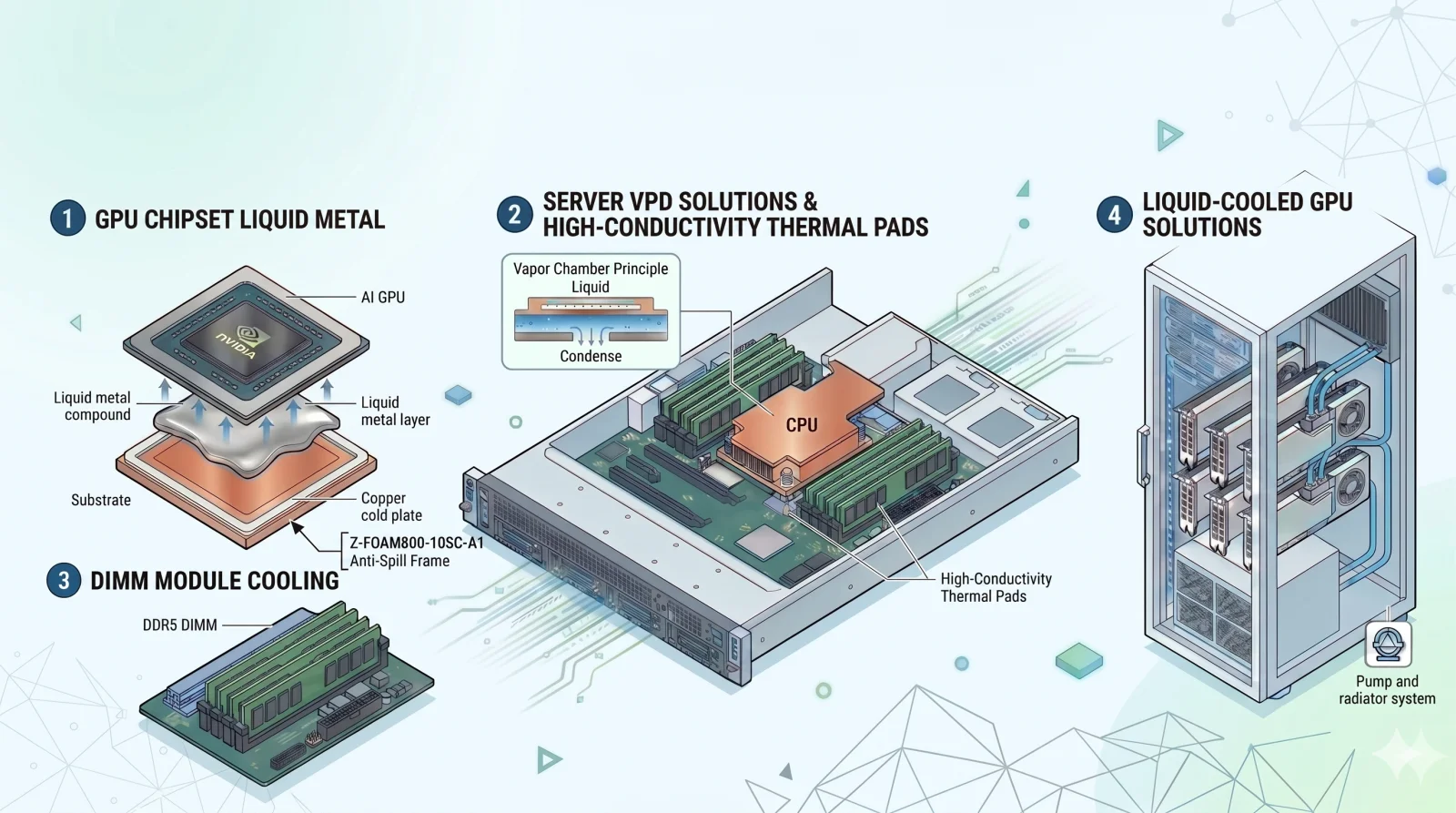
Servers · GPU · accelerators · DIMM
Data Center & AI Servers
High-flux silicon and dense PCBs — CPU/GPU bond-lines, VRM/DIMM/NIC interfaces, and accelerator cold-plate paths. Match grade against clamp force, TIM impedance, and rework cadence.
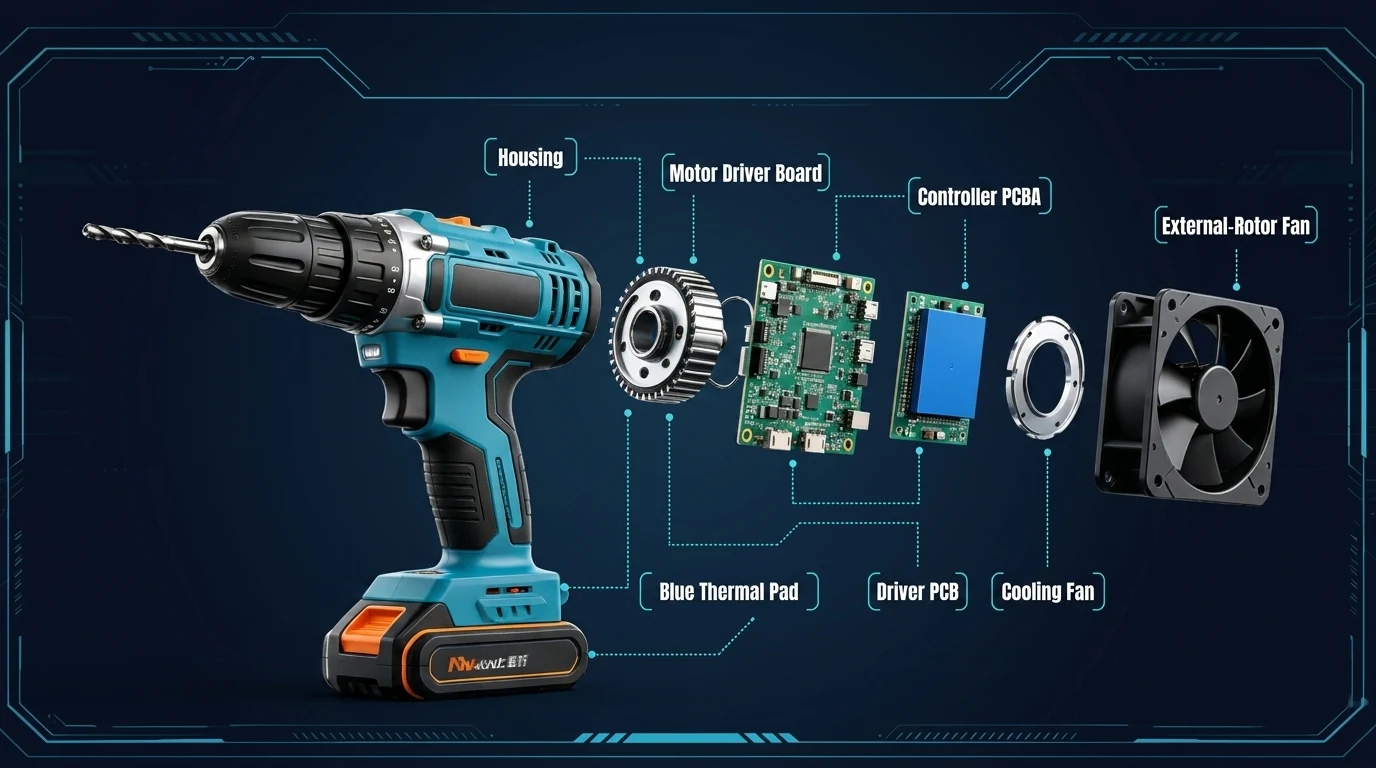
Drives · IGBT · controllers · sensors
Power Tools & Control Systems
Industrial controls, motor drives, power-stage IGBTs, and rugged modules — thermal interfaces, sealing, and encapsulation built for serviceable assemblies and harsh environments.
Typical specification window (phase-change material)
| Parameter | Typical range / note | Method |
|---|---|---|
| Thermal impedance | Pressure- and thickness-dependent | ASTM D5470 |
| Phase transition band | TIC series — grade-specific | DSC |
| Typical thickness | 0.1 – 0.5 mm common | ASTM D374 |
| Thermal conductivity | Nominal λ by grade | ASTM D5470 |
| Compression & wet-out | Designed for clamp pressure ranges | Fixture |
| Dielectric strength | Grade-specific kV/mm | ASTM D149 |
| Operating temperature | −40 °C to ~125 °C service class | UL746B |
| Shelf life | Ambient — see TDS | — |
| Die-cut & tabs | Yes — outline tooling | — |
* Representative grades. Request a lot-specific datasheet or CoA for your exact part number.
Phase change materials — common questions
Need help shortlisting or cross-referencing? Talk to a Ziitek thermal engineer — 2-hour response SLA.
Talk to an engineerWhat is a phase change material (PCM)?
A PCM thermal interface is a thin film that is solid at room temperature (so it ships and installs like a thermal pad) but softens or melts at a defined transition temperature — typically 50–60 °C for polymer-based grades. On the first heat cycle the material flows into the microscopic surface irregularities of the heat source and heatsink, achieving a bondline approaching that of thermal grease (10–50 µm). Once cooled below the transition it solidifies again, locking the contact in place. The result is grease-like contact resistance with pad-like installation simplicity, and no pump-out under thermal cycling.
When should I pick a PCM over grease or a thermal pad?
Pick a PCM when you want grease-level contact resistance without the assembly mess or long-term pump-out risk. Common cases: server CPU/GPU integrated heat spreaders, laptop / desktop OEM cooling stacks, and any high-volume assembly where dispensing grease in line is impractical but a thermal pad's bondline is too thick. Skip PCM when (a) the surface is rough enough that even melted PCM can't fill the gap (use a pad), or (b) the operating temperature stays below the phase-change point so the material never softens (use grease).
How does TIC800M (metal PCM) differ from polymer PCMs?
TIC800M is a bismuth-tin alloy that goes through a true solid-liquid phase change above 60 °C and re-solidifies below 57 °C. Thermal conductivity is 18.9 W/m·K — 2–4× the best polymer PCM and 5× typical silicone grease. The trade-off: it is electrically conductive, so it must be used only on isolated package surfaces (no bare PCB traces nearby), and the phase-change temperature is fixed by the alloy chemistry. Use cases: laser diode pumps, high-current SiC modules, and any place where polymer PCM thermal resistance becomes the bottleneck.
What's the right phase change temperature?
Pick a transition temperature 10–20 °C below the device's typical operating junction temperature so the PCM reliably softens during normal duty. Most CPUs and GPUs run their lid at 60–80 °C in service, so a 50–60 °C polymer PCM is the standard choice. Industrial power modules running 80–100 °C continuously may benefit from a higher-transition formulation; ask your applications engineer. The transition temperature is independent of the maximum operating temperature, which can be much higher (TIC800K continues to function up to 125 °C).
Are PCM films re-workable?
Polymer PCMs leave a tacky residue after one heat cycle that can be wiped clean with isopropanol, similar to grease. Metal PCM (TIC800M) re-solidifies into a thin shell that requires careful peel-and-clean. Re-applying a fresh PCM after the original is removed restores the joint — but on metal-PCM joints inspect for surface alloying with the heatsink (some platings react over long service). For OEM-volume designs, plan one-time install and don't budget for field rework.
What backing material should I specify?
PCM films ship on different carriers: aluminum foil (TIC800A-AL — improves spreading uniformity), polyimide / Kapton MT (TIC800D, TIC800P, TIC800K — gives mechanical robustness and chemical resistance), stainless-steel film (TIC800G-ST — for higher mechanical stress), and freestanding flexible-solid (TIC800A, TIC800G, TIC800H — maximum thermal performance, requires careful handling). Polymer or metal carrier choice usually follows assembly automation needs more than thermal performance — most polymer carriers add < 5 % to net thermal resistance.
Adjacent thermal management lines
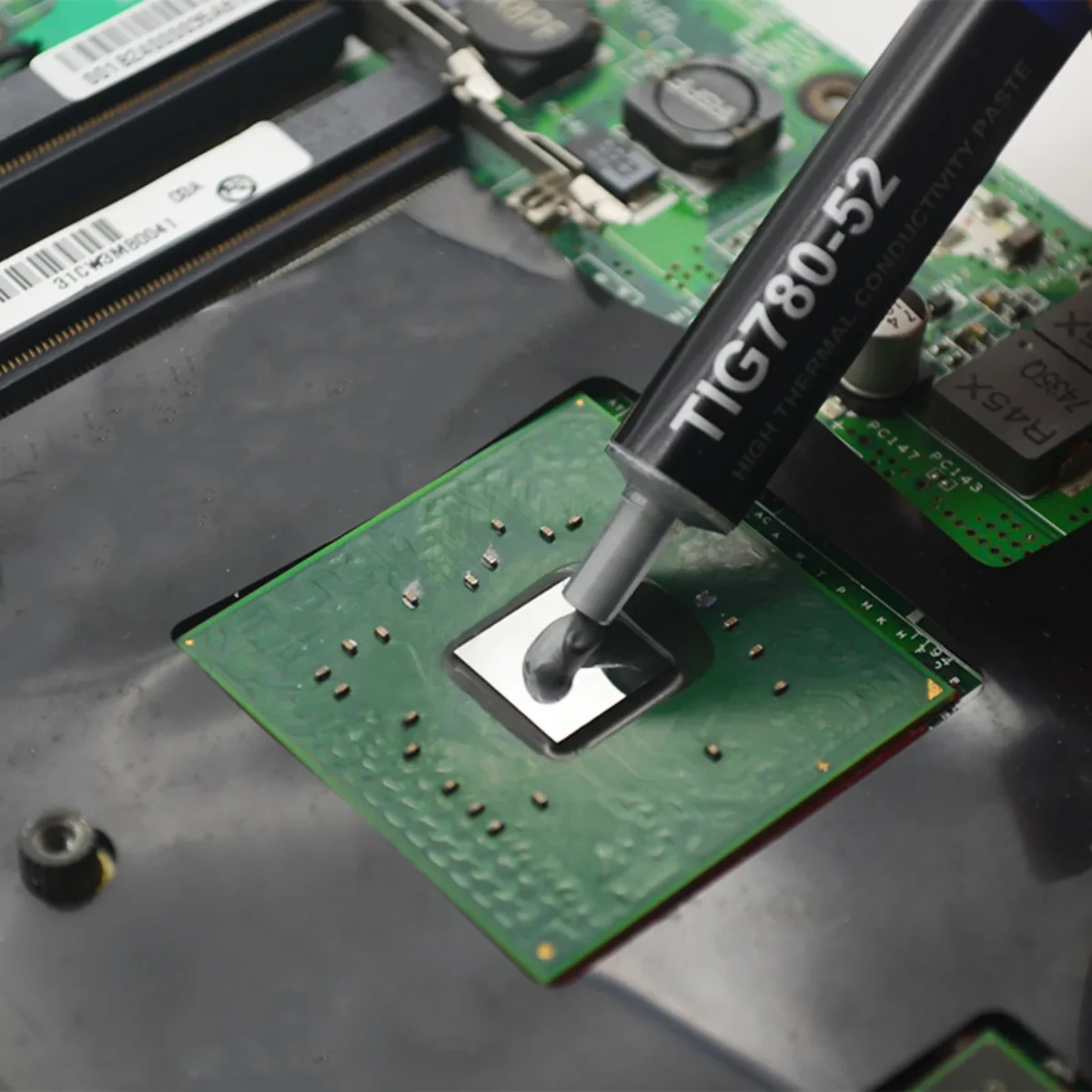
TIG
Thermal Grease
When the assembly can tolerate dispensing and you need the lowest absolute bondline — grease still wins.
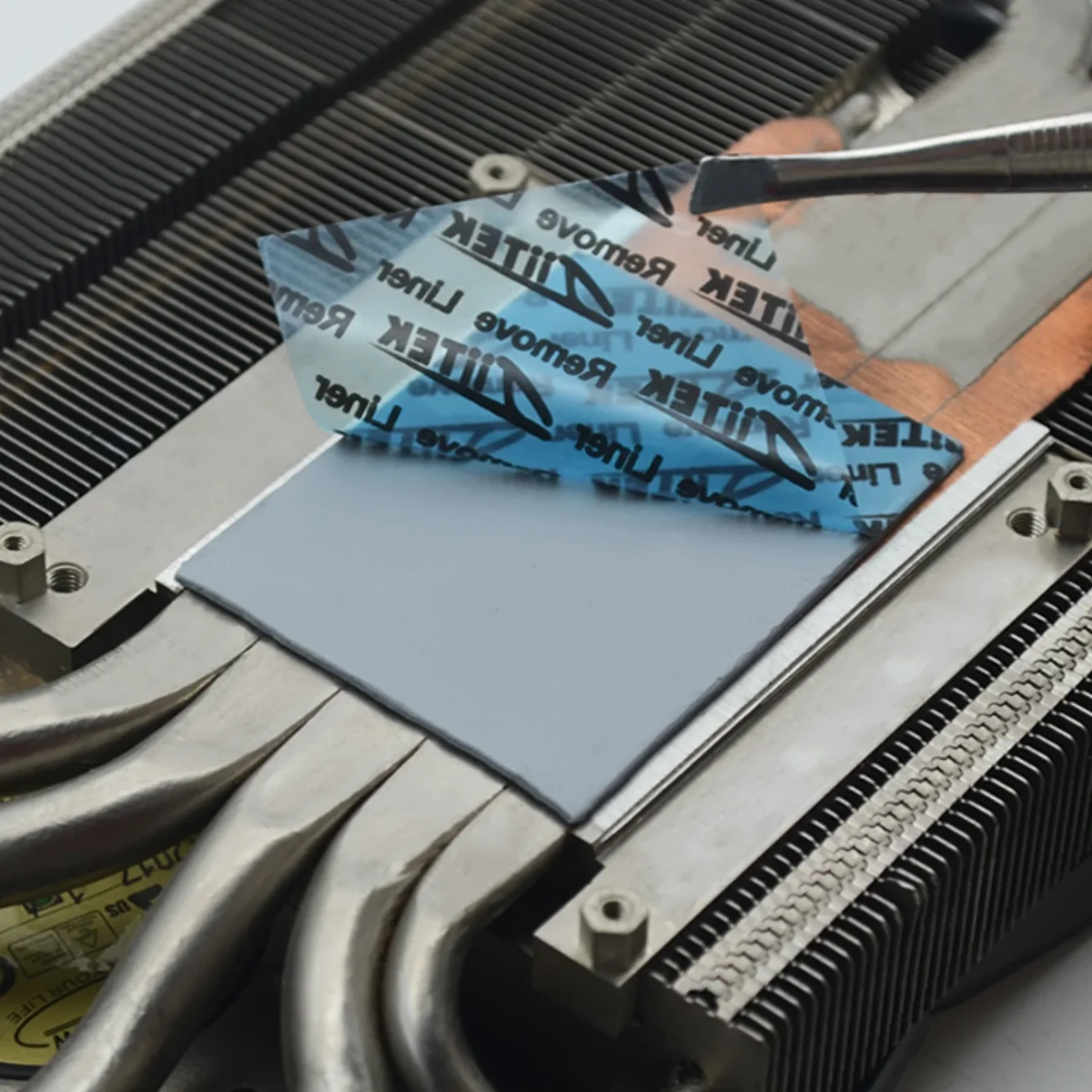
TIF
Silicone Thermal Pad
Use a pad when the bondline is wider than the PCM can fill (≥ 0.3 mm) or the operating temperature stays below transition.
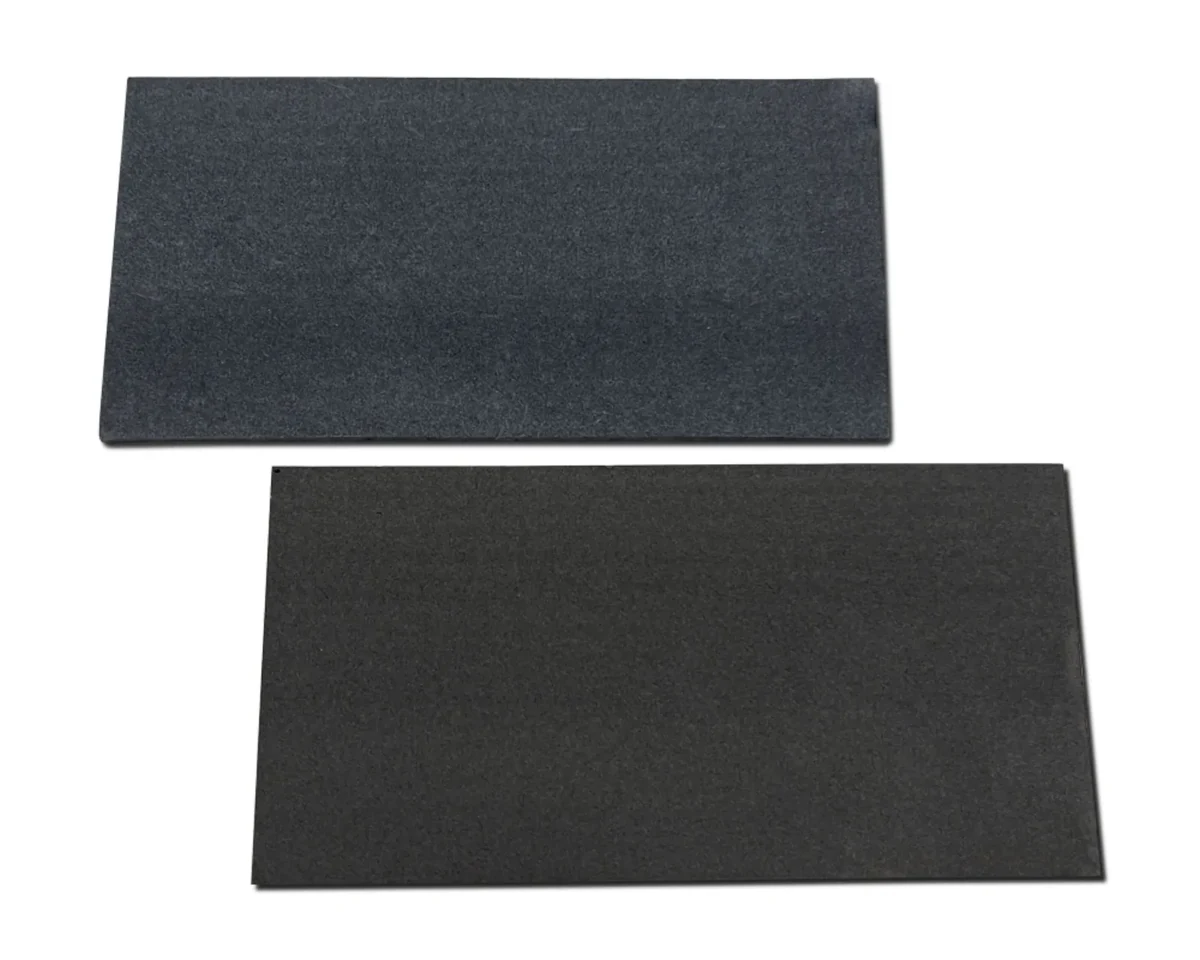
TIR
Thermal Graphite Sheet
Pair PCM with an in-plane graphite spreader on top of the heatsink for combined low-resistance + heat-spreading stacks.
Sample
Talk to engineering
Need help selecting transition temperature, carrier material, or evaluating bismuth alloy compatibility? 2-hour response.

Your next thermal solution
starts here.
From rapid prototyping to full-scale production — our engineers are ready to design a custom thermal solution for your application. Trusted by 5,000+ clients across EV, 5G, and consumer electronics.