Silicone foam gaskets
Closed-cell silicone foam gaskets and seals for enclosure tightness, EMI shielding, and shock absorption. 9 Z-Foam grades across density, hardness, and dielectric profiles — die-cut to any 2-D outline or supplied as sheet stock.
9
Z-Foam grades
Closed-cell
Cell structure
0.3 – 5.0 mm
Thickness (typical)
−55 – 200 °C
Operating range
UL94 V-0 / HBF
Flame rating
Every Silicone foam gaskets grade, one table
All 9 silicone foam gaskets part numbers with thermal conductivity (W/m·K), colour notes, and PDF datasheets. Click a model name with a link for full specs, photos, and application guidance.
| Photo | Model | Flame Rating | Density | PDF & next step |
|---|---|---|---|---|
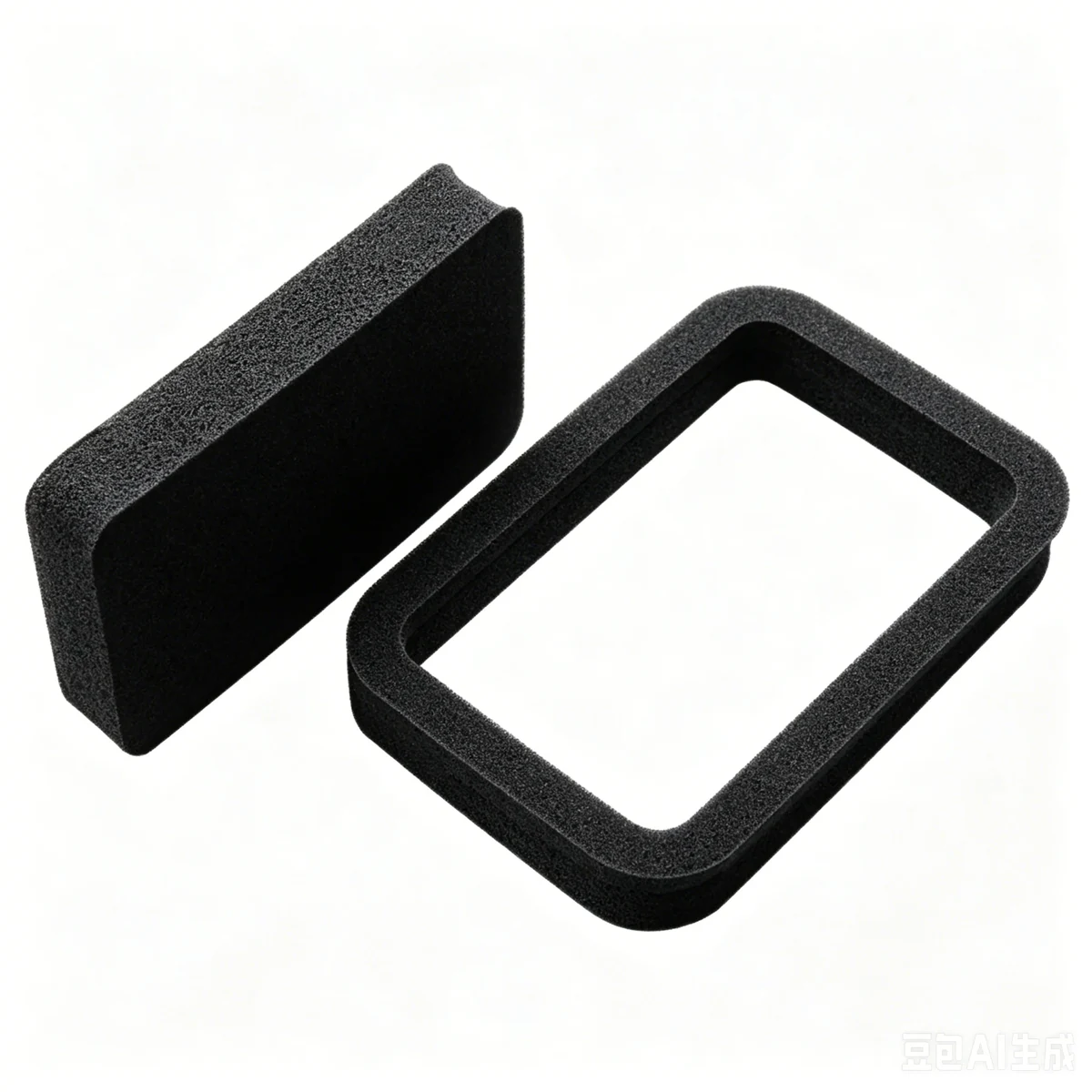 | Z-FOAM-800-01FC | V-0 | 0.8 | |
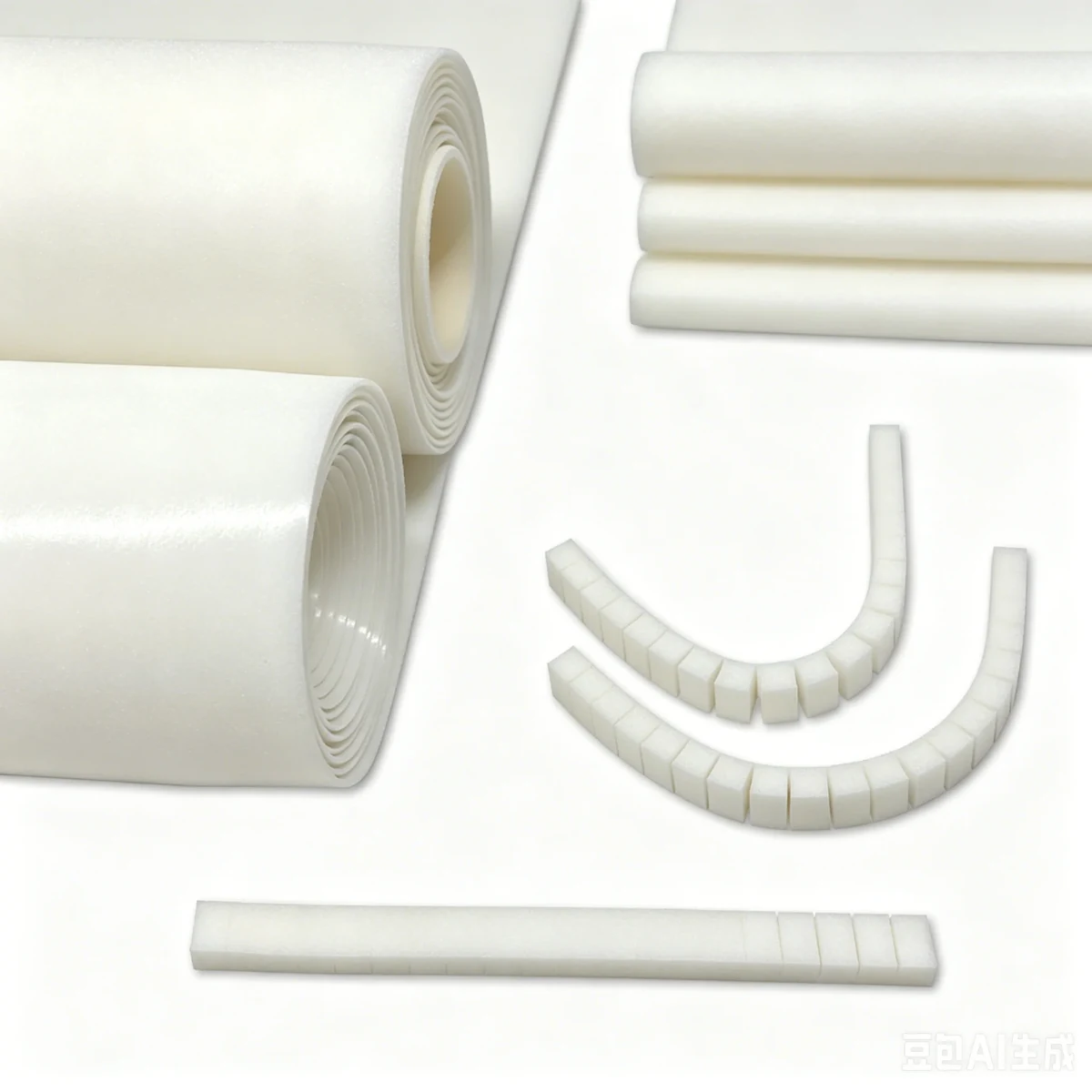 | Z-FOAM-800-06EC | V-0 | 0.2±0.03 | |
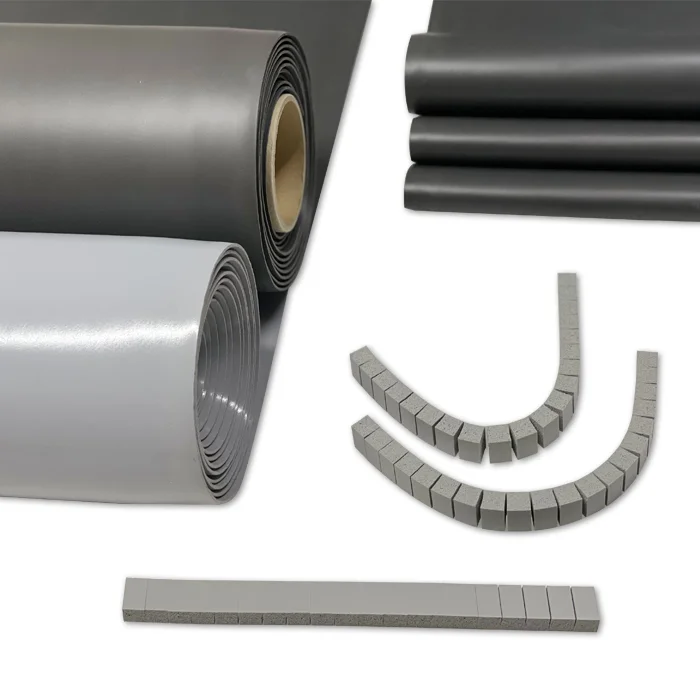 | Z-FOAM-800-10EC | V-0 | 0.2±0.03 | |
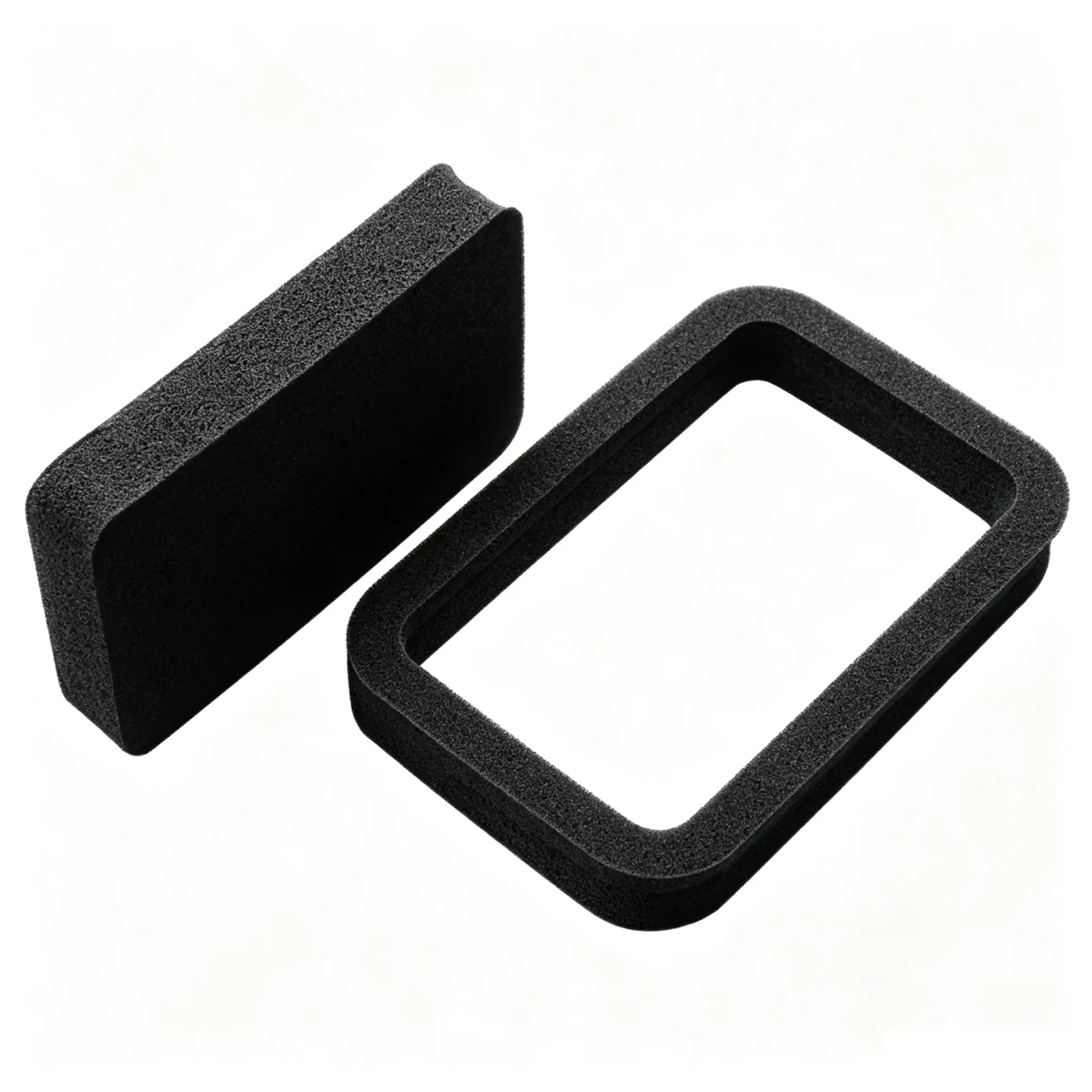 | Z-FOAM-800-01SC | V-0 | 0.35±0.03 | |
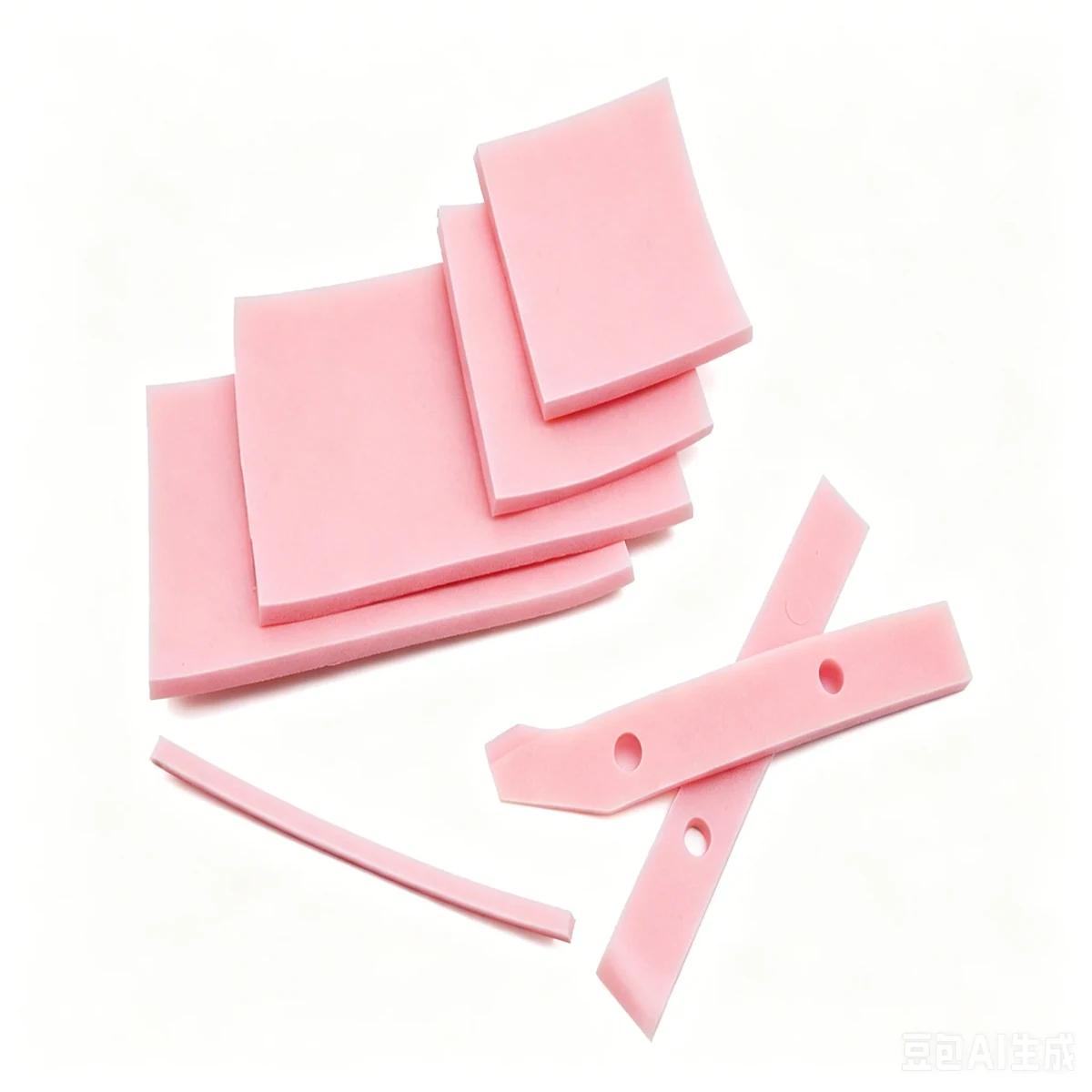 | Z-FOAM-800-13SC | V-0 | 0.35±0.03 | |
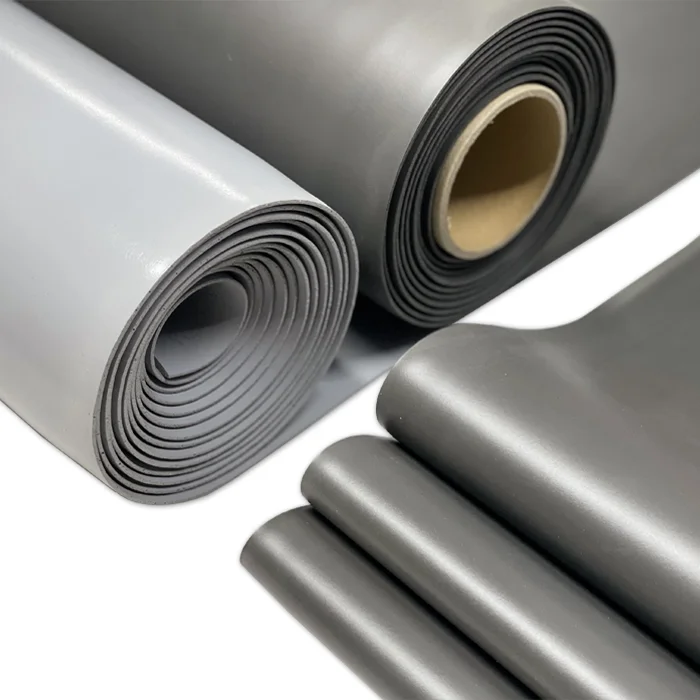 | Z-FOAM-800-10SC | — | 0.37 | |
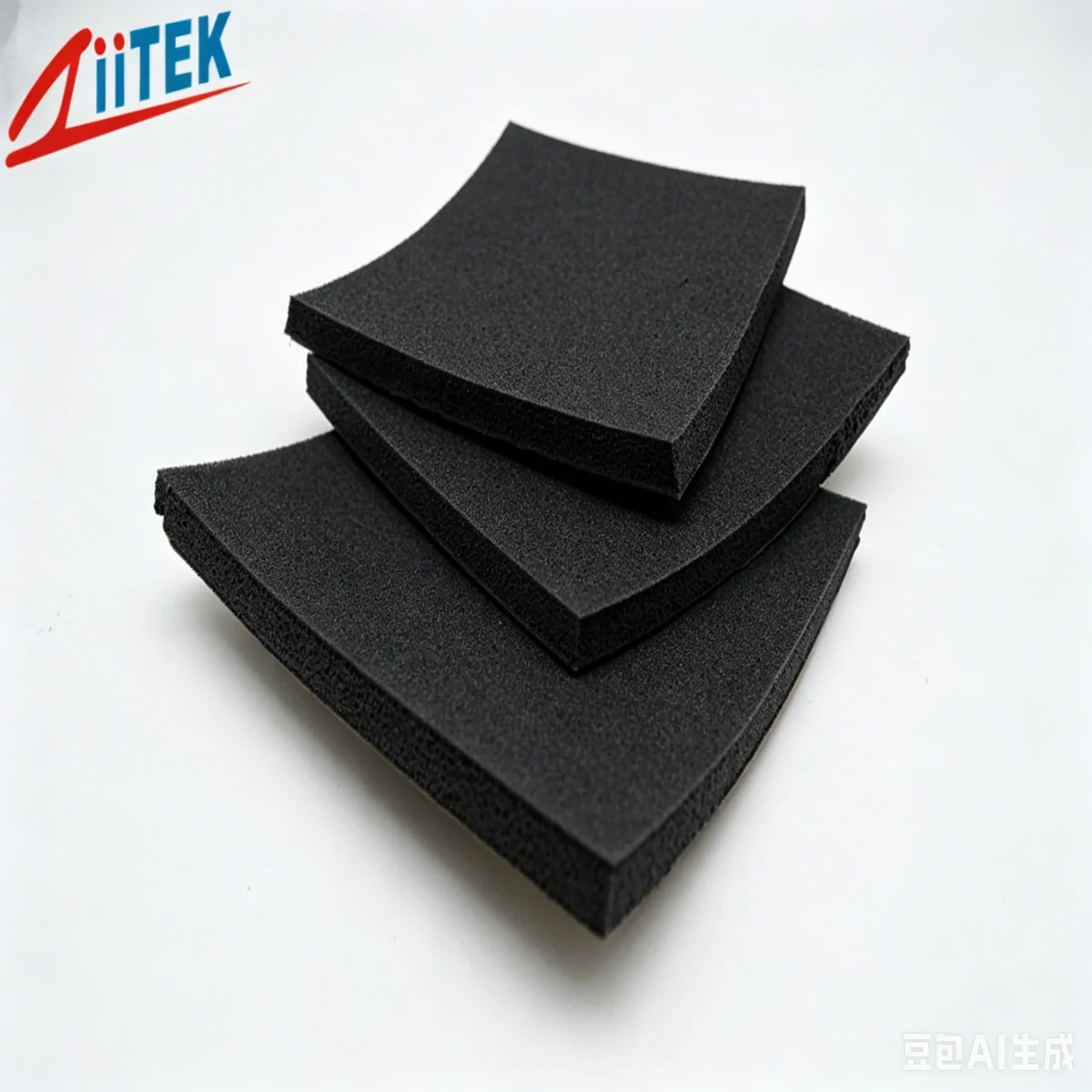 | Z-FOAM-800-01EC | V-0 | 0.27 | |
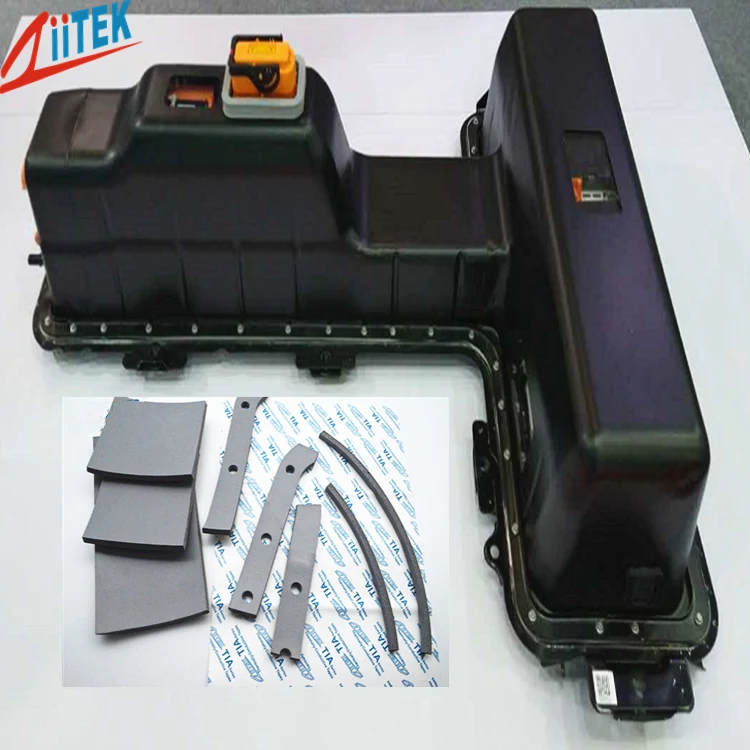 | Z-FOAM-800-10SEC | V-0 | 0.35±0.03 | |
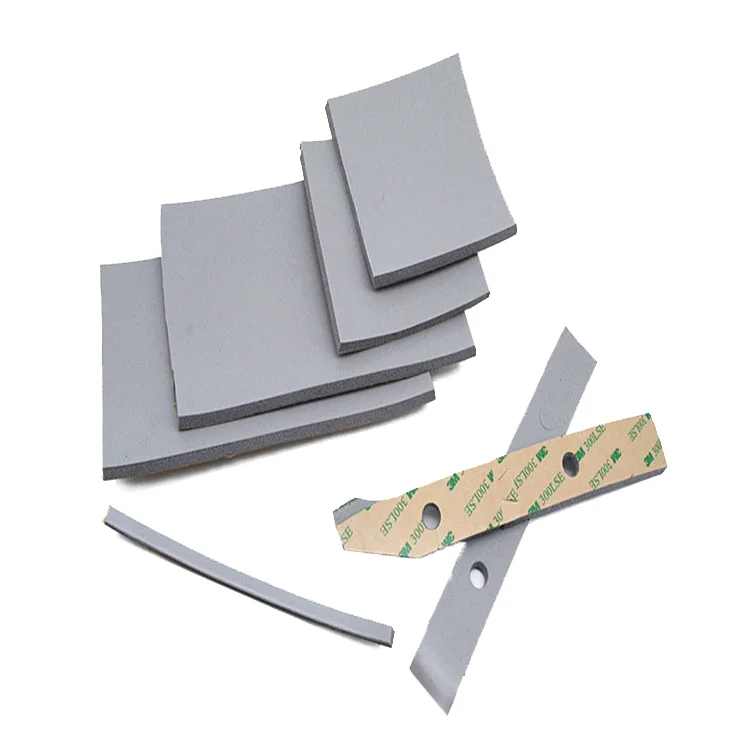 | Z-FOAM800-10SC-NS3 | — | 0.37 |
Where silicone foam gaskets fit
Closed-cell silicone foams seal racks, cabinets, and enclosure seams — qualification follows datasheet mechanics and safety: hardness, compression at load, dielectric behaviour, service temperature, and UL94 — not thermal conductivity.
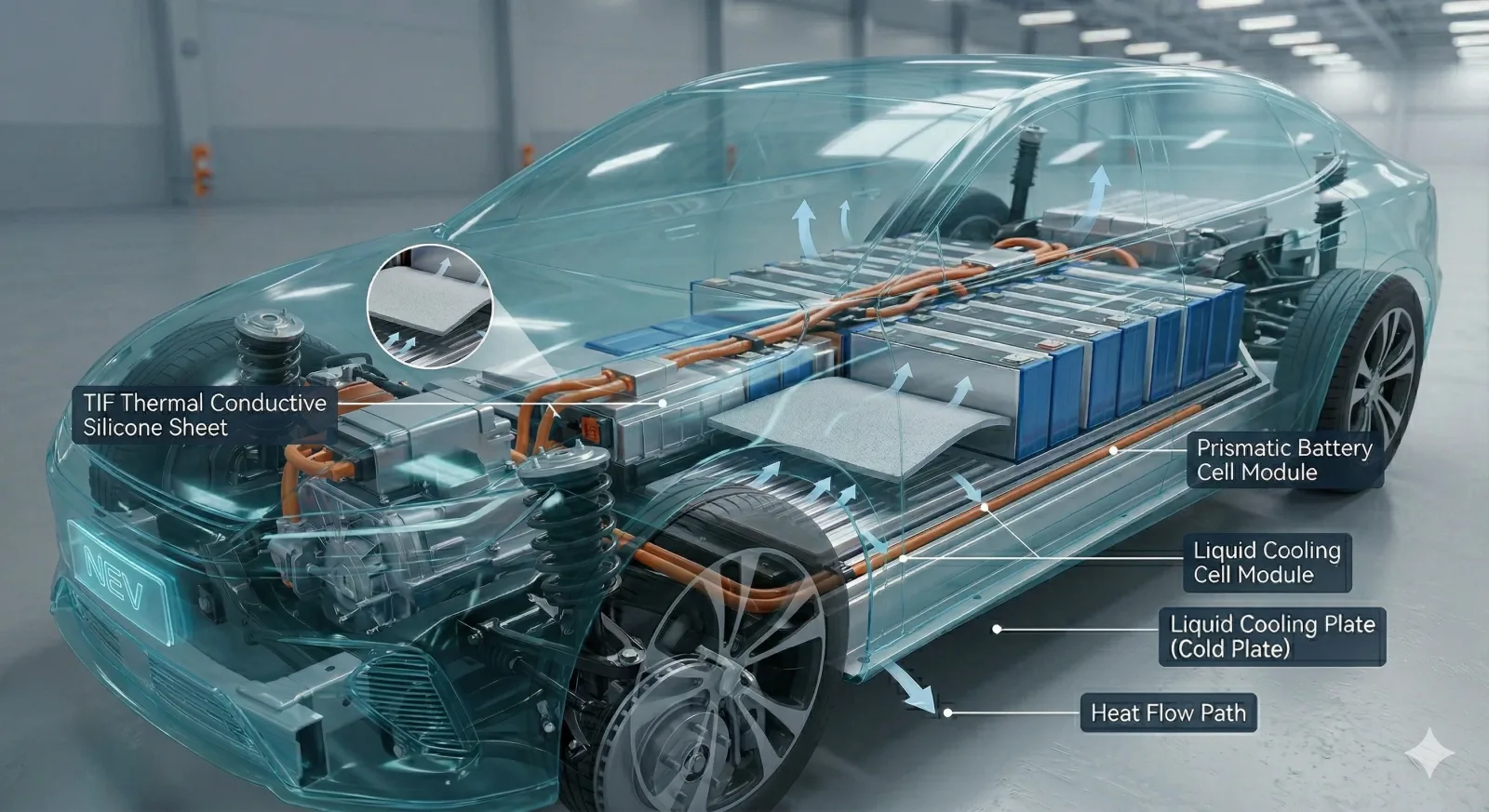
EV packs · OBC · inverters · BMS
New energy
EV battery modules, traction inverters, on-board chargers, and renewable power conversion — thermal management for high-current cycling loads with HV isolation requirements.
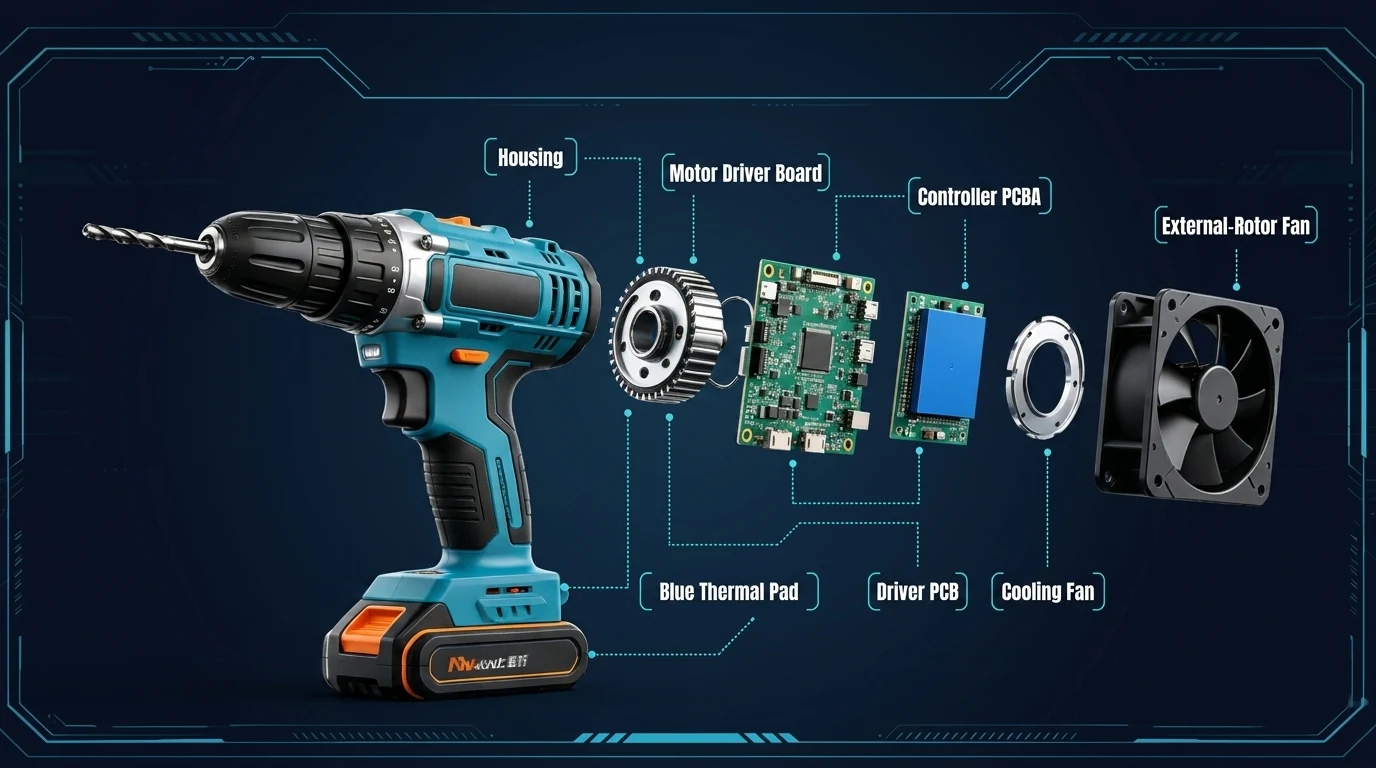
Drives · IGBT · controllers · sensors
Power Tools & Control Systems
Industrial controls, motor drives, power-stage IGBTs, and rugged modules — thermal interfaces, sealing, and encapsulation built for serviceable assemblies and harsh environments.
Typical datasheet layout (silicone foam gasket)
| Parameter | Typical range / note | Method |
|---|---|---|
| Colour | Grade-specific | Visual |
| Structure & components | Silicone rubber foam | — |
| Hardness (Shore C) | Grade-specific | ASTM D2240 |
| Density | g/cm³ — grade-specific | ASTM D792 |
| Tensile strength | Grade-specific | ASTM D412 |
| Compression @ rated load | % deflection — condition on PDF | ASTM D575 |
| Dielectric constant @ 1 MHz | Low-ε foam grades | ASTM D149 |
| Temperature range (°C) | Wide — grade-specific on datasheet | — |
| Flame rating | UL94 V-0 (file on datasheet) | UL94 |
* Representative grades. Request a lot-specific datasheet or CoA for your exact part number.
Silicone foam gaskets — common questions
Need help shortlisting or cross-referencing? Talk to a Ziitek thermal engineer — 2-hour response SLA.
Talk to an engineerWhat is a silicone foam gasket?
A silicone foam gasket is a compressible, cellular silicone elastomer cut to form a seal between two mating surfaces. The cellular structure lets it conform to surface irregularities at low compression force, providing repeatable environmental sealing (dust, water, gas) plus mechanical cushioning. Closed-cell variants block fluid migration through the foam itself; open-cell variants are softer but breathe.
When do I want closed-cell vs open-cell silicone foam?
Choose closed-cell foam when the gasket has to seal against water spray, dust ingress (IP54+), or pressure differentials — the trapped gas in each cell prevents through-gasket leakage. Open-cell foam is typically softer at the same density and works for cushioning, vibration damping, and acoustic absorption where sealing is not the primary requirement. Z-Foam 800 grades on this page are predominantly closed-cell.
How is silicone foam different from a solid silicone gasket?
Density is the headline difference. A solid silicone gasket is roughly 1.1–1.3 g/cm³ and resists compression; a foam gasket runs 0.20–0.45 g/cm³ and compresses by 25–50% at modest force. That low compression force matters when the enclosure is plastic and clamping bolts can warp lid flatness. Foam also gives better impact absorption for ruggedized enclosures.
Can silicone foam be die-cut to complex outlines?
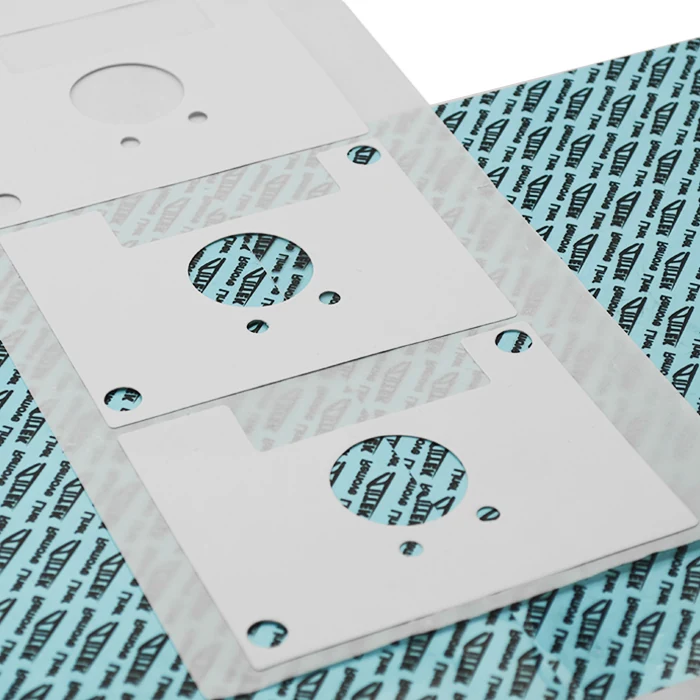
Yes — kiss-cut and through-cut tooling handles 2-D shapes including L-profiles, internal cutouts, and pressure-sensitive adhesive (PSA) backing for self-adhesion to one mating face. Tolerance on production tools is typically ±0.2 mm on outline and ±0.1 mm on hole positions. Send a DXF or STEP drawing; tooling lead times are quoted per project.
Does Z-Foam provide EMI shielding?
Several Z-Foam grades incorporate conductive fillers (Ni-coated graphite, silver-plated glass) for combined gasket + EMI shielding duty — typical shielding effectiveness is 80–110 dB across 100 MHz – 10 GHz. Plain (non-conductive) foam grades provide environmental sealing only. Ask which grade fits your shielding-effectiveness target.
How do I specify the right hardness?
For most enclosure gasketing, 25 % compression force at 25 % deflection (CFD-25) is the figure that determines clamping bolt count and torque. Soft grades (≈ 35 Shore 00) suit plastic enclosures with widely-spaced bolts; firmer grades (≈ 55 Shore 00) suit stamped-metal lids that need higher rebound force to maintain seal across thermal cycles. Each datasheet lists the CFD curve.
Adjacent thermal management lines
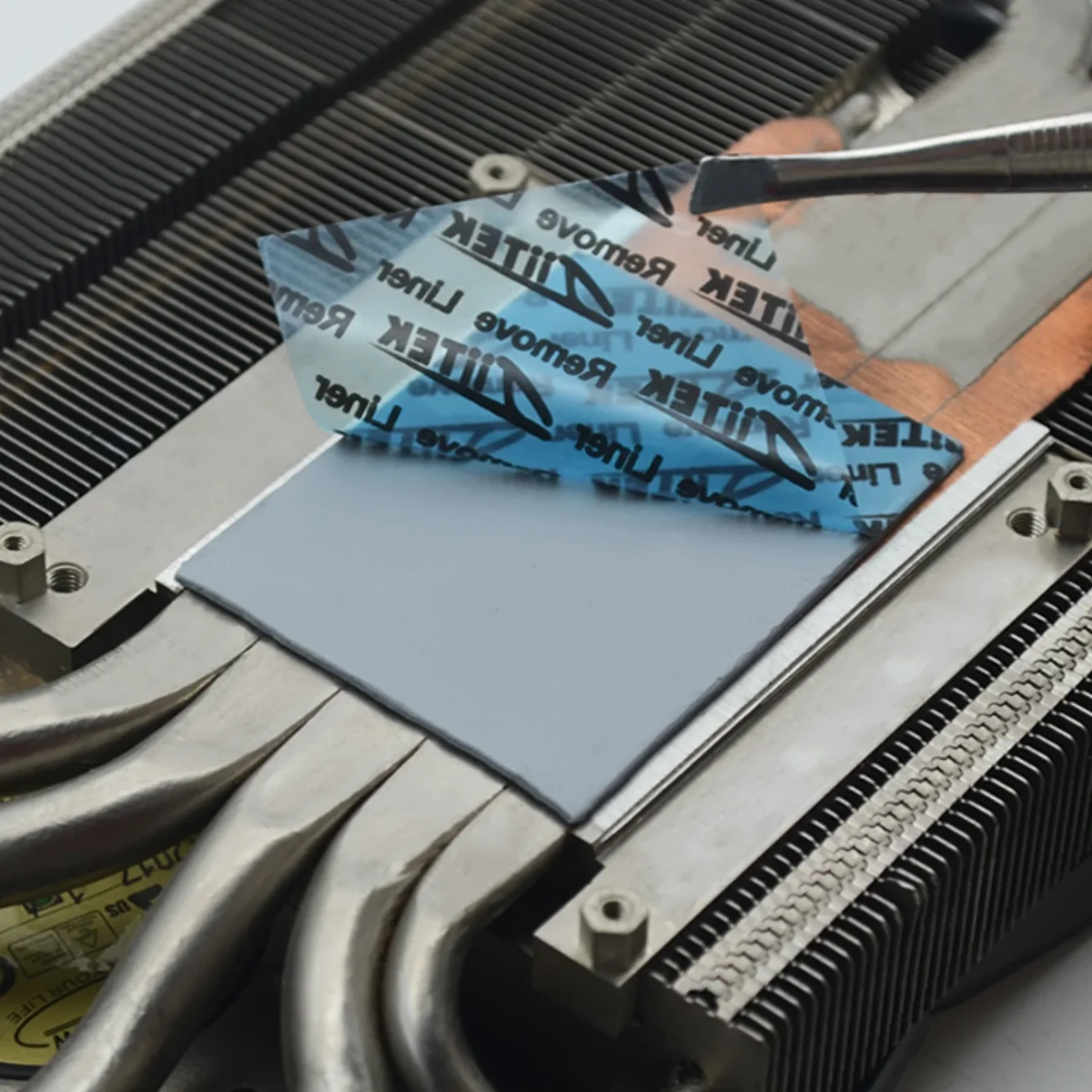
TIF
Silicone Thermal Pad
Pair a thermal pad on the heat source with a foam gasket on the lid for full thermal + sealing stacks.
Tape
Thermal Adhesive Tape
Self-adhesive thermally conductive tape — bonding plus thermal transfer where foam is too thick.
Z-Paster
Non-Silicone Thermal Pad
Silicone-free alternatives for outgassing-sensitive cavities adjacent to optical sensors.
Sample
Talk to engineering
Need help with EMI shielding effectiveness, IP rating, or tooling? Ziitek engineers respond within 2 hours.

Your next thermal solution
starts here.
From rapid prototyping to full-scale production — our engineers are ready to design a custom thermal solution for your application. Trusted by 5,000+ clients across EV, 5G, and consumer electronics.