Silicone foam gaskets
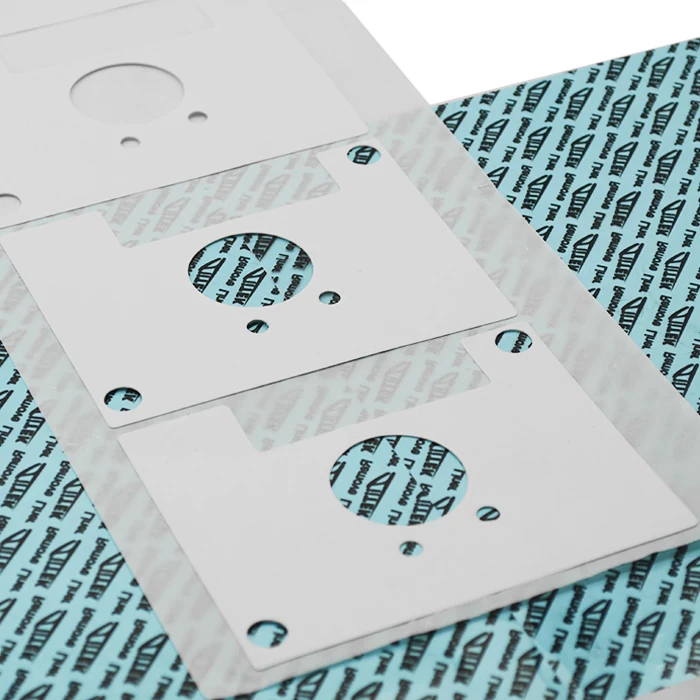
Closed-cell silicone foam gaskets and seals for enclosure tightness, EMI shielding, and shock absorption. 9 Z-Foam grades across density, hardness, and dielectric profiles — die-cut to any 2-D outline or supplied as sheet stock.
9
Z-Foam グレード
独立気泡
セル構造
0.3 – 5.0 mm
厚さ(標準値)
−55 – 200 °C
動作範囲
UL94 V-0 / HBF
難燃性等級
選定準備
製品名ではなく、熱設計の構成から選定を始めます。
適切な候補選定には、熱経路と組立条件の確認が必要です。以下の情報を共有いただければ、Ziitek が適したグレードと資料を絞り込みます。
界面・形状
接触面積、ギャップまたは目標ボンドライン、表面の平坦性をご提示ください。
熱的な目標
電力または熱流束、許容温度上昇、ヒートシンクや筐体の制約をご提示ください。
電気・量産条件
絶縁、規格、組立方法、リワーク、想定数量の要件をお知らせください。
すべてのSilicone foam gasketsグレードを一覧表で
全9種のsilicone foam gaskets品番を熱伝導率(W/m·K)、色の注記、PDFデータシートとともに掲載しています。リンク付きのモデル名をクリックすると、詳細な仕様、写真、応用ガイダンスをご覧いただけます。
| 写真 | モデル | 難燃性等級 | 密度 | PDFと次のステップ |
|---|---|---|---|---|
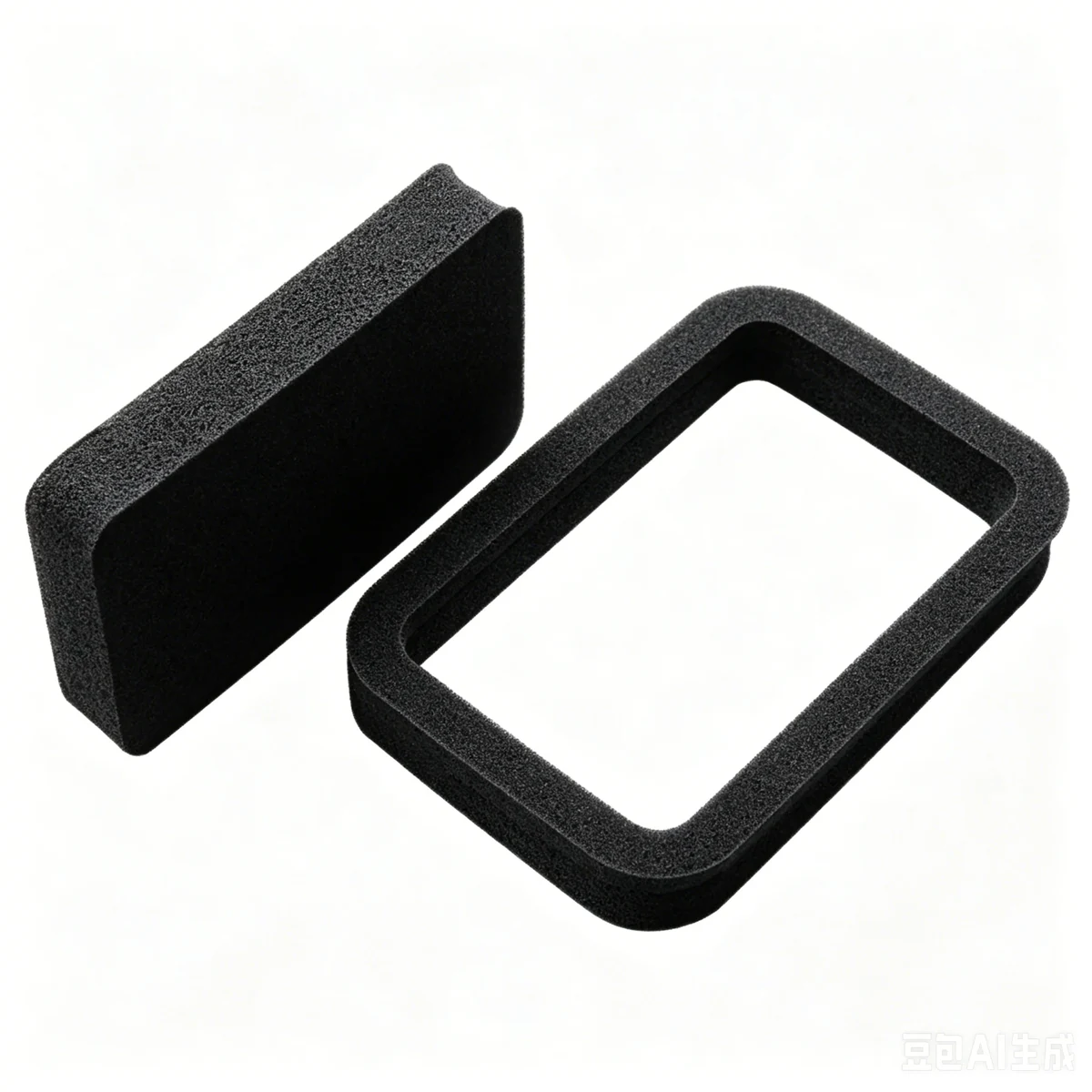 | Z-FOAM-800-01FC | V-0 | 0.8 g/cm³ | |
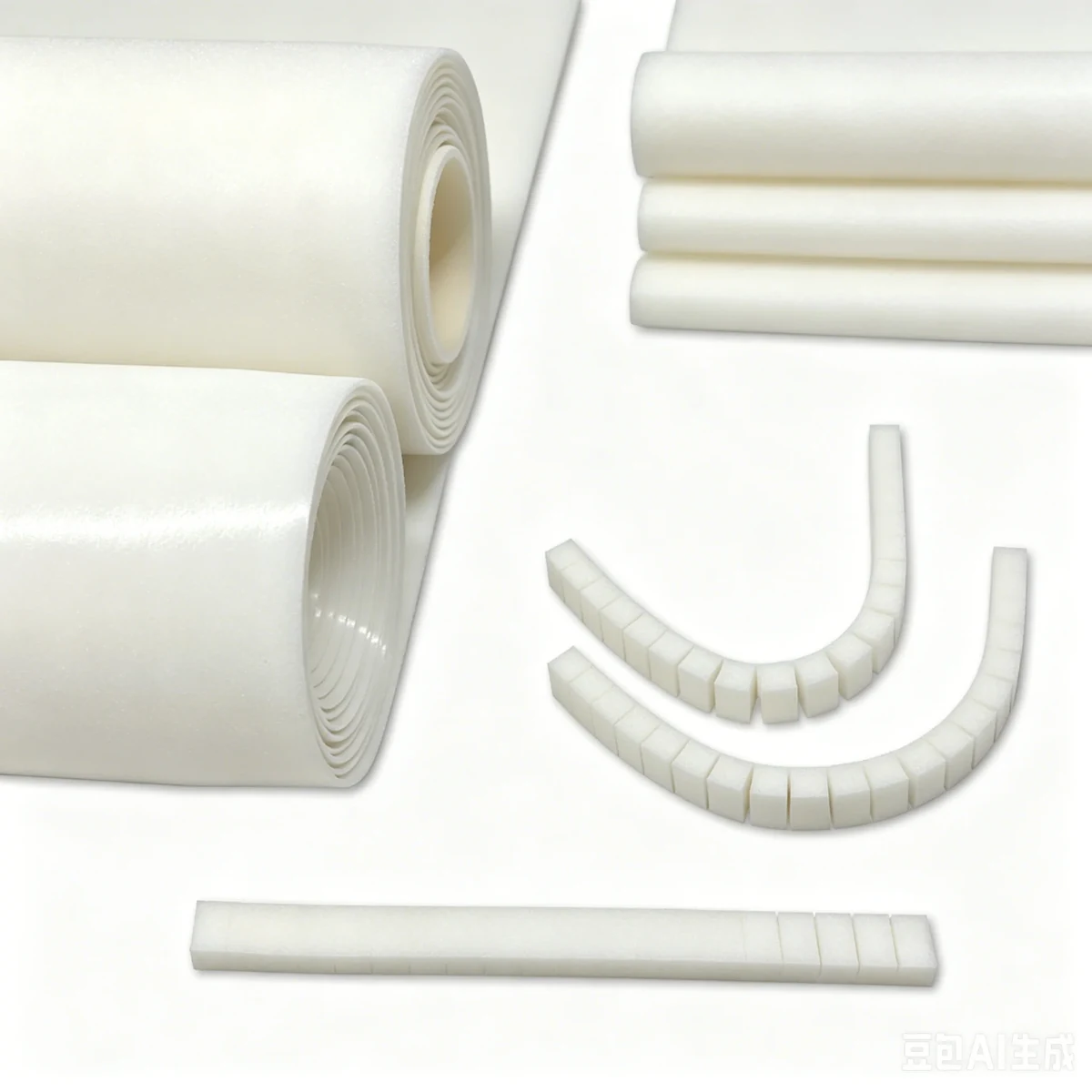 | Z-FOAM-800-06EC | V-0 | 0.2±0.03 g/cm³ | |
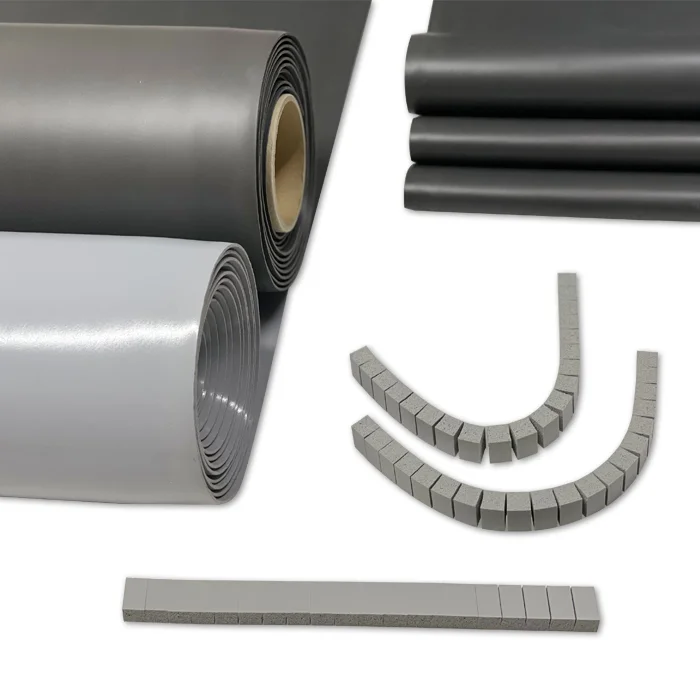 | Z-FOAM-800-10EC | V-0 | 0.2±0.03 g/cm³ | |
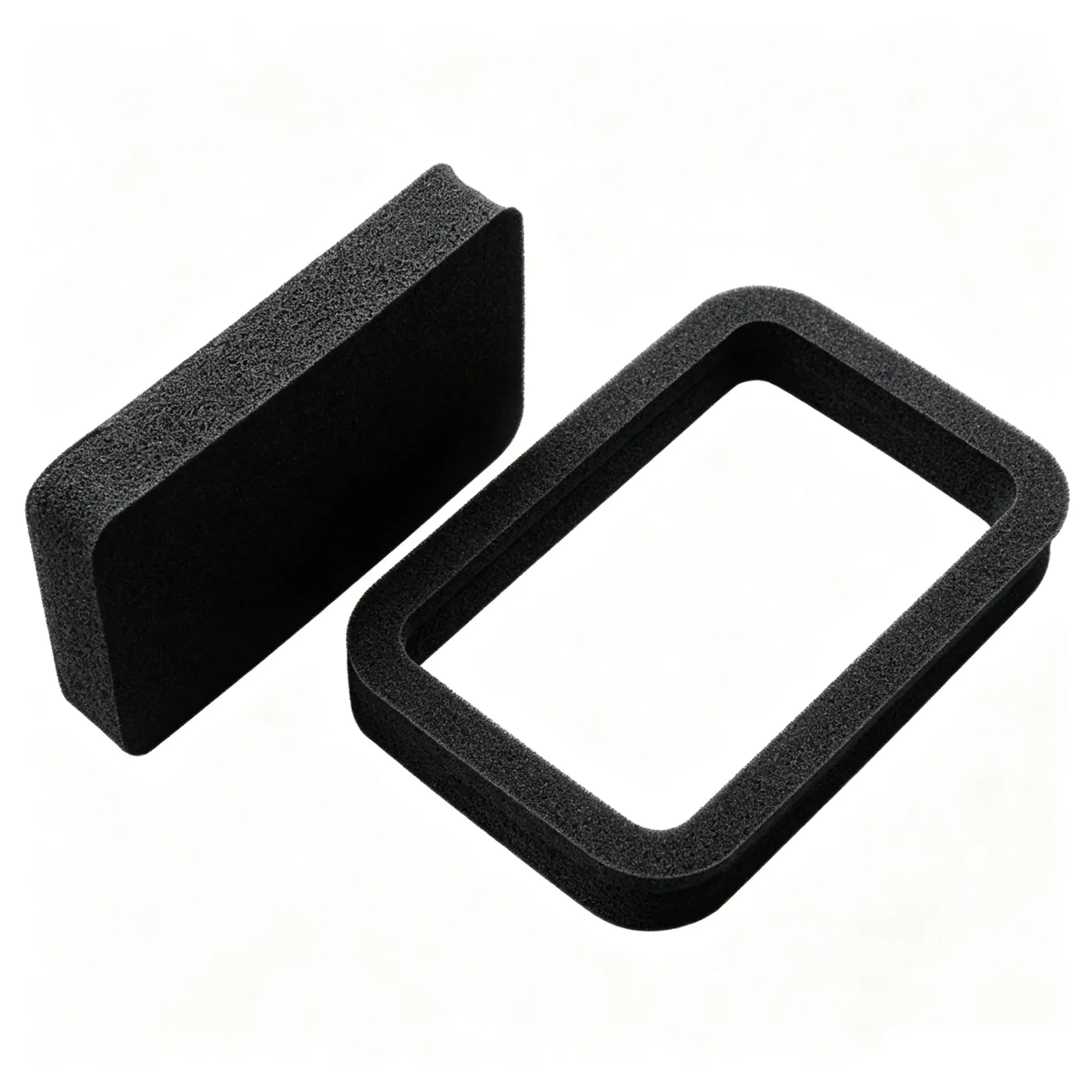 | Z-FOAM-800-01SC | V-0 | 0.35±0.03 g/cm³ | |
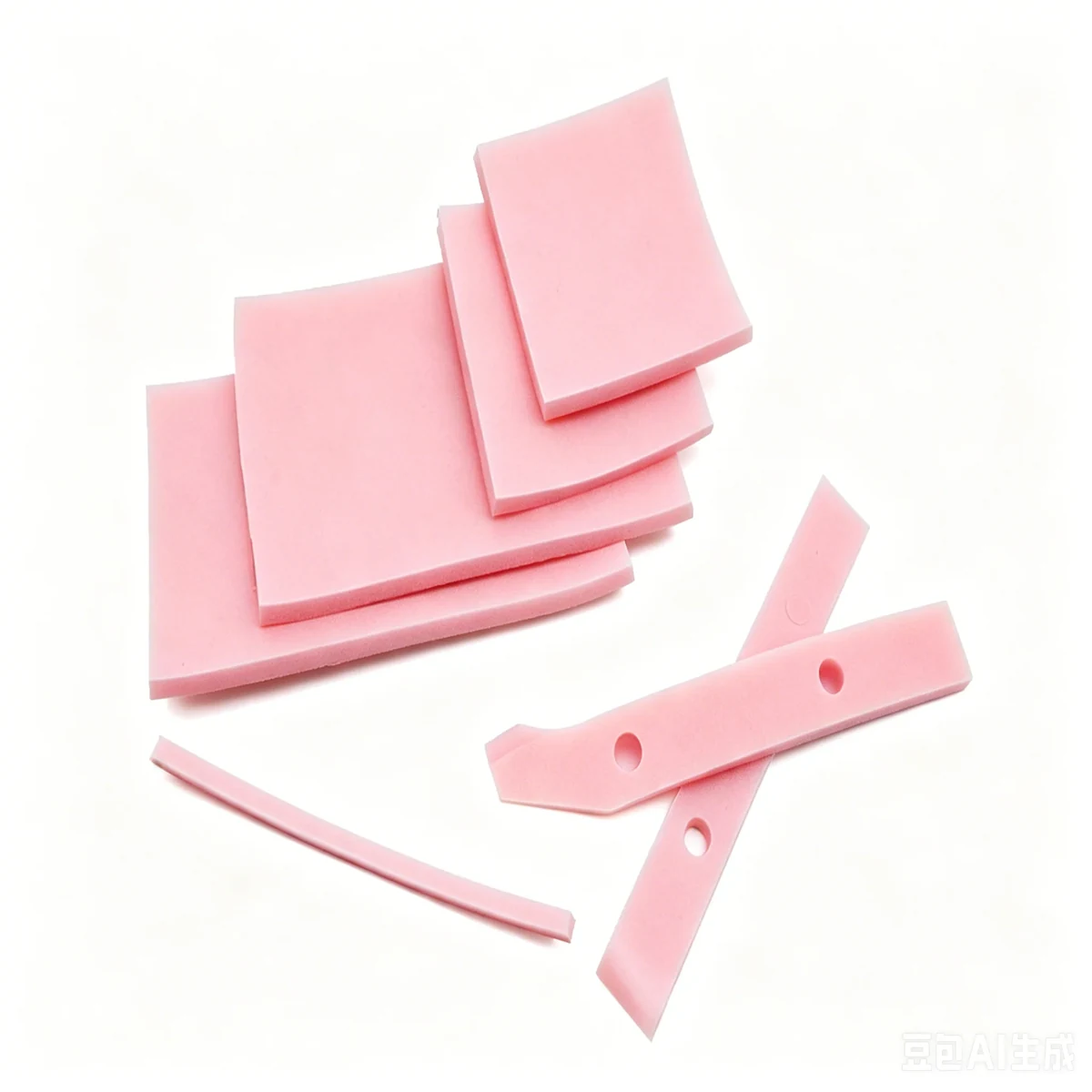 | Z-FOAM-800-13SC | V-0 | 0.35±0.03 g/cm³ | |
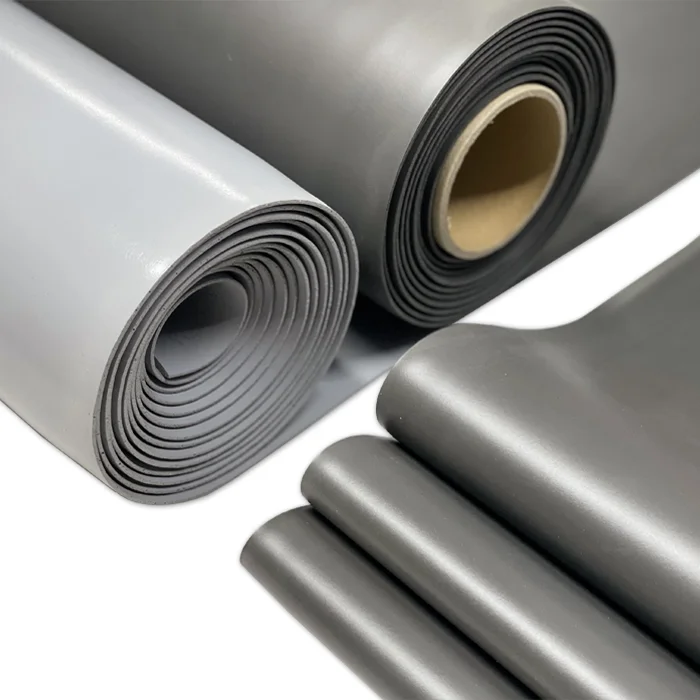 | Z-FOAM-800-10SC | — | 0.37 g/cm³ | |
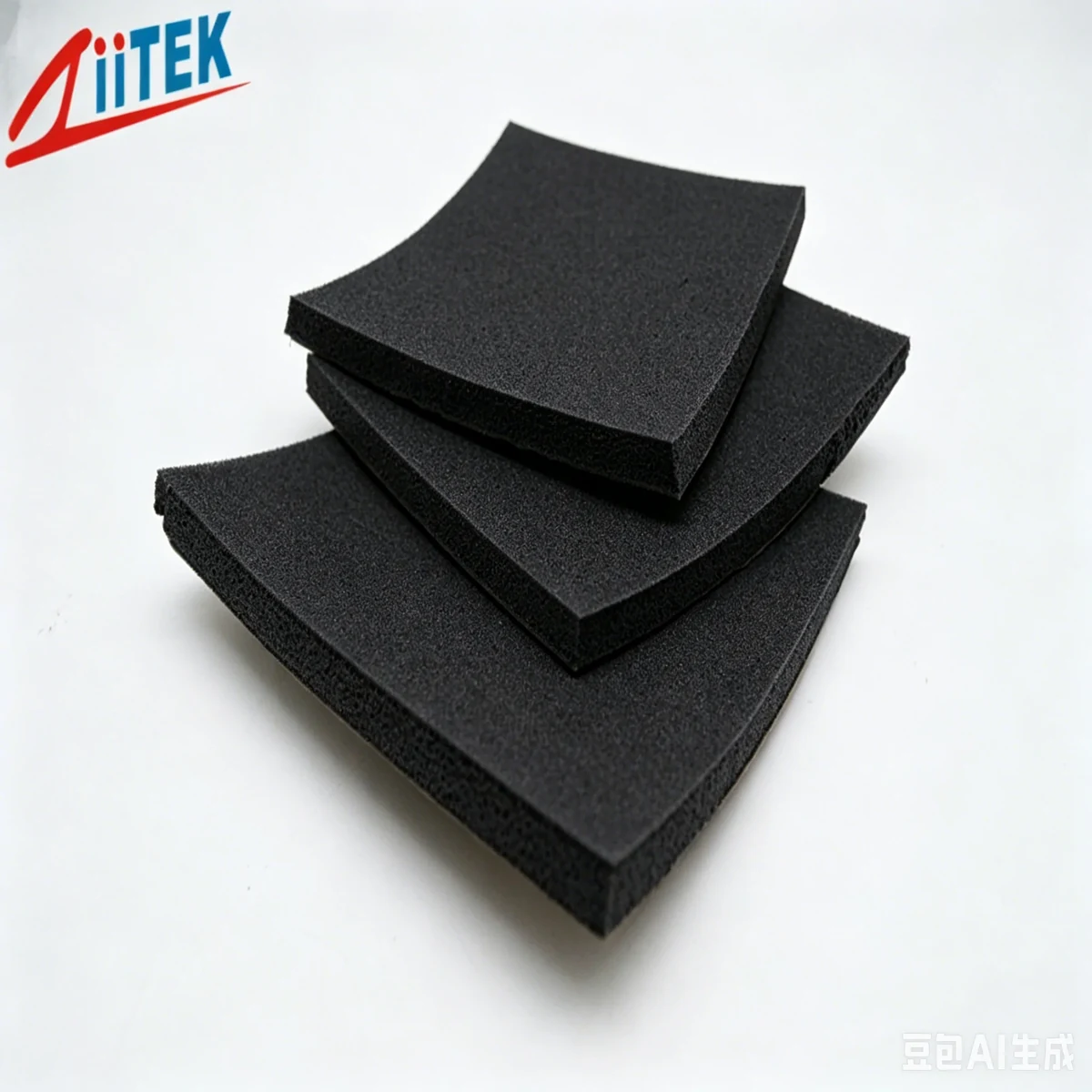 | Z-FOAM-800-01EC | V-0 | 0.27 g/cm³ | |
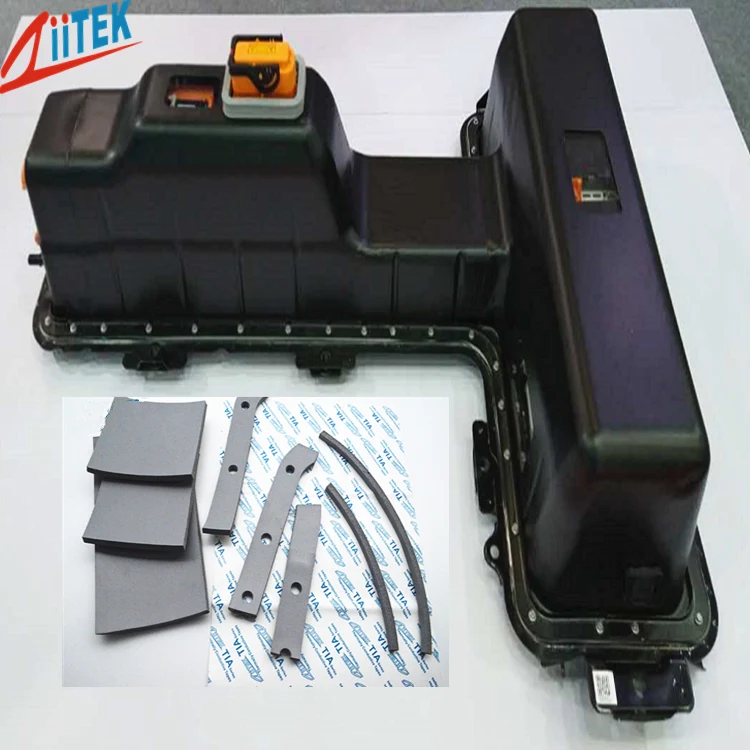 | Z-FOAM-800-10SEC | V-0 | 0.35±0.03 g/cm³ | |
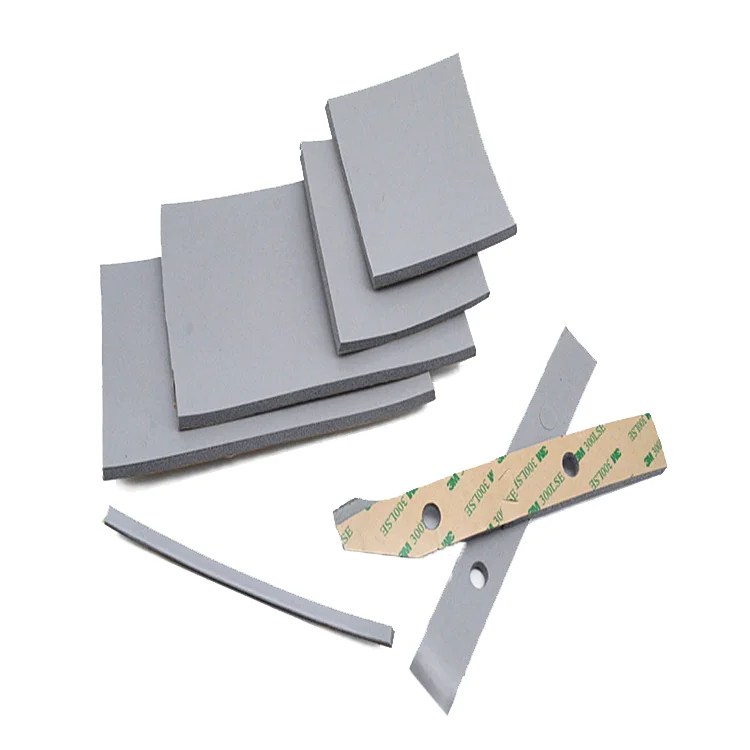 | Z-FOAM800-10SC-NS3 | — | 0.37 g/cm³ |
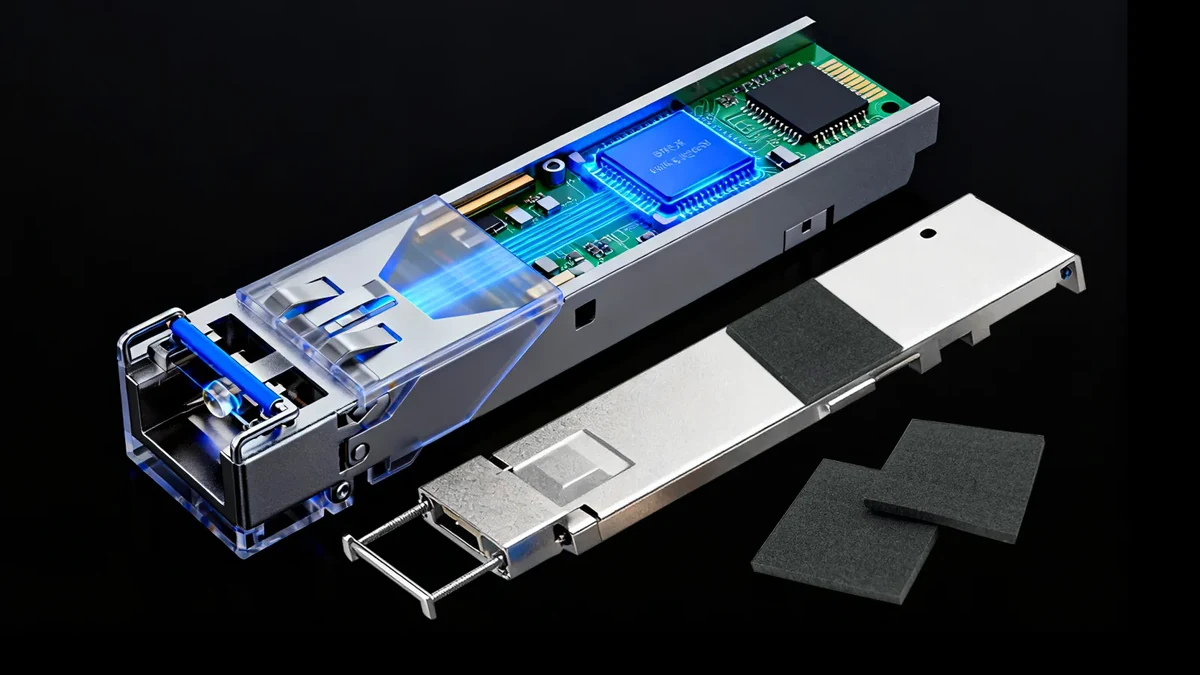
シリコンフォームガスケットの用途
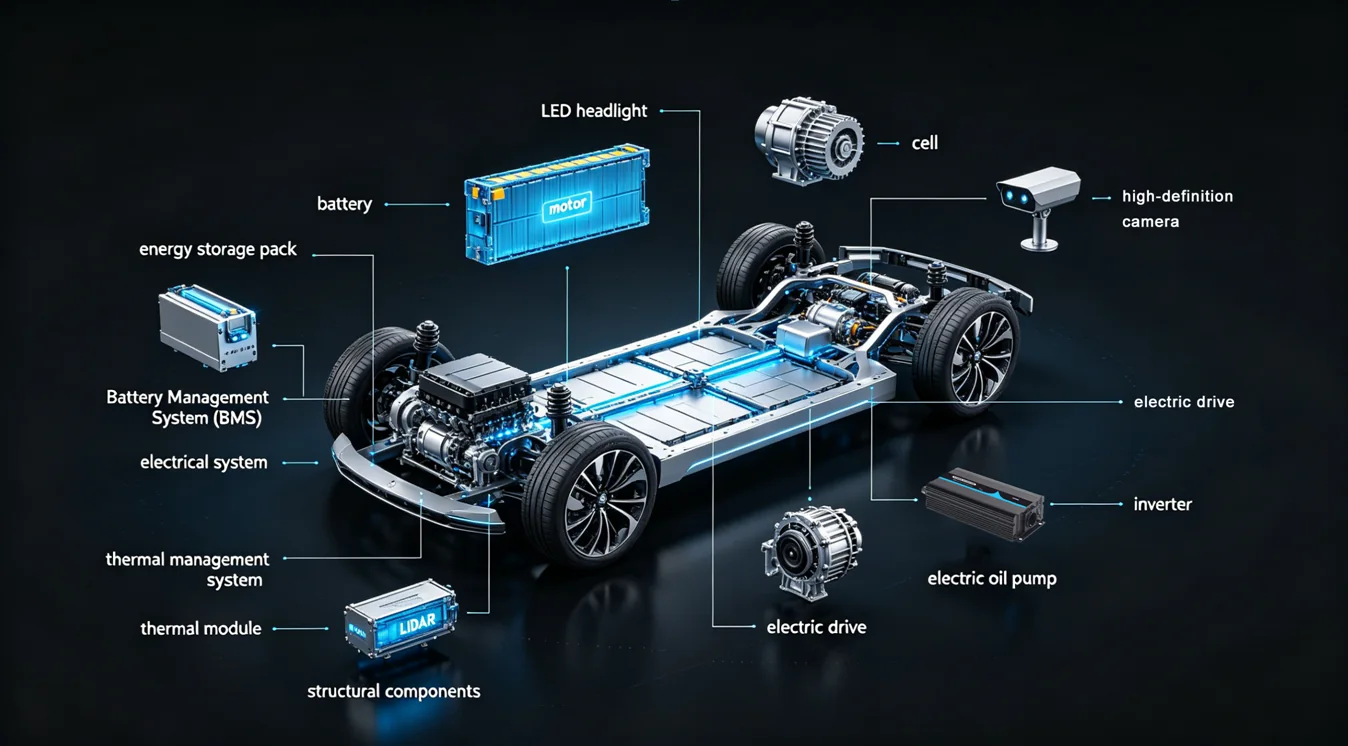
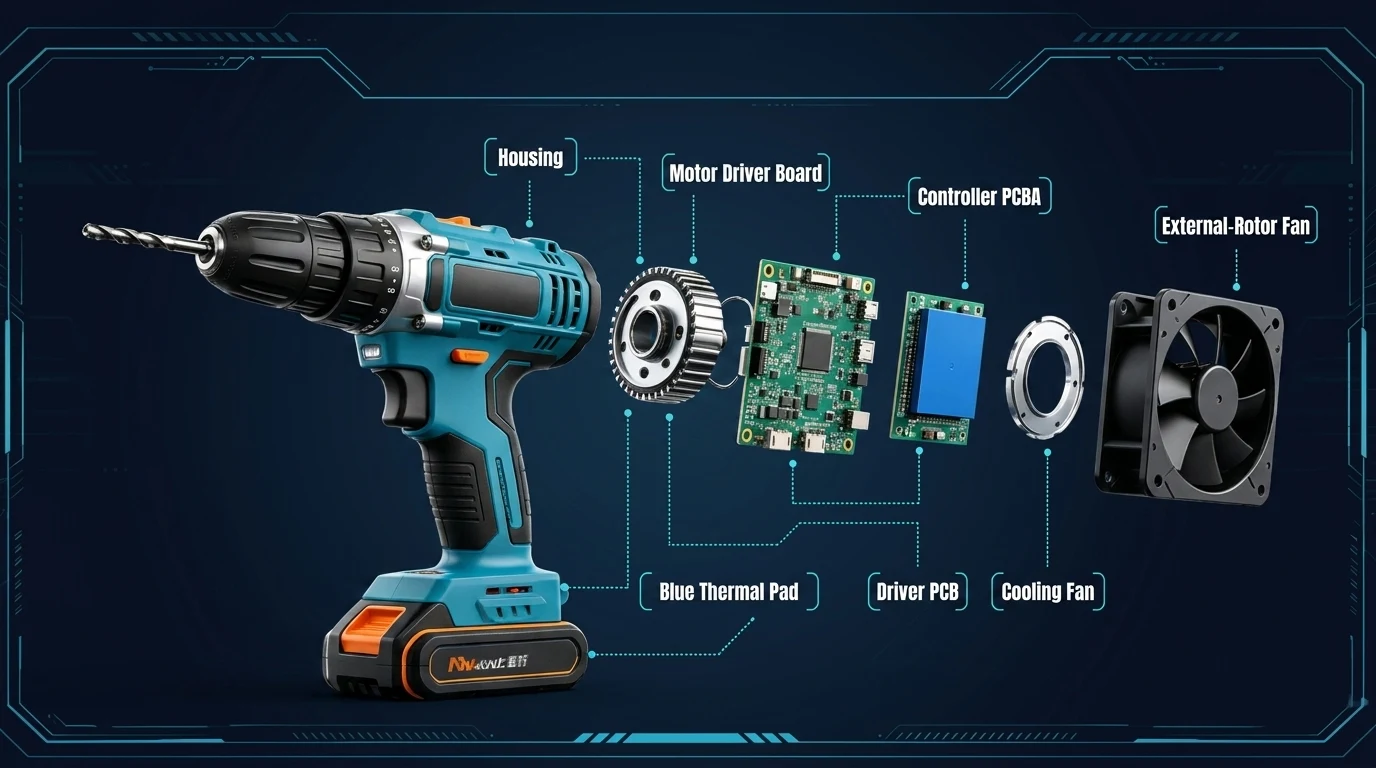
代表的なデータシートのレイアウト(シリコーンフォームガスケット)
| パラメーター | 代表的な範囲/備考 | 試験方法 |
|---|---|---|
| 色 | グレード別 | 外観 |
| 構造とコンポーネント | シリコーンゴムフォーム | — |
| 硬度(ショアC) | グレード別 | ASTM D2240 |
| 密度 | g/cm³ — グレードによる | ASTM D792 |
| 引張強度 | グレード別 | ASTM D412 |
| 圧縮率 @ 定格荷重 | たわみ率 (%) — 条件はPDFに記載 | ASTM D575 |
| 誘電率 @ 1 MHz | 低εフォームグレード | ASTM D149 |
| 温度範囲 (°C) | 広範囲 — グレードにより異なります。データシートをご参照ください | — |
| 難燃性等級 | UL94 V-0(ファイルはデータシート参照) | UL94 |
Silicone foam gaskets — よくあるご質問
製品の選定やクロスリファレンスでお困りですか?Ziitekの熱対策エンジニアにご相談ください。2時間以内の応答をお約束します。
エンジニアに相談するWhat is a silicone foam gasket?
When do I want closed-cell vs open-cell silicone foam?
How is silicone foam different from a solid silicone gasket?
Can silicone foam be die-cut to complex outlines?
Does Z-Foam provide EMI shielding?
How do I specify the right hardness?
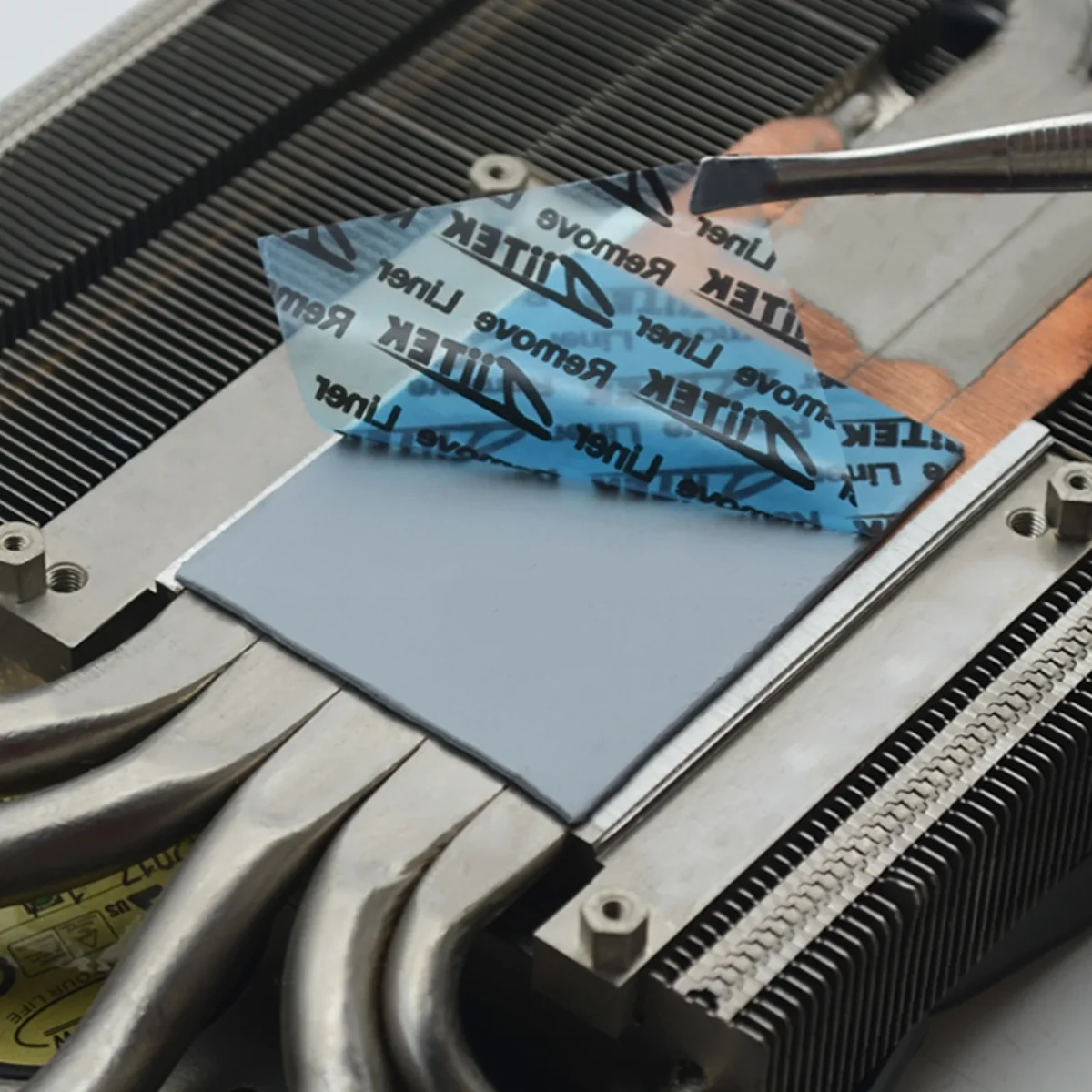
Your next thermal solution starts here.
From rapid prototyping to full-scale production — our engineers are ready to design a custom thermal solution for your application. Trusted by 7,000+ clients across EV, 5G, and consumer electronics.