Thermally conductive insulators
Dielectric thermal interface films for power-semiconductor packages, IGBT modules, and high-voltage isolation. 29 TIS grades — λ 0.6–4.5 W/m·K with breakdown voltage to 6 kV/mm — in mica, silicone-rubber, and ceramic-loaded constructions.
29
TISグレード
0.6–4.5 W/m·K
熱伝導率 (λ)
最大 6 kV/mm
絶縁耐力
0.13 – 0.5 mm
厚さ(標準値)
UL94 V-0
難燃性等級
選定準備
製品名ではなく、熱設計の構成から選定を始めます。
適切な候補選定には、熱経路と組立条件の確認が必要です。以下の情報を共有いただければ、Ziitek が適したグレードと資料を絞り込みます。
界面・形状
接触面積、ギャップまたは目標ボンドライン、表面の平坦性をご提示ください。
熱的な目標
電力または熱流束、許容温度上昇、ヒートシンクや筐体の制約をご提示ください。
電気・量産条件
絶縁、規格、組立方法、リワーク、想定数量の要件をお知らせください。
Three families: silicone-rubber, mica/composite, and high-voltage modules
すべてのThermally conductive insulatorsグレードを一覧表で
全27種のthermally conductive insulators品番を熱伝導率(W/m·K)、色の注記、PDFデータシートとともに掲載しています。リンク付きのモデル名をクリックすると、詳細な仕様、写真、応用ガイダンスをご覧いただけます。
| 写真 | モデル | λ (W/m·K) | 比重 | PDFと次のステップ |
|---|---|---|---|---|
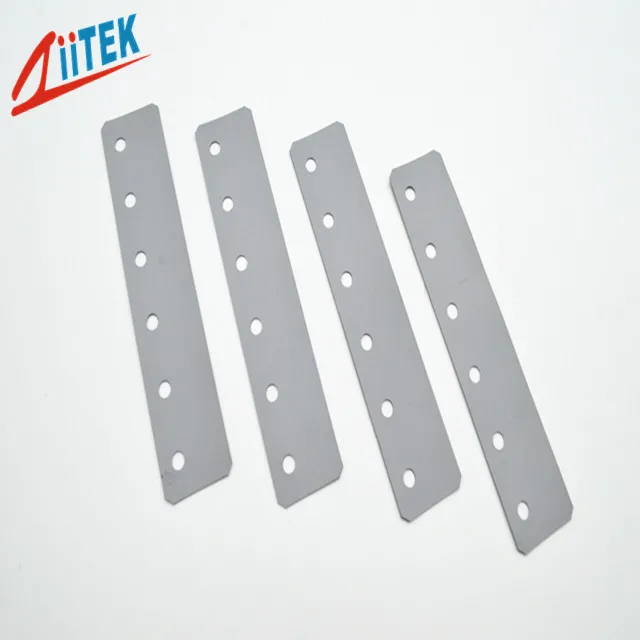 | TIS100-01 | 1 W/m·K | 2.06 g/cm³ | |
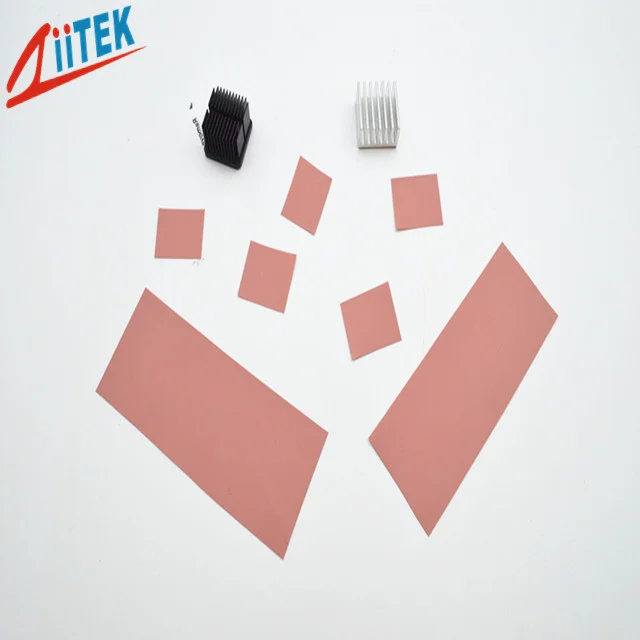 | TIS100-02 | 1 W/m·K | 1.751 g/cm³ | |
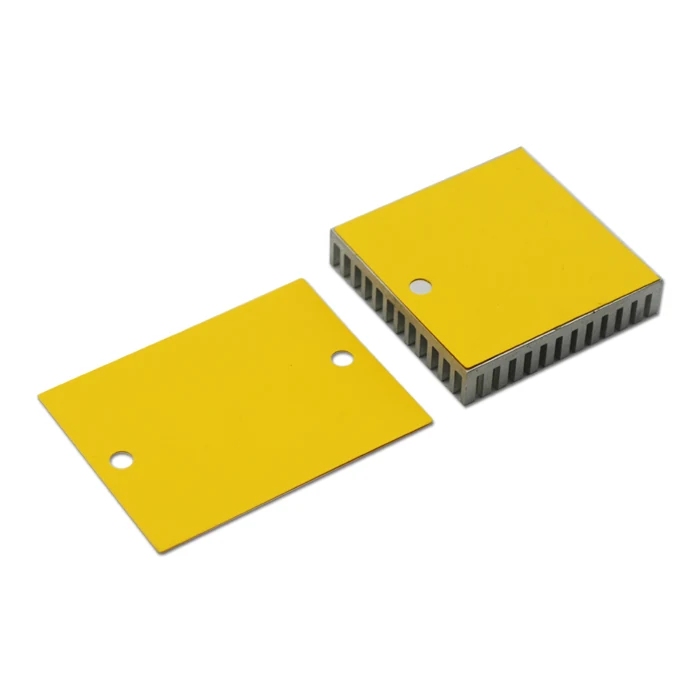 | TIS100-03 | 1 W/m·K | 1.768 g/cm³ | |
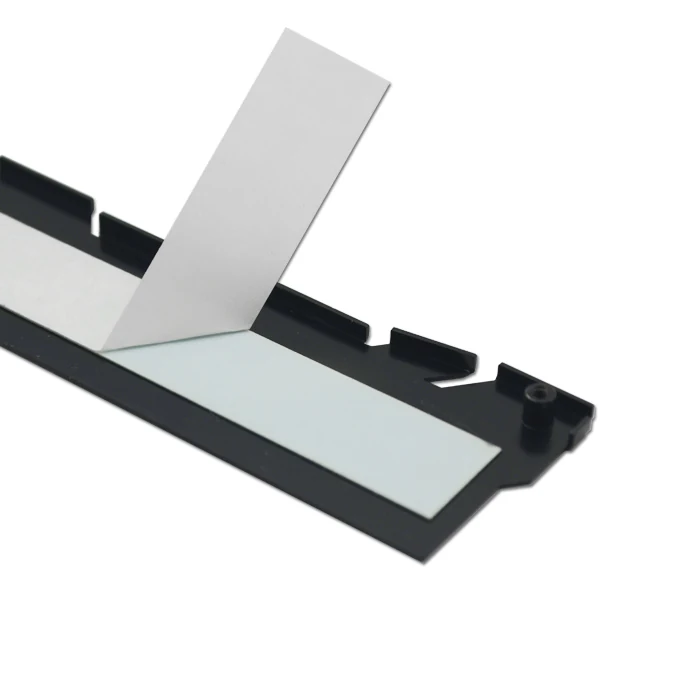 | TIS100-05 | 1 W/m·K | 1.72 g/cm³ | |
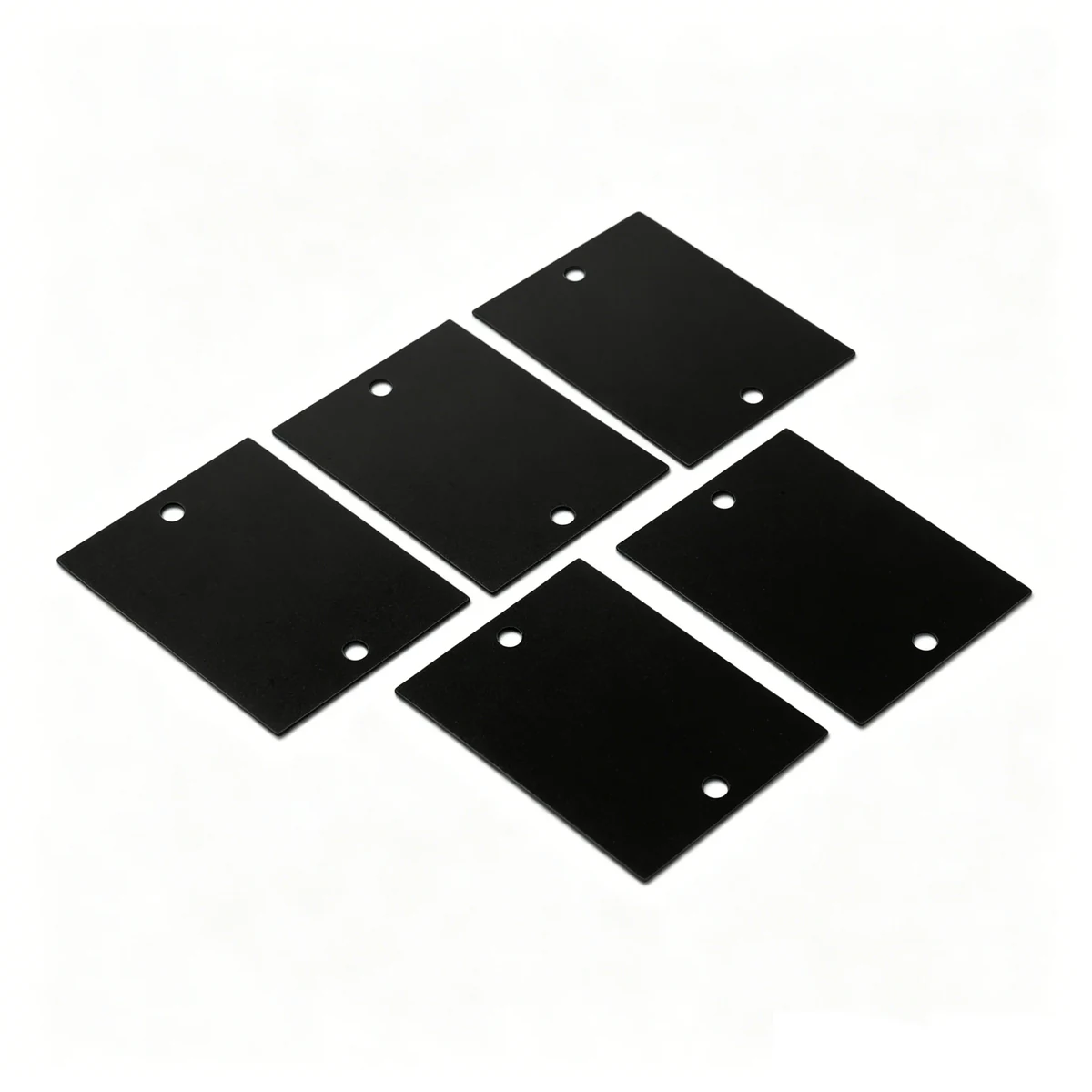 | TIS100-08-01F | 0.8 W/m·K | 1.81 g/cm³ | |
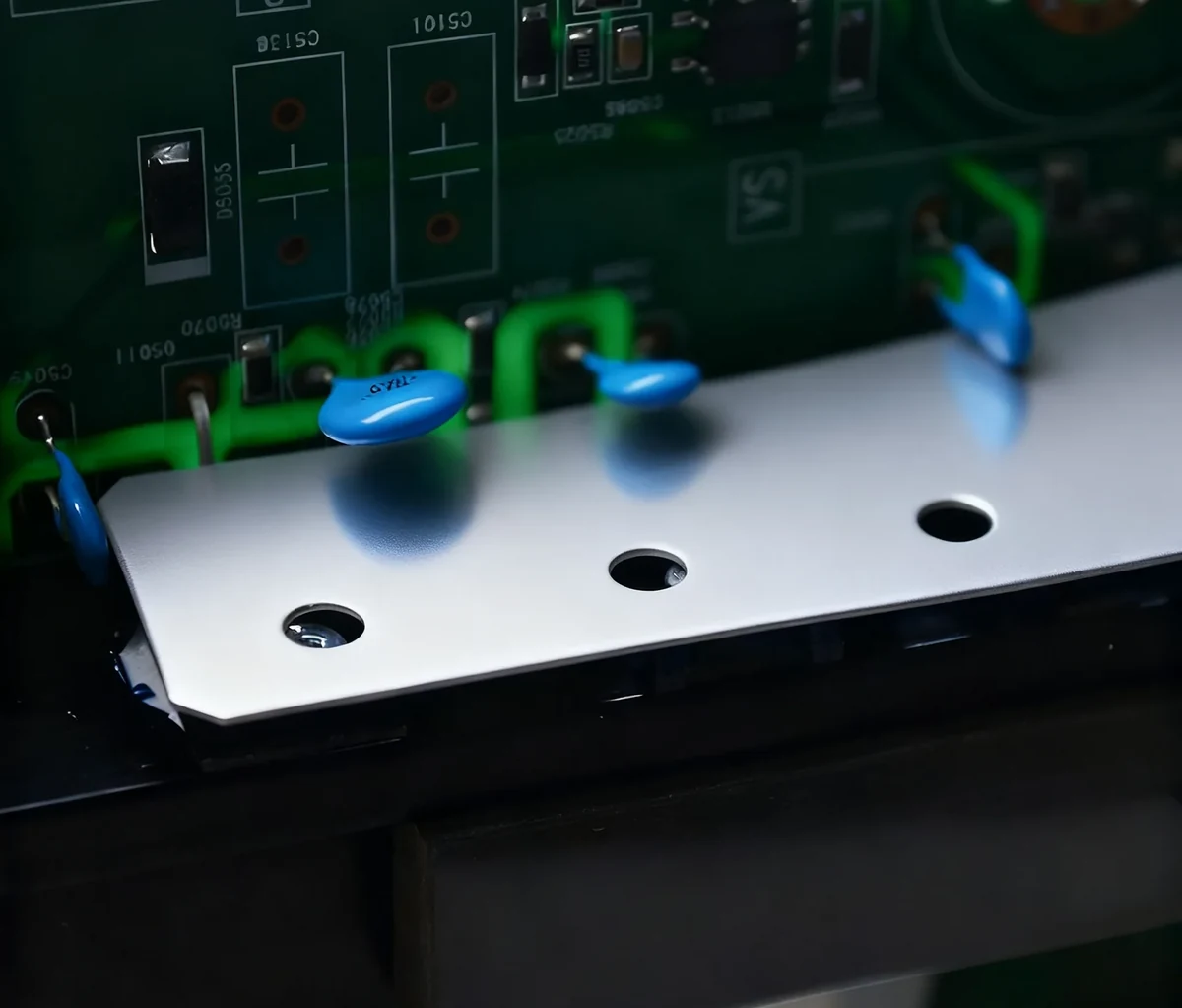 | TIS100-10 | 1 W/m·K | 1.85 g/cm³ | |
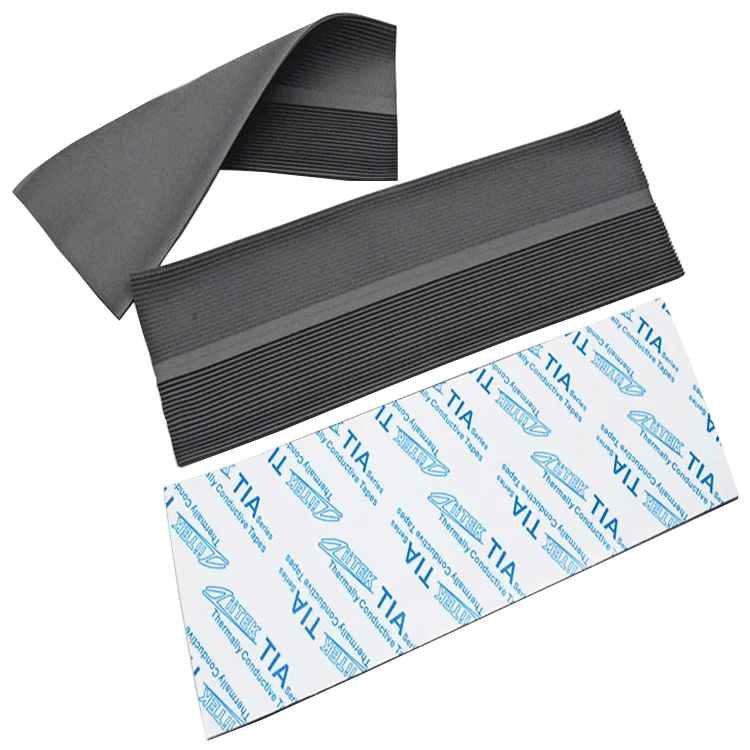 | TIS100-10-1150-A1 | 0.6 W/m·K | 1.7 g/cm³ | |
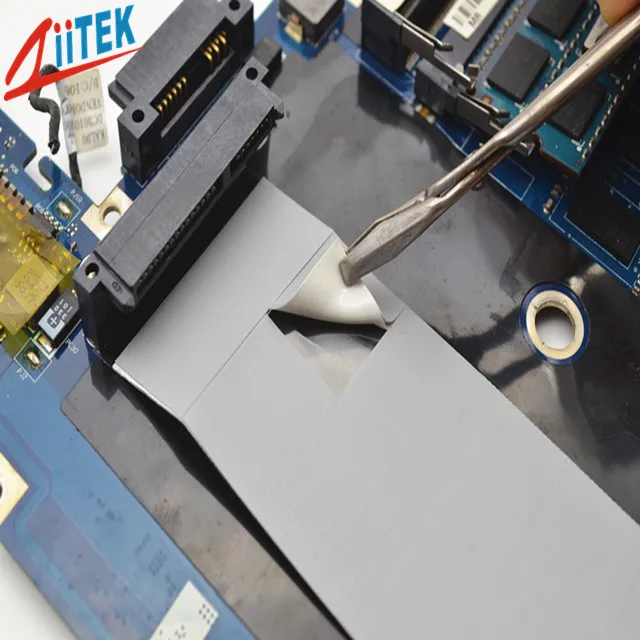 | TIS100-16-01 | 1.6 W/m·K | 2.3 g/cm³ | |
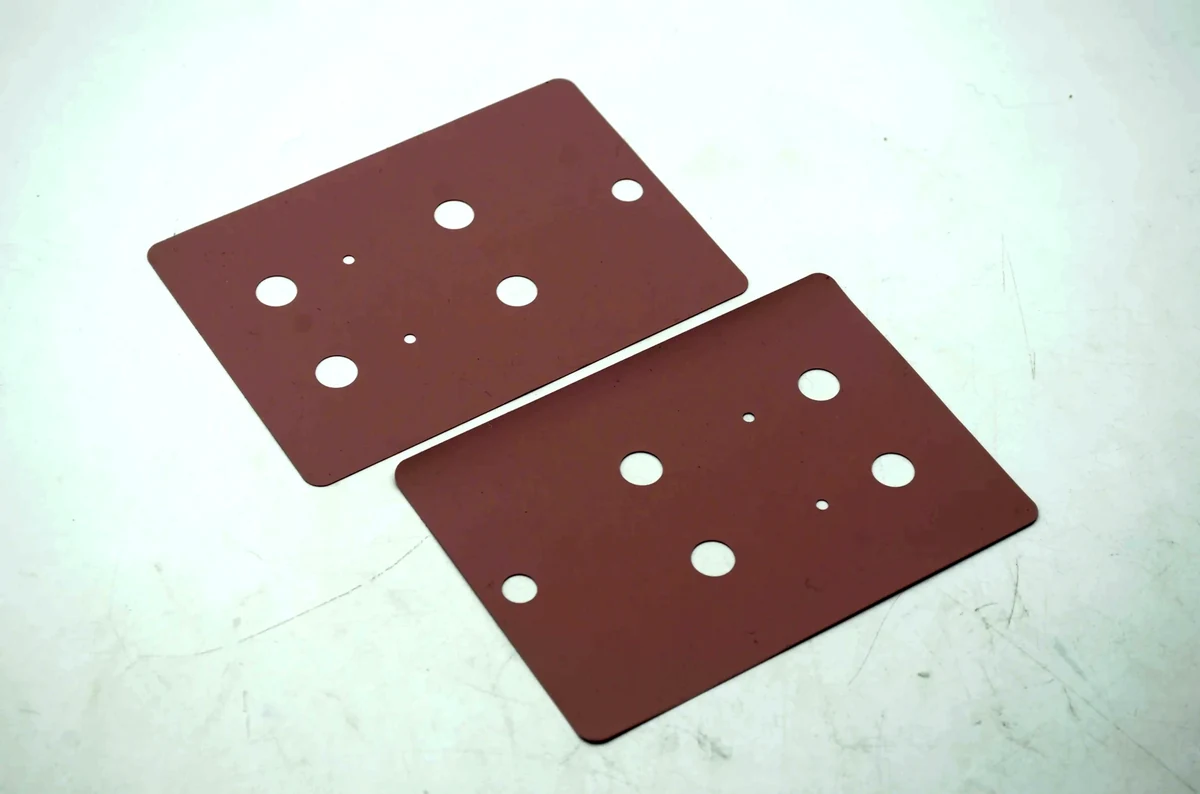 | TIS100-16-02 | 1.6 W/m·K | 2.3 g/cm³ | |
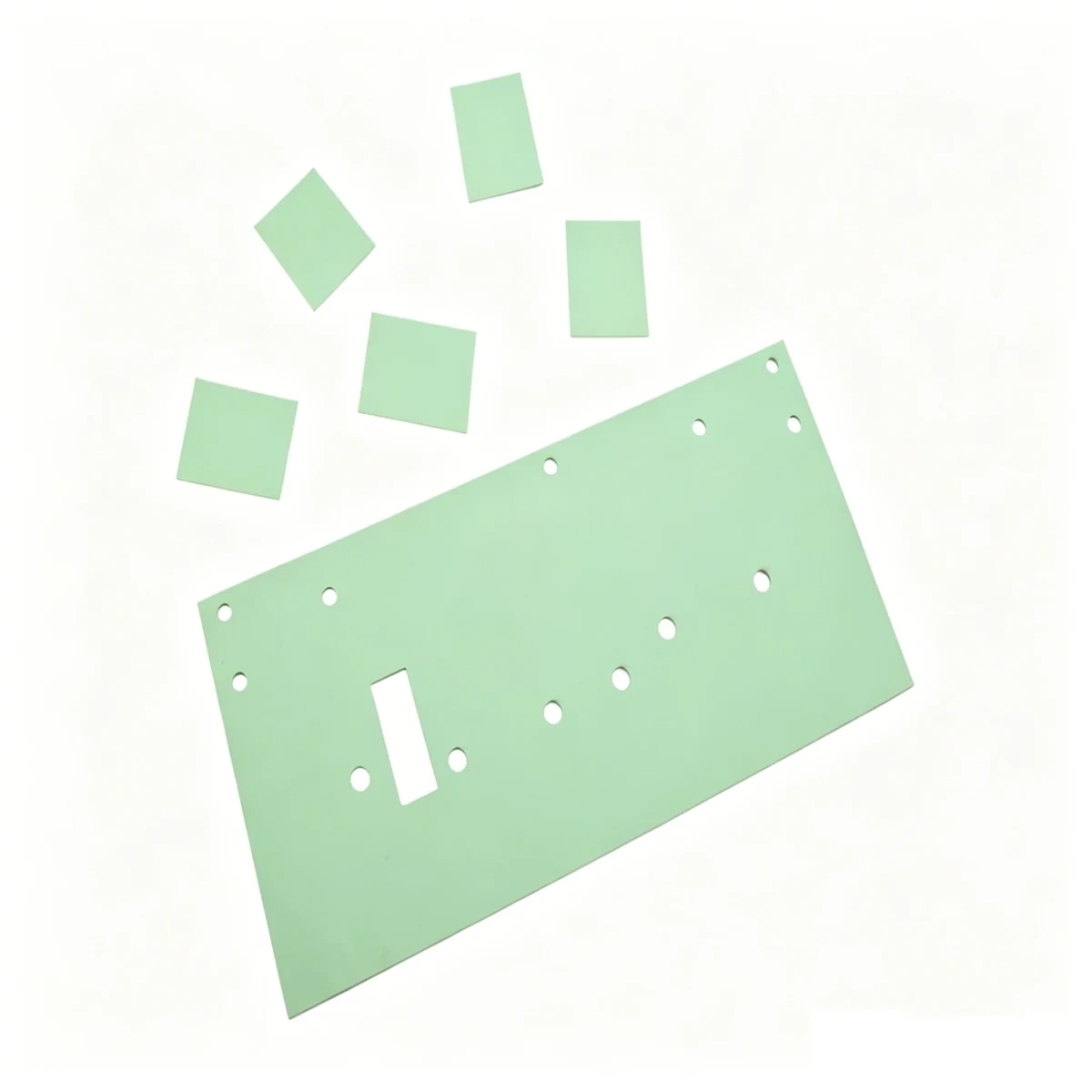 | TIS100-59-A1 | 1 W/m·K | 1.51 g/cm³ | |
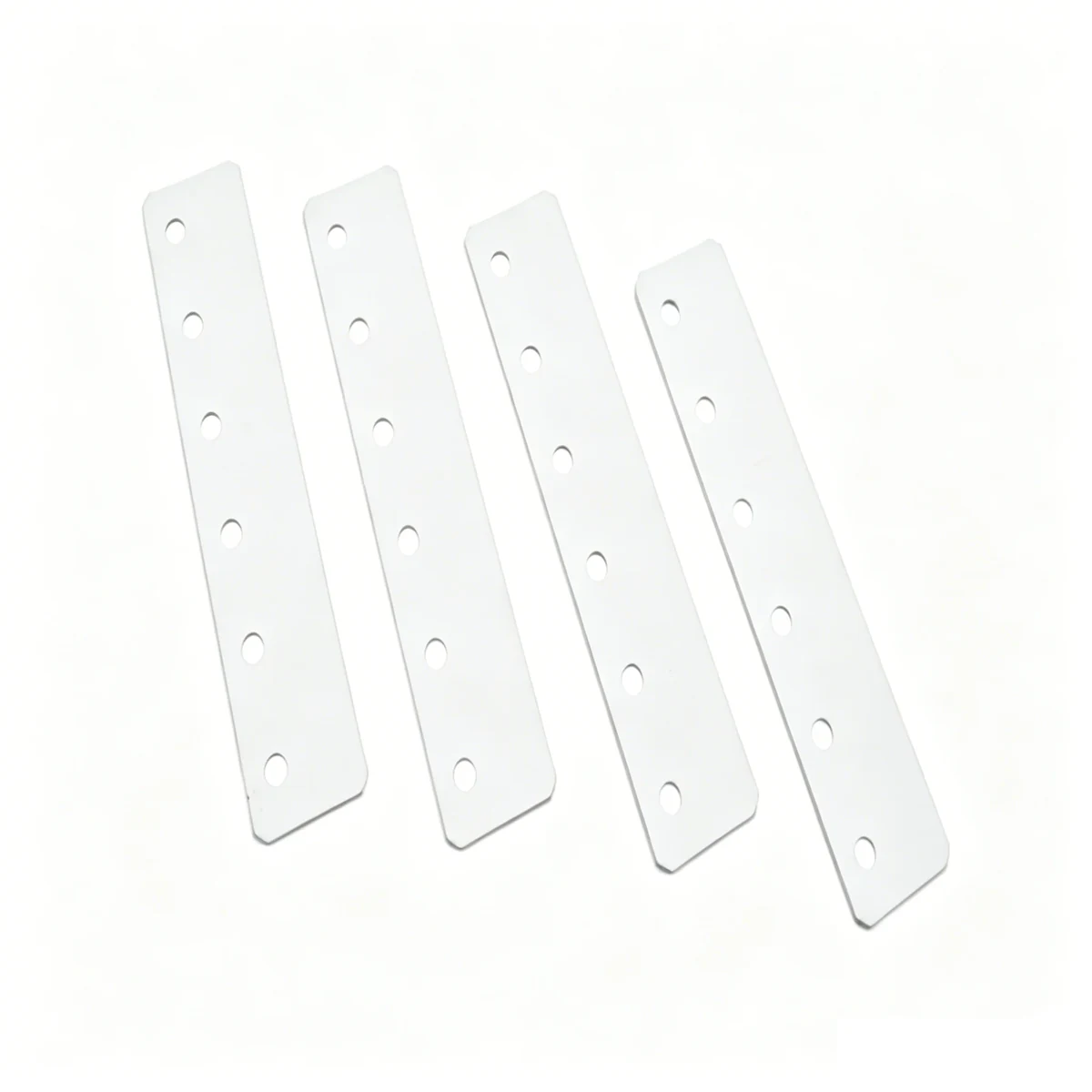 | TIS100-86-30 | 2.5 W/m·K | 2.33 g/cm³ | |
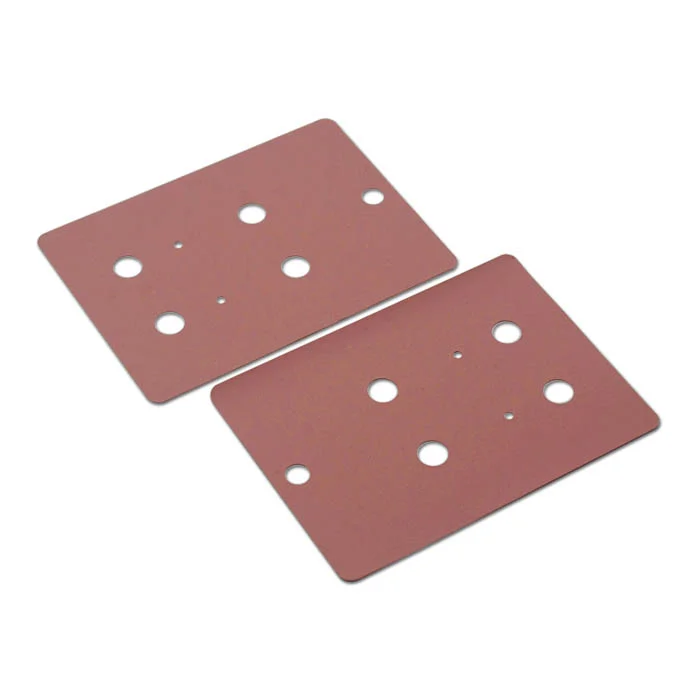 | TIS100-86-50 | 3.5 W/m·K | 1.97 g/cm³ | |
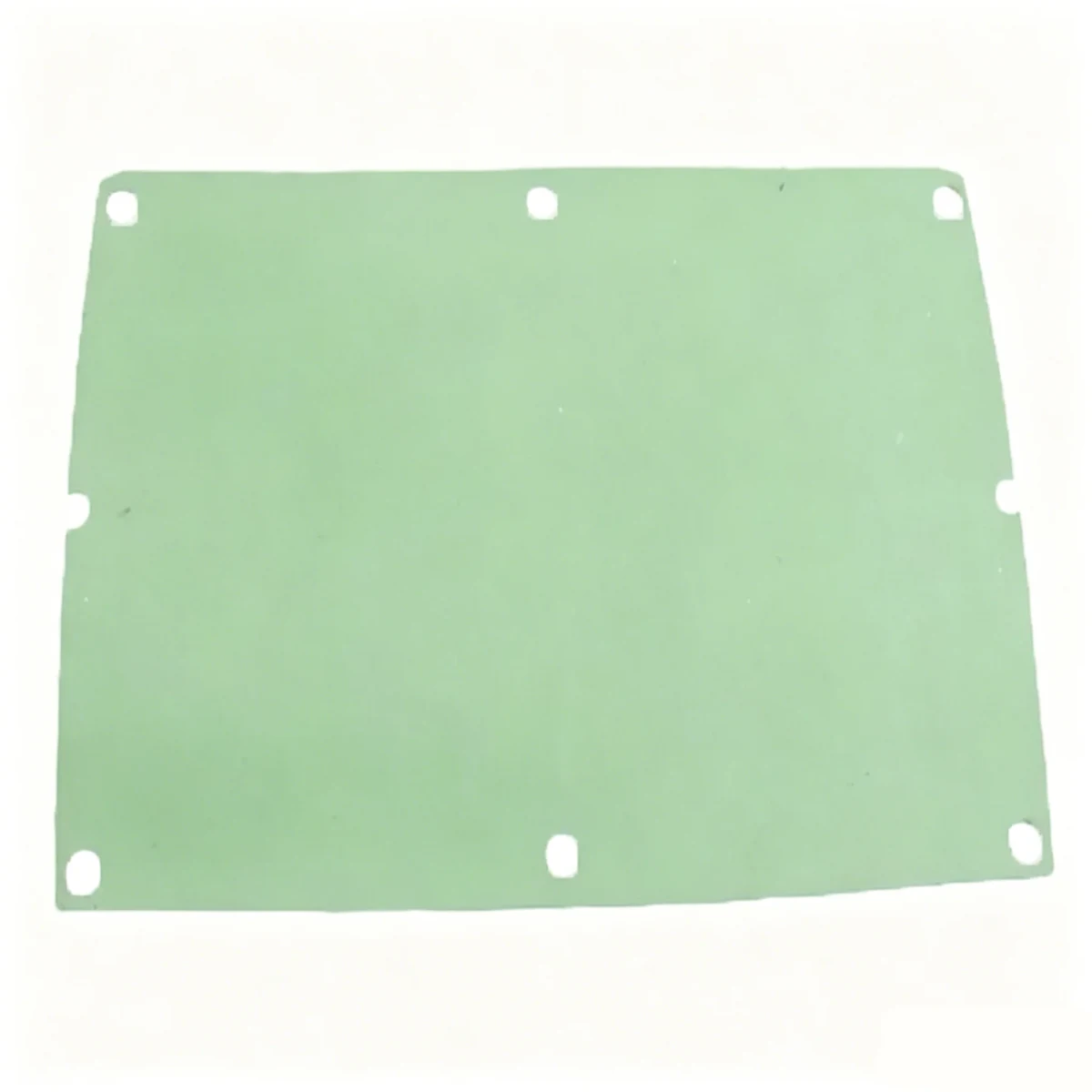 | TIS100-86-37 | 1.8 W/m·K | 2.29 g/cm³ | |
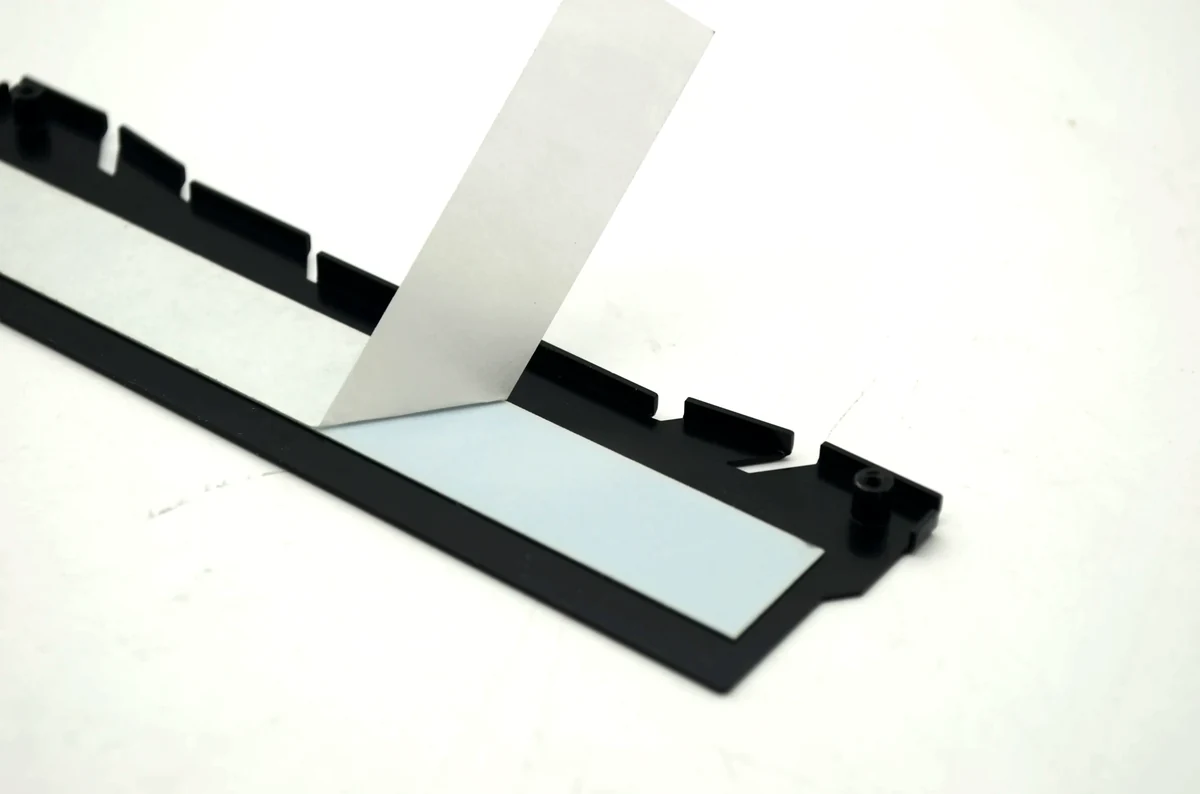 | TIS100-SP1800 | 1.8 W/m·K | 1.82 g/cm³ | |
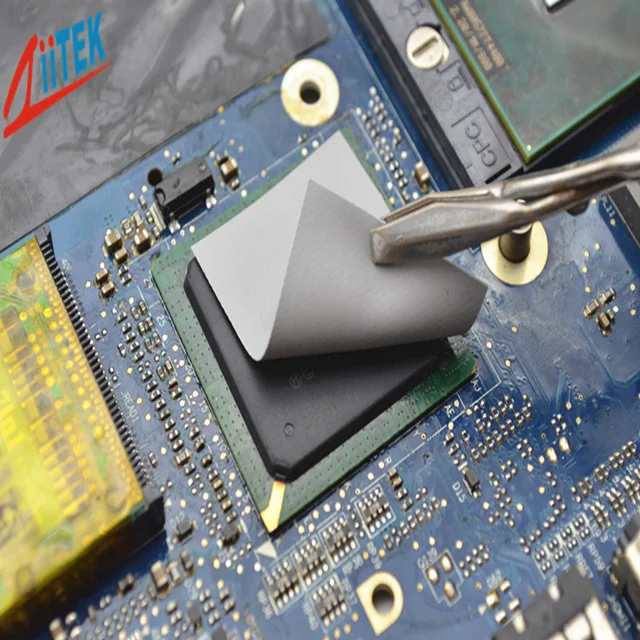 | TIS800-09-01 | 0.9 W/m·K | 2.4 g/cm³ | |
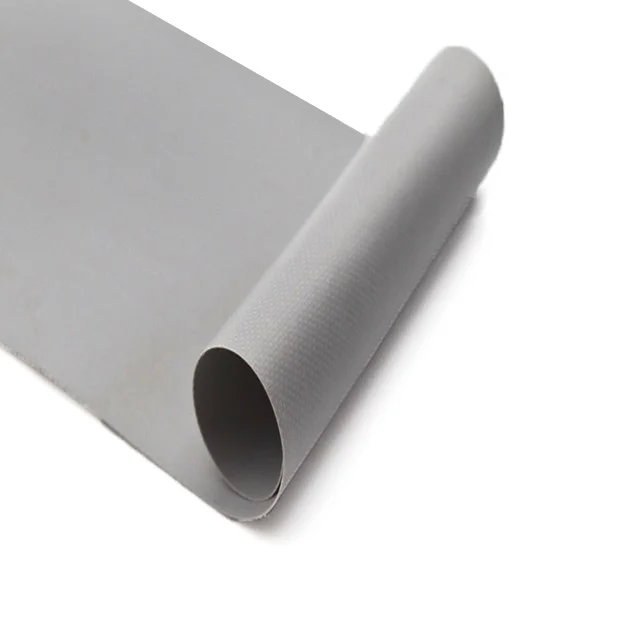 | TIS800K-09-01 | 0.9 W/m·K | 2.4 g/cm³ | |
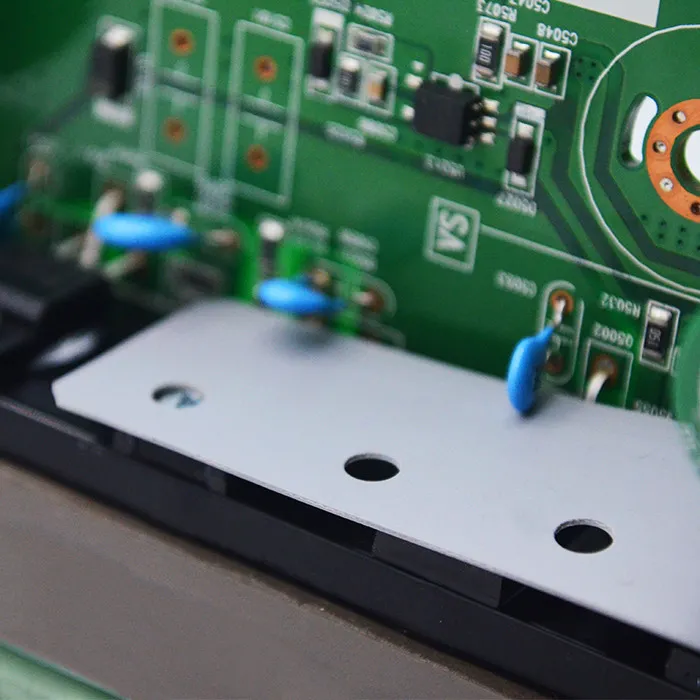 | TIS809-09-01 | 0.9 W/m·K | 2.4 g/cm³ | |
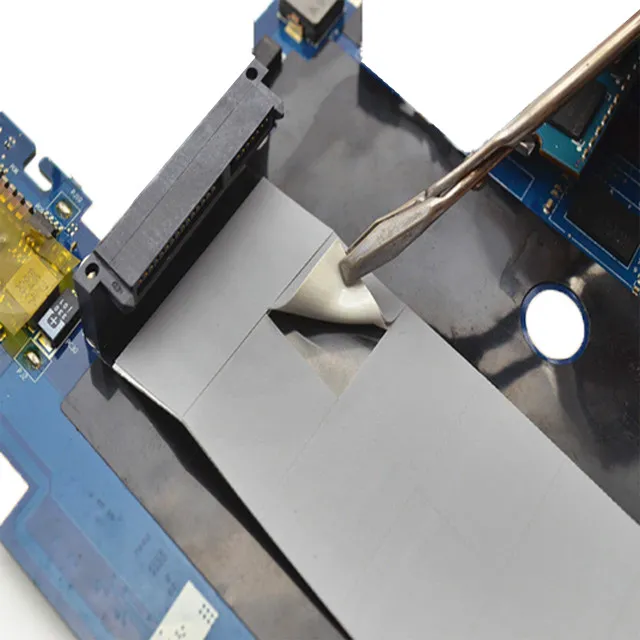 | TIS807-09-01 | 0.9 W/m·K | 2.4 g/cm³ | |
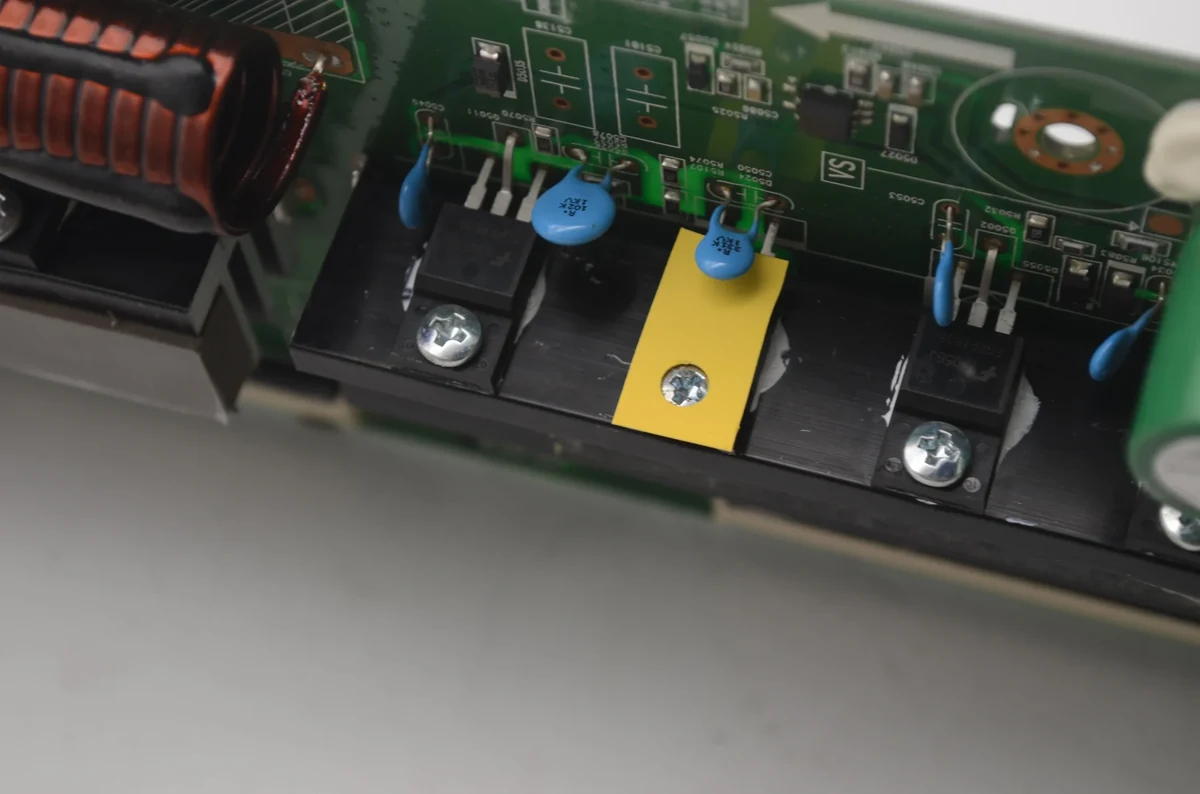 | TIS800-11-03 | 1.1 W/m·K | 2.4 g/cm³ | |
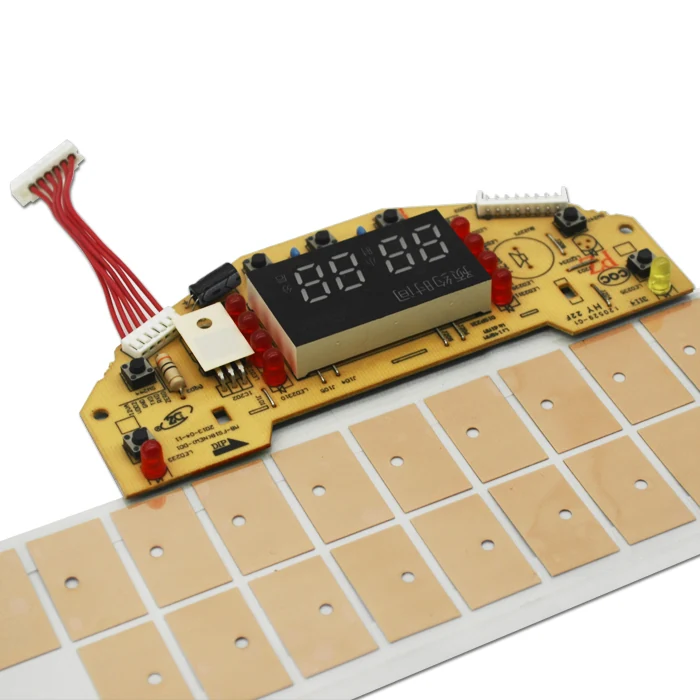 | TIS800K | 1.3 W/m·K | 2.0 g/cm³ | |
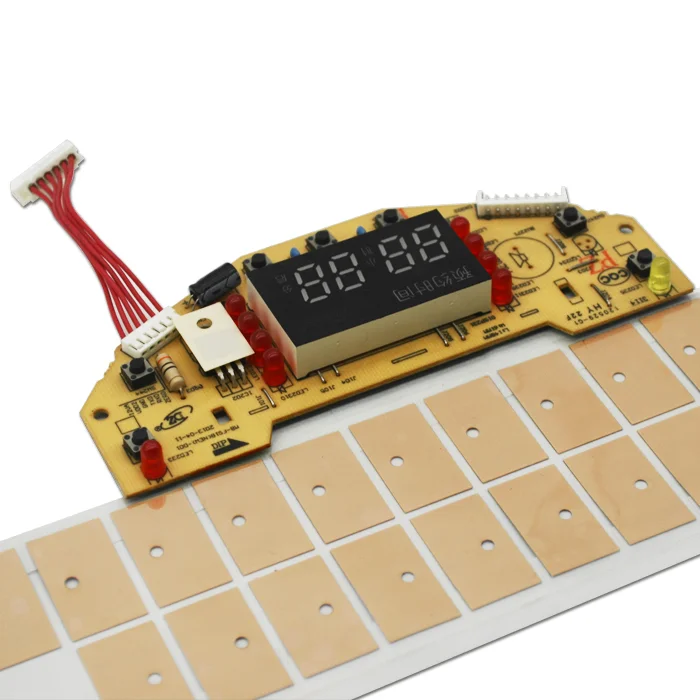 | TIS800K-13-08 | 1.3 W/m·K | 2.4 g/cm³ | |
 | TIS800 | 1.1 W/m·K | 2.4 g/cm³ | |
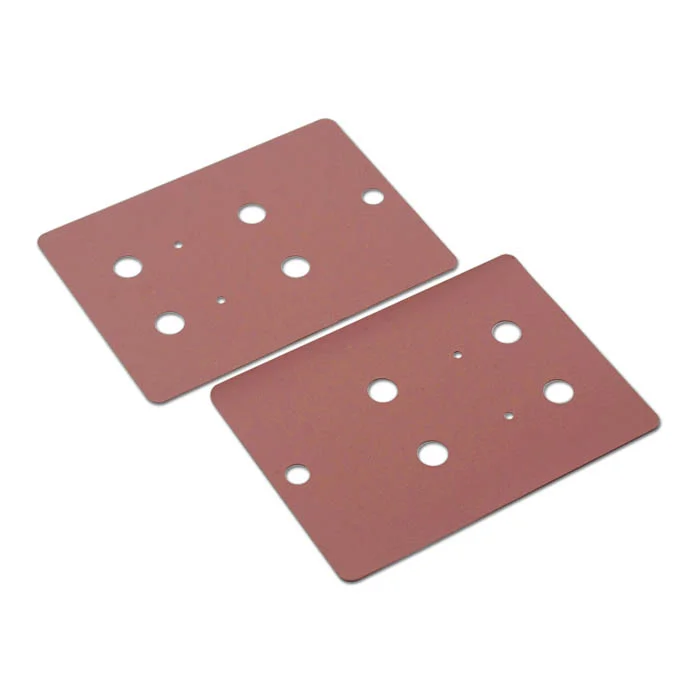 | TIS800-16-02 | 1.6 W/m·K | 2.4 g/cm³ | |
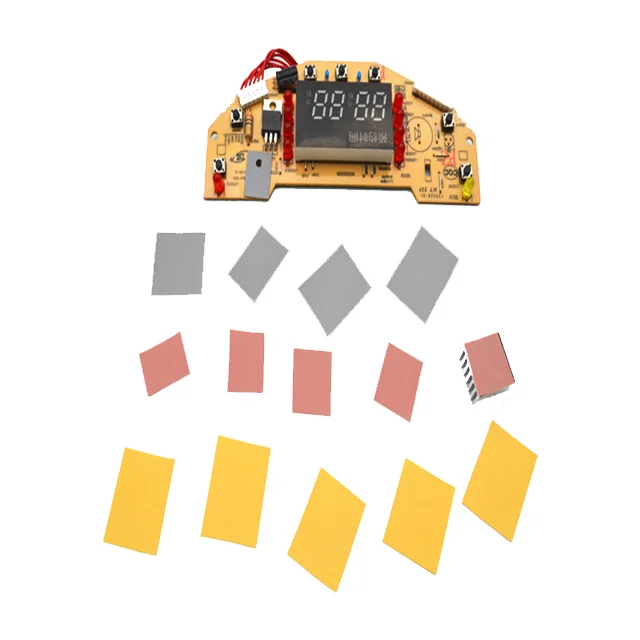 | TIS800-16-03 | 1.6 W/m·K | 2.4 g/cm³ | |
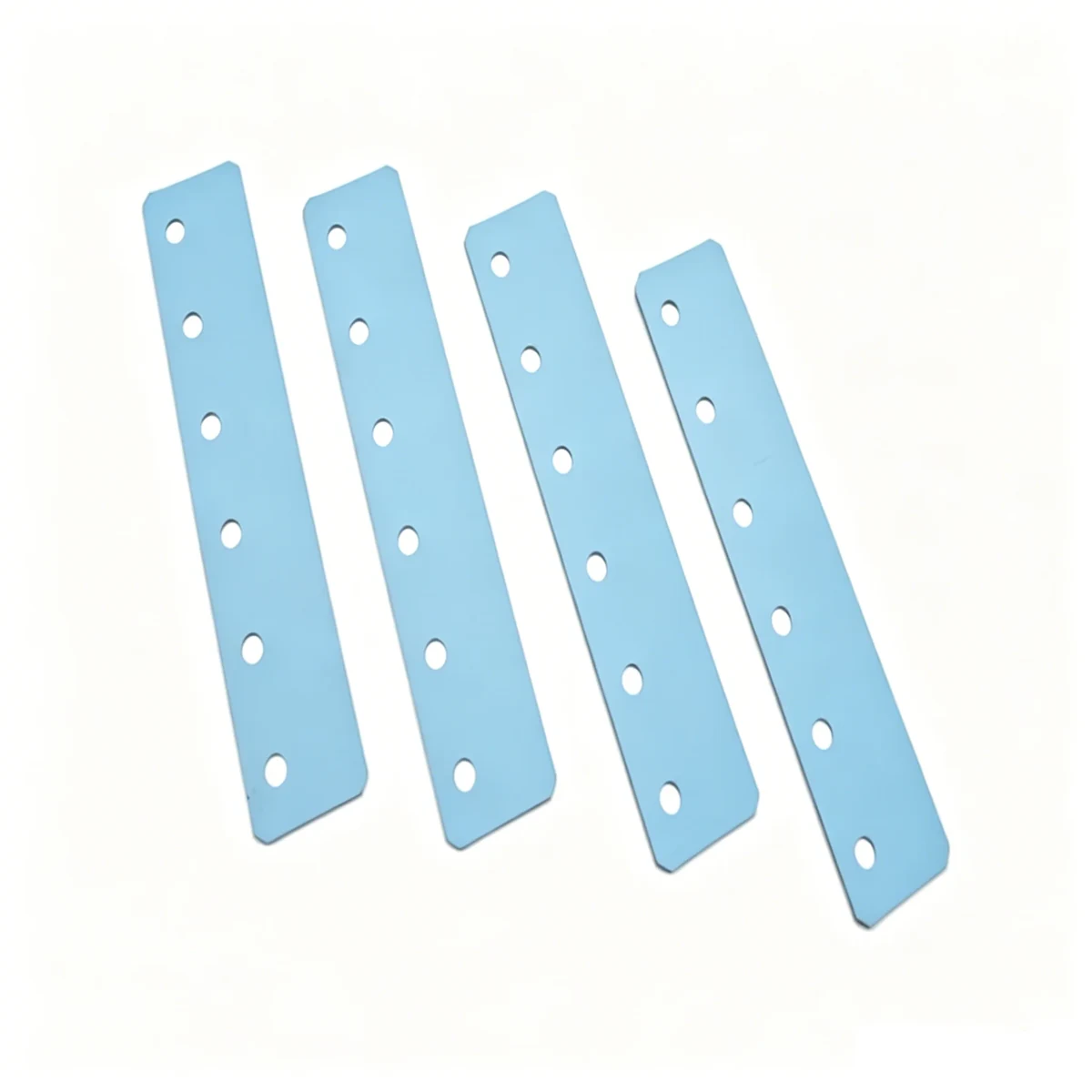 | TIS800-18-05 | 1.8 W/m·K | 2.4 g/cm³ | |
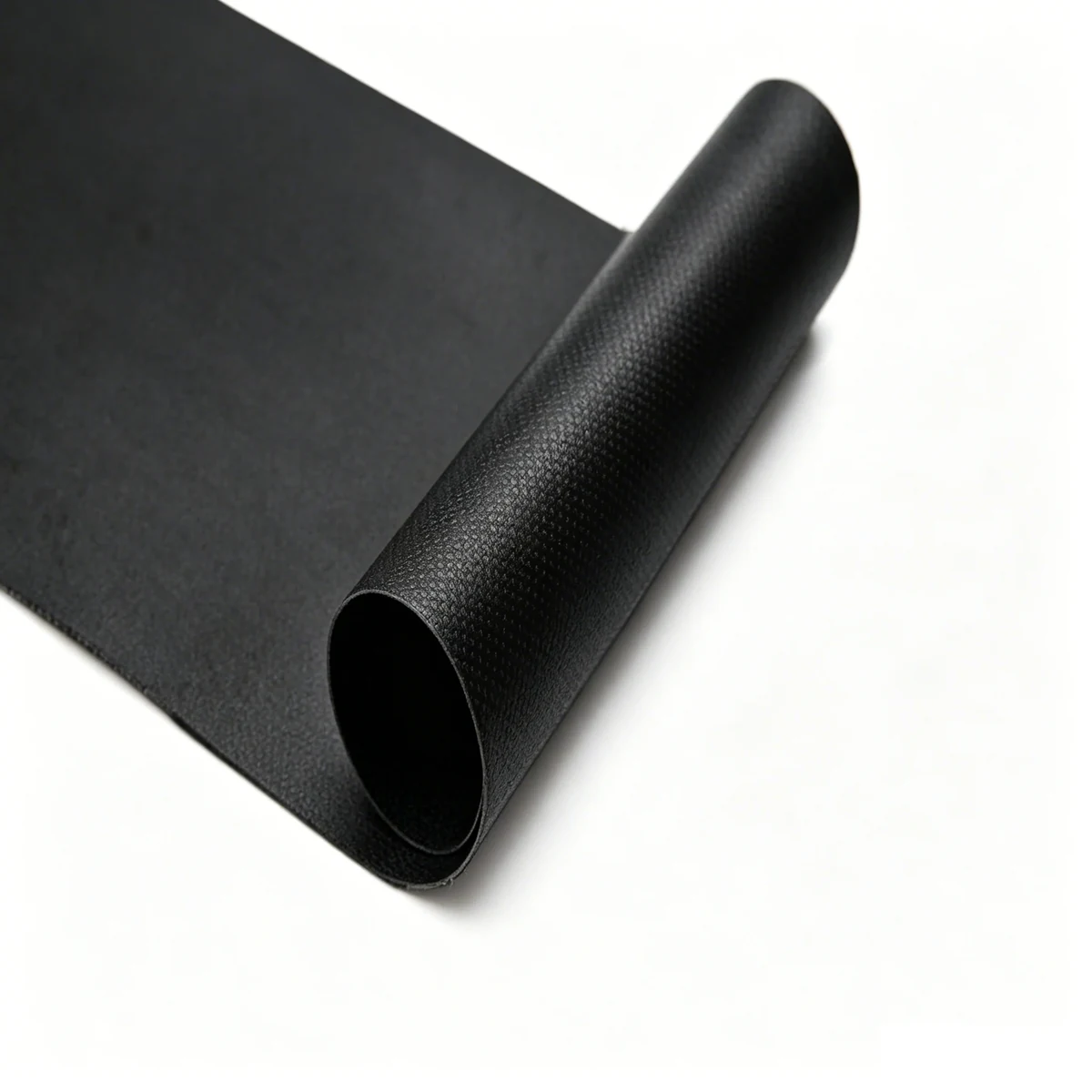 | TIS800-18-04 | 1.8 W/m·K | 2.4 g/cm³ | |
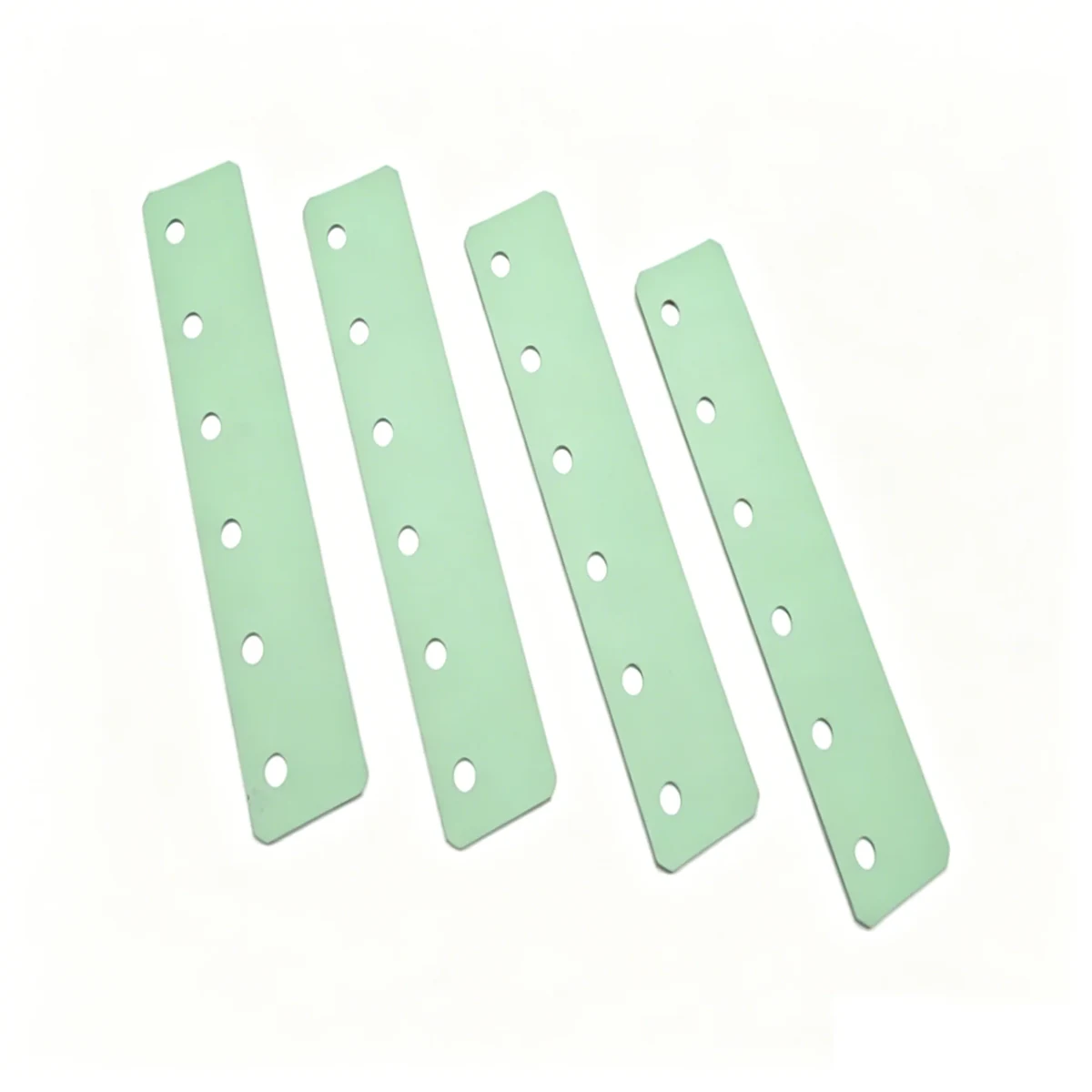 | TIS800-20-07 | 2 W/m·K | 2.4 g/cm³ |
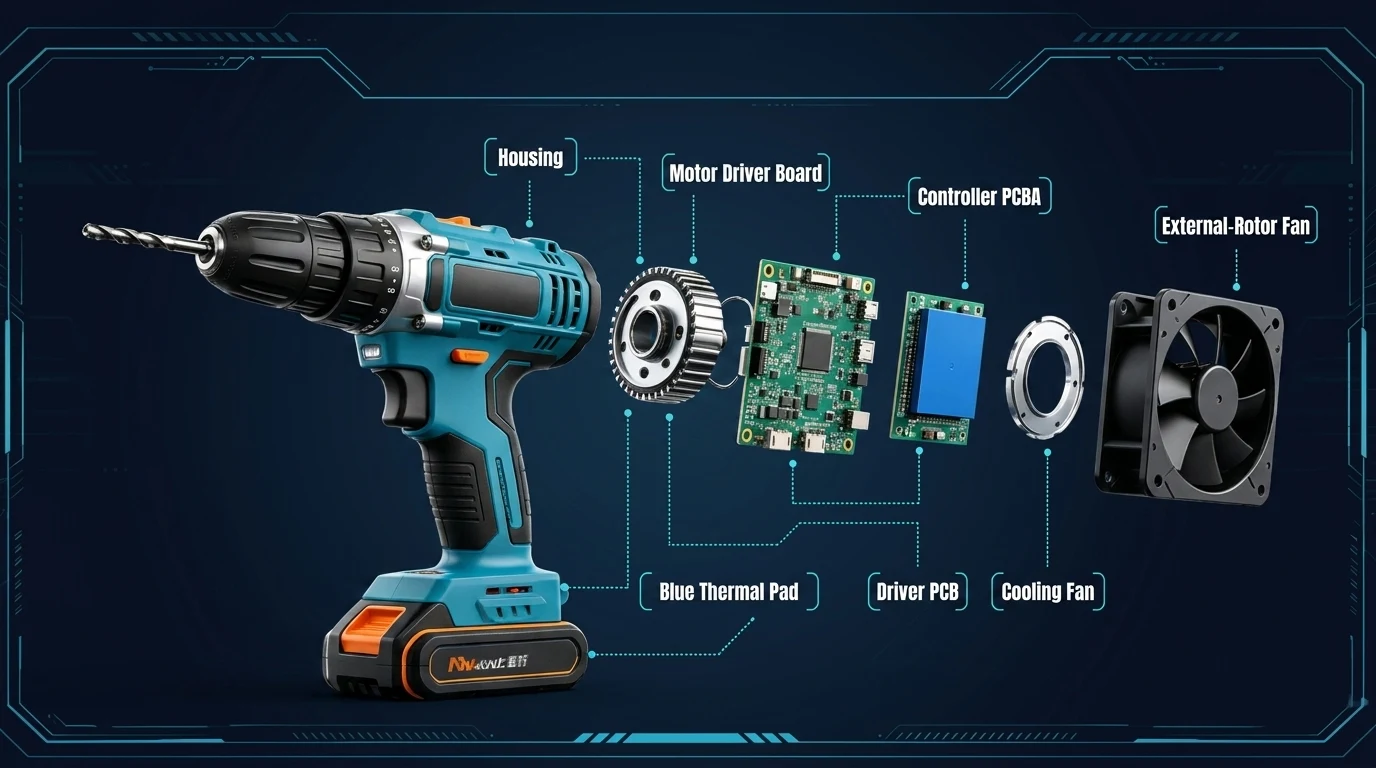
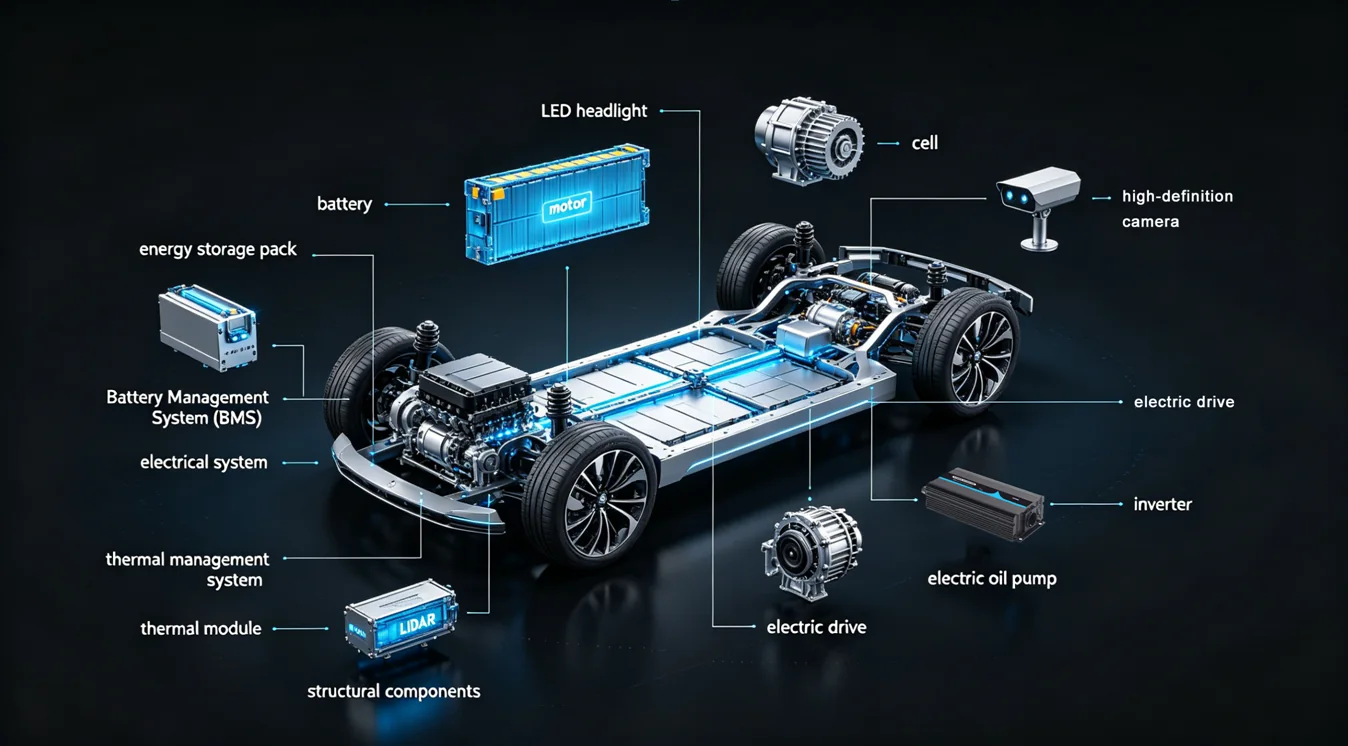
熱伝導性絶縁材の適用分野
代表的な仕様範囲(導電性絶縁体)
| パラメーター | 代表的な範囲/備考 | 試験方法 |
|---|---|---|
| 熱インピーダンス | 厚さと圧力に依存 | ASTM D5470 |
| 絶縁耐力 | グレード別のkV/mm | ASTM D149 |
| 定格動作電圧 | 設計規則 — TDSを参照 | IEC / OEM |
| 熱伝導率 | 厚さ方向 — グレード帯 | ASTM D5470 |
| 代表的な厚さ | 0.15 – 0.45 mm 一般的 | キャリパー |
| 硬度 / コンプライアンス | パッド対フィルム構造 | ASTM D2240 |
| 体積抵抗率 | ≥ 1×10¹³ Ω·cm (代表値) | ASTM D257 |
| 連続使用温度 | 最大 ~150 °C クラス | UL746B |
| フォームファクター | シート、ダイカット、打ち抜き | — |
Thermally conductive insulators — よくあるご質問
製品の選定やクロスリファレンスでお困りですか?Ziitekの熱対策エンジニアにご相談ください。2時間以内の応答をお約束します。
エンジニアに相談するWhat is a thermally conductive insulator?
When do I use TIS instead of a regular thermal pad?
How much breakdown voltage do I need?
What's the difference between TIS100 and TIS800?
Can TIS films be die-cut to my package outline?
How do TIS insulators compare to mica washers?

次世代の熱対策ソリューションを ここから。
ラピッドプロトタイピングから量産まで、当社のエンジニアがお客様の用途に合わせたカスタム熱対策ソリューションを設計します。EV、5G、コンシューマーエレクトロニクス分野で7,000社以上のお客様から信頼されています。