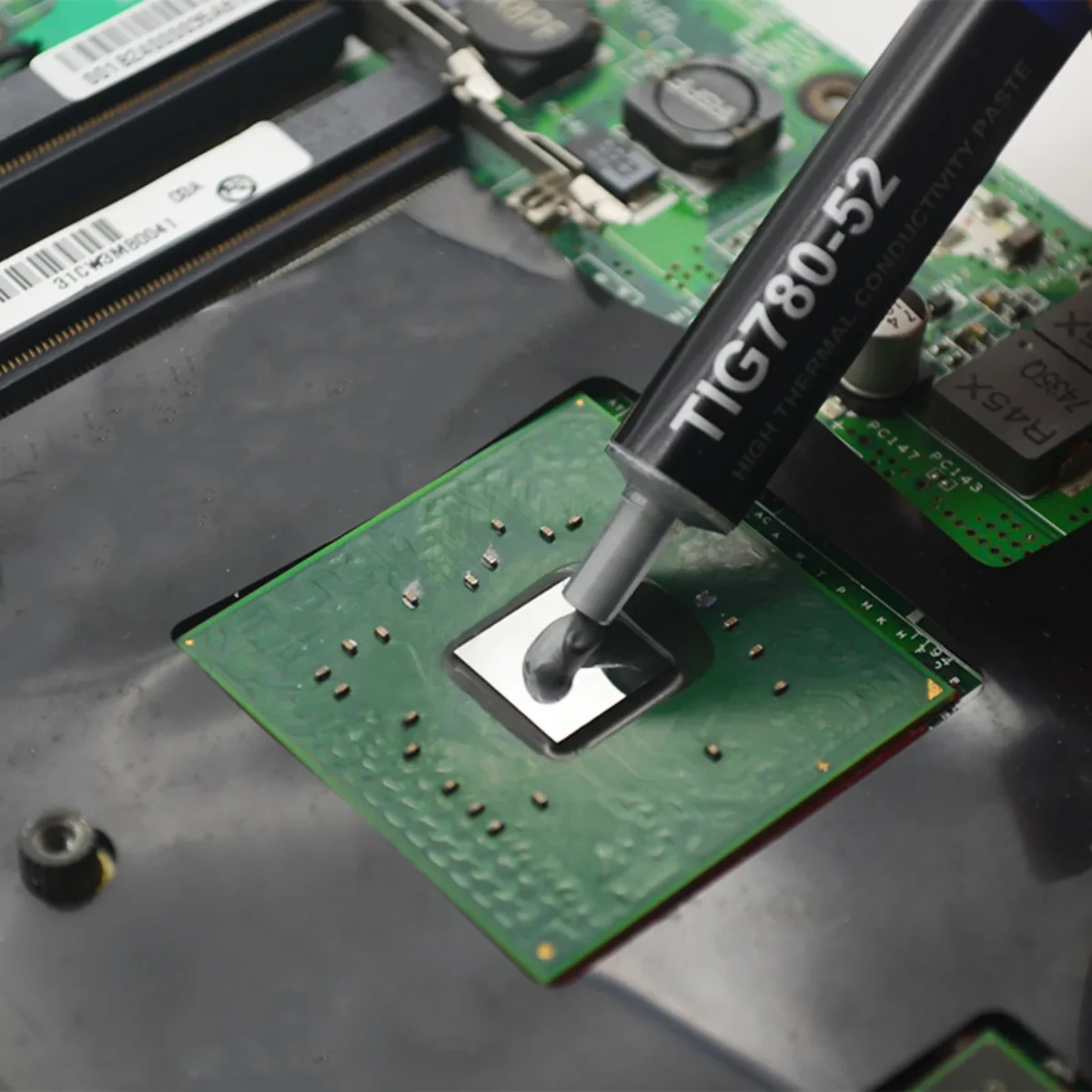
Thermal grease
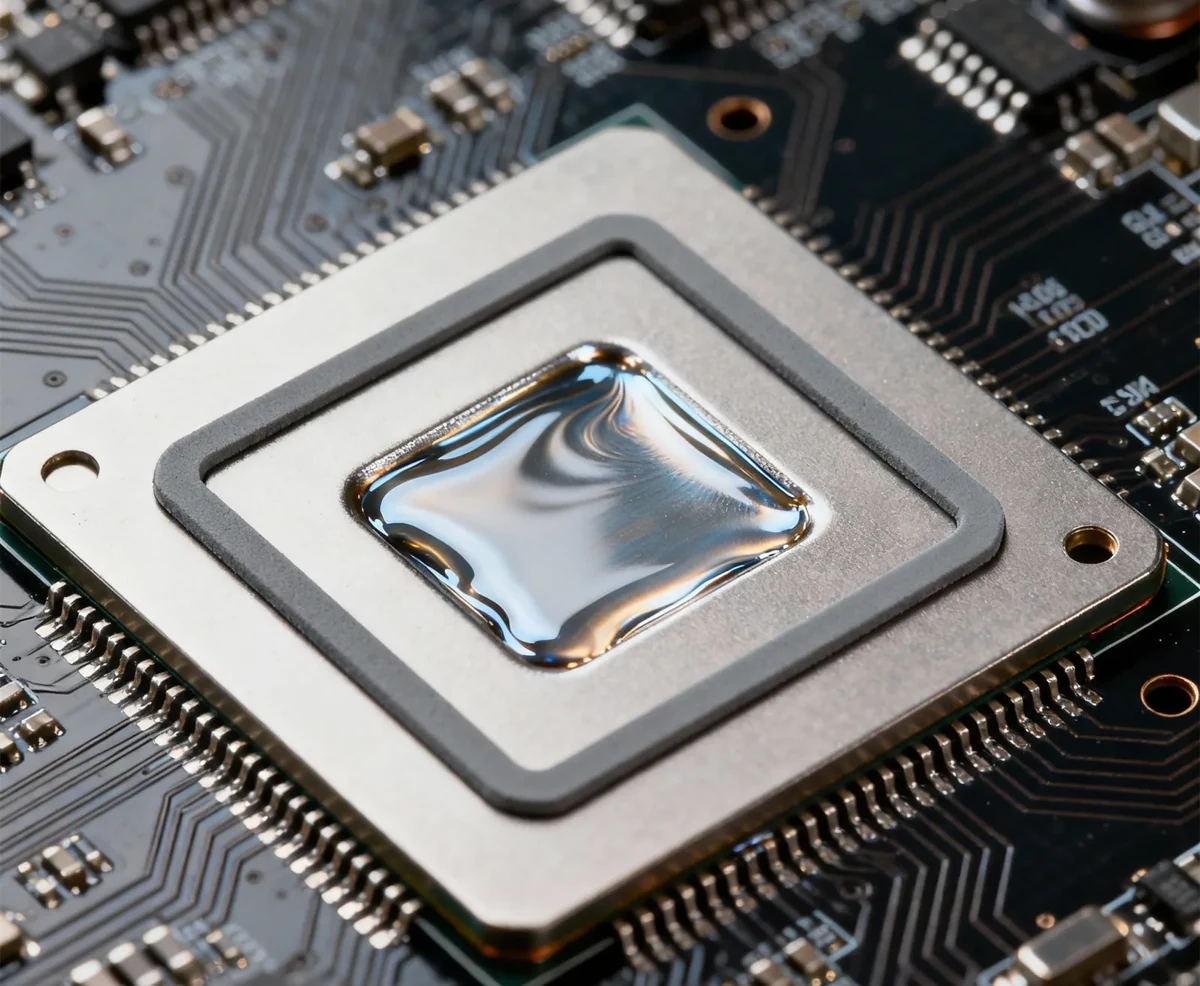
Pump-grade thermal grease and gallium liquid metal for the lowest possible bondline thermal resistance. Through-plane conductivity 1.0–35.0 W/m·K across 22 TIG grades — standard silicone, thixotropic stay-in-place (S), and TIG7835L liquid metal at 35 W/m·K.
22
TIG grades
1.0–35.0 W/m·K
Thermal conductivity (λ)
Liquid metal: 35 W/m·K
Top-of-line (TIG7835L)
−40 – 200 °C
Operating range
Pa·s viscosity
Pumpable / dispensable
Three families: standard silicone, thixotropic, and liquid metal
Every Thermal grease grade, one table
All 22 thermal grease part numbers with thermal conductivity (W/m·K), colour notes, and PDF datasheets. Click a model name with a link for full specs, photos, and application guidance.
| Photo | Model | λ (W/m·K) | Specific Gravity | PDF & next step |
|---|---|---|---|---|
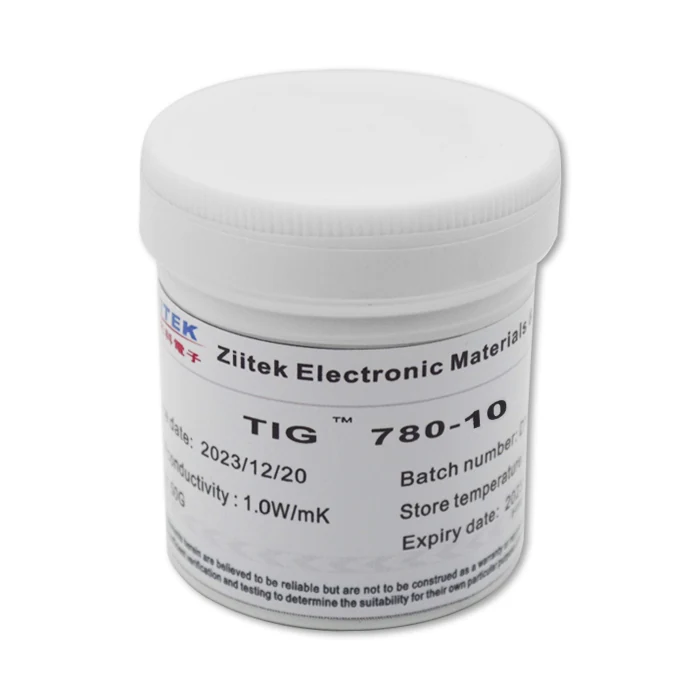 | TIG780-10 | 1 W/m·K | 2.13 | |
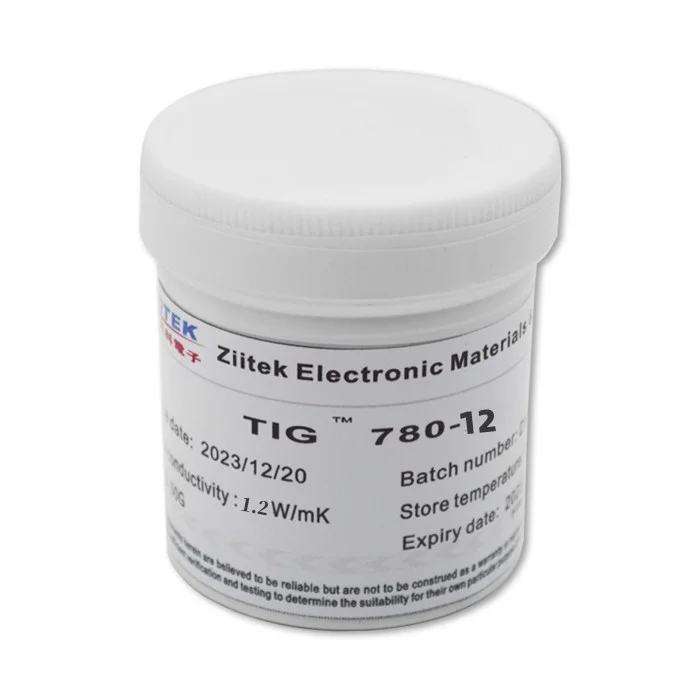 | TIG780-12 | 1.2 W/m·K | 2.50 | |
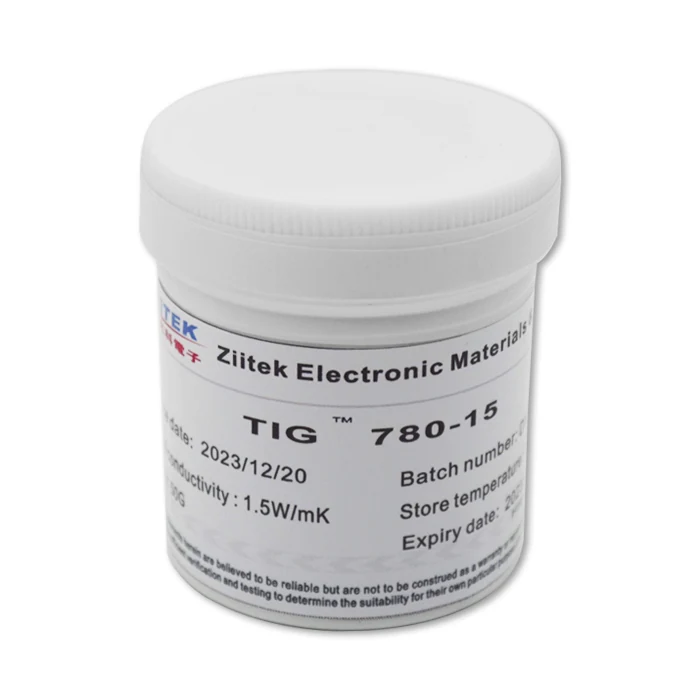 | TIG780-15 | 1.5 W/m·K | 2.50 | |
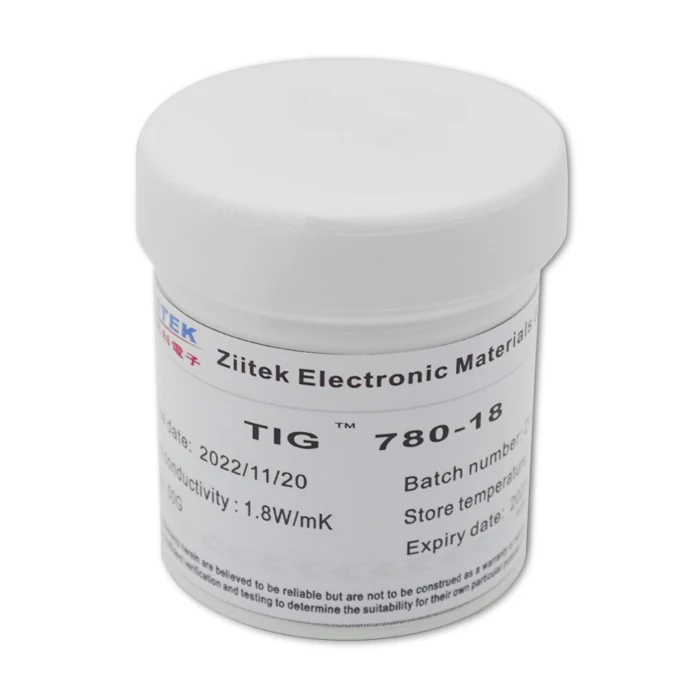 | TIG780-18 | 1.8 W/m·K | 2.6 | |
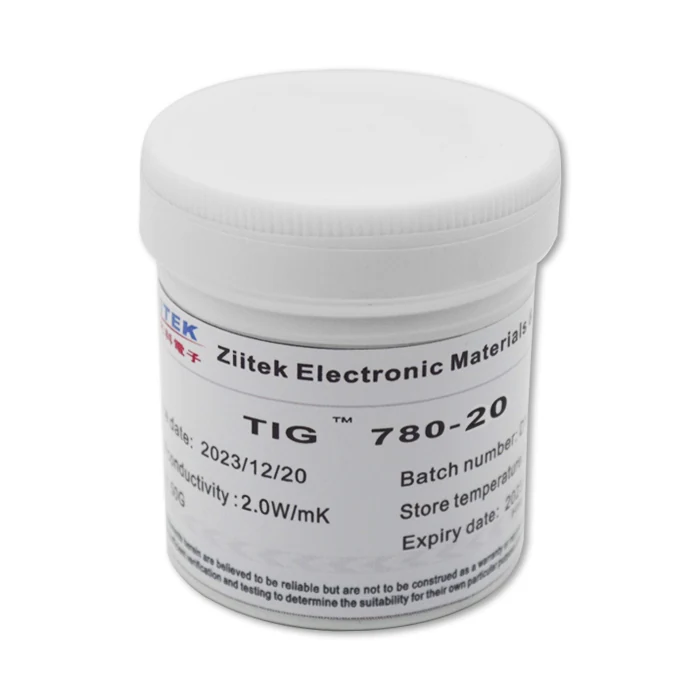 | TIG780-20 | 2 W/m·K | 3.0 | |
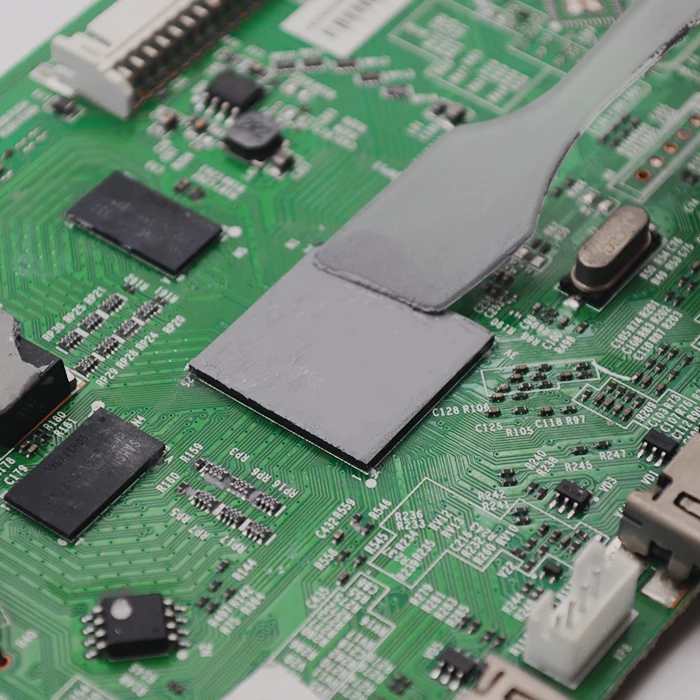 | TIG780-25 | 2.5 W/m·K | 2.5 | |
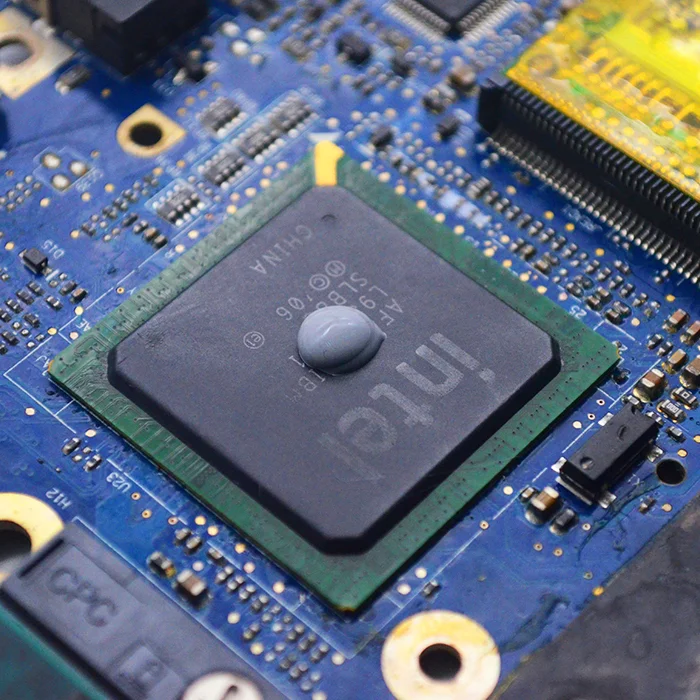 | TIG780-30 | 3 W/m·K | 2.50 | |
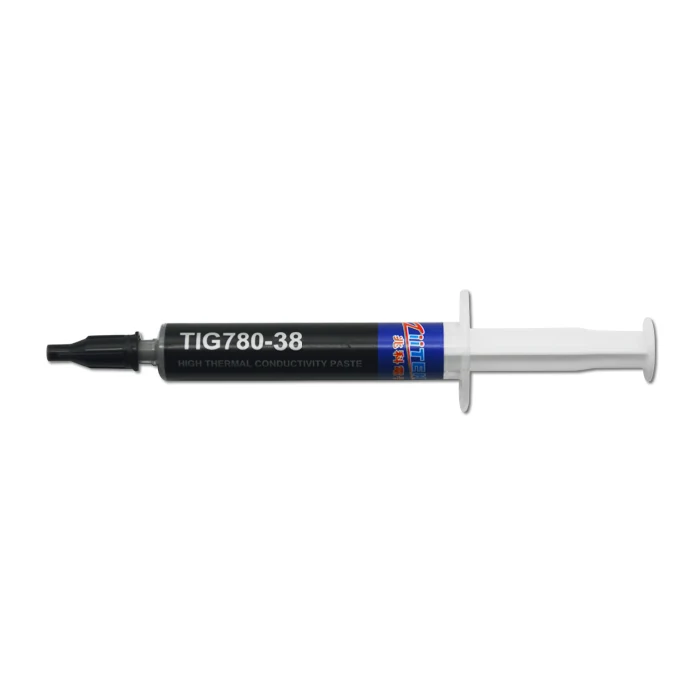 | TIG780-38 | 3.8 W/m·K | 2.50 | |
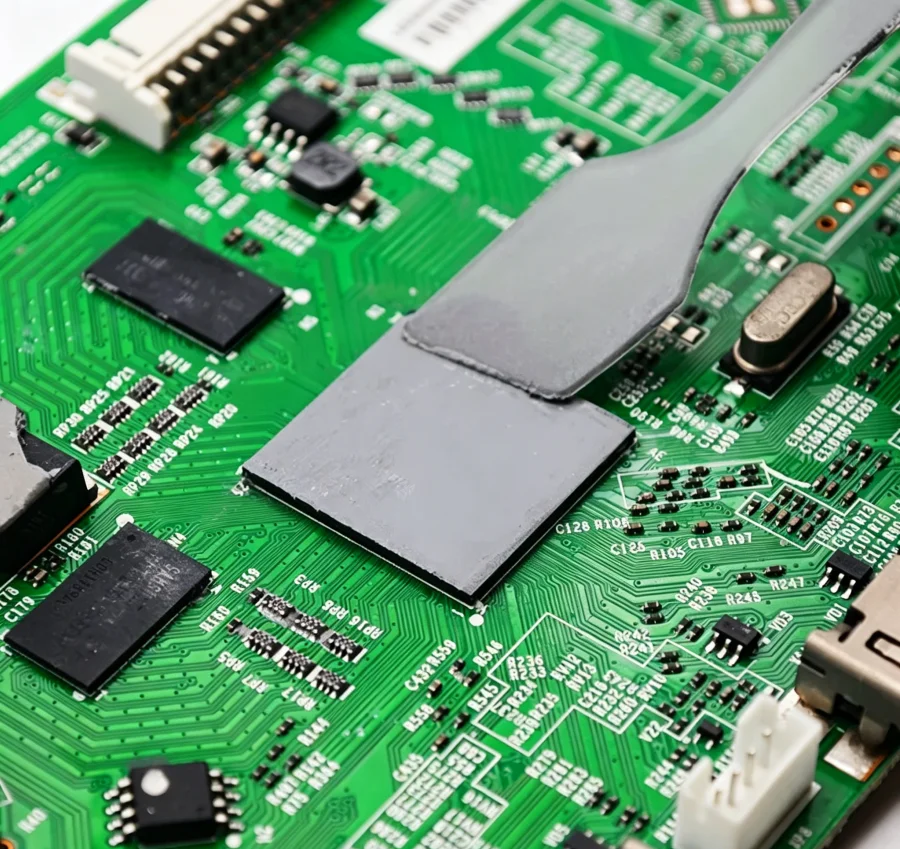 | TIG780-38D | 3.8 W/m·K | 2.36 | |
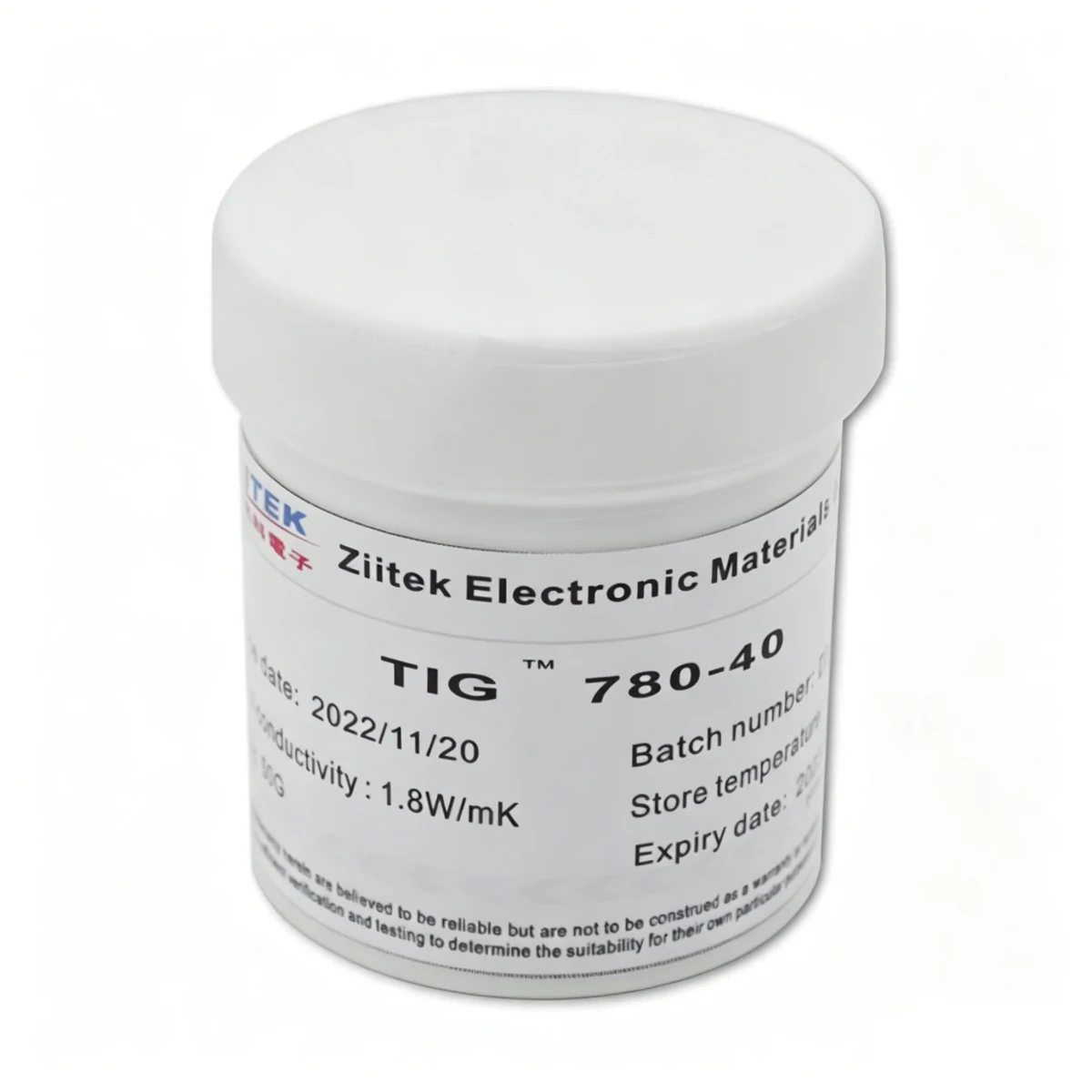 | TIG780-40 | 4 W/m·K | 2.90 | |
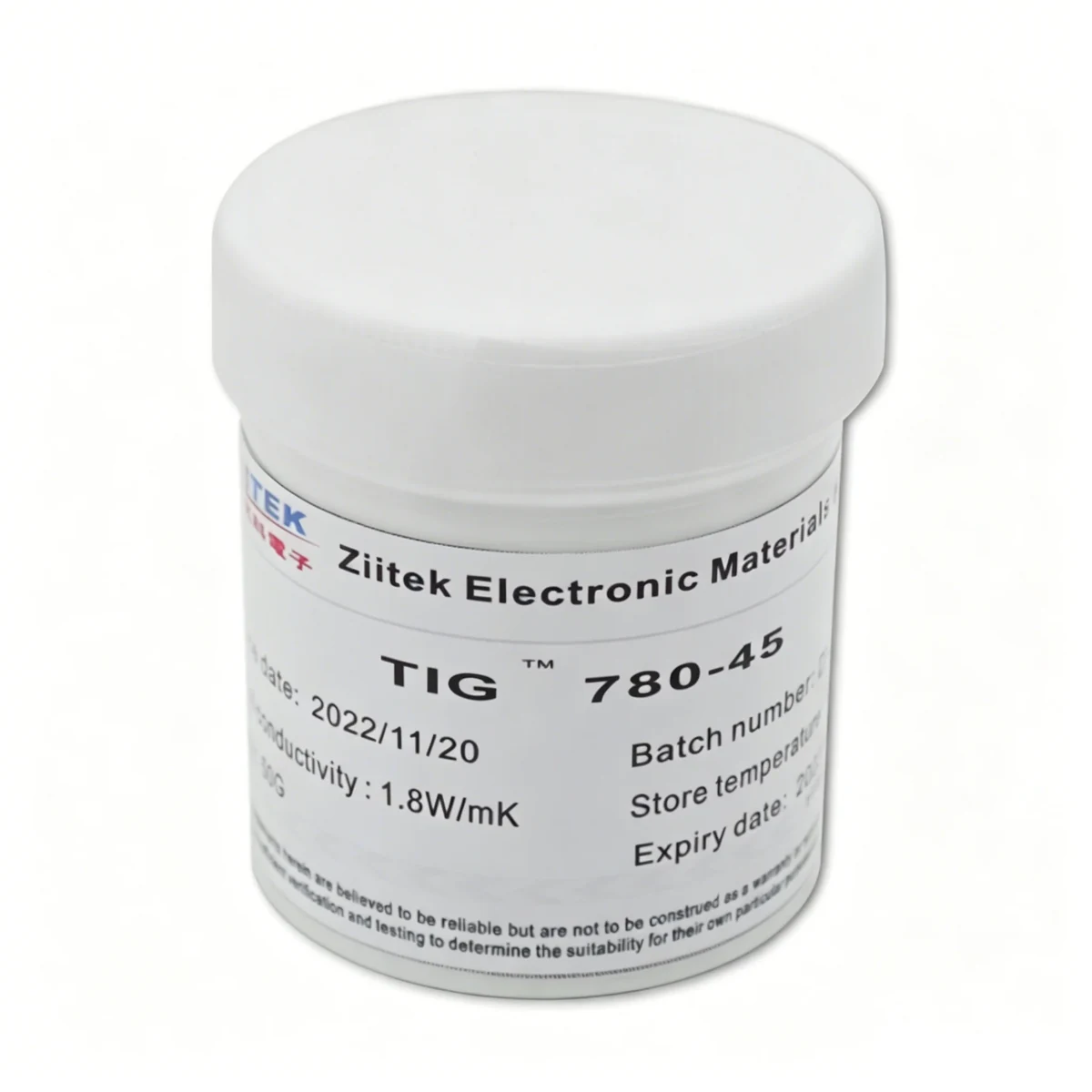 | TIG780-45 | 4.5 W/m·K | 2.90 | |
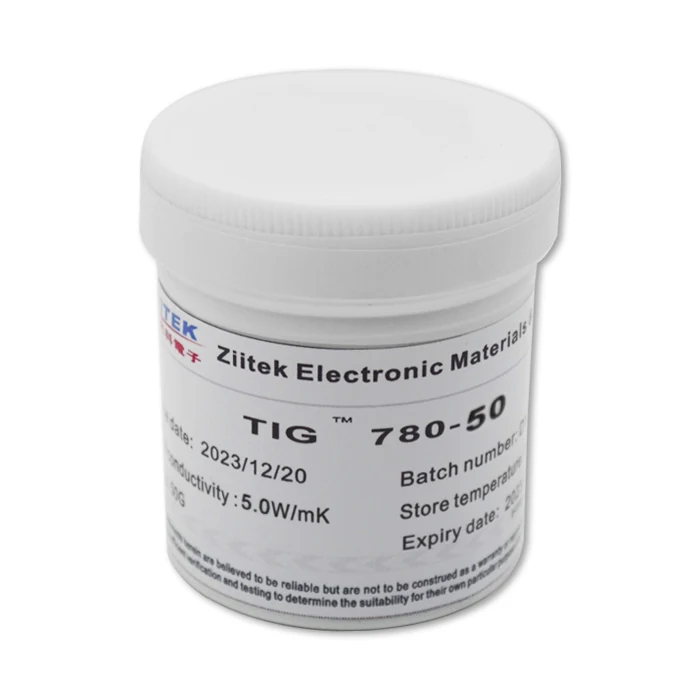 | TIG780-50 | 5 W/m·K | 2.30 | |
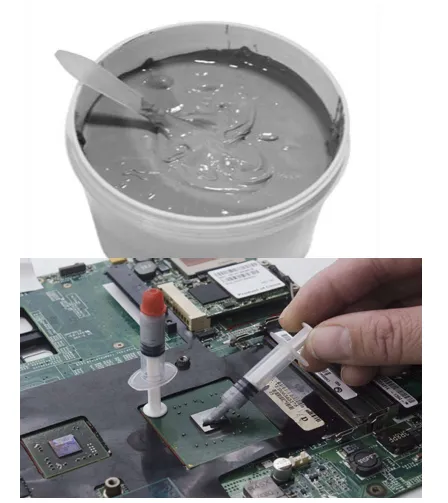 | TIG780-50HP | 5 W/m·K | 2.30 | |
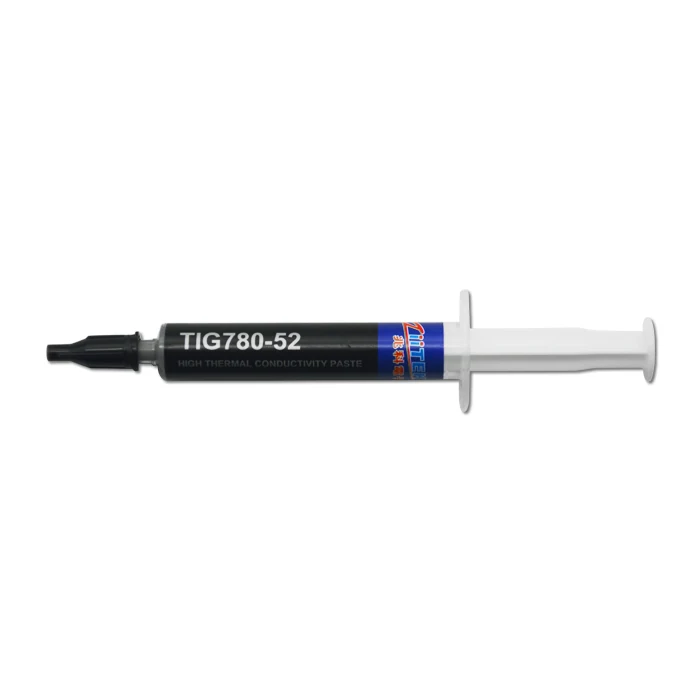 | TIG780-52 | 5.2 W/m·K | 2.30 | |
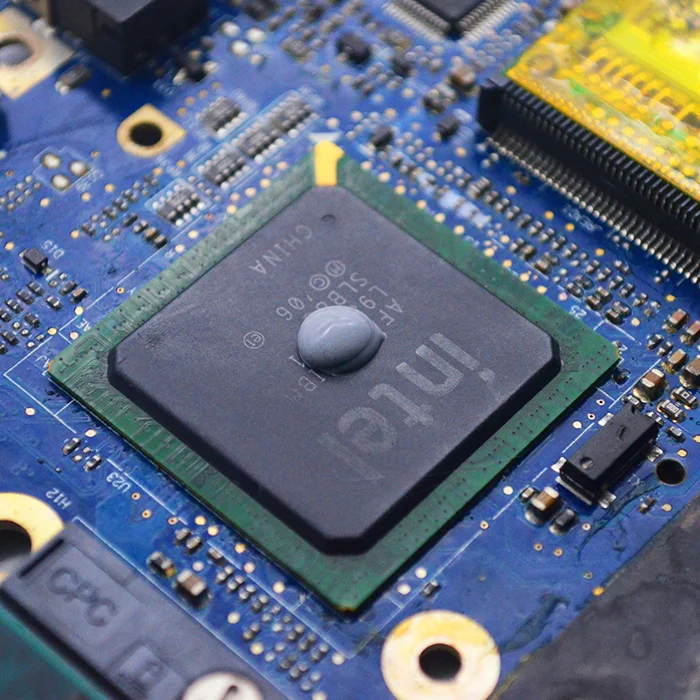 | TIG780-56S | 5.6 W/m·K | 2.3 | |
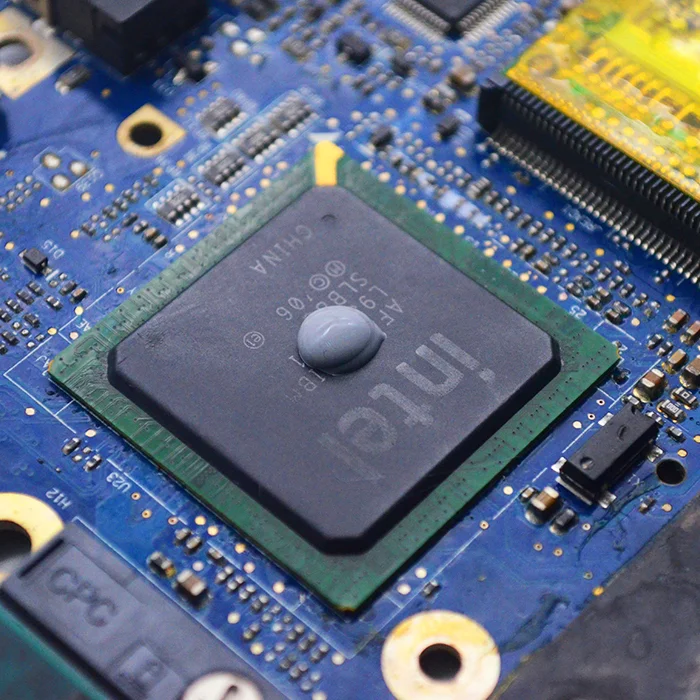 | TIG780-52S | 5.2 W/m·K | 2.3 | |
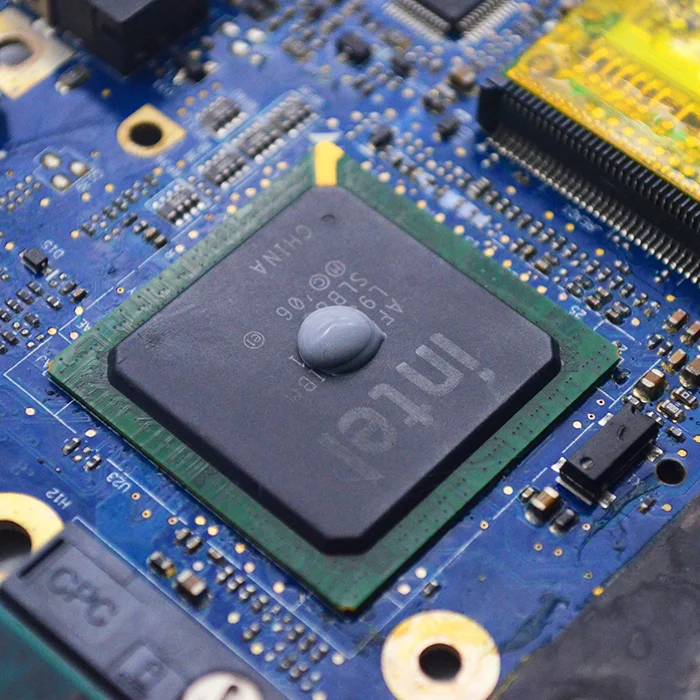 | TIG780-50S | 5 W/m·K | 2.8 | |
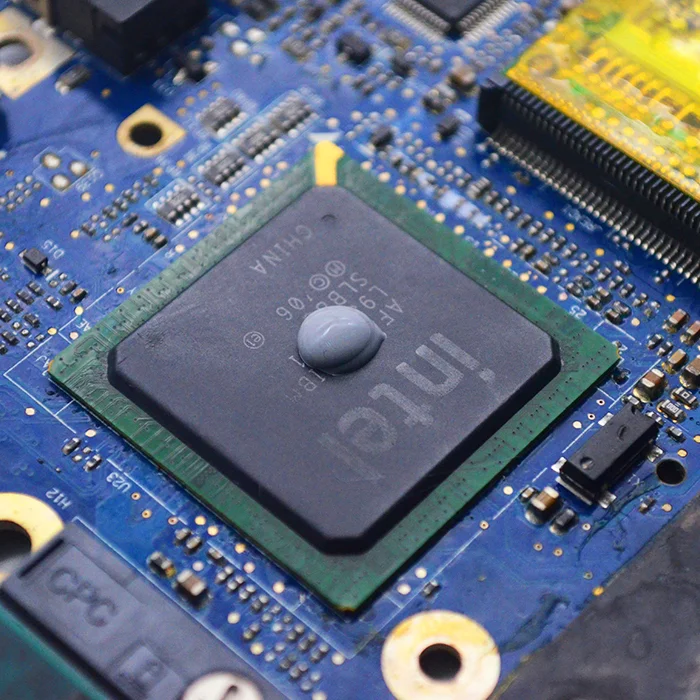 | TIG780-38S | 3.8 W/m·K | 2.7 g/cm³ | |
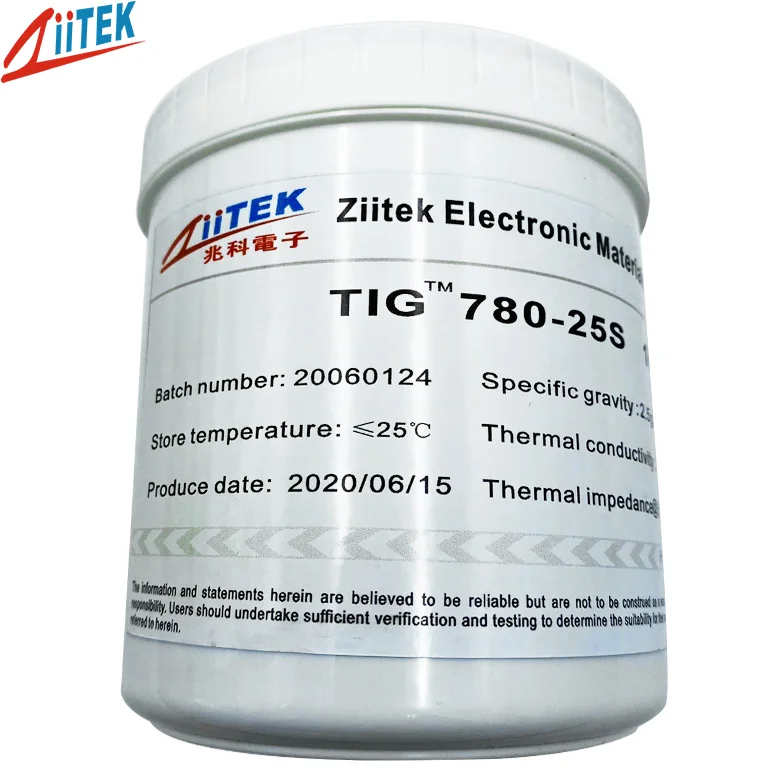 | TIG780-25S | 2.5 W/m·K | 2.7 | |
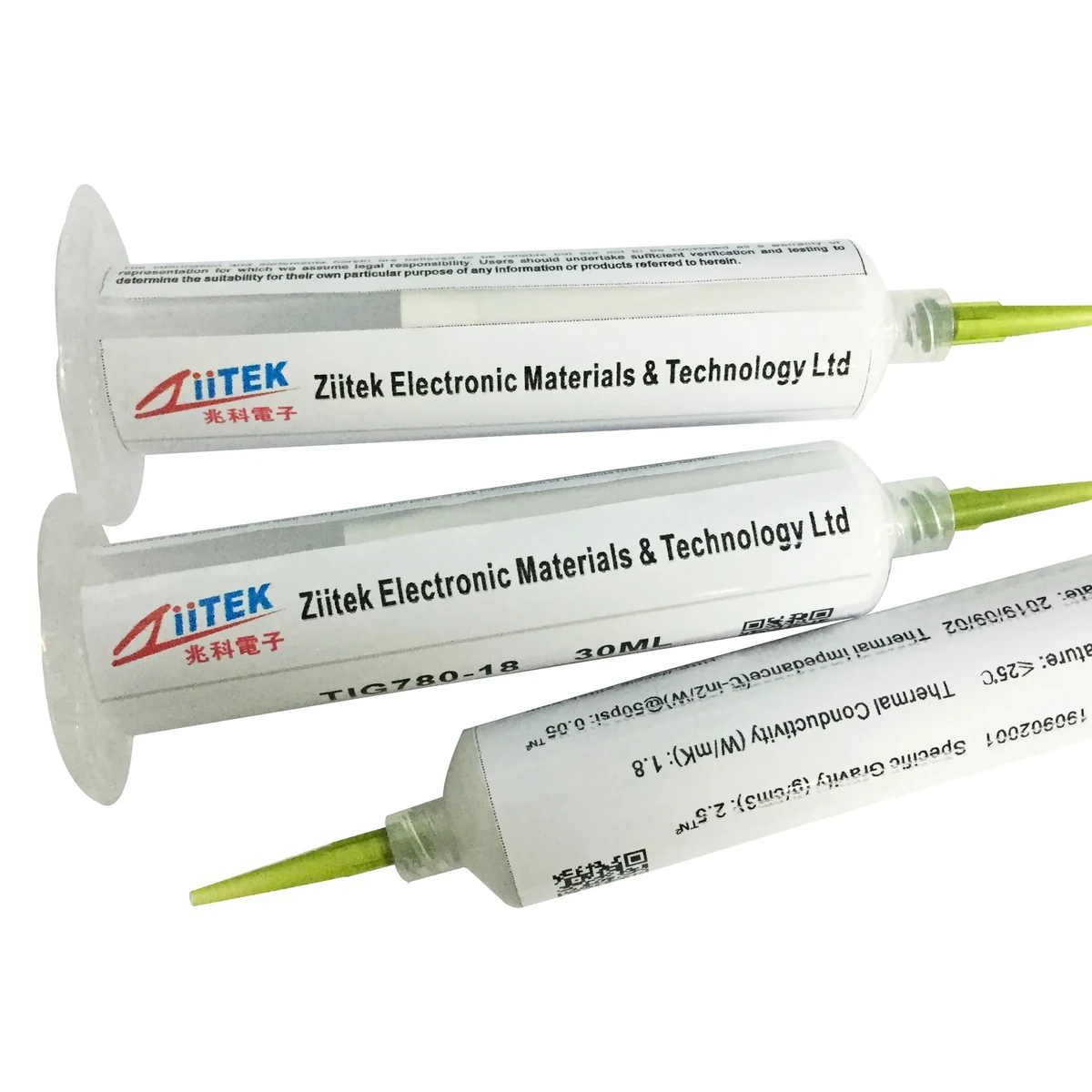 | TIG780-18S | 1.8 W/m·K | 2.8 | |
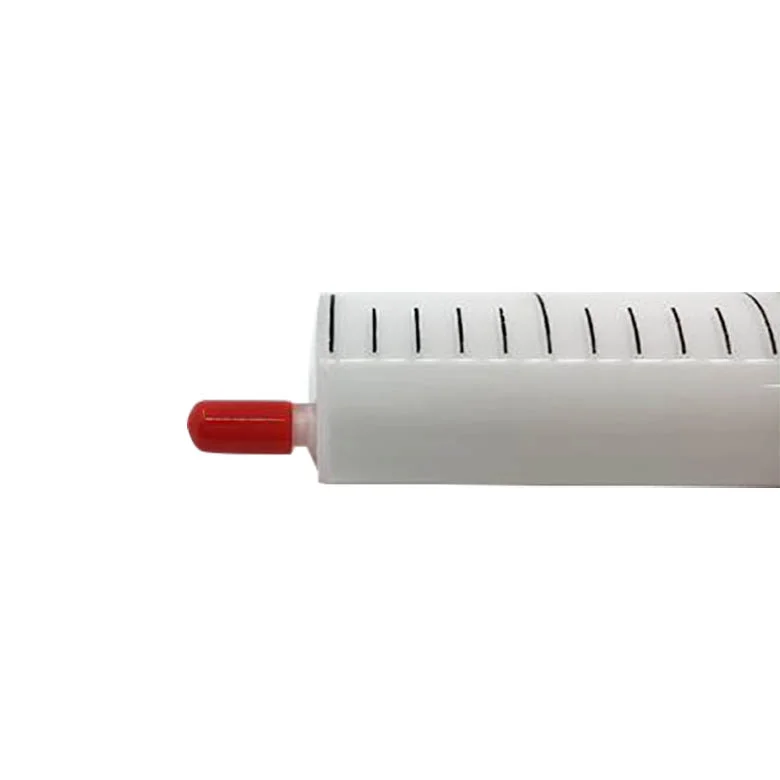 | TIG780-10S | 1 W/m·K | 2.13 | |
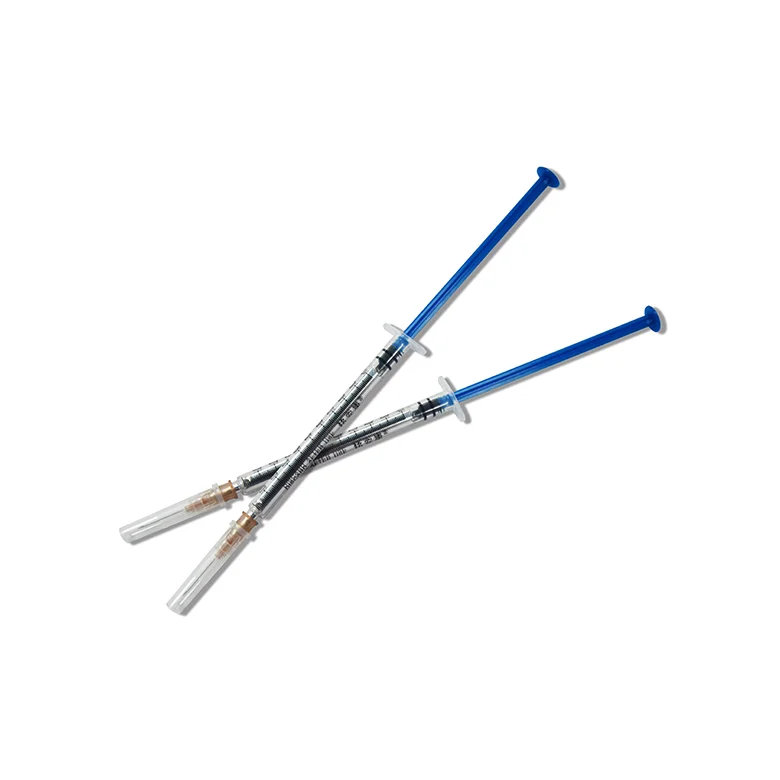 | TIG7835L | 35 W/m·K | 6.5 |
Where thermal grease fits
Dispensed pastes excel when the bond-line is thin, the interface is flat, and you want maximum λ in a grease form. Below are the programs that most often specify TIG-class greases.
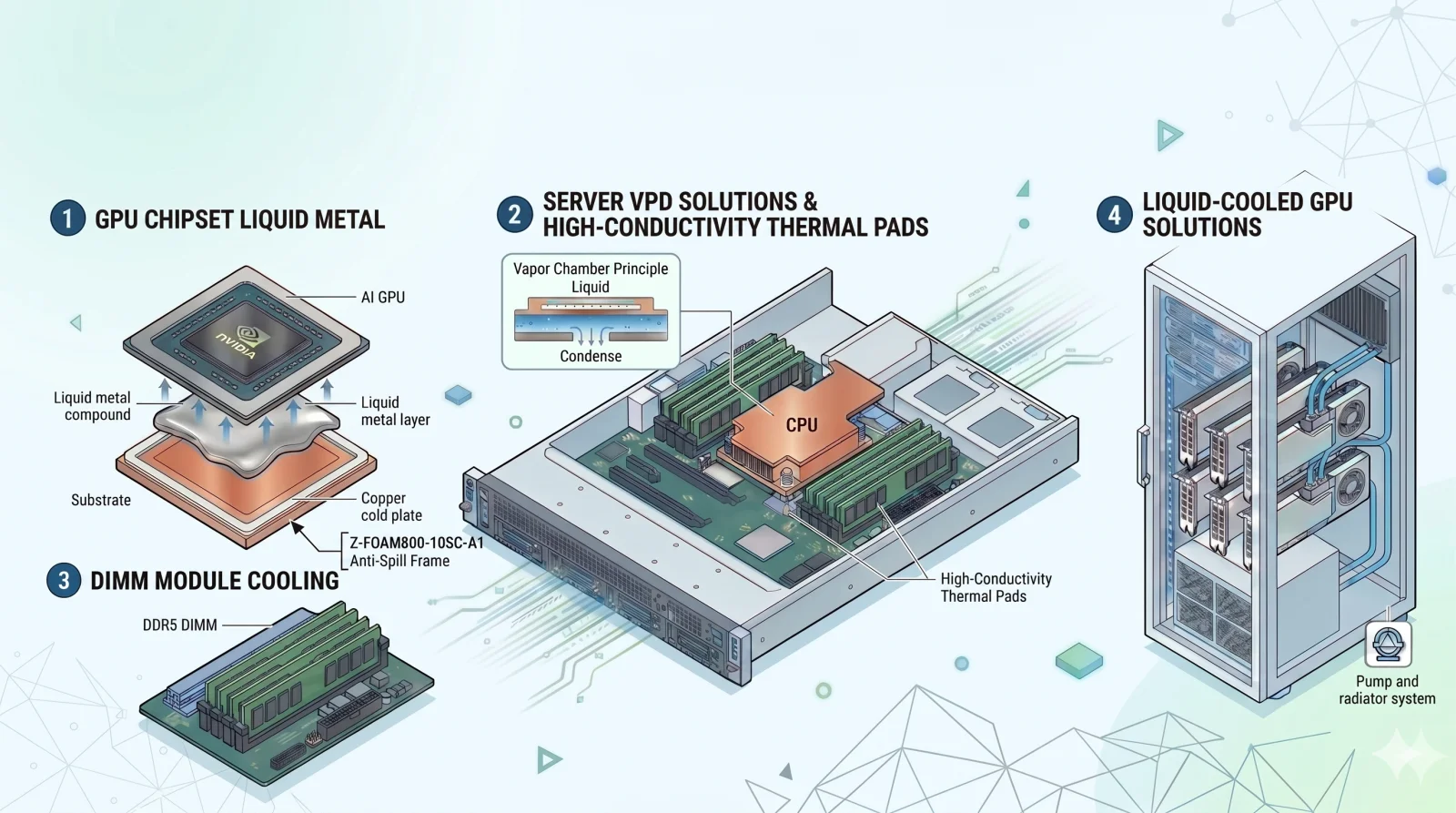
Servers · GPU · accelerators · DIMM
Data Center & AI Servers
High-flux silicon and dense PCBs — CPU/GPU bond-lines, VRM/DIMM/NIC interfaces, and accelerator cold-plate paths. Match grade against clamp force, TIM impedance, and rework cadence.
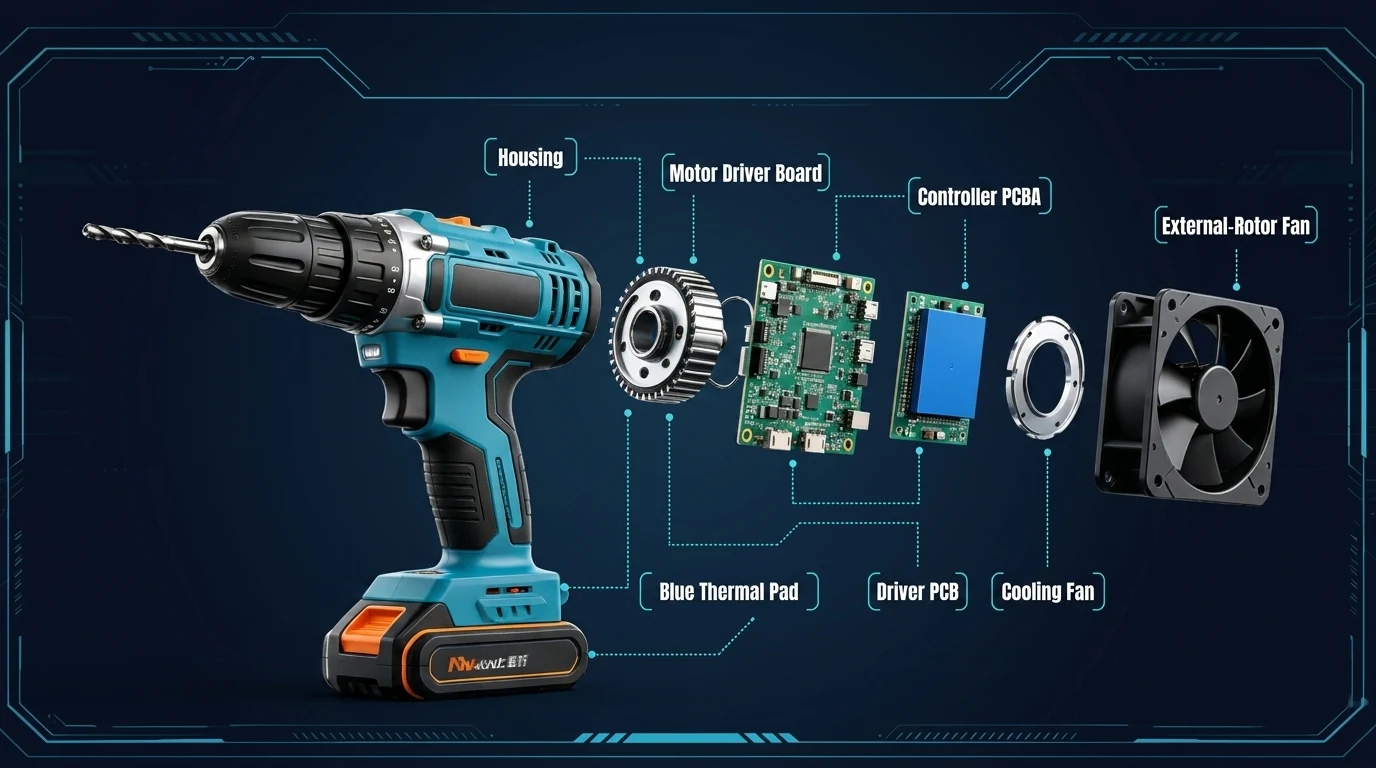
Drives · IGBT · controllers · sensors
Power Tools & Control Systems
Industrial controls, motor drives, power-stage IGBTs, and rugged modules — thermal interfaces, sealing, and encapsulation built for serviceable assemblies and harsh environments.
Typical specification window (thermal grease)
| Parameter | Typical range / note | Method |
|---|---|---|
| Thermal conductivity (nominal) | ≈ 1 – 13+ W/m·K | ASTM D5470 |
| Working bond-line | 0.02 – 0.2 mm typical | Stack-up |
| Viscosity | Thixotropic pastes — grade-specific | Brookfield |
| Continuous-use temp. | −45 °C to 200 °C class | UL746B / datasheet |
| Volume resistivity | ≥ 1×10¹³ Ω·cm typical | ASTM D257 |
| Pump-out / bleed | Formulation-dependent | HAST / OEM profile |
| Shelf & work life | One-part — see TDS | — |
| RoHS approach | RoHS-targeted grades | — |
| Application | Screen, stencil, or dispense | Process |
* Representative grades. Request a lot-specific datasheet or CoA for your exact part number.
Thermal grease — common questions
Need help shortlisting or cross-referencing? Talk to a Ziitek thermal engineer — 2-hour response SLA.
Talk to an engineerWhat is thermal grease?
Thermal grease (also called thermal compound, paste, or TIM grease) is a viscous, thermally conductive compound applied between a heat source and a heatsink to fill the microscopic surface irregularities that would otherwise trap insulating air pockets. Unlike a thermal pad it has no defined thickness — clamp pressure squeezes it down to a bondline of typically 10–50 µm, giving the lowest contact thermal resistance of any TIM class. The trade-off is it requires careful application, can pump out under thermal cycling, and is messier to rework than a pad.
When should I pick grease over a thermal pad?
Pick grease when the bondline is thin and consistent (a flat IHS against a flat copper cold plate, sub-50 µm gap), and when achieving the absolute lowest thermal resistance matters — high-end CPUs, GPUs, RF power amplifiers. Pick a pad (TIF) when the bondline varies more than a few hundred microns, when assembly speed and reworkability matter, or when you want a dry part on the BOM. Most data-centre boards use both: pad on memory and VRMs, grease on the GPU die.
What's special about TIG7835L liquid metal?
TIG7835L is a gallium-indium-tin alloy that is liquid at room temperature, with thermal conductivity ≈ 35 W/m·K — about an order of magnitude above the best silicone grease. It's used for direct die contact on the highest-flux processors. CRITICAL CAUTION: liquid metal is electrically conductive (resistivity < 10⁻⁴ Ω·m) and corrodes aluminum on contact — never use it on aluminum heat spreaders, near exposed conductors, or without a containment dam. Confirm package material (typically nickel-plated copper or nickel-plated aluminum acceptable) before specifying.
What does 'thixotropic' (TIG780-XXS) mean?
Thixotropic greases shear-thin under pump pressure (so they dispense easily) but quickly regain higher viscosity at rest (so they stay where placed and resist gravity flow or thermal-cycle pump-out). Use the -S grades for vertical-mount assemblies, vibration-prone hardware (vehicles, industrial drives, server fans), or any place where standard grease would migrate over its service life. λ is comparable to non-S equivalents at the same numeric grade.
How thin a bondline can grease achieve?
With proper preparation (lapped surfaces, controlled clamp pressure, single thin spread or pea-method dot) silicone grease typically settles at 10–30 µm bondline, liquid metal at 1–10 µm. Measured ASTM D5470 thermal impedance follows the bondline; thinner is always better in terms of °C·in²/W until air gaps re-form. The TIG780-50HP datasheet quotes 0.008 mm (8 µm) bondline as a target for high-performance assembly.
How long does thermal grease last?
Quality silicone-based grease (TIG780 series) typically holds performance for 7–10 years at moderate temperatures and 3–5 years above 100 °C continuous service. Pump-out is the dominant failure mode in thermally cycled assemblies — choose a thixotropic grade (-S) for vibration or cycle-heavy environments. Liquid metal does not pump out but can migrate via wetting; design a containment dam if the heatsink isn't sealed.
Adjacent thermal management lines
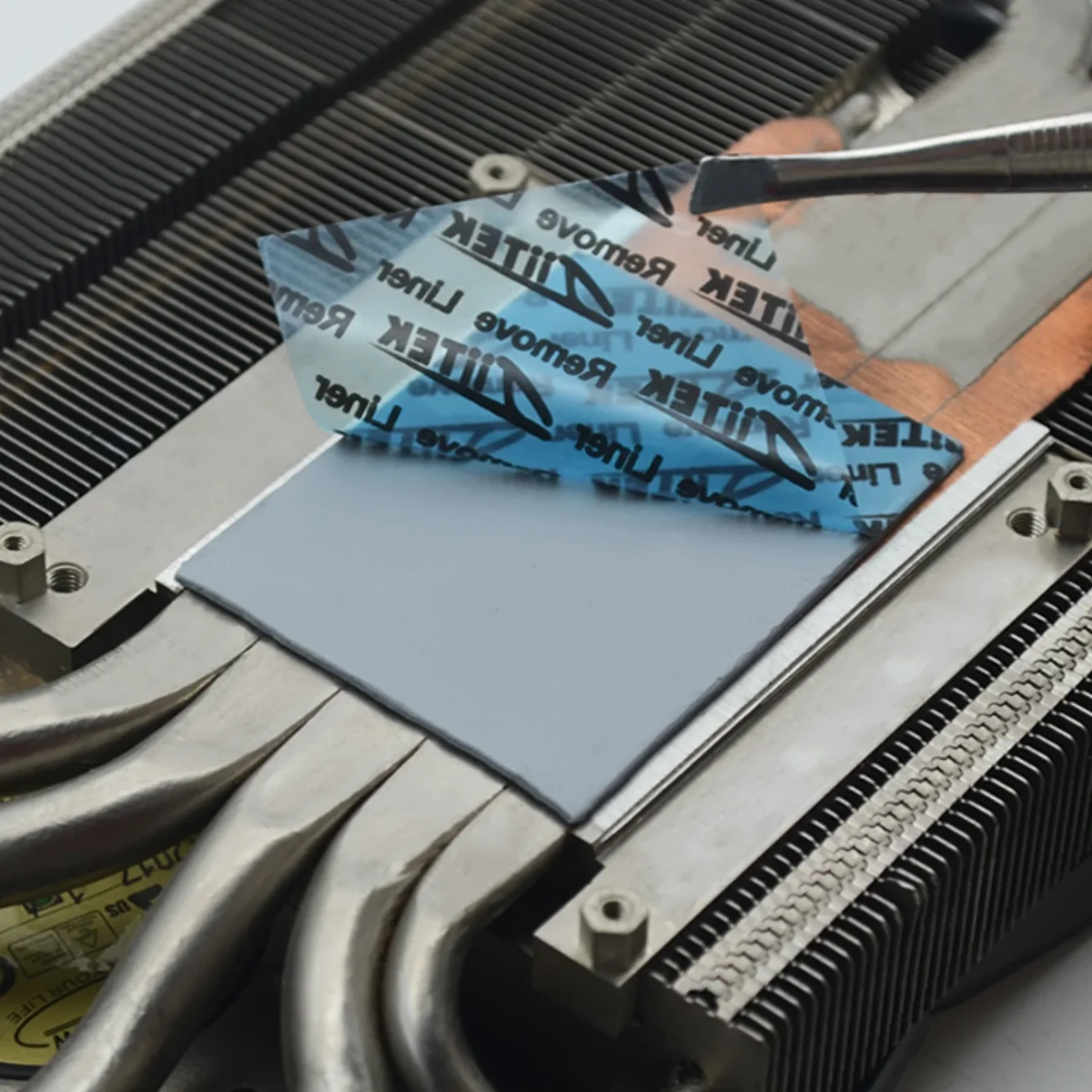
TIF
Silicone Thermal Pad
When the bondline is wider than ~100 µm or rework matters — pads beat grease on assembly time.
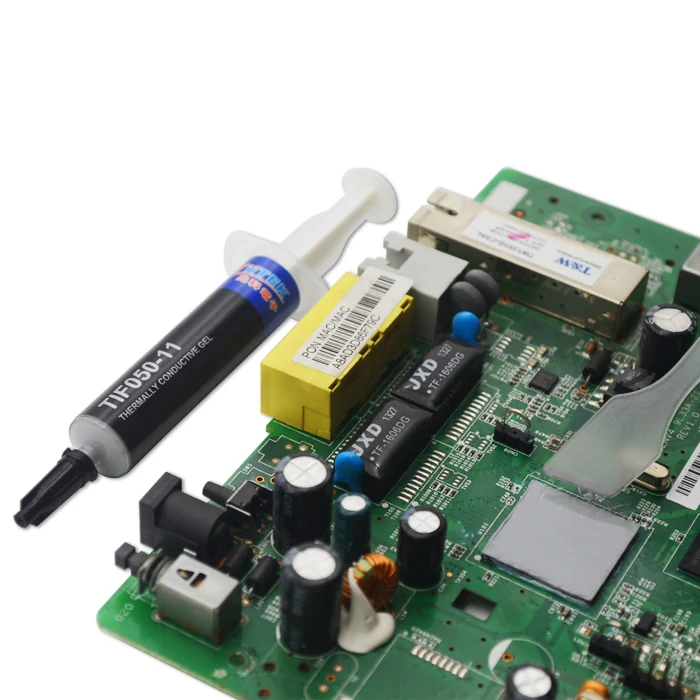
Gel / Putty
Thermal Gel & Putty
Single-part dispensable gel for high-volume in-line dispensing where syringe-applied grease is too messy.
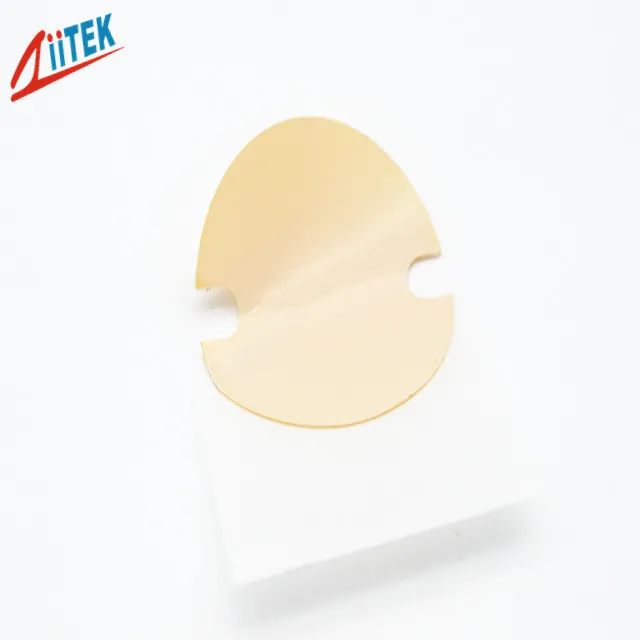
TIC PCM
Phase Change Material
One-time-melt films that flow into bondline at first heat, then stay put — a no-pump-out alternative.
Sample
Talk to engineering
Need help with liquid-metal containment, pump-out modeling, or syringe vs cartridge packaging? 2-hour response.

Your next thermal solution
starts here.
From rapid prototyping to full-scale production — our engineers are ready to design a custom thermal solution for your application. Trusted by 5,000+ clients across EV, 5G, and consumer electronics.