Thermally conductive insulators
Dielectric thermal interface films for power-semiconductor packages, IGBT modules, and high-voltage isolation. 29 TIS grades — λ 0.6–4.5 W/m·K with breakdown voltage to 6 kV/mm — in mica, silicone-rubber, and ceramic-loaded constructions.
29
TIS grades
0.6–4.5 W/m·K
Thermal conductivity (λ)
Up to 6 kV/mm
Dielectric strength
0.13 – 0.5 mm
Thickness (typical)
UL94 V-0
Flame rating
Three families: silicone-rubber, mica/composite, and high-voltage modules
Every Thermally conductive insulators grade, one table
All 29 thermally conductive insulators part numbers with thermal conductivity (W/m·K), colour notes, and PDF datasheets. Click a model name with a link for full specs, photos, and application guidance.
| Photo | Model | λ (W/m·K) | Specific Gravity | PDF & next step |
|---|---|---|---|---|
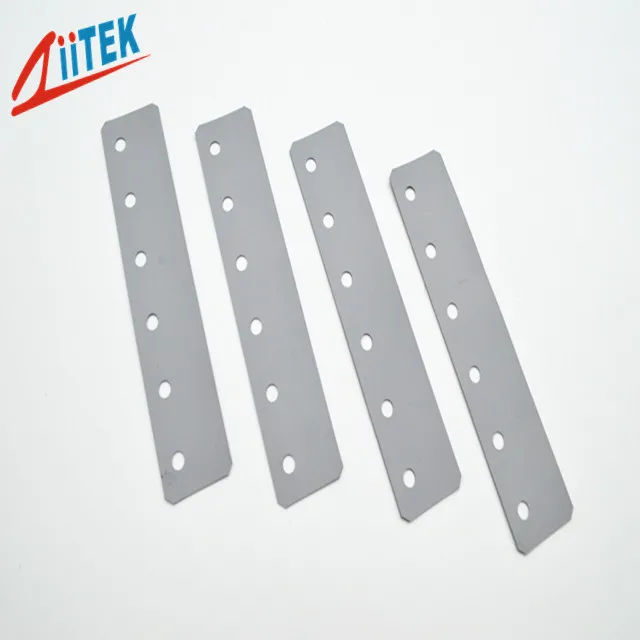 | TIS100-01 | 1 W/m·K | 2.06 | |
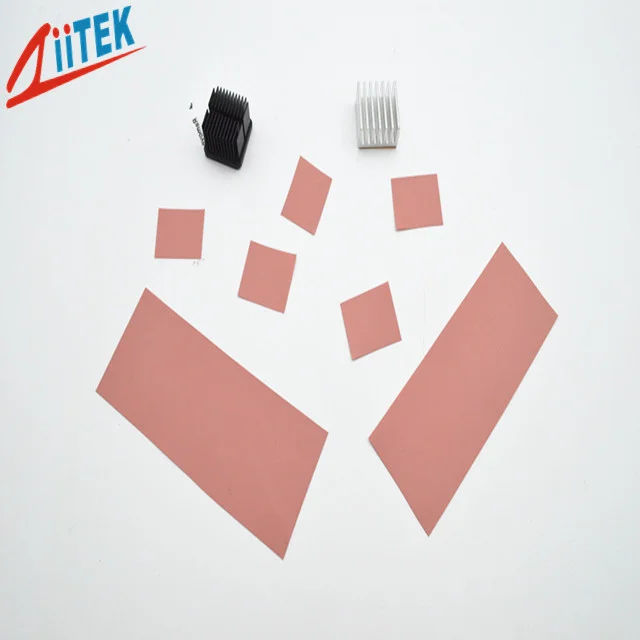 | TIS100-02 | 1 W/m·K | 1.751 | |
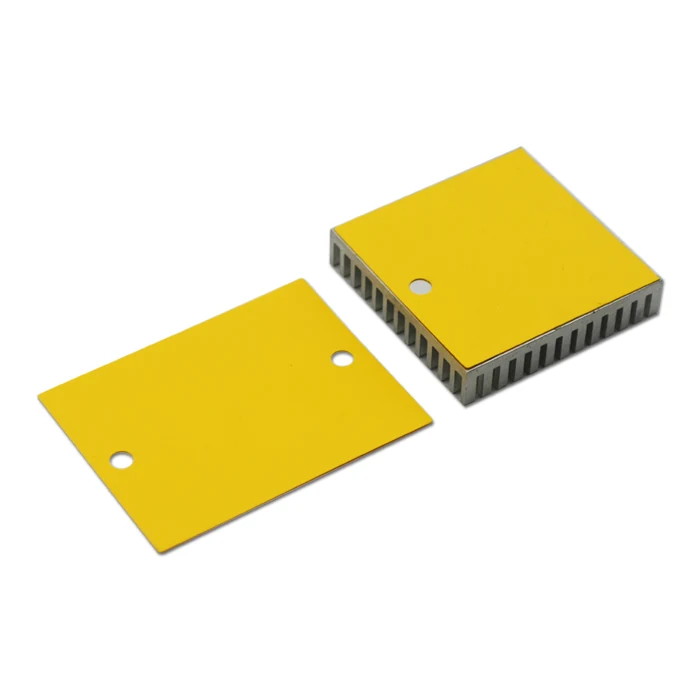 | TIS100-03 | 1 W/m·K | 1.768 | |
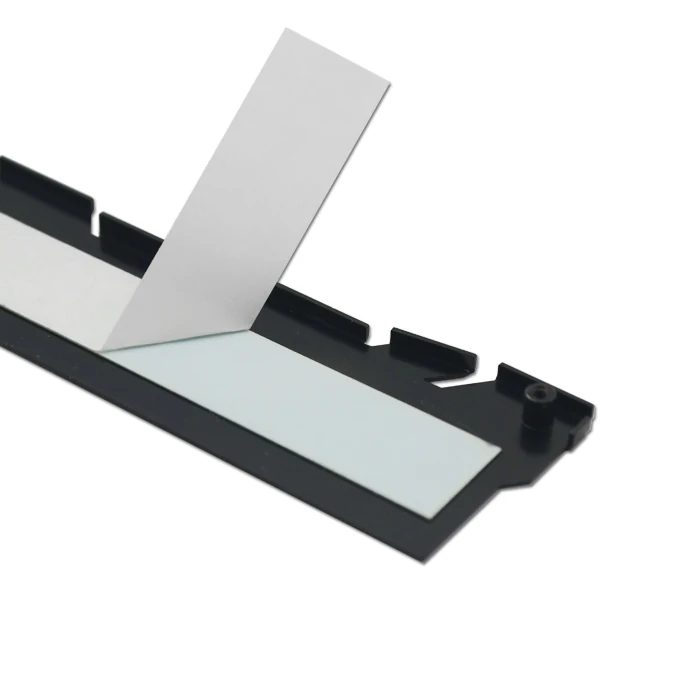 | TIS100-05 | 1 W/m·K | 1.72 | |
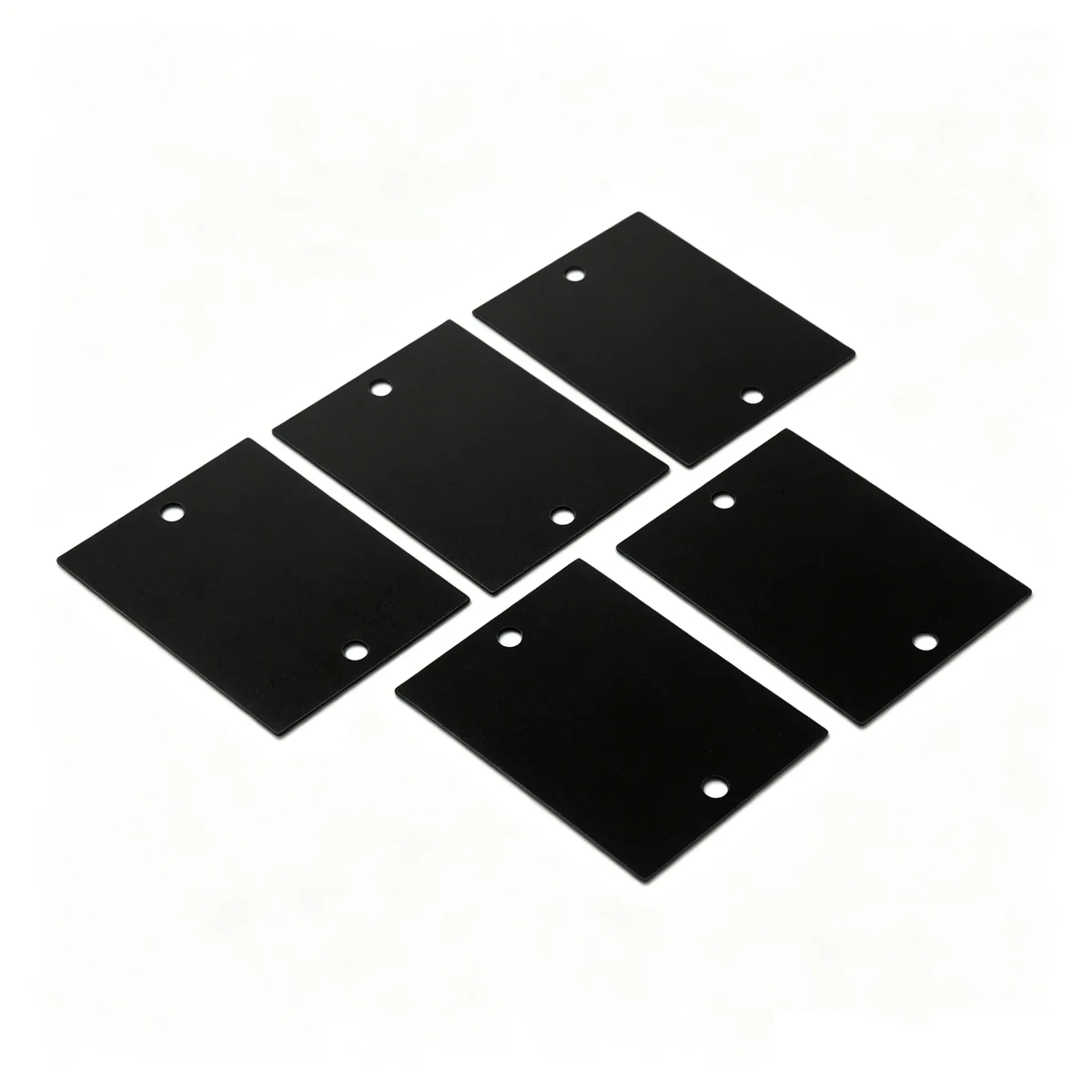 | TIS100-08-01F | 0.8 W/m·K | 1.81 | |
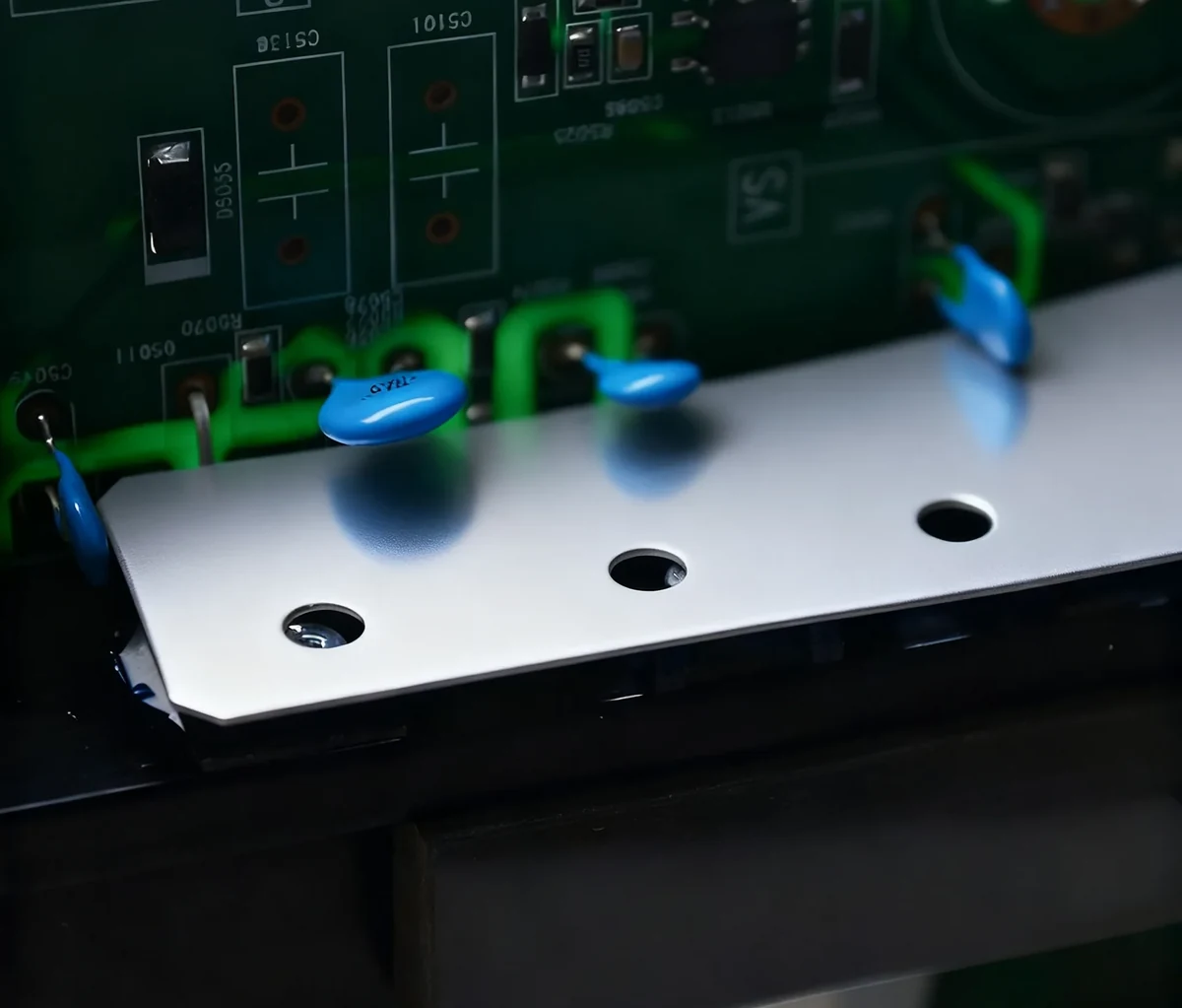 | TIS100-10 | 1 W/m·K | 1.85 | |
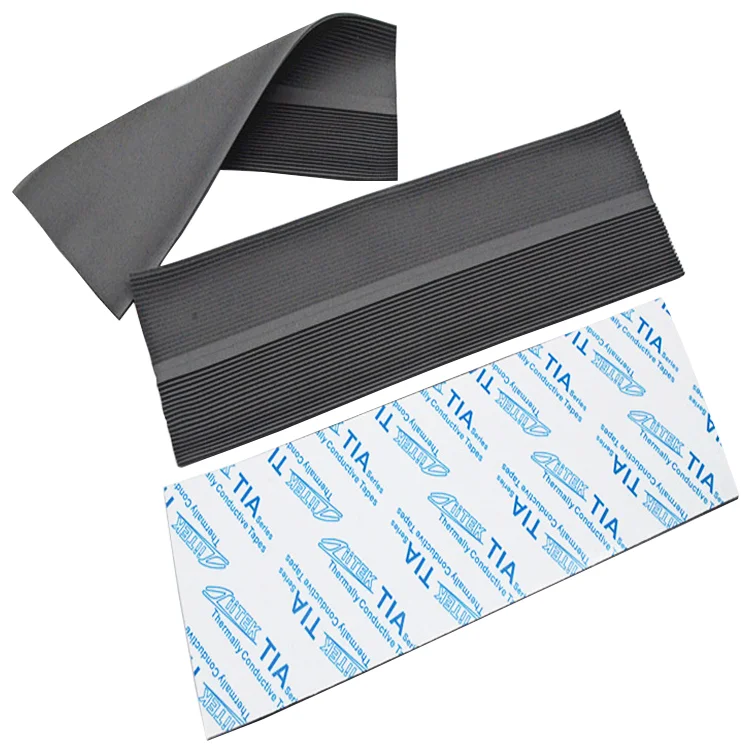 | TIS100-10-1150-A1 | 0.6 W/m·K | 1.7 | |
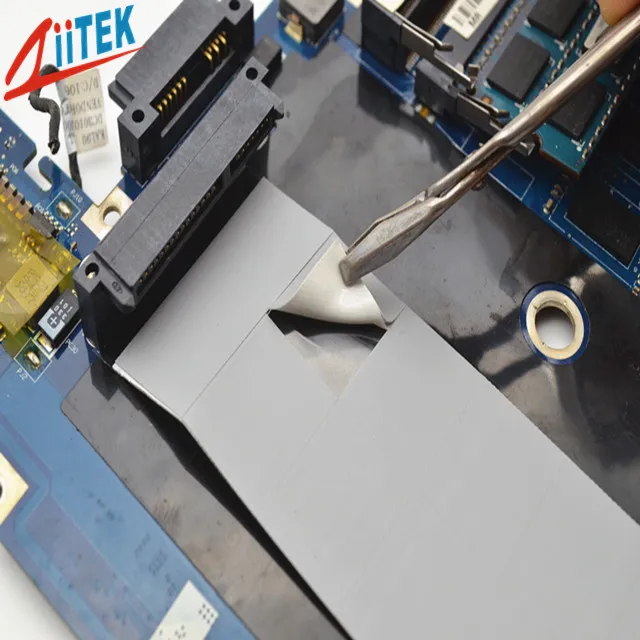 | TIS100-16-01 | 1.6 W/m·K | 2.3 | |
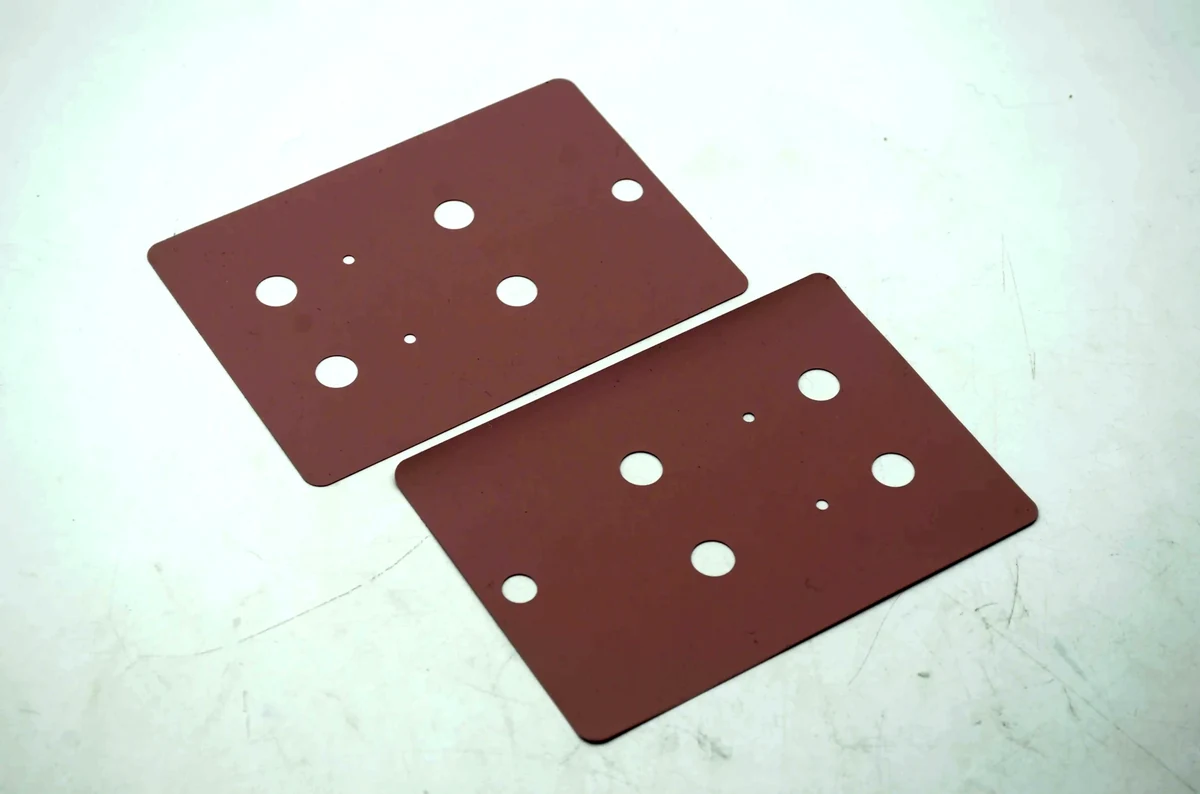 | TIS100-16-02 | 1.6 W/m·K | 2.3 | |
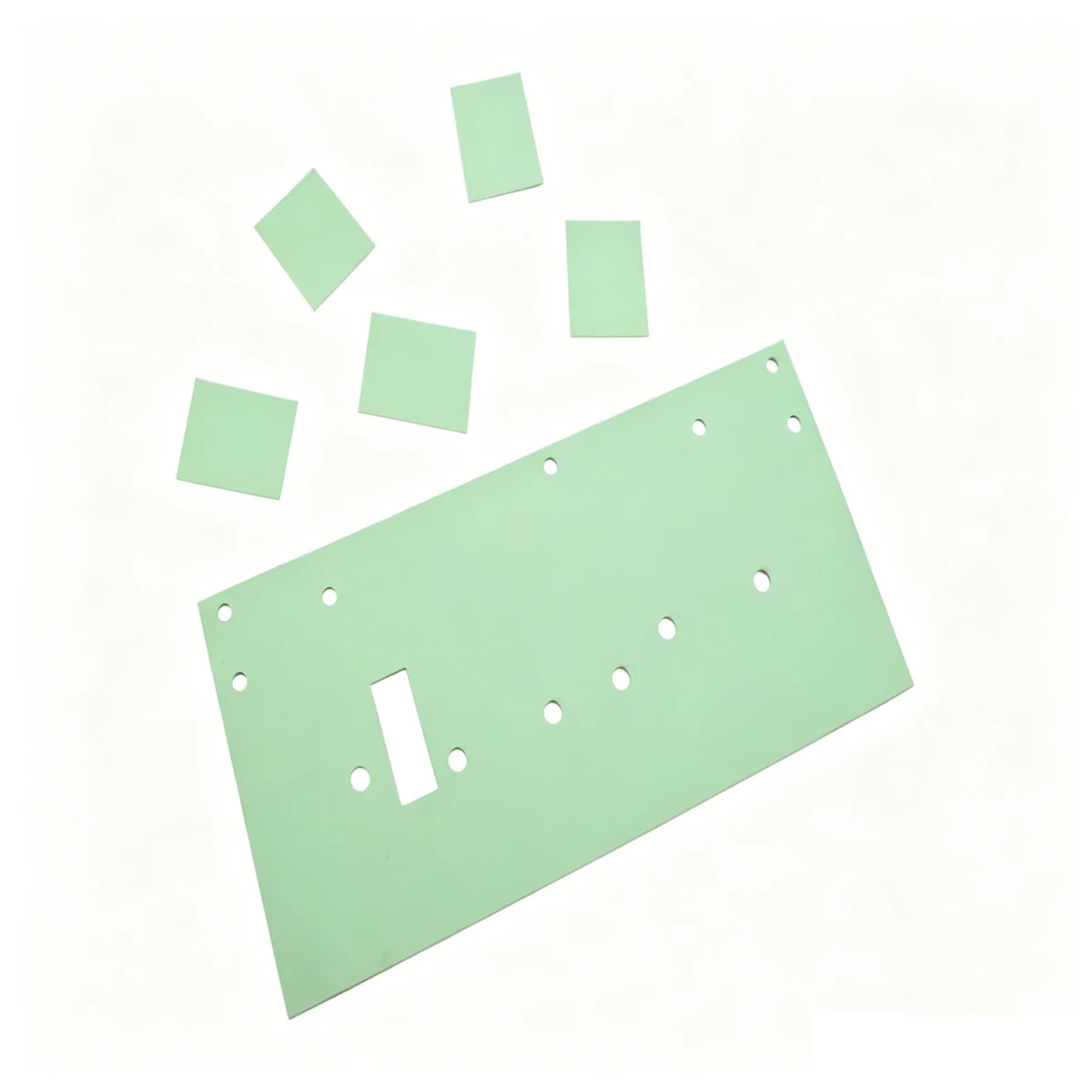 | TIS100-59-A1 | 1 W/m·K | 1.51 | |
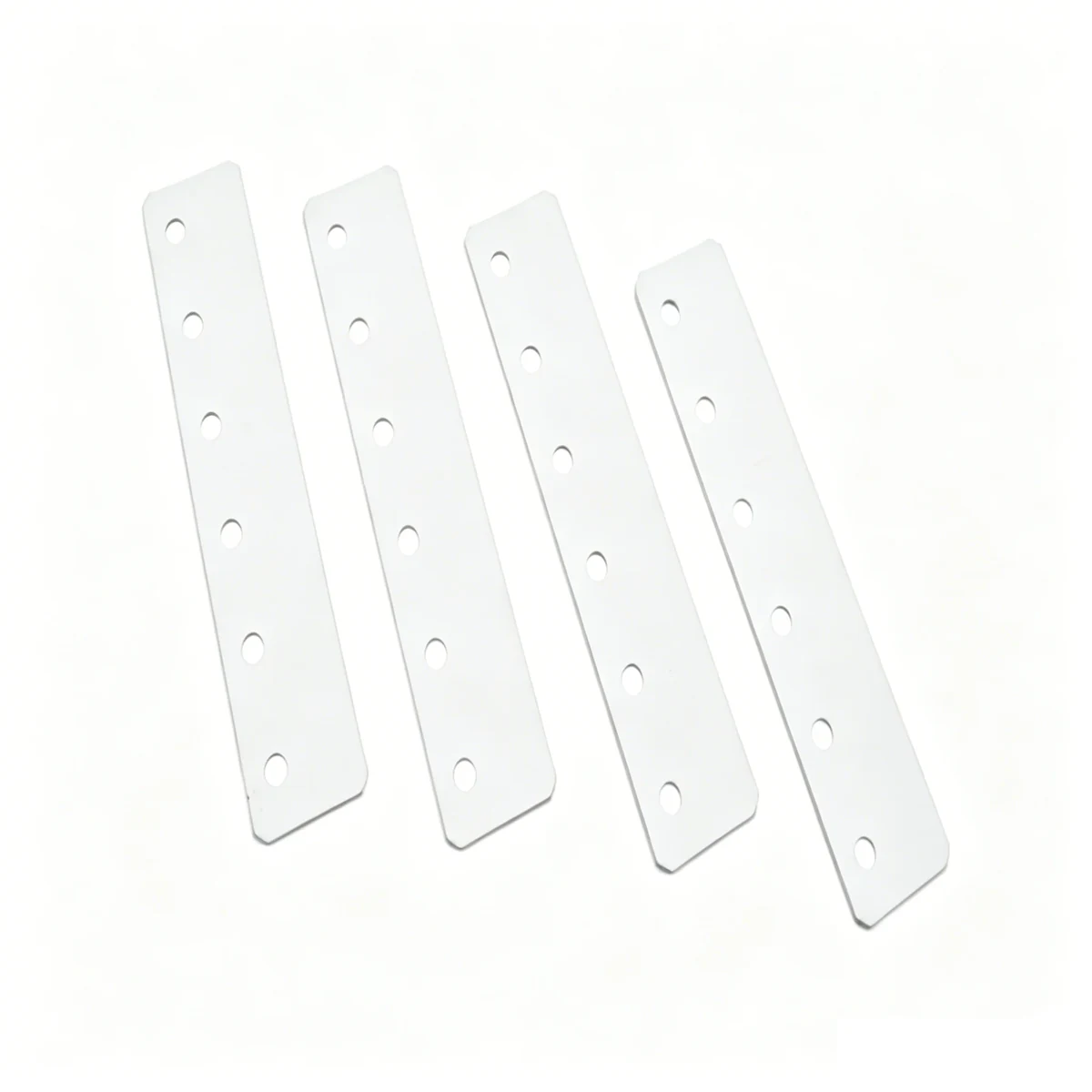 | TIS100-86-30 | 2.5 W/m·K | 2.33 | |
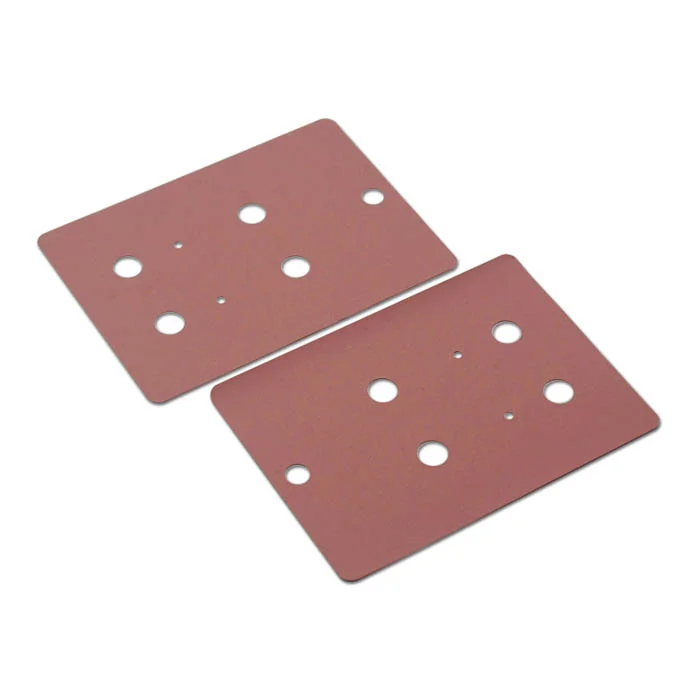 | TIS100-86-50 | 3.5 W/m·K | 1.97 | |
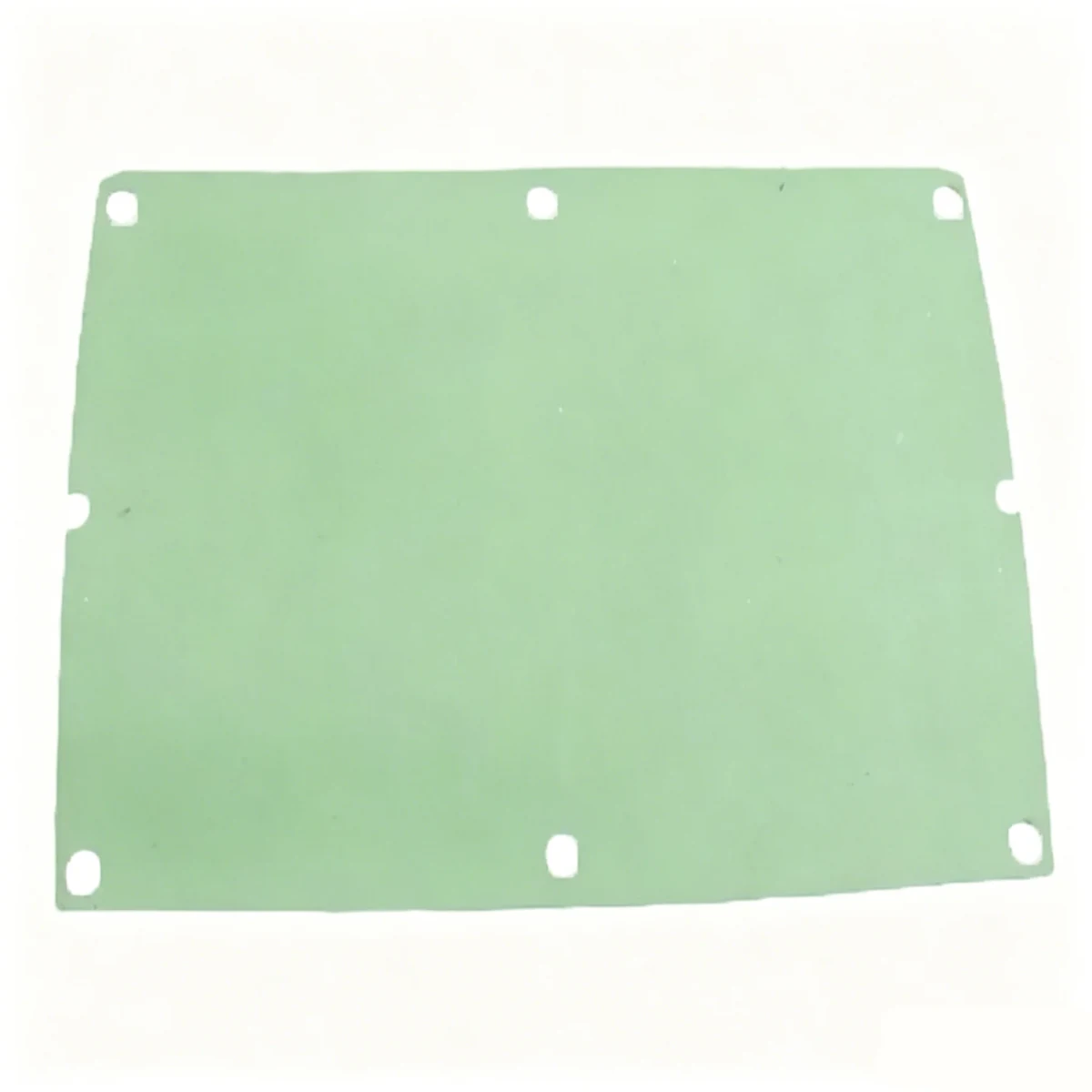 | TIS100-86-37 | 1.8 W/m·K | 2.29 | |
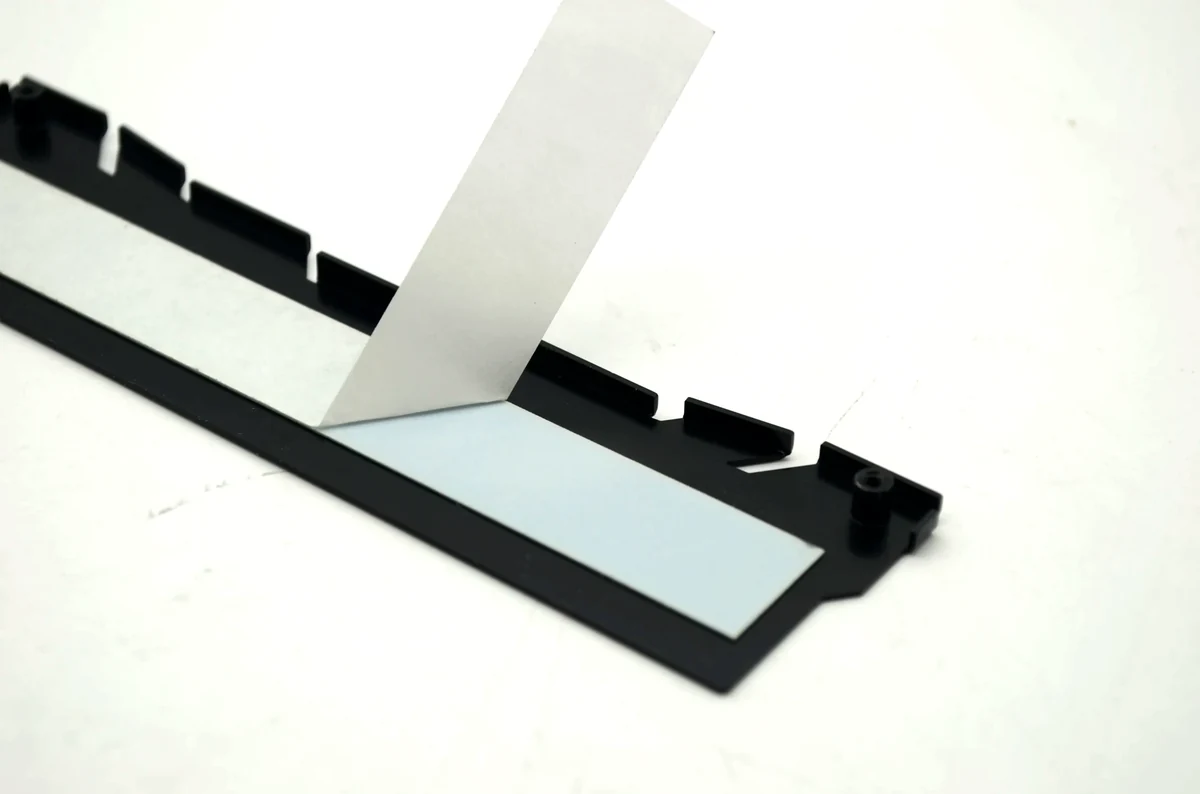 | TIS100-SP1800 | 1.8 W/m·K | 1.82 | |
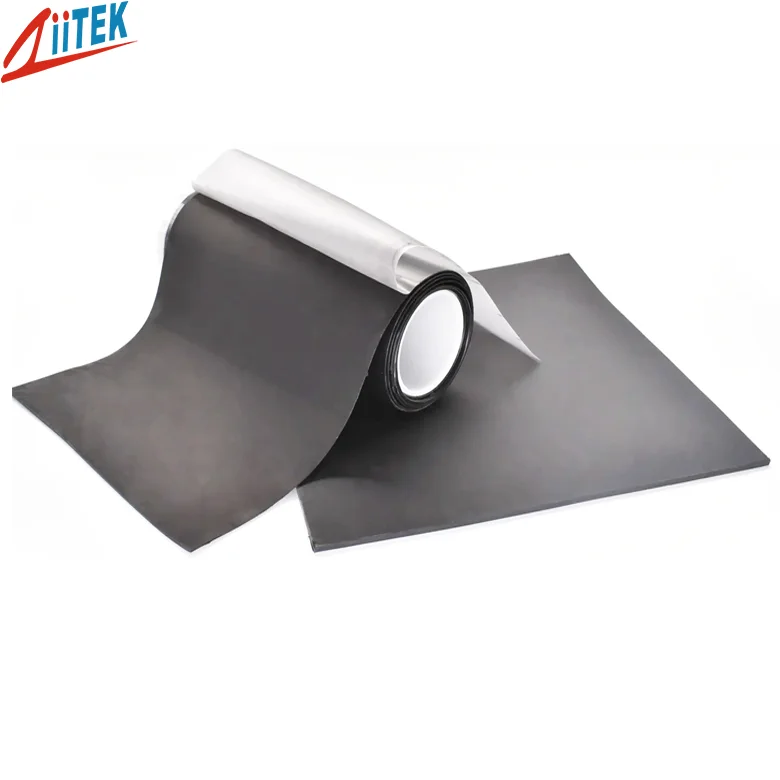 | TIS300 | 4.5 W/m·K | 2.4 | |
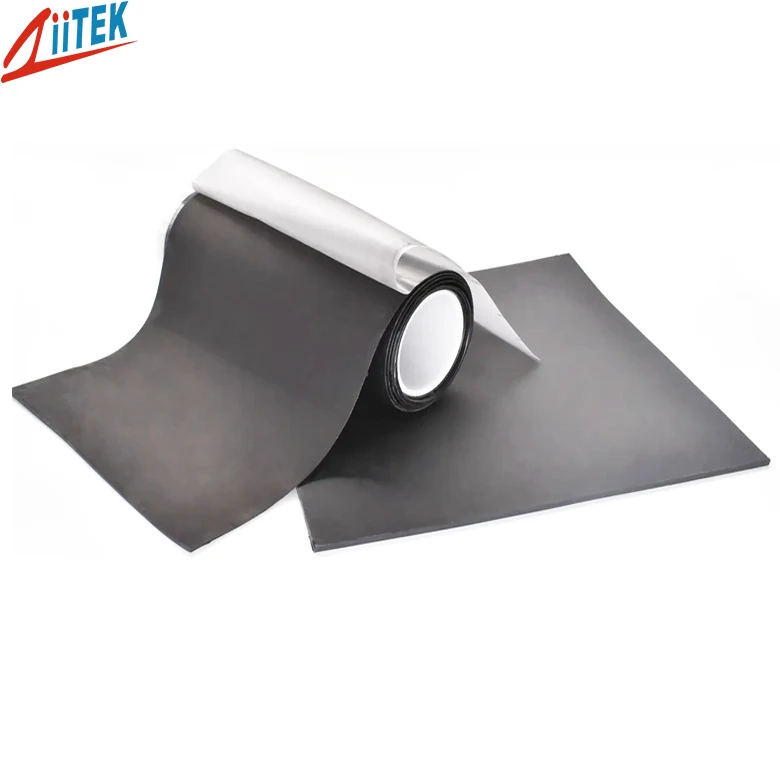 | TIS300-45 | 4.5 W/m·K | 2.4 | |
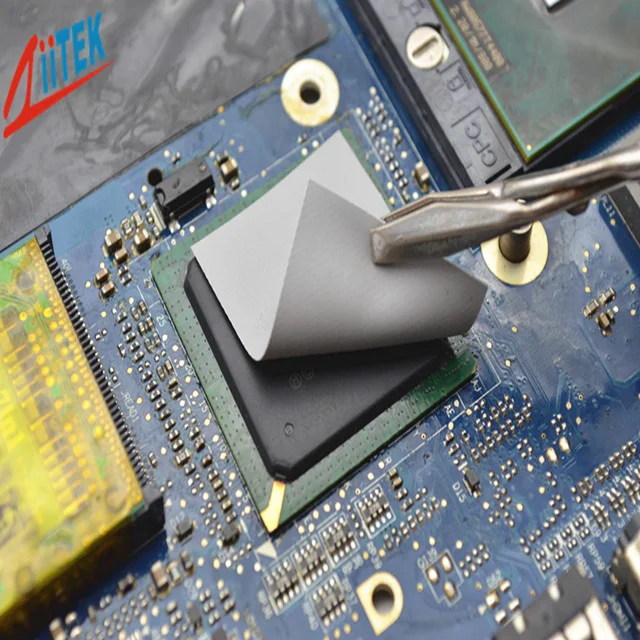 | TIS800-09-01 | 0.9 W/m·K | 2.4 | |
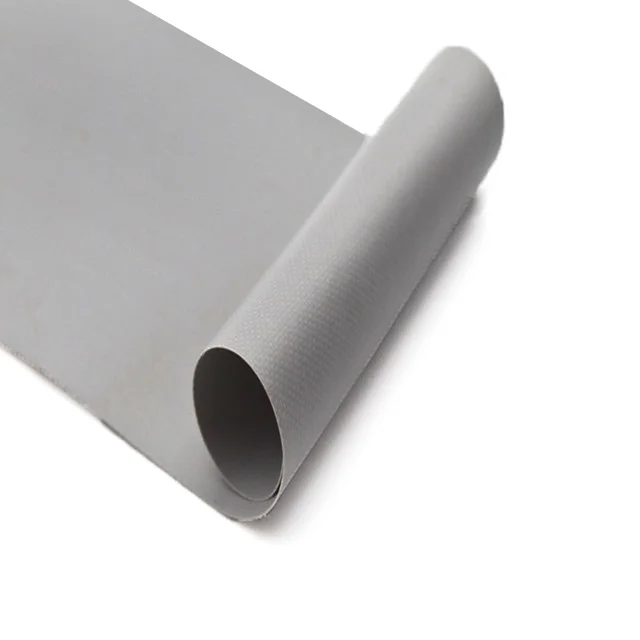 | TIS800K-09-01 | 0.9 W/m·K | 2.4 | |
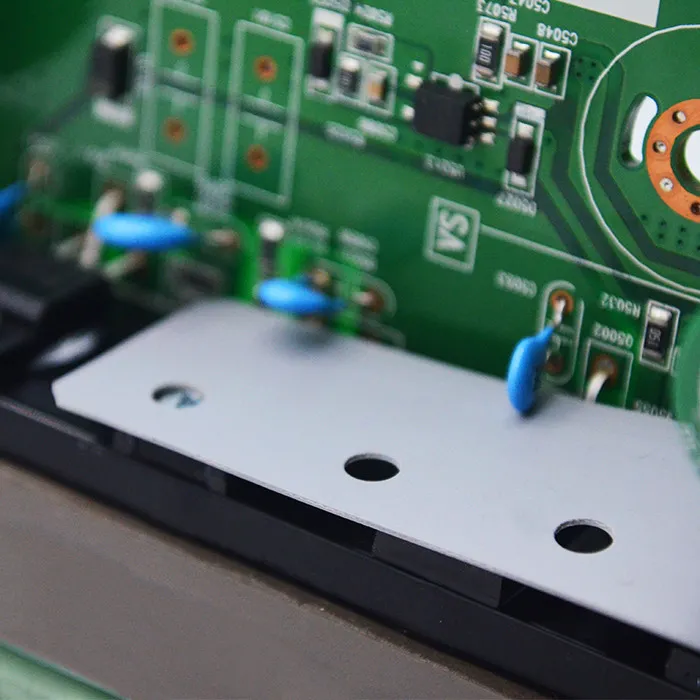 | TIS809-09-01 | 0.9 W/m·K | 2.4 | |
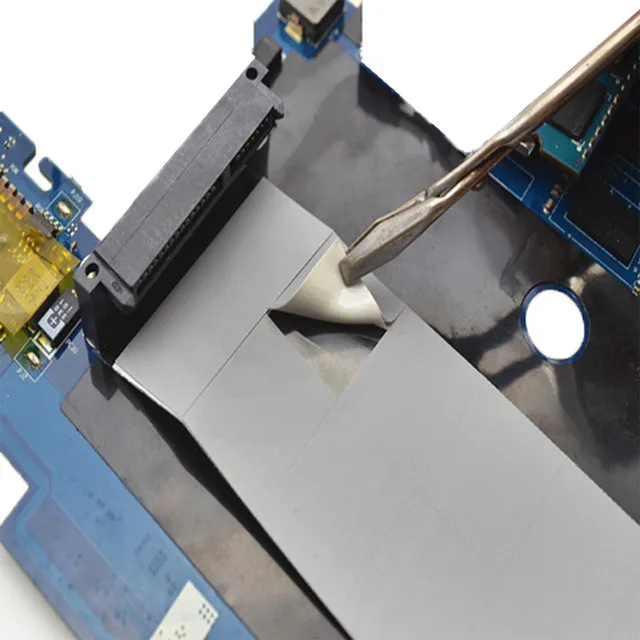 | TIS807-09-01 | 0.9 W/m·K | 2.4 | |
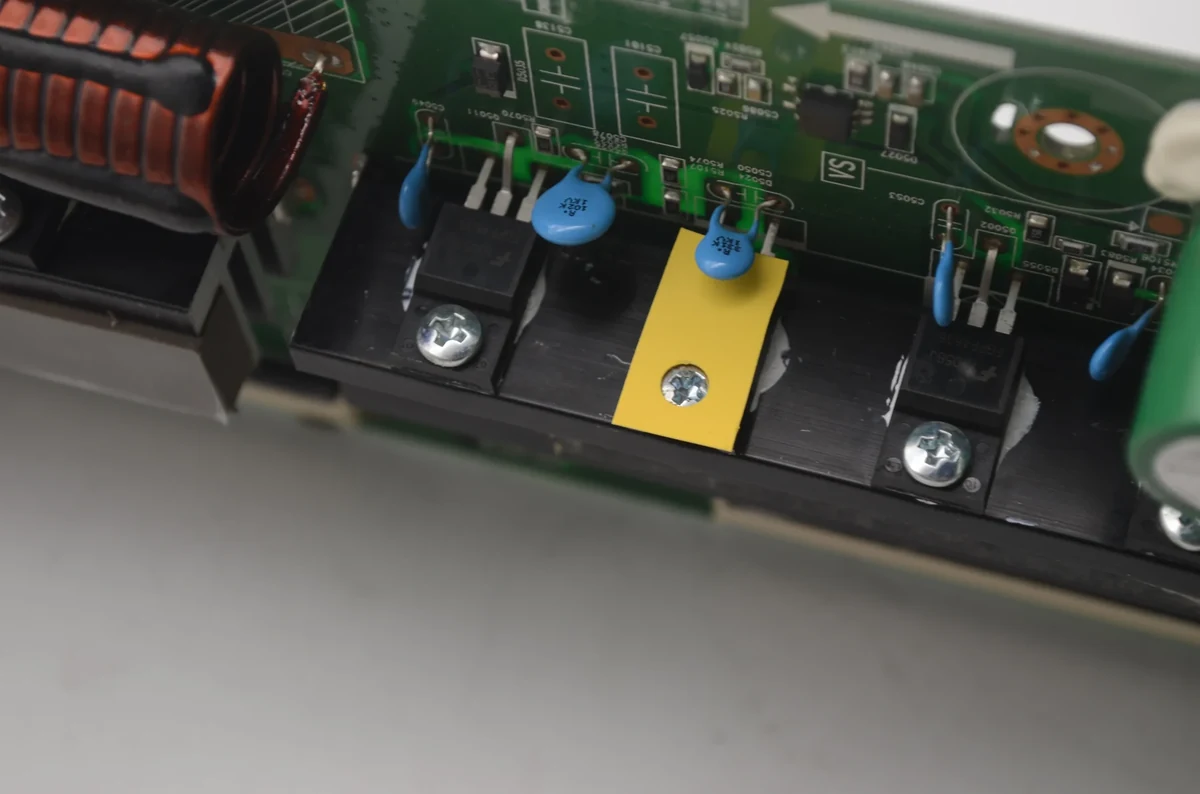 | TIS800-11-03 | 1.1 W/m·K | 2.4 | |
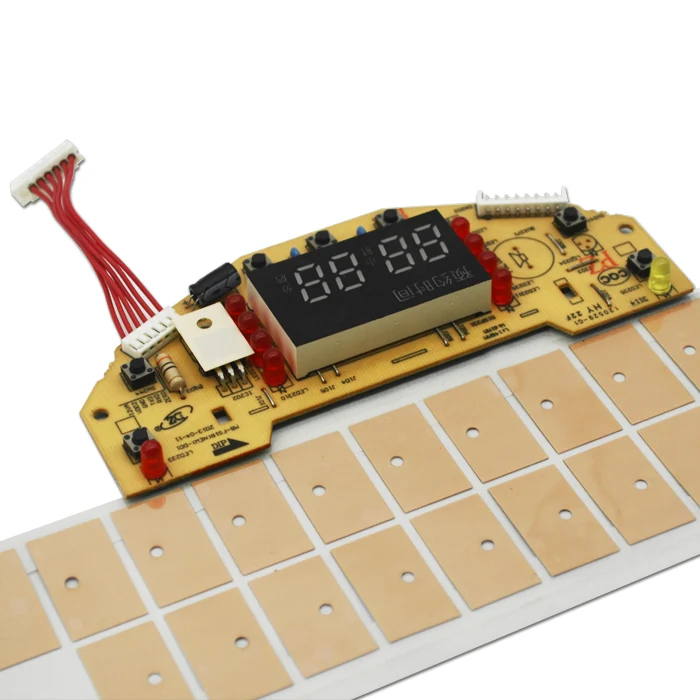 | TIS800K | 1.3 W/m·K | 2.0 | |
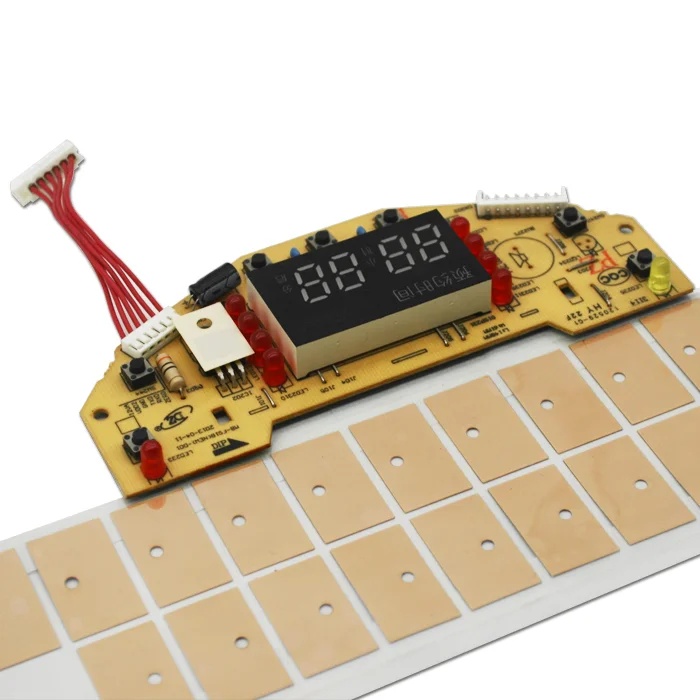 | TIS800K-13-08 | 1.3 W/m·K | 2.4 | |
 | TIS800 | 1.1 W/m·K | 2.4 | |
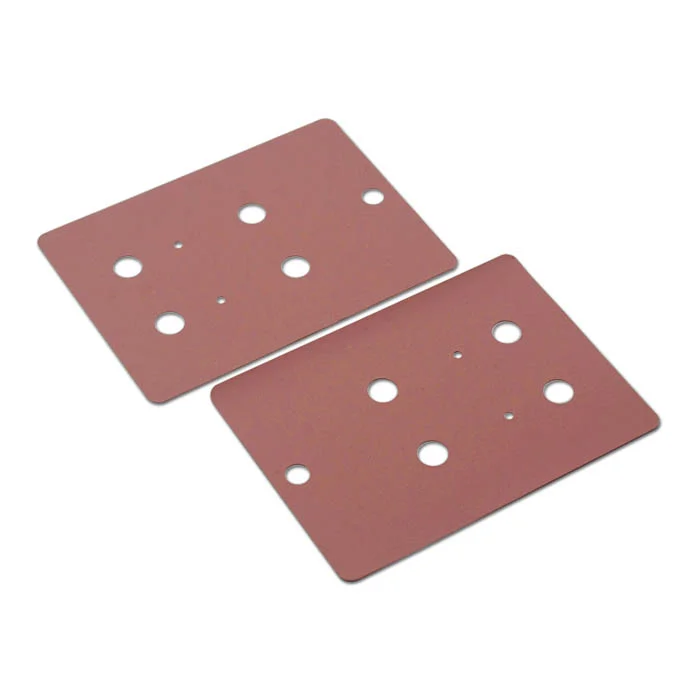 | TIS800-16-02 | 1.6 W/m·K | 2.4 | |
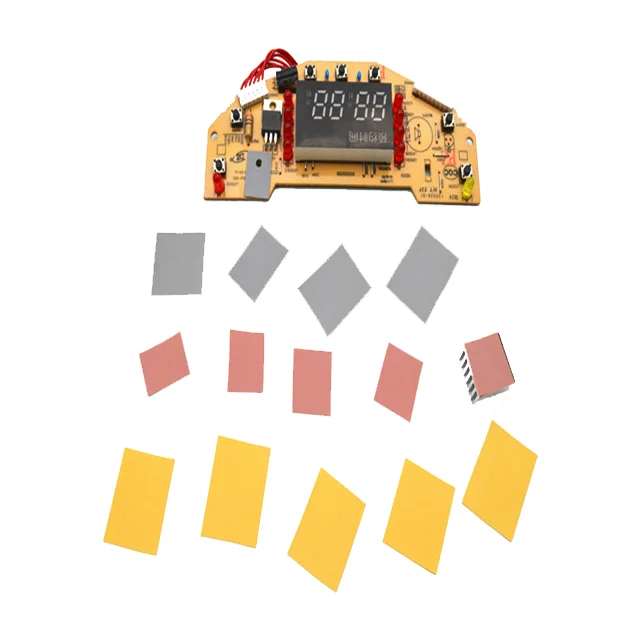 | TIS800-16-03 | 1.6 W/m·K | 2.4 | |
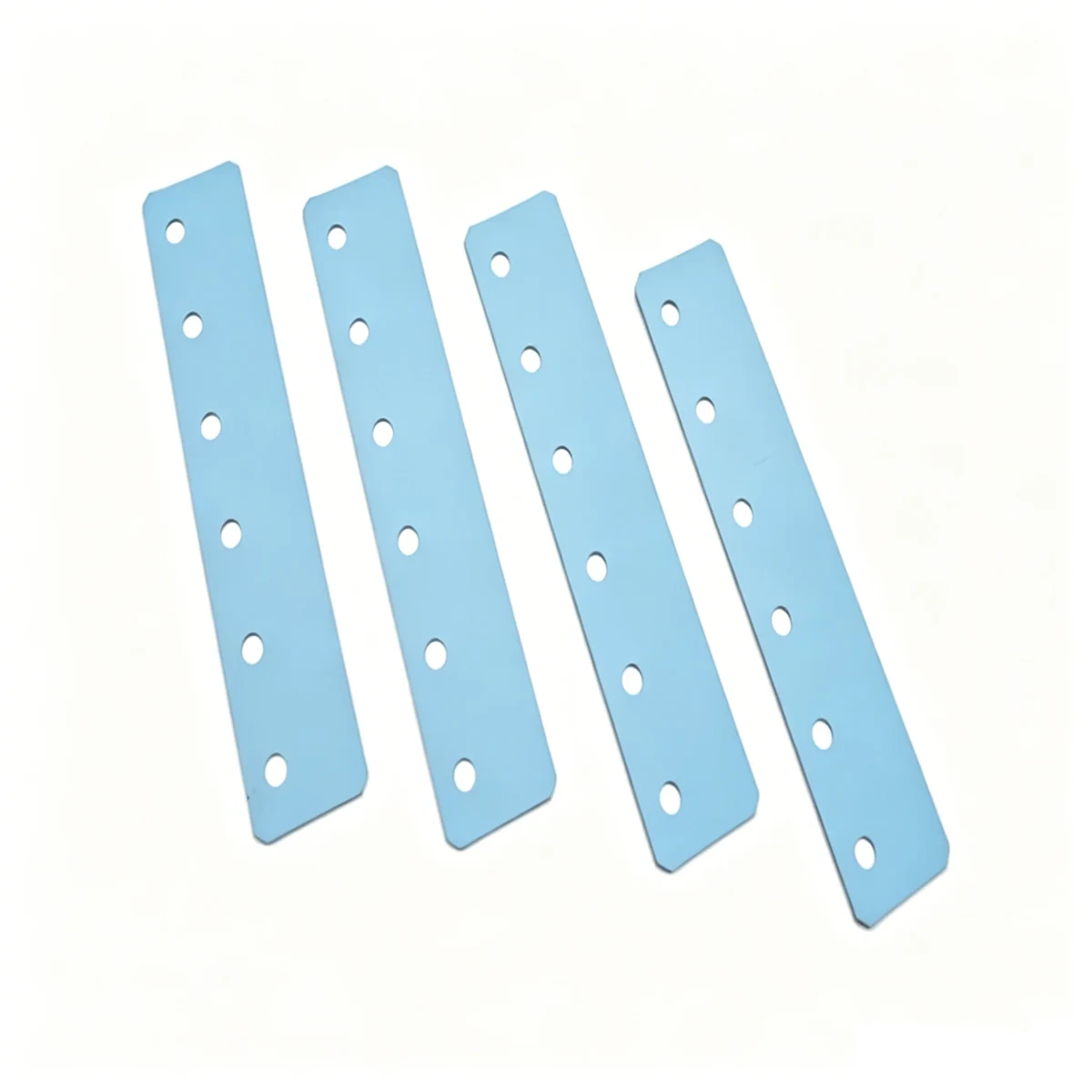 | TIS800-18-05 | 1.8 W/m·K | 2.4 | |
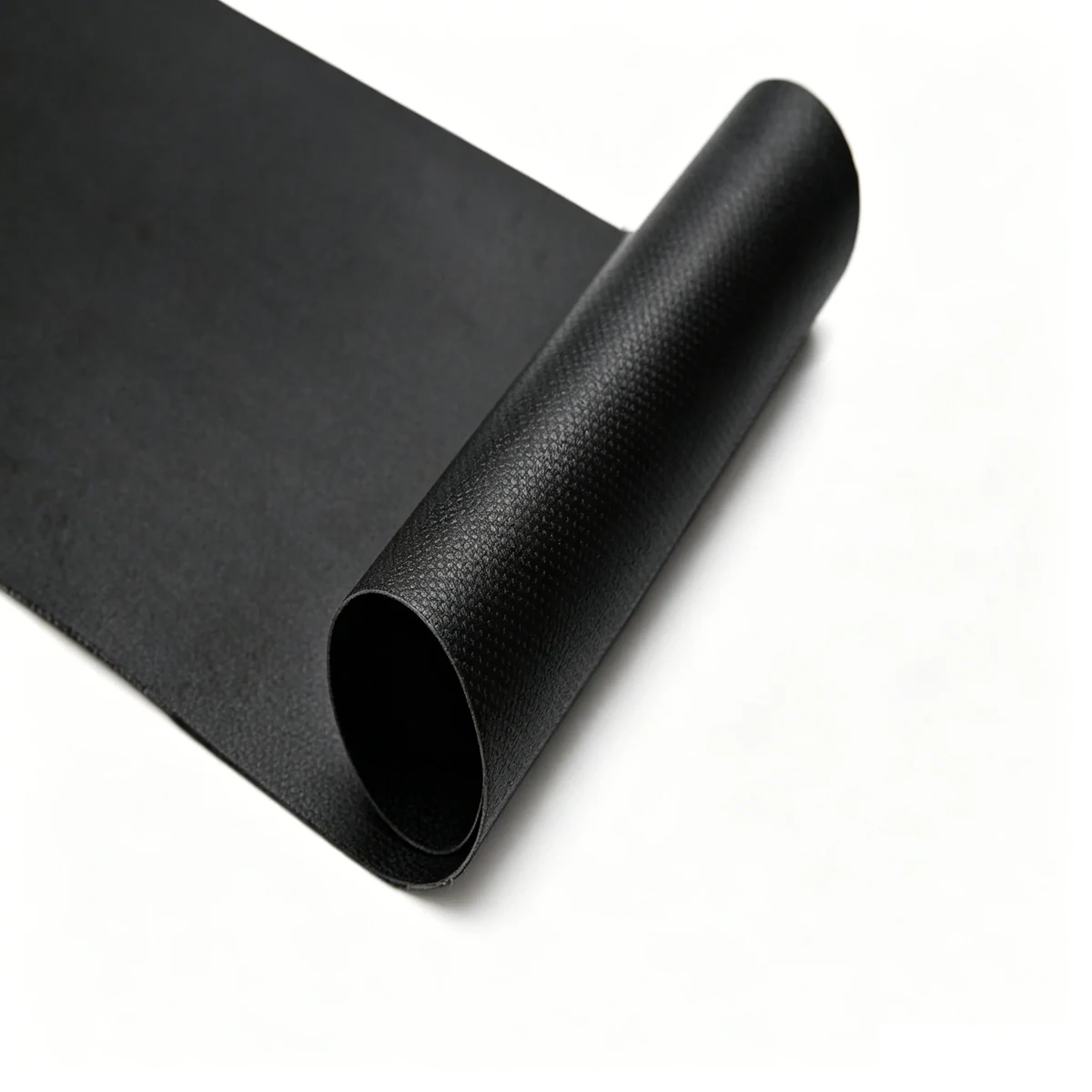 | TIS800-18-04 | 1.8 W/m·K | 2.4 | |
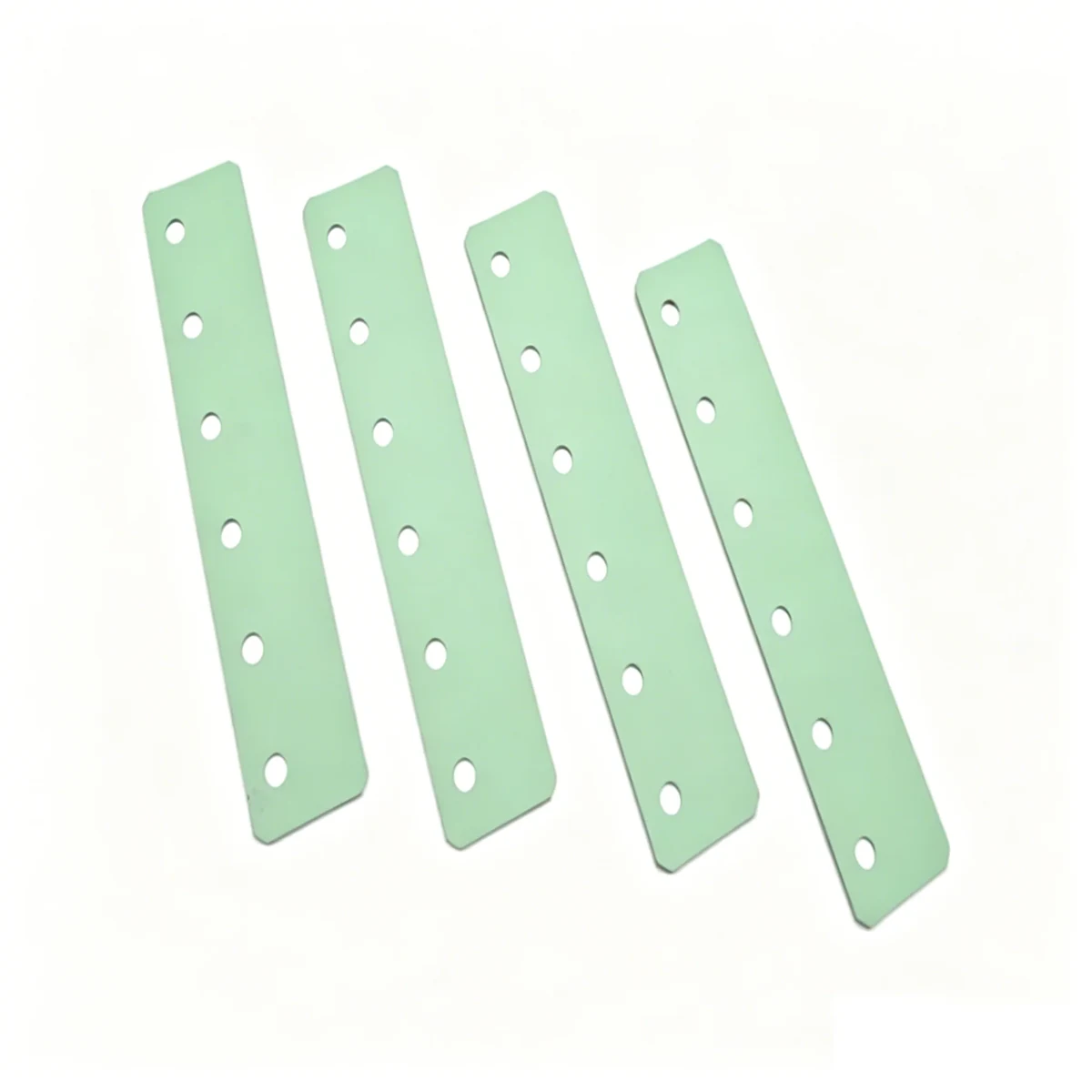 | TIS800-20-07 | 2 W/m·K | 2.4 |
Where conductive insulators fit
When a powered package must stay galvanically isolated from the heat sink or chassis, insulator films and pads add controlled breakdown voltage without giving up TIM performance.
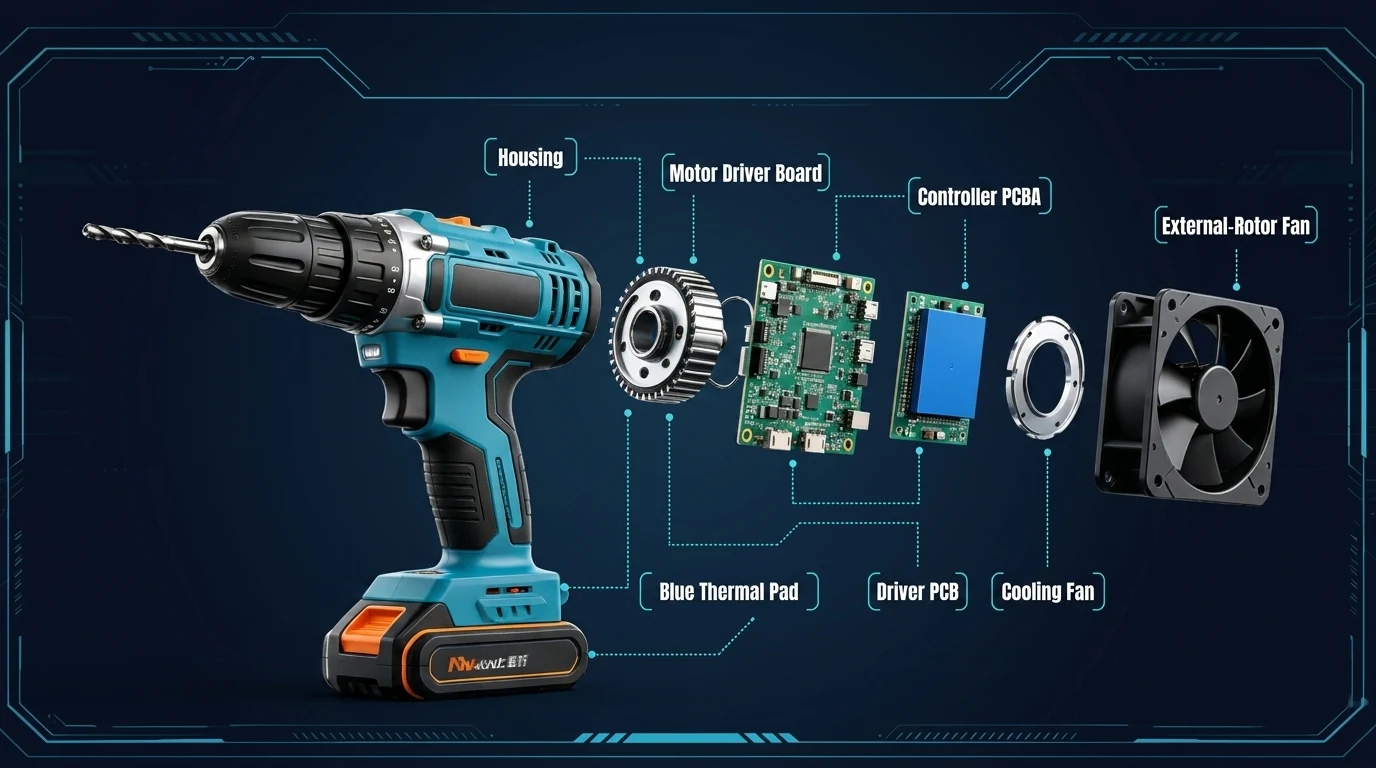
Drives · IGBT · controllers · sensors
Power Tools & Control Systems
Industrial controls, motor drives, power-stage IGBTs, and rugged modules — thermal interfaces, sealing, and encapsulation built for serviceable assemblies and harsh environments.
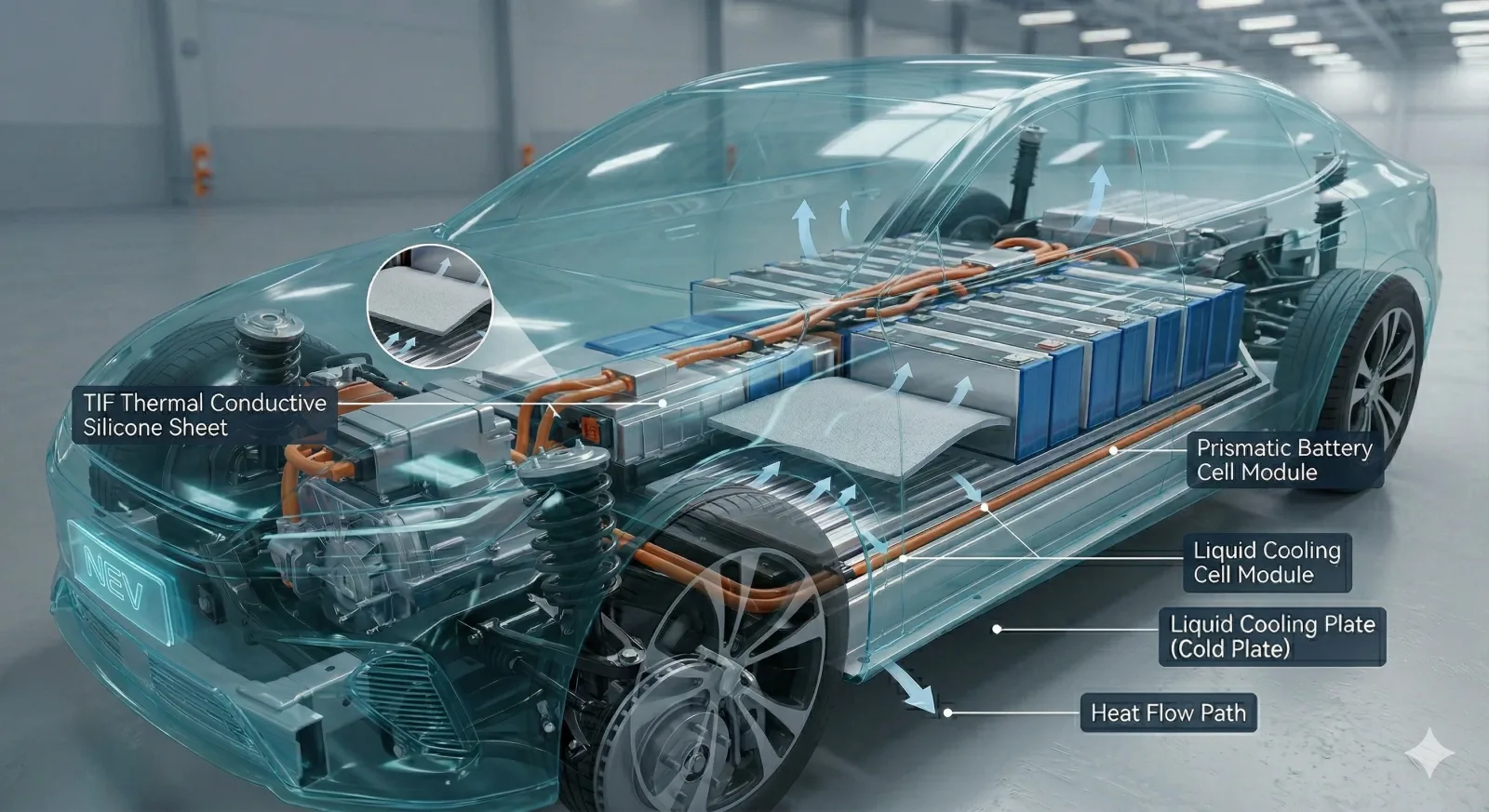
EV packs · OBC · inverters · BMS
New energy
EV battery modules, traction inverters, on-board chargers, and renewable power conversion — thermal management for high-current cycling loads with HV isolation requirements.
Typical specification window (conductive insulator)
| Parameter | Typical range / note | Method |
|---|---|---|
| Thermal impedance | Thickness- and pressure-dependent | ASTM D5470 |
| Dielectric strength | Grade-specific kV/mm | ASTM D149 |
| Rated working voltage | Design rule — see TDS | IEC / OEM |
| Thermal conductivity | Through-plane — grade band | ASTM D5470 |
| Typical thickness | 0.15 – 0.45 mm common | Caliper |
| Hardness / compliance | Pad vs film construction | ASTM D2240 |
| Volume resistivity | ≥ 1×10¹³ Ω·cm typical | ASTM D257 |
| Continuous-use temp. | Up to ~150 °C class | UL746B |
| Form factors | Sheet, die-cut, punched | — |
* Representative grades. Request a lot-specific datasheet or CoA for your exact part number.
Thermally conductive insulators — common questions
Need help shortlisting or cross-referencing? Talk to a Ziitek thermal engineer — 2-hour response SLA.
Talk to an engineerWhat is a thermally conductive insulator?
A thermally conductive insulator is a thin film that simultaneously transfers heat and blocks electrical current. It sits between a powered semiconductor (TO-220 transistor, IGBT module, MOSFET die) and a grounded heatsink, letting waste heat flow into the heatsink while preventing the package's internal voltage from shorting to chassis. The two specs that matter together are thermal conductivity (W/m·K) and dielectric breakdown strength (kV/mm) — neither value is meaningful in isolation for this product class.
When do I use TIS instead of a regular thermal pad?
Use a TIS dielectric film whenever the heat source has live voltage on its mounting tab or substrate. Discrete TO-220/247 packages, IGBT modules in inverters, RF power amplifiers on grounded chassis — all need isolation in addition to thermal transfer. A regular silicone TIF gap pad is electrically conductive at high voltages and would short the package to the heatsink. Conversely, if the heat source is already isolated (e.g. a CPU with internal die-to-package isolation), a TIF pad gives more conductivity per dollar.
How much breakdown voltage do I need?
The rule of thumb is 2× the working voltage with a 25 % safety margin, then verify against IEC 60664-1 / 61800-5 creepage and clearance tables for your insulation class. A 600 V IGBT module typically wants ≥ 4 kV breakdown across the insulator thickness; a 1200 V SiC module wants ≥ 6 kV. The TIS800 family covers up to 6 kV at 0.30 mm thickness. Don't rely on a single test pulse — partial discharge and long-term aging matter for production qualification.
What's the difference between TIS100 and TIS800?
TIS100 is a general-purpose silicone-rubber-on-fiberglass insulator for commercial discrete-device cooling — TO-220, TO-247, TO-263 — at 100–600 V working voltage. TIS800 targets industrial high-voltage modules: IGBTs, SiC, EV traction inverters at 600–1200 V working with 4–6 kV breakdown. TIS300 is a specialty conductive grade (graphite/Ni-plated) for combined EMI shielding and thermal transfer, and is NOT a dielectric isolator despite living in this category.
Can TIS films be die-cut to my package outline?
Yes. Most TIS sheets are kiss-cut on liner with optional pressure-sensitive adhesive (PSA) backing for SMT-style placement on the heatsink before module attach. Tolerance is typically ±0.1 mm on outline and ±0.05 mm on hole positions for production tooling. Send a DXF or STEP; tooling lead times are quoted per project. PSA-coated parts have a defined shelf life — confirm with the datasheet.
How do TIS insulators compare to mica washers?
Classical mica washers offer good dielectric strength and price but require a separate layer of thermal grease and have brittle handling — they crack on overtorque. Modern TIS silicone-rubber-on-fiberglass insulators integrate the dielectric layer with built-in surface conformability, eliminating grease, simplifying assembly, and giving more repeatable thermal resistance after thermal cycling. Most new designs replace mica with TIS-class films.
Adjacent thermal management lines
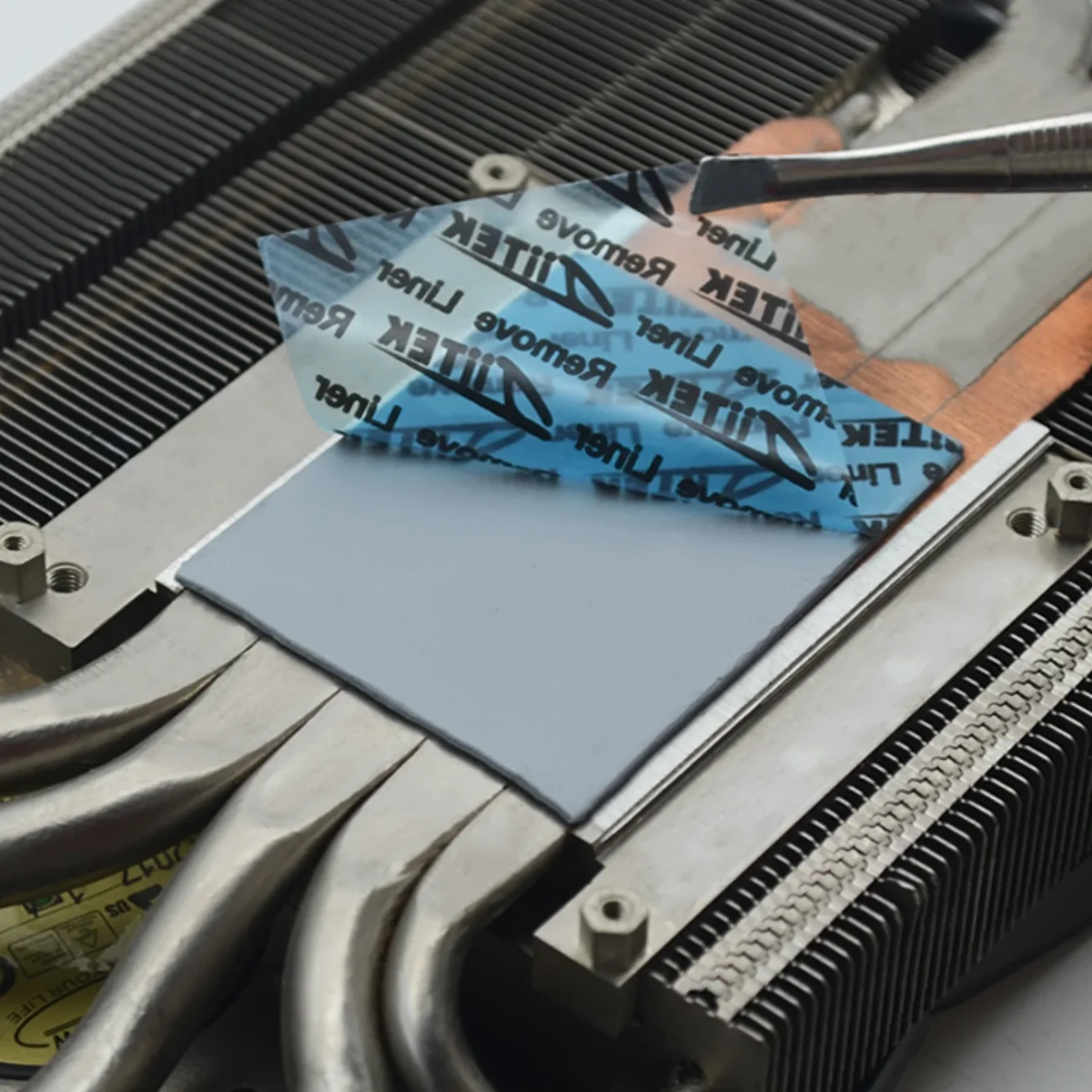
TIF
Silicone Thermal Pad
When the heat source is already isolated — TIF gap pads give more λ per dollar than dielectric films.
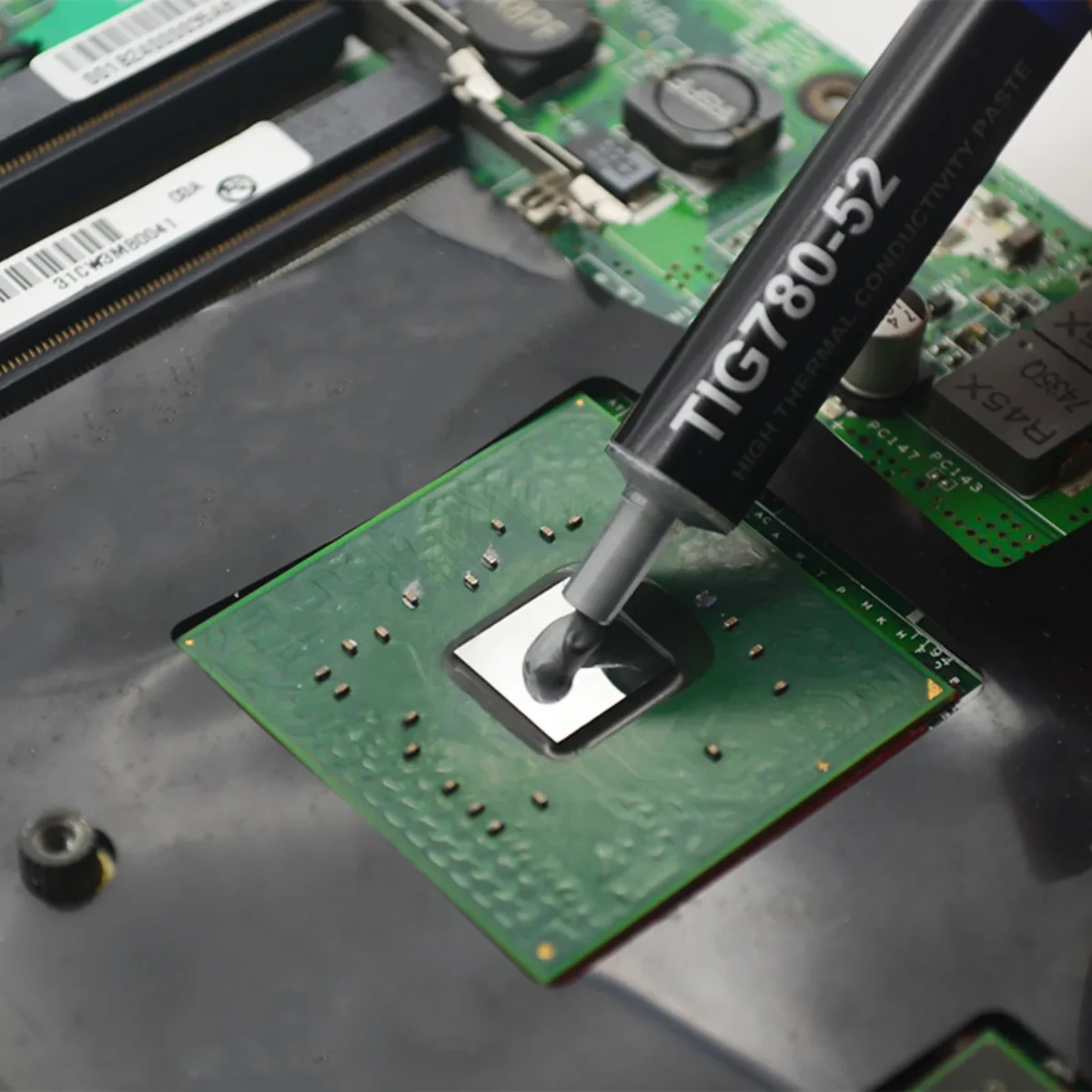
TIG
Thermal Grease
Sometimes used together: TIS film for isolation plus TIG grease to fill remaining bondline gaps.
TIR
Thermal Graphite Sheet
Pair a TIR in-plane spreader on top of a TIS insulator for combined isolation + heat spreading.
Sample
Talk to engineering
Need help selecting breakdown voltage, partial discharge rating, or PSA backing? 2-hour response.

Your next thermal solution
starts here.
From rapid prototyping to full-scale production — our engineers are ready to design a custom thermal solution for your application. Trusted by 5,000+ clients across EV, 5G, and consumer electronics.