EV Battery Pack Thermal Management Solution in Low Temperature Environment
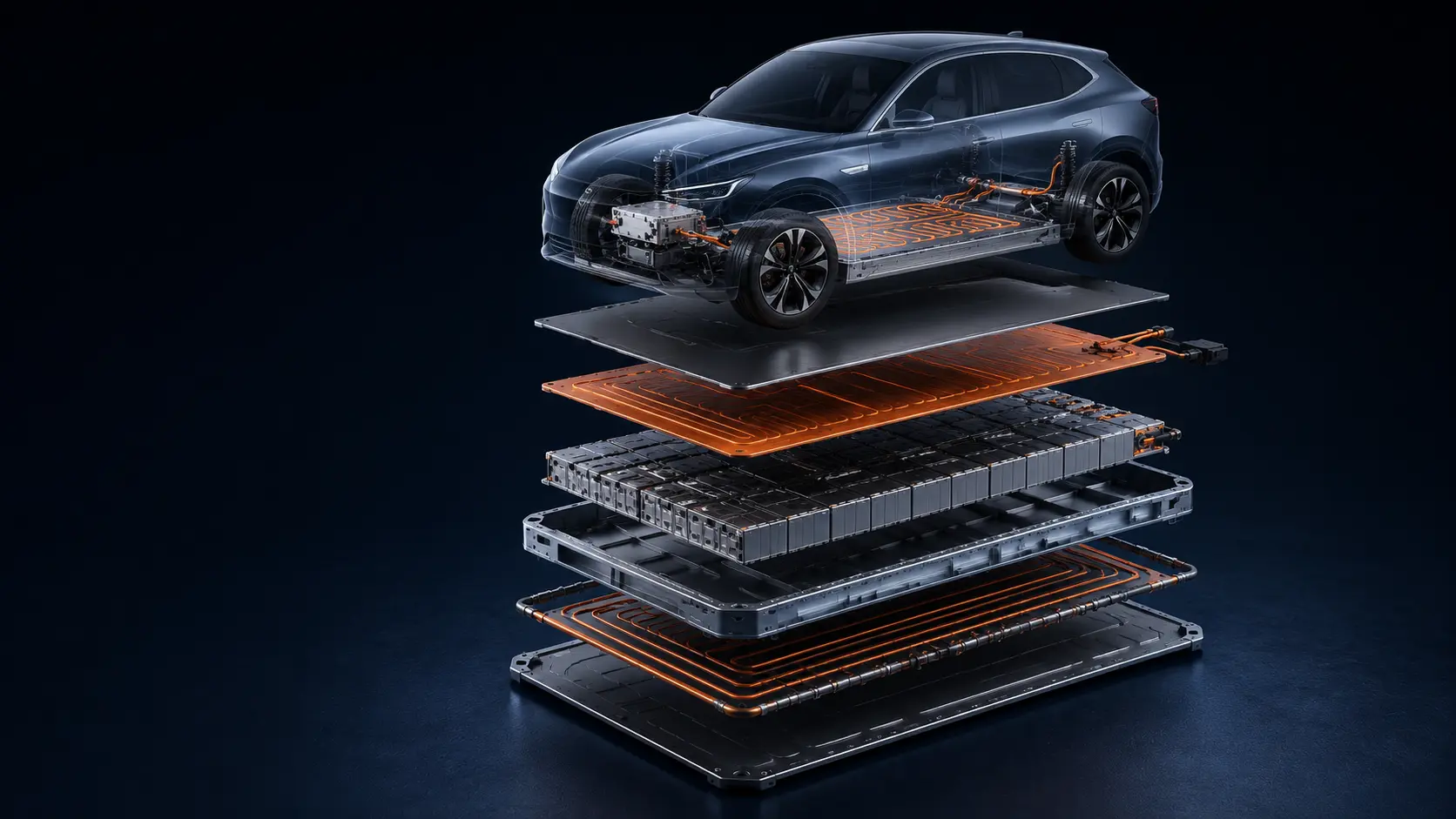
During the development of EV battery pack, a new energy vehicle manufacturer is faced with the problem that the output power of the battery decreases at -18℃, which seriously affects the start-up and endurance performance of the whole vehicle and the heat dissipation of the battery core. By using TIF100 series heat conducting materials developed by Ziitek Company, KHEASP silica gel heater and PI thin film heater, the low-temperature start-up performance of the battery was successfully improved, and the requirements of -40℃ ~ 85℃ full operating conditions were met.
Customer Background
The customer is a new energy vehicle manufacturer built around the core philosophy of full-stack in-house R&D. Its business spans the entire vehicle technology chain, including chips, electric drive systems, batteries, chassis, intelligent driving, and cockpit systems, giving it a highly vertically integrated capability.
As of 2025, the company has cumulatively delivered more than 320,000 vehicles and has completed the rollout of its 1 millionth new vehicle. The leap from 500,000 to 1 million units was achieved in just 343 days, making it one of the fastest-growing emerging NEV brands.
Its product portfolio covers sedans, SUVs, and MPVs across multiple segments. Through joint ventures and localized production models, it has expanded into Europe, South America, the Asia-Pacific region, the Middle East, and Africa. In 2026, it plans to further enter the Mexican market, with its global supply chain system continuing to mature and improve.
Project Challenges
During the battery pack development process, the customer faced the following key challenges:
• Severe low-temperature performance degradation: At -18°C, the battery output power drops to approximately 40%, significantly affecting vehicle startup performance and driving range
• Non-uniform heat distribution: Traditional heating structures create large local temperature differences, impacting cell consistency and lifespan
• Limited structural space: The compact internal layout of the battery pack imposes higher requirements on heater thickness and flexibility
• High assembly and reliability requirements: The solution must simultaneously provide vibration resistance, electrical insulation, and long-term outdoor stability
Solution
To address the above challenges, Ziitek provides a layered battery pack thermal management solution:
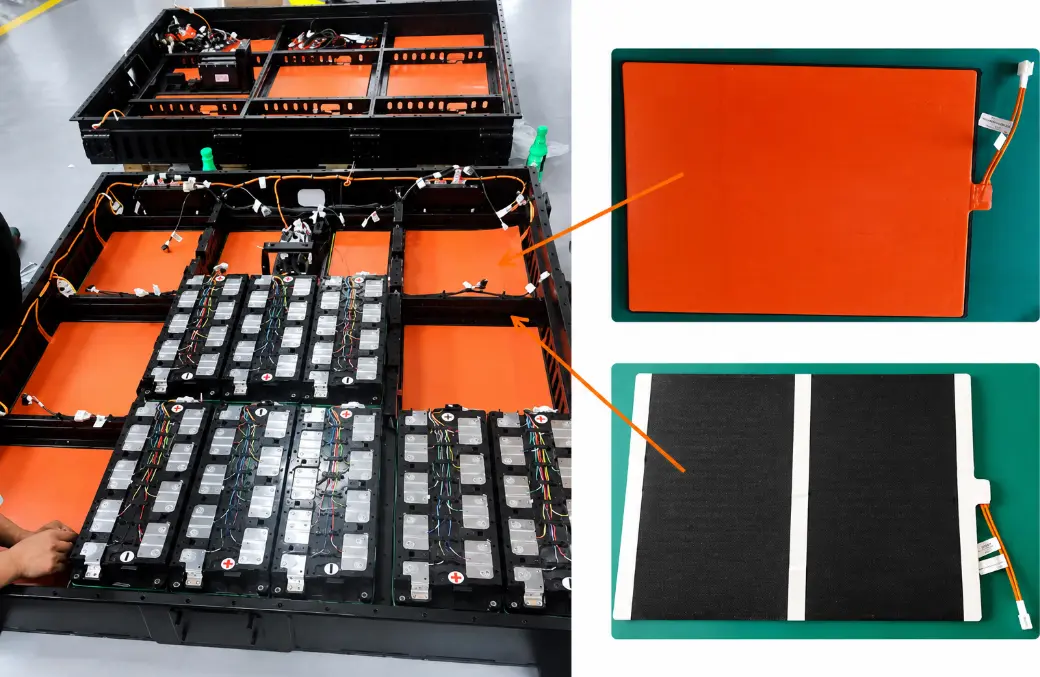
✔ Low-Temperature Heating Solution (Silicone Heater Pad)
Using the Kheat SP series silicone heating pads:
• Single-sided CR foam insulation design to improve thermal efficiency
• Customizable shape and thickness (≥1.5 mm)
• Provides cushioning and vibration damping functions
• Can integrate temperature control, NTC sensors, and thermal protection systems
👉 Advantages: Suitable for complex battery pack structures, enabling stable heating and structural conformity
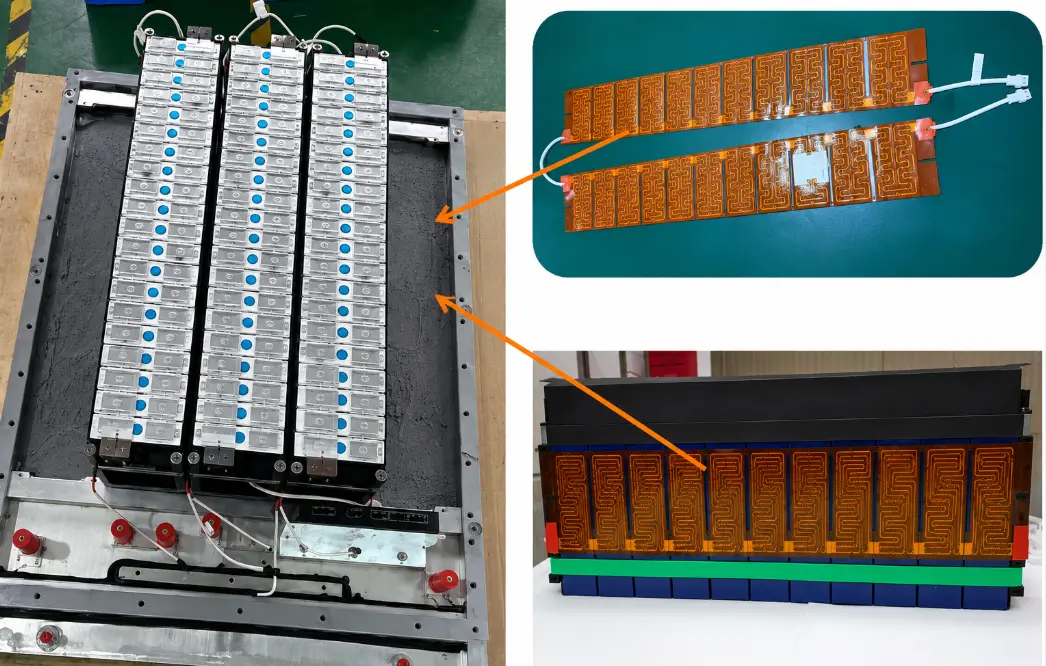
✔ High-Performance Flexible Heating Solution (PI Heater)
Using PI film heaters:
• Operating temperature range: -60°C ~ 250°C
• Power density: 1–2 W/cm²
• Enables zoned and precise heating control
• Ultra-thin structure (0.2–0.5 mm) suitable for space-constrained designs
• Supports integration with NTC, thermocouples, and temperature control modules
👉 Advantages: Delivers highly uniform heating and fast thermal response
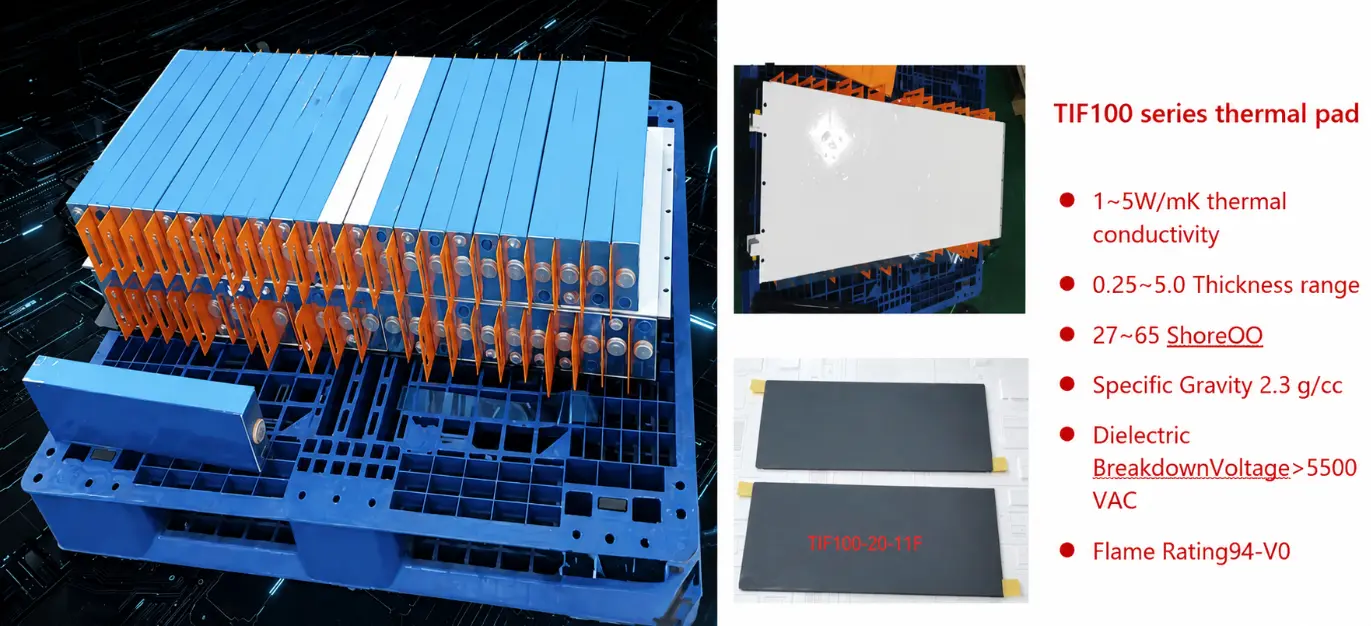
✔ Thermal Interface Solution (TIF100 Series)
Combined with TIF100 series thermal interface materials:
• Thermal conductivity: 1–5 W/m·K
• Low-pressure, high-conformability performance
• Effectively fills air gaps between cells and structural components
• Improves overall heat transfer efficiency
Validation & Results
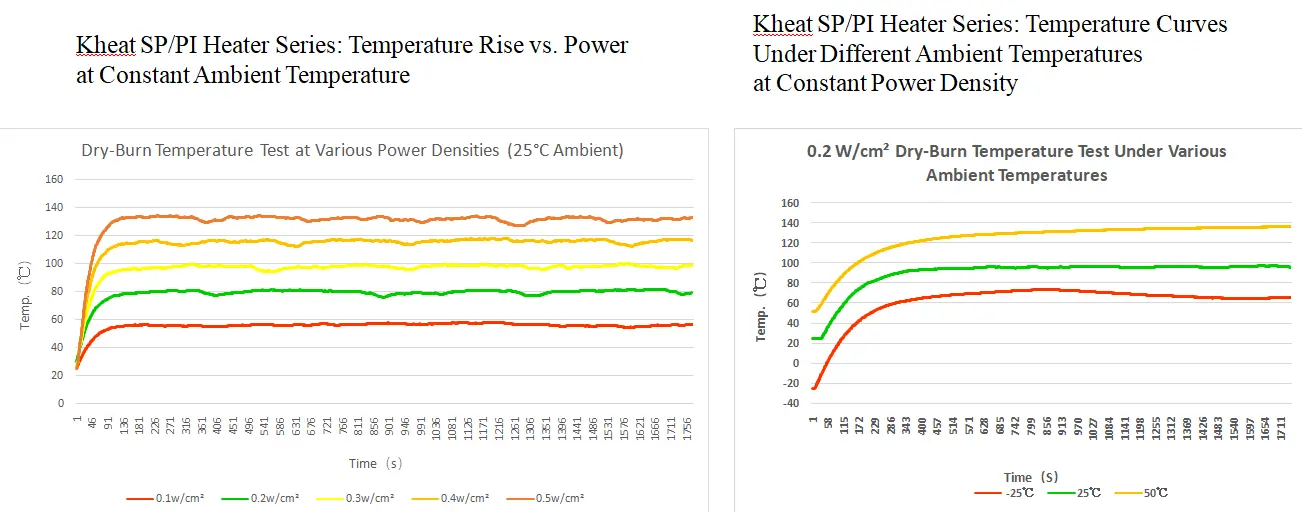
After system optimization, the overall thermal management performance was significantly improved:
• Significantly improved low-temperature cell startup performance
• Enhanced temperature uniformity across the battery pack
• Improved heating efficiency (reduced heat loss)
• Strengthened structural reliability (better vibration resistance and long-term stability)
• Meets full operating conditions from -40°C to 85°C
Test and report
Customer Collaboration Timeline
Typical Applications
• Passenger vehicle power battery packs
• Low-temperature preheating systems
• Battery thermal compensation modules
• High-voltage platform vehicle thermal management systems
常見問題
How to choose between silicone heater pads and PI heaters?
Silicone solutions are suitable for cost-sensitive and complex structural applications; PI heaters are ideal for ultra-thin space constraints and high-temperature requirements.
Can it be used together with thermal interface materials?
Yes. The TIF100 series can fill micro-gaps between heater and structural components to improve thermal efficiency.
Is it suitable for high-voltage platforms?
Yes. It supports a design range of 1.5V–380V and is compatible with 400V/800V platforms.
Is it suitable for extremely cold regions?
Yes. It operates stably at -40°C and meets requirements for Nordic and high-latitude markets.