Thermal gel and putty
Dispensable thermal interface compounds for high-volume automated assembly. 30 TIF gel grades — single-part putty (apply and use), two-part cure-in-place (mix A+B), and wave-absorbing variants for combined thermal + EMI duty. λ 1.5–9.0 W/m·K across the family.
30
TIF gel grades
1.5–9.0 W/m·K
Thermal conductivity (λ)
Single + two-part
Cure schedules
−40 – 200 °C
Operating range
Wave-absorbing variants
Combined thermal + EMI
Three families: dispense-and-go, cure-in-place, and wave-absorbing
Every Thermal putty and thermal gel grade, one table
All 30 thermal putty and thermal gel part numbers with thermal conductivity (W/m·K), colour notes, and PDF datasheets. Click a model name with a link for full specs, photos, and application guidance.
| Photo | Model | λ (W/m·K) | Specific Gravity | PDF & next step |
|---|---|---|---|---|
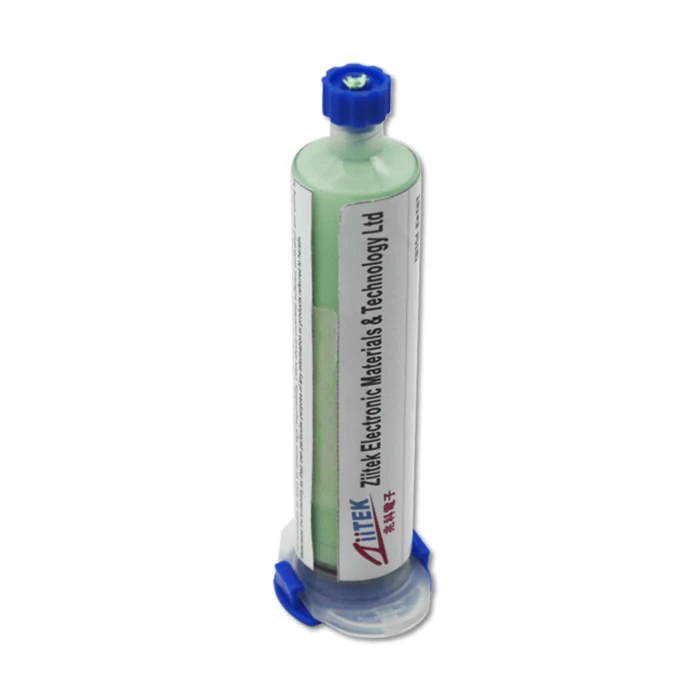 | TIF015-07 | 1.5 W/m·K | 2.5 | |
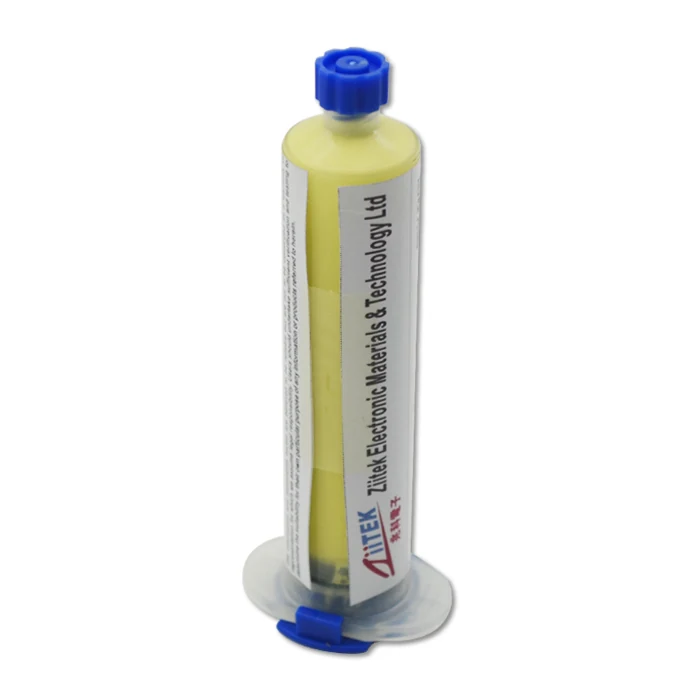 | TIF020-19 | 2 W/m·K | 2.6 | |
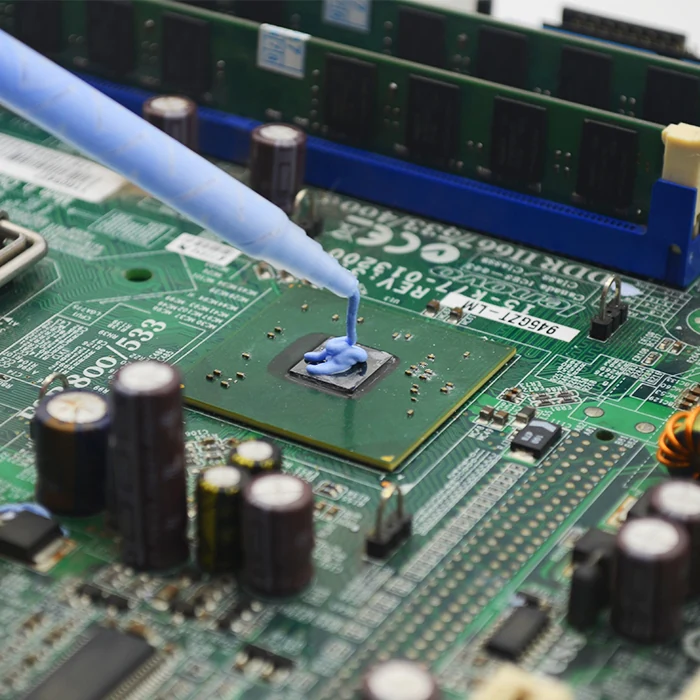 | TIF030-05 | 3 W/m·K | 3.25 | |
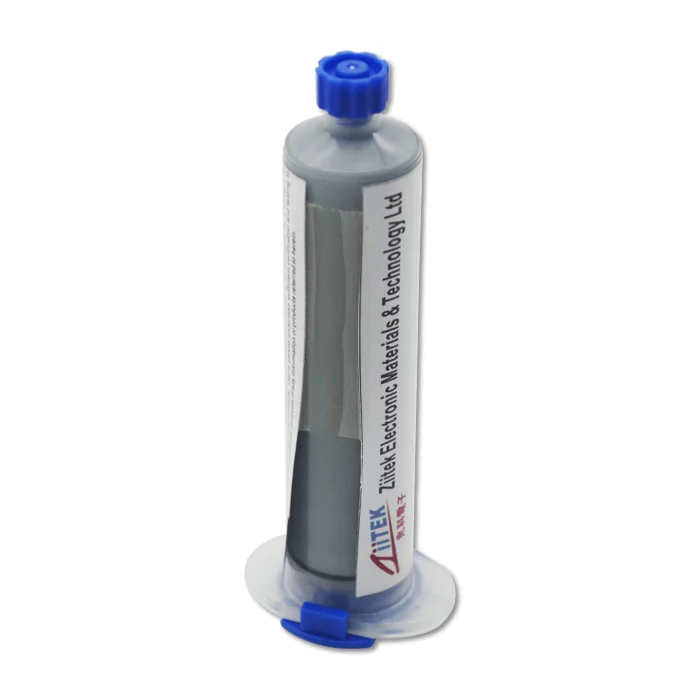 | TIF030-11-1 | 3 W/m·K | 3.1 | |
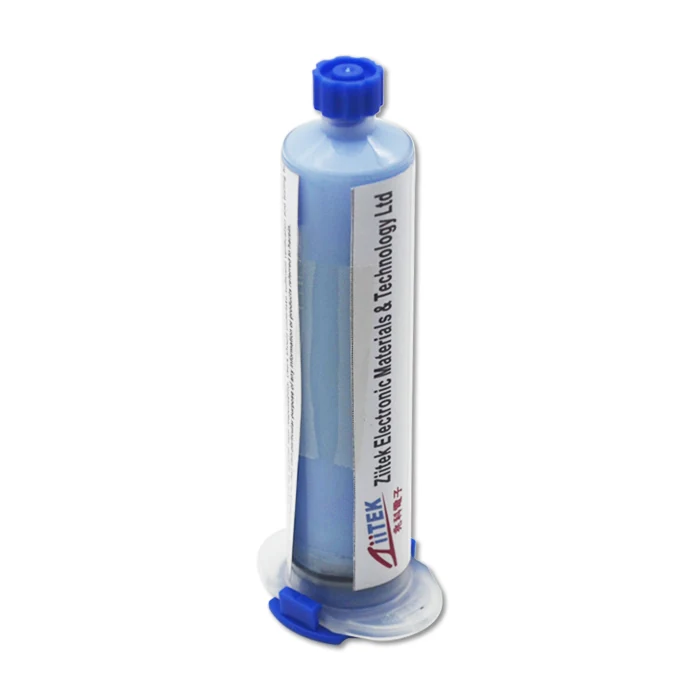 | TIF035-05 | 3.5 W/m·K | 3.25 | |
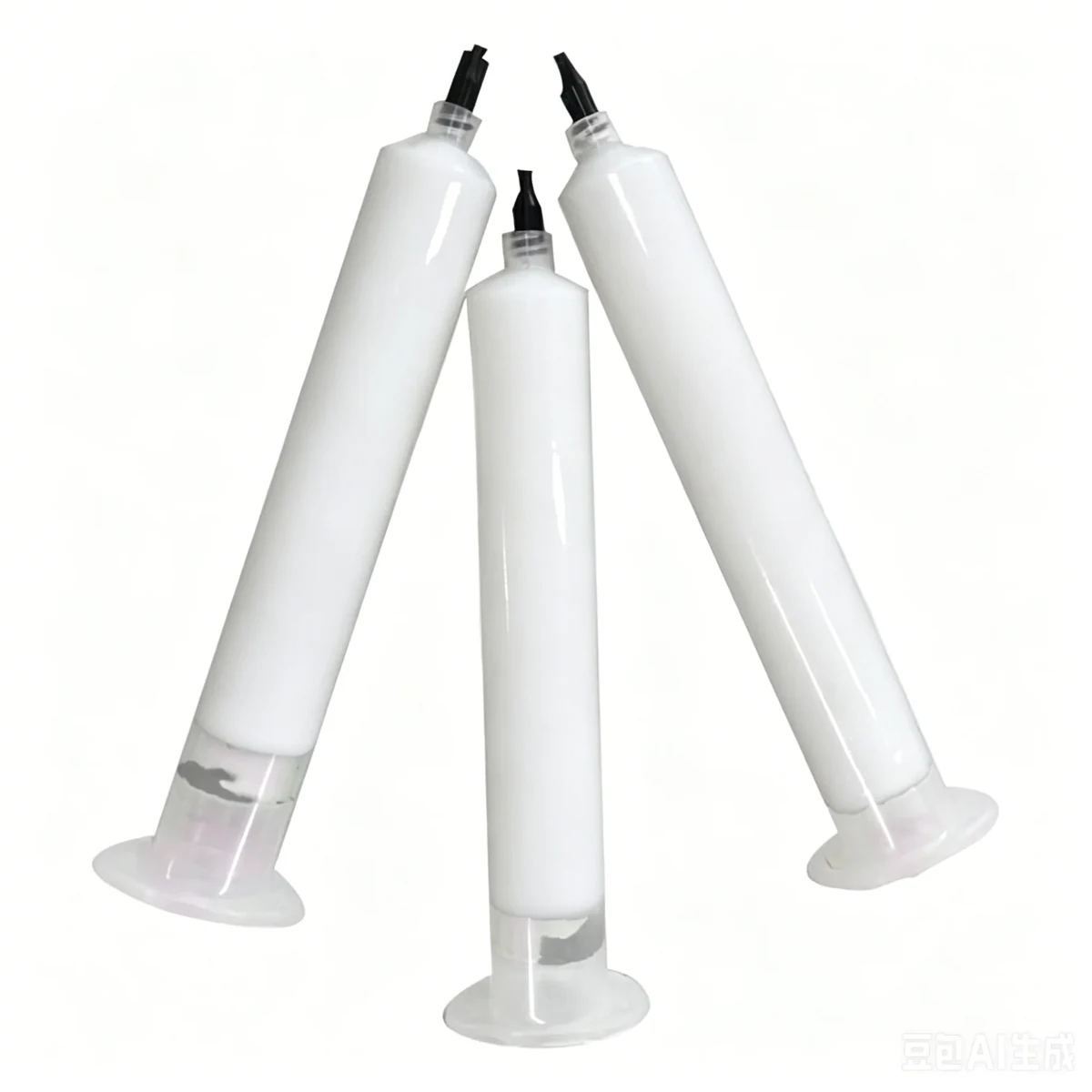 | TIF040-06 | 4 W/m·K | 3.2 | |
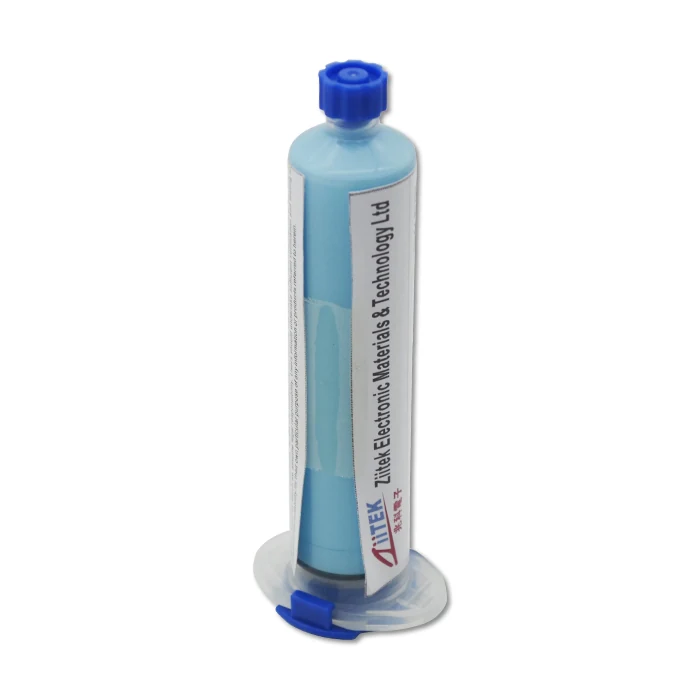 | TIF040-12 | 4 W/m·K | 3.20 | |
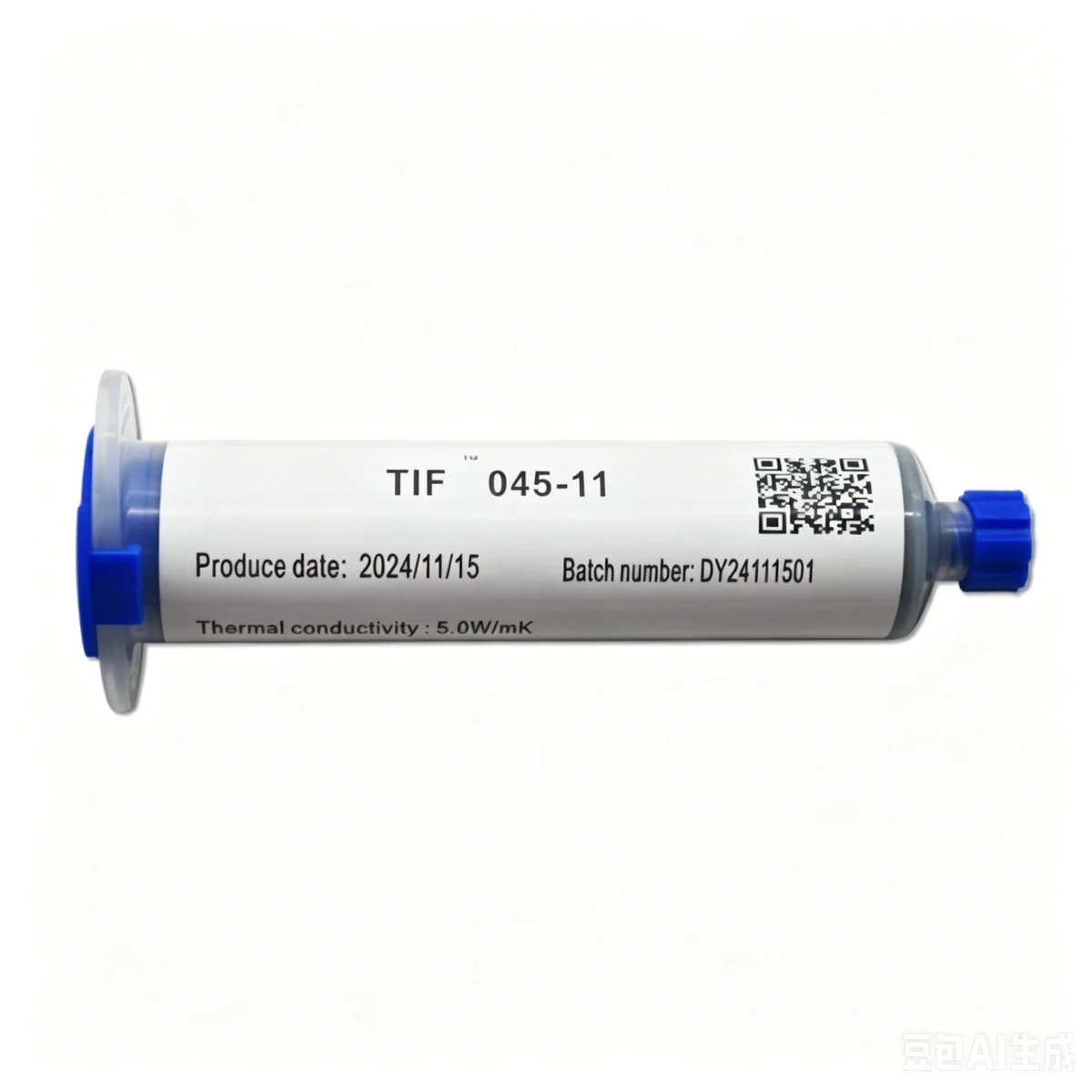 | TIF045-11 | 4.5 W/m·K | 3.20 | |
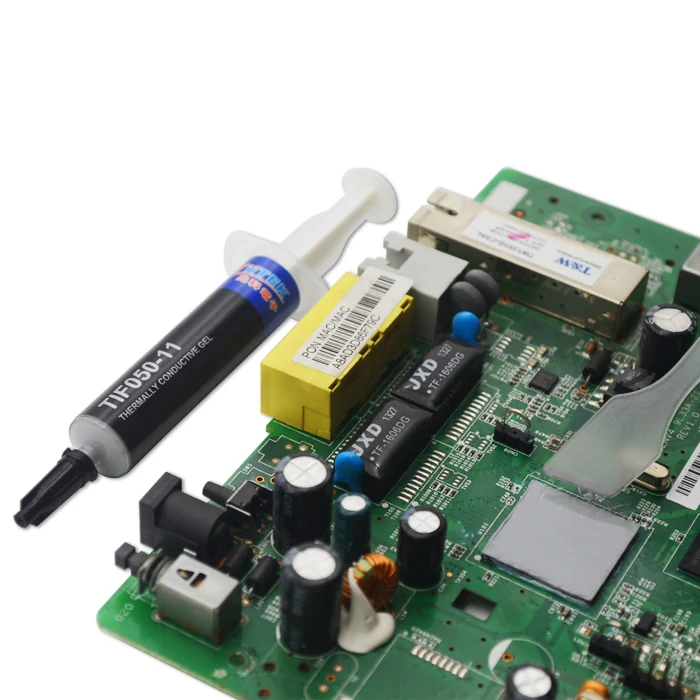 | TIF050-11 | 5 W/m·K | 3.20 | |
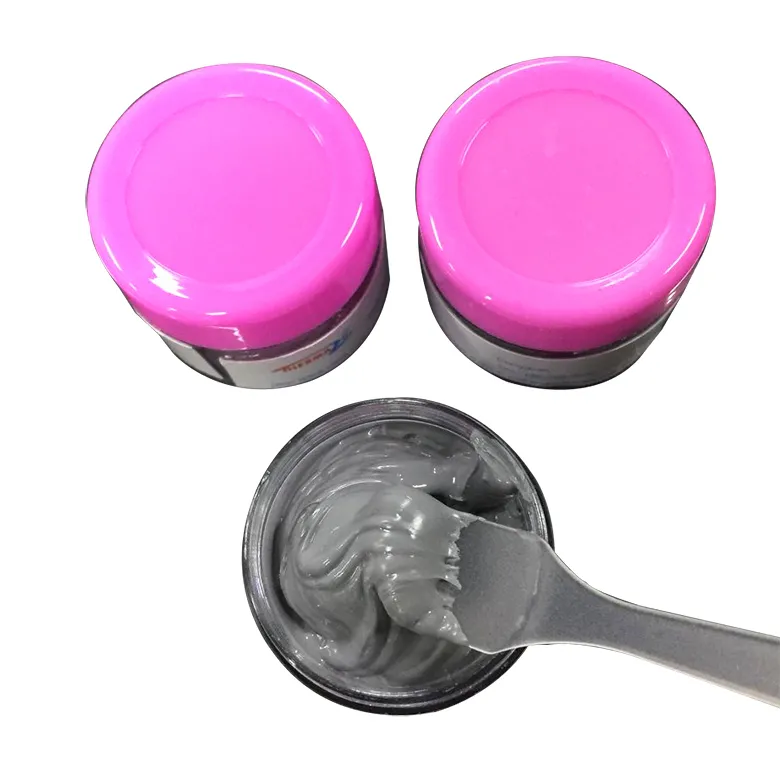 | TIF050-11P | 5 W/m·K | 3.25 | |
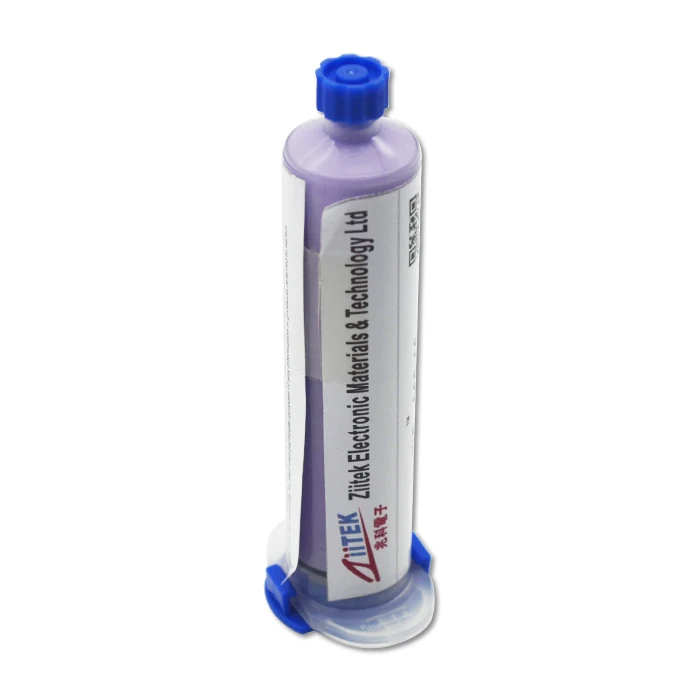 | TIF060-16 | 6 W/m·K | 3.40 | |
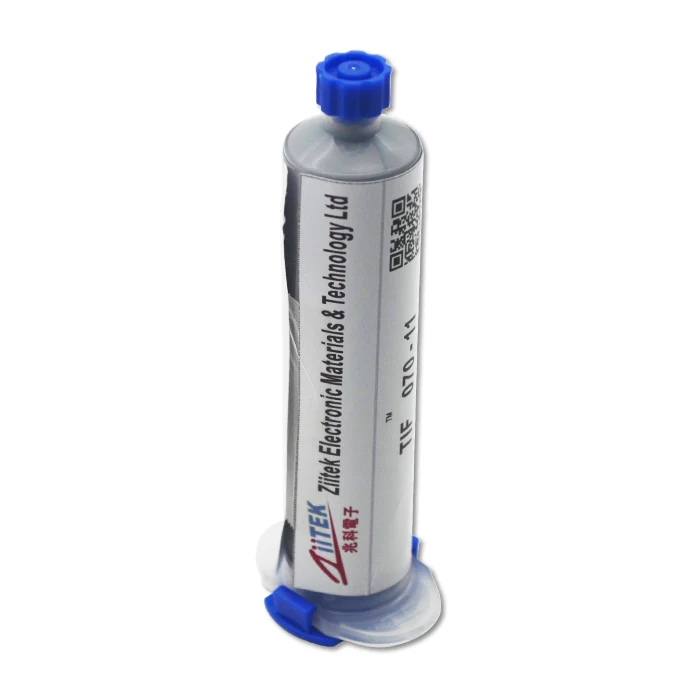 | TIF070-11 | 7 W/m·K | 3.50 | |
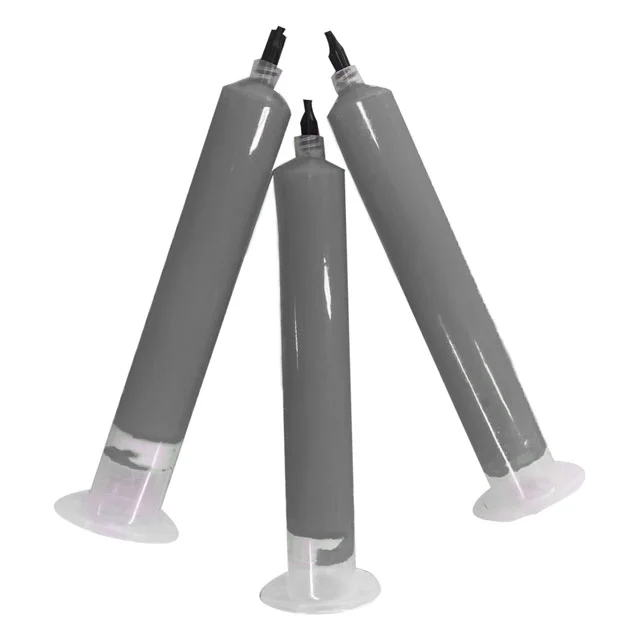 | TIF080-11 | 8 W/m·K | 3.4 | |
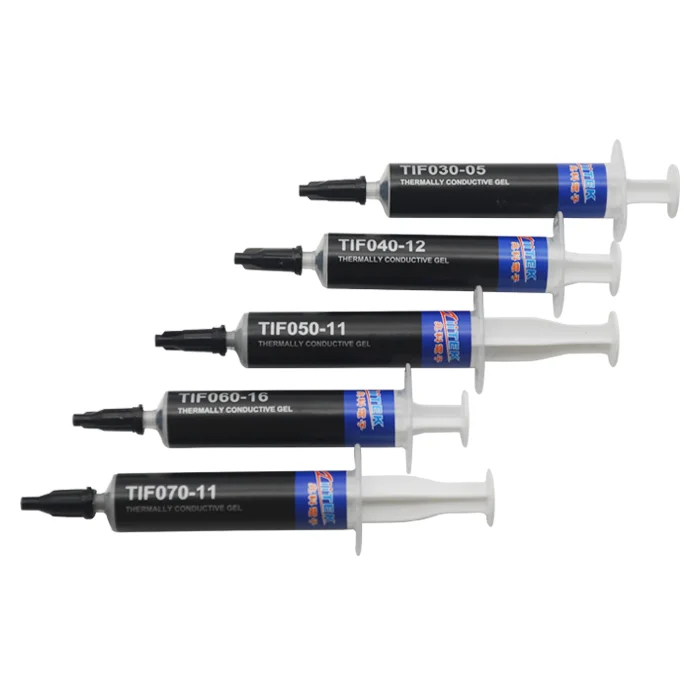 | TIF090-11 | 9 W/m·K | 3.45 | |
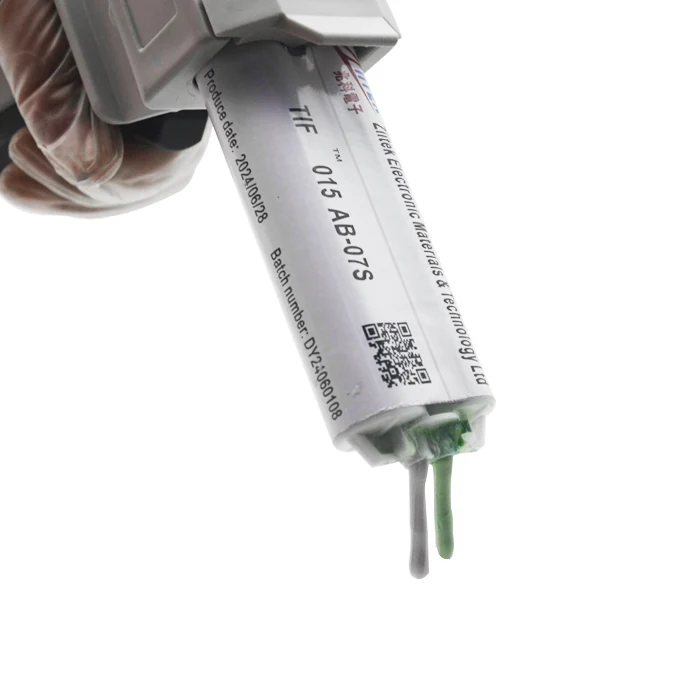 | TIF015AB-07S | 1.5 W/m·K | 2.5 | |
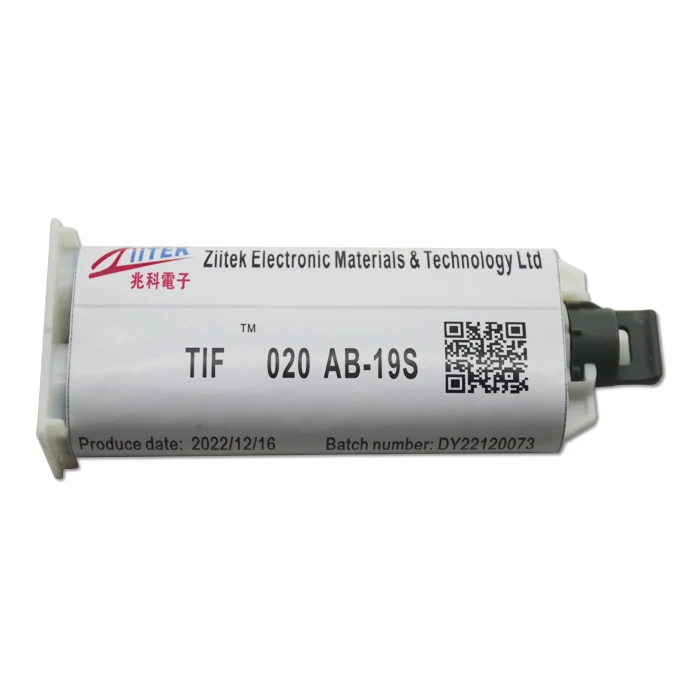 | TIF020AB-19S | 2 W/m·K | 3.2 | |
 | TIF020AB-23S-D | 2 W/m·K | 1.97 | |
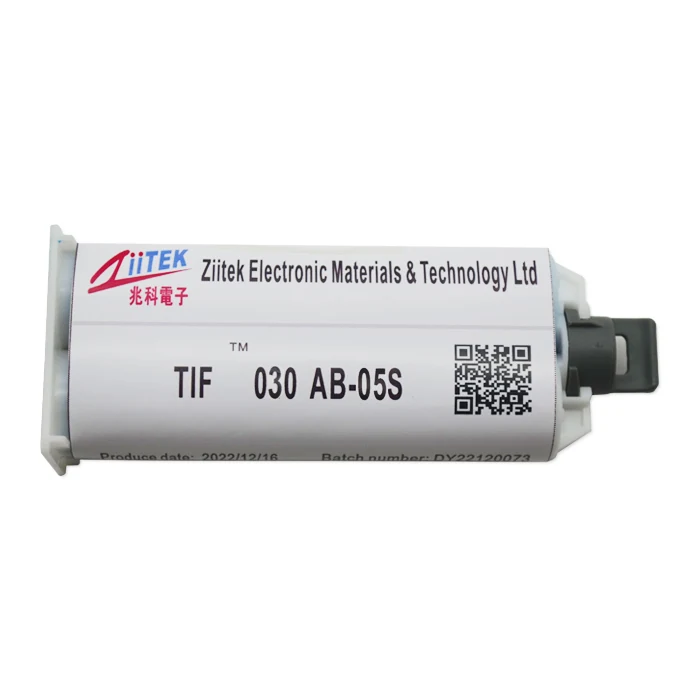 | TIF030AB-05S | 3 W/m·K | 3.1 | |
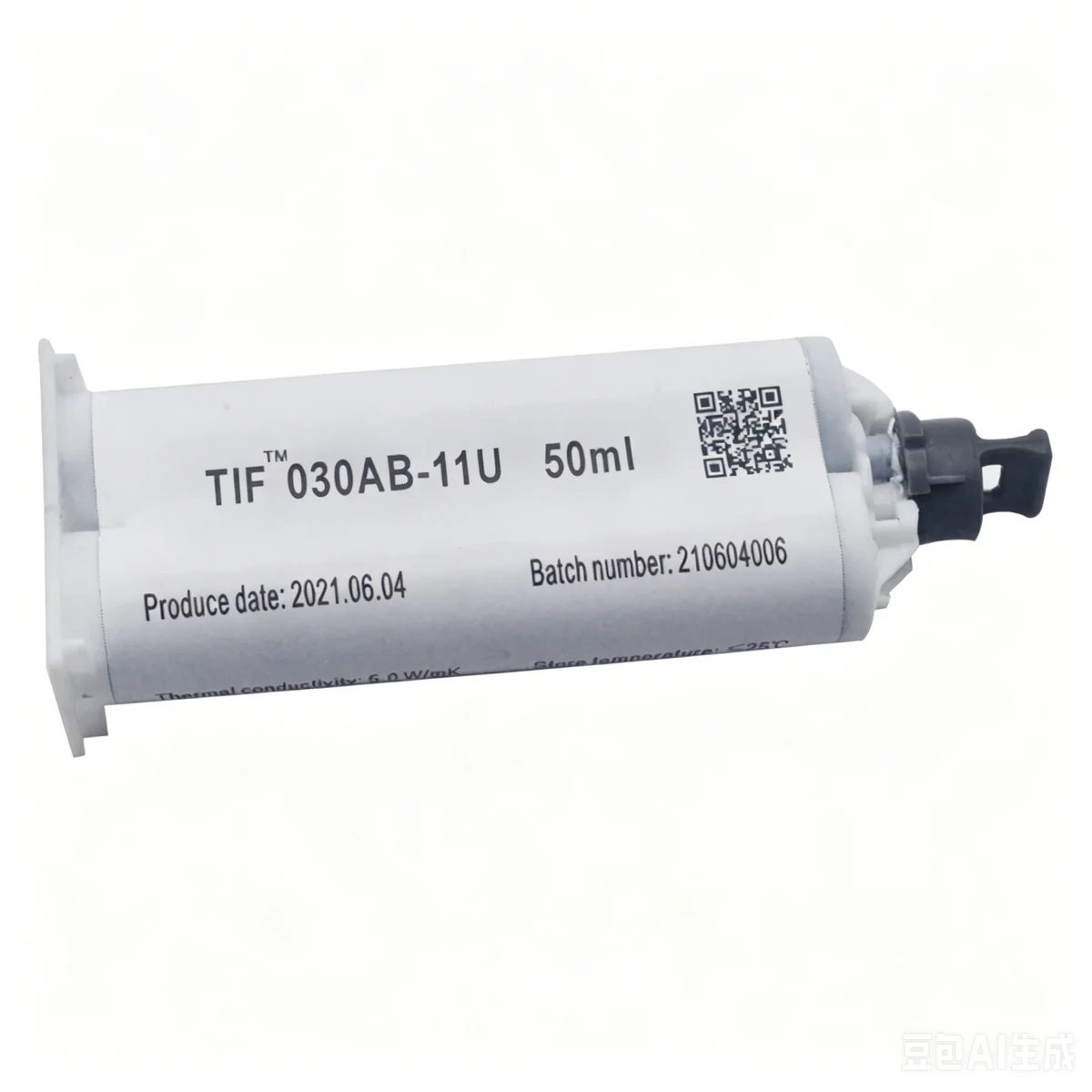 | TIF030AB-11U | 3 W/m·K | 3.1 | |
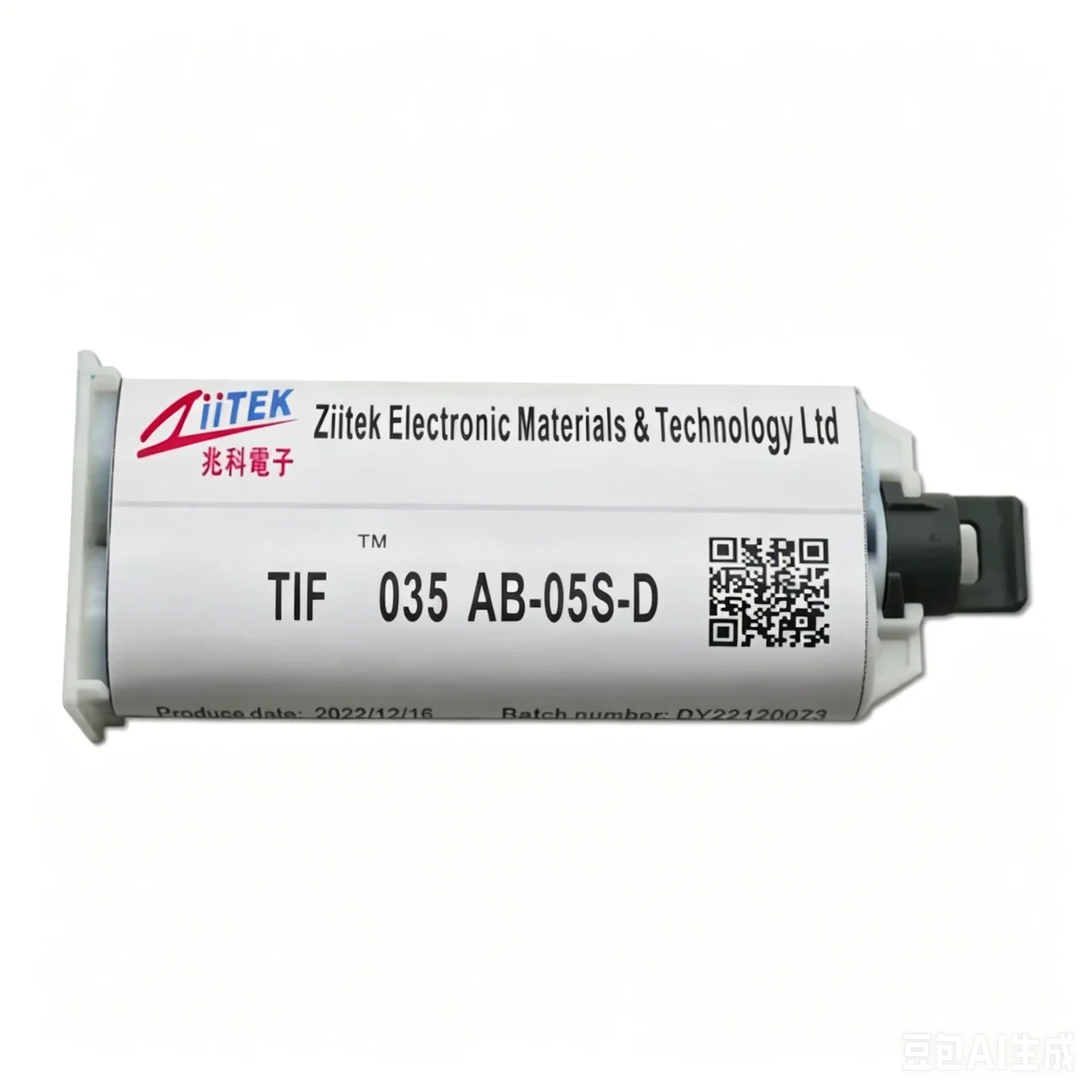 | TIF035AB-05S-D | 3.5 W/m·K | 3.1 | |
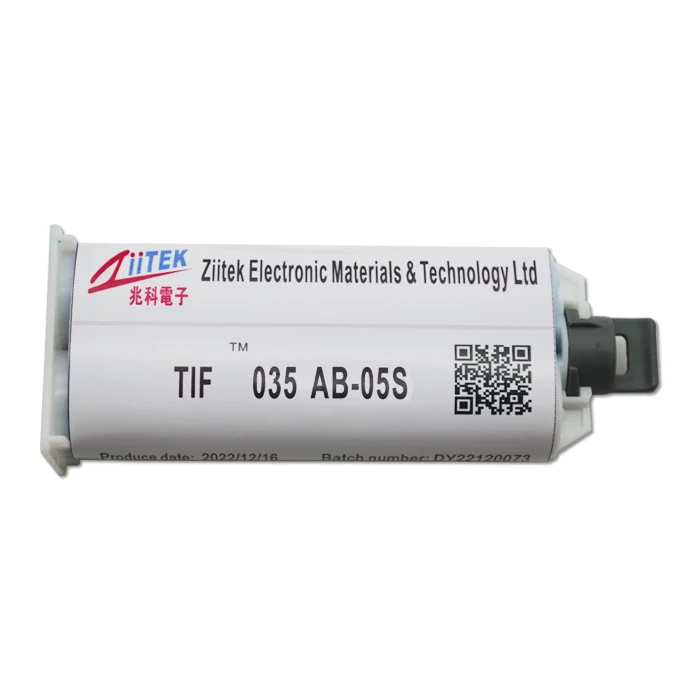 | TIF035AB-05S | 3.5 W/m·K | 3.1 | |
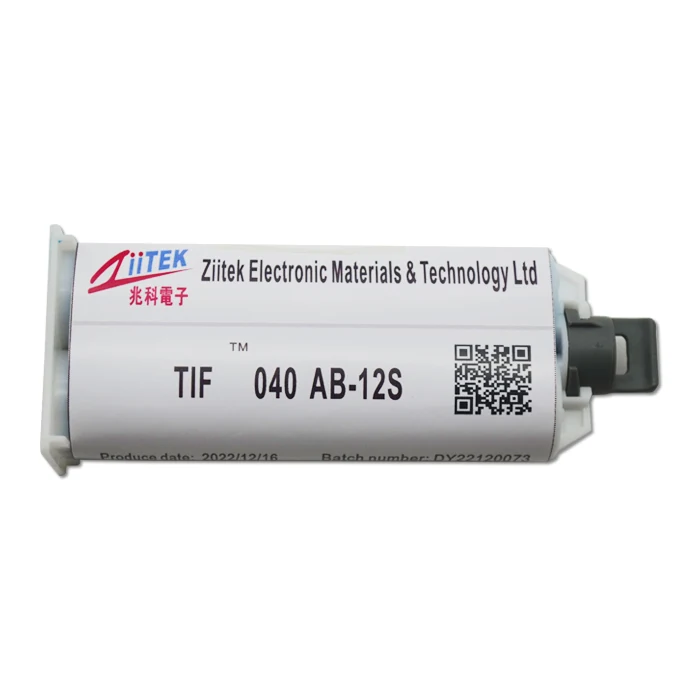 | TIF040AB-12S | 4 W/m·K | 3.1 | |
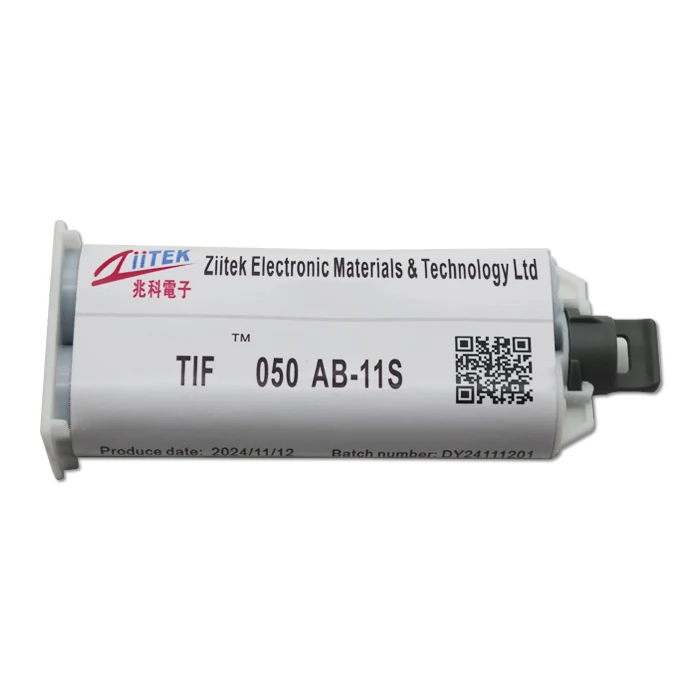 | TIF050AB-11S | 5 W/m·K | 3.2 | |
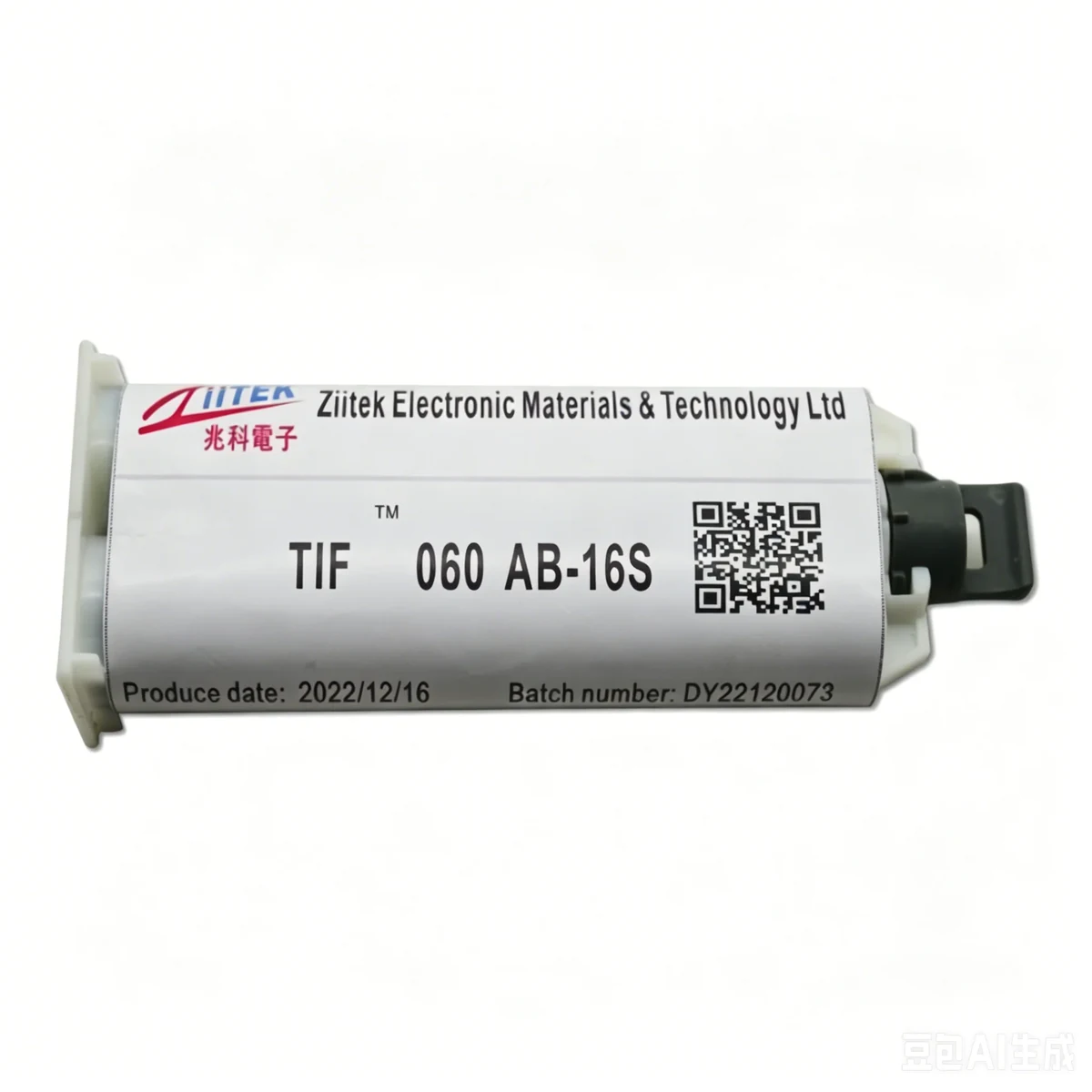 | TIF060AB-16S | 6 W/m·K | 3.4 | |
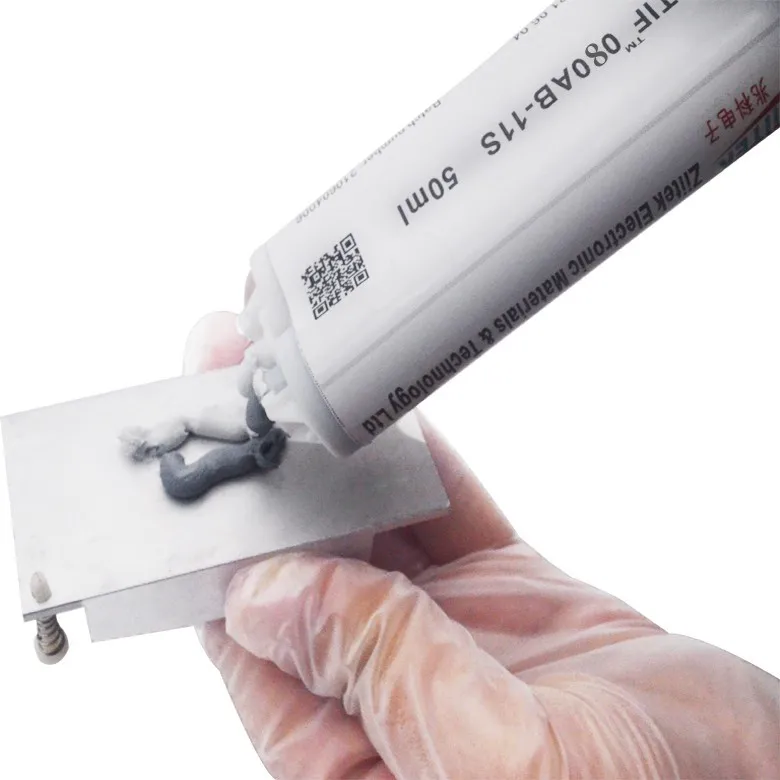 | TIF080AB-11S | 8 W/m·K | 3.4 | |
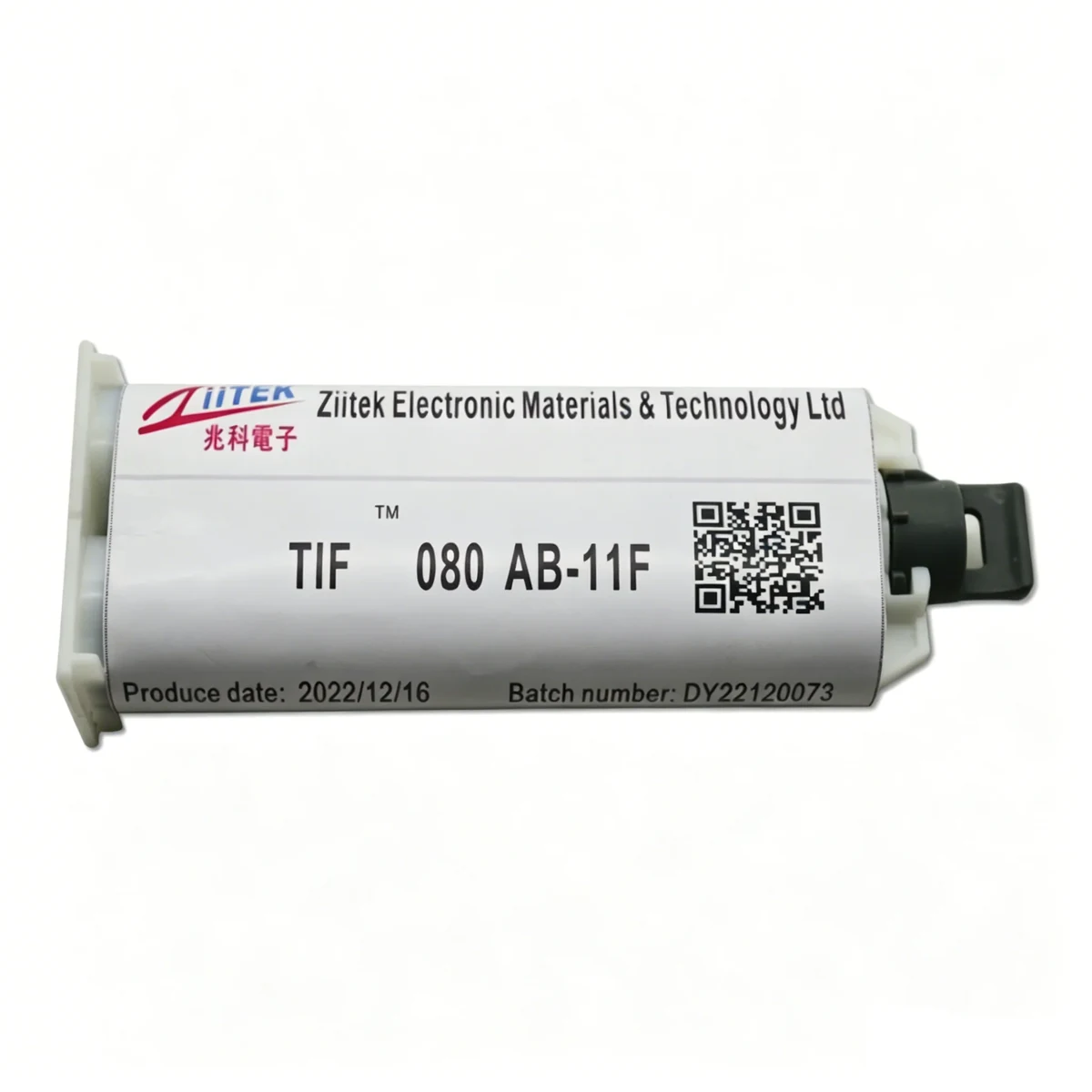 | TIF080AB-11F | 8 W/m·K | 3.25 | |
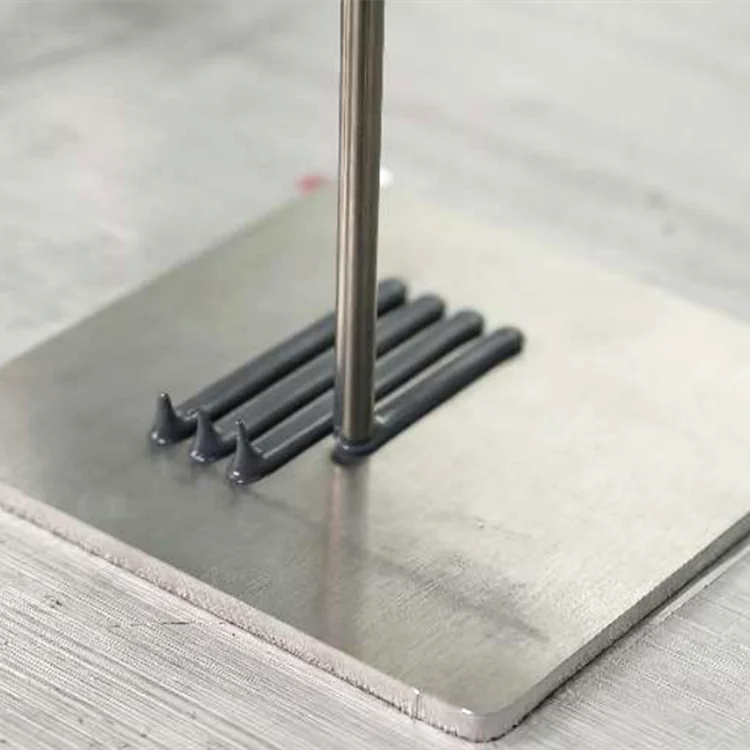 | TIF030-WA | 3.0 W/m·K | 4.0 | |
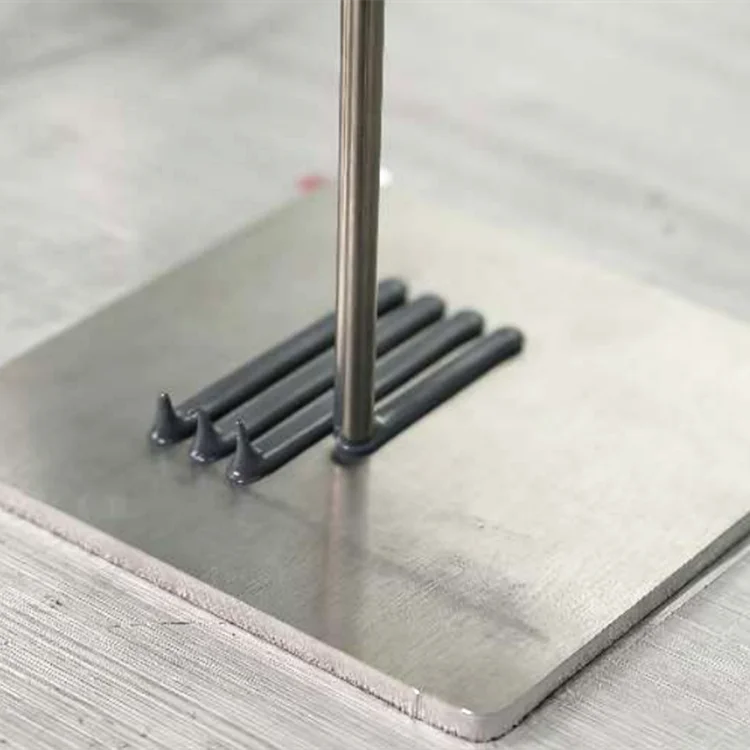 | TIF050-WA | 5.0 W/m·K | 3.6 | |
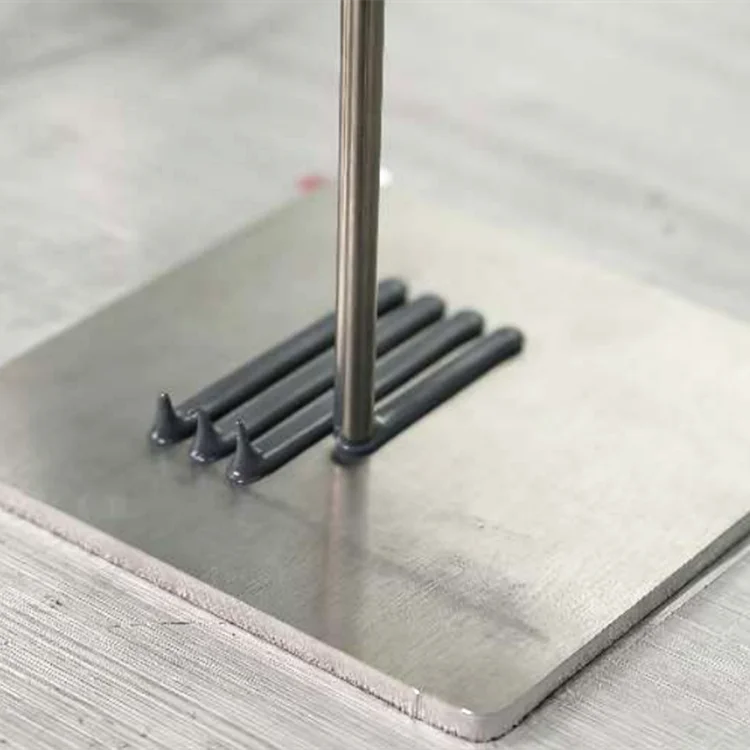 | TIF030AB-WA | 3.0 W/m·K | 4.0 | |
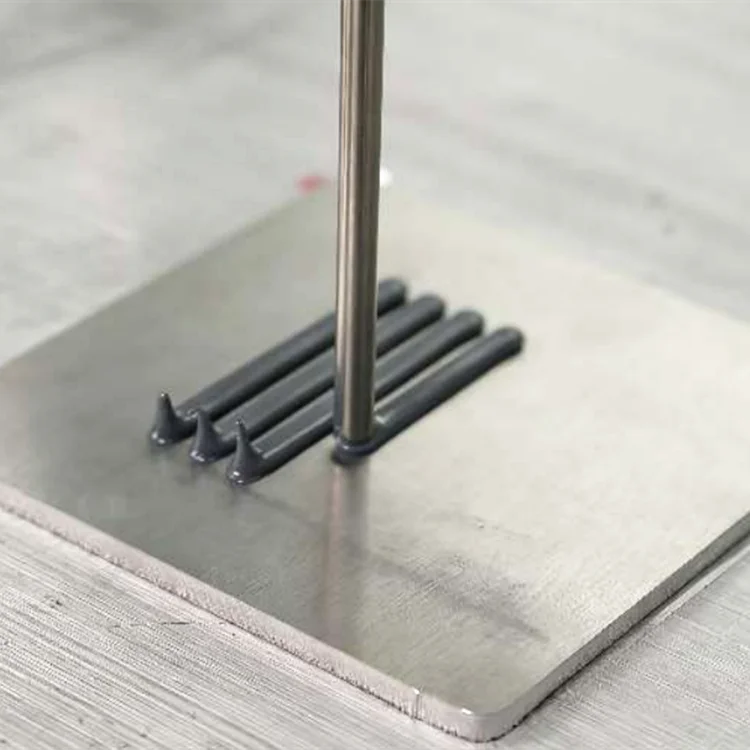 | TIF050AB-WA | 5.0 W/m·K | 3.6 |
Where thermal putty & gel fit
Putty and two-part gels absorb height variation without a perfect flatness budget — ideal for trays, lasers, EV mixed gaps, and high-mix assembly. These are the applications we quote most often.
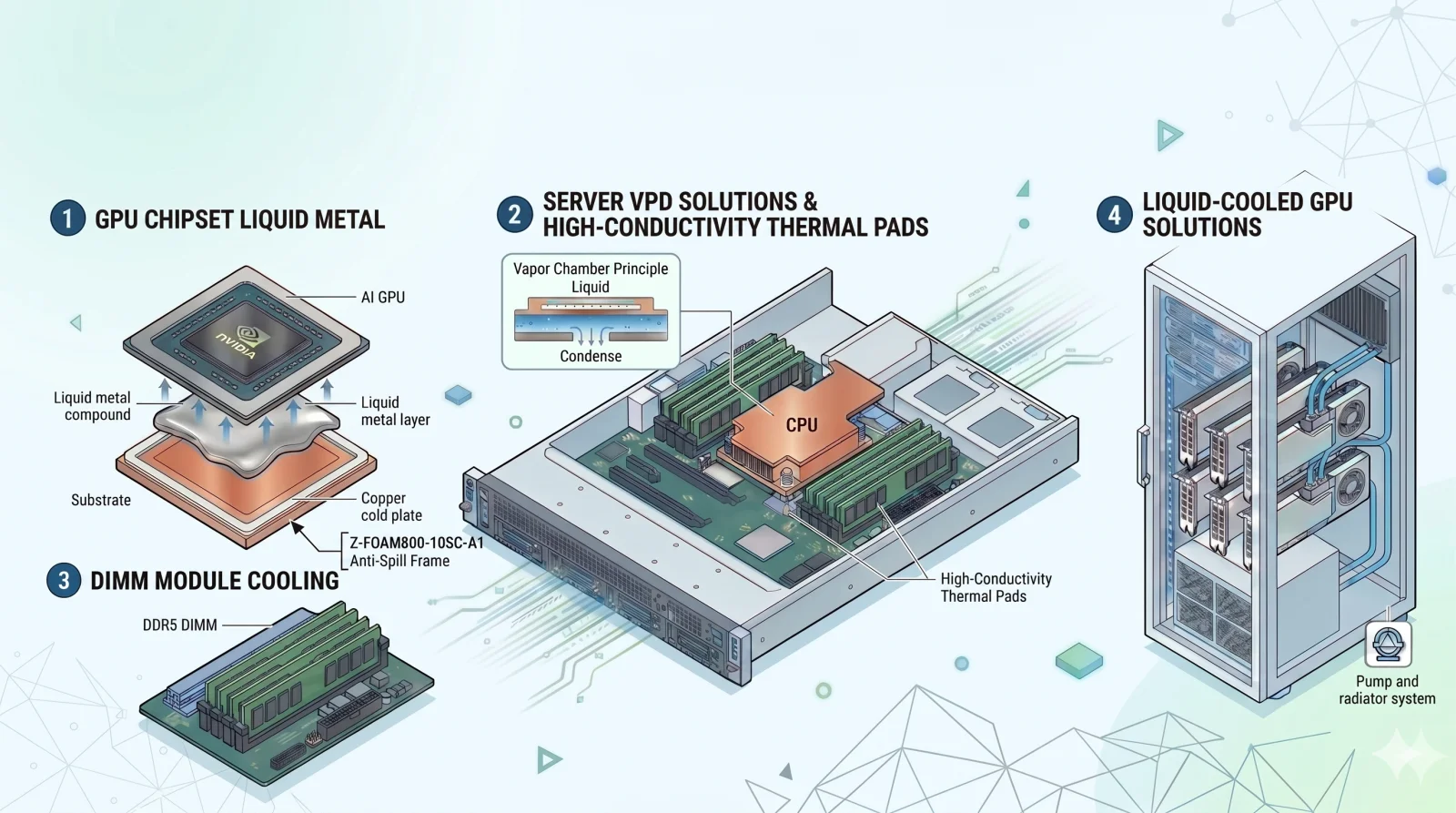
Servers · GPU · accelerators · DIMM
Data Center & AI Servers
High-flux silicon and dense PCBs — CPU/GPU bond-lines, VRM/DIMM/NIC interfaces, and accelerator cold-plate paths. Match grade against clamp force, TIM impedance, and rework cadence.
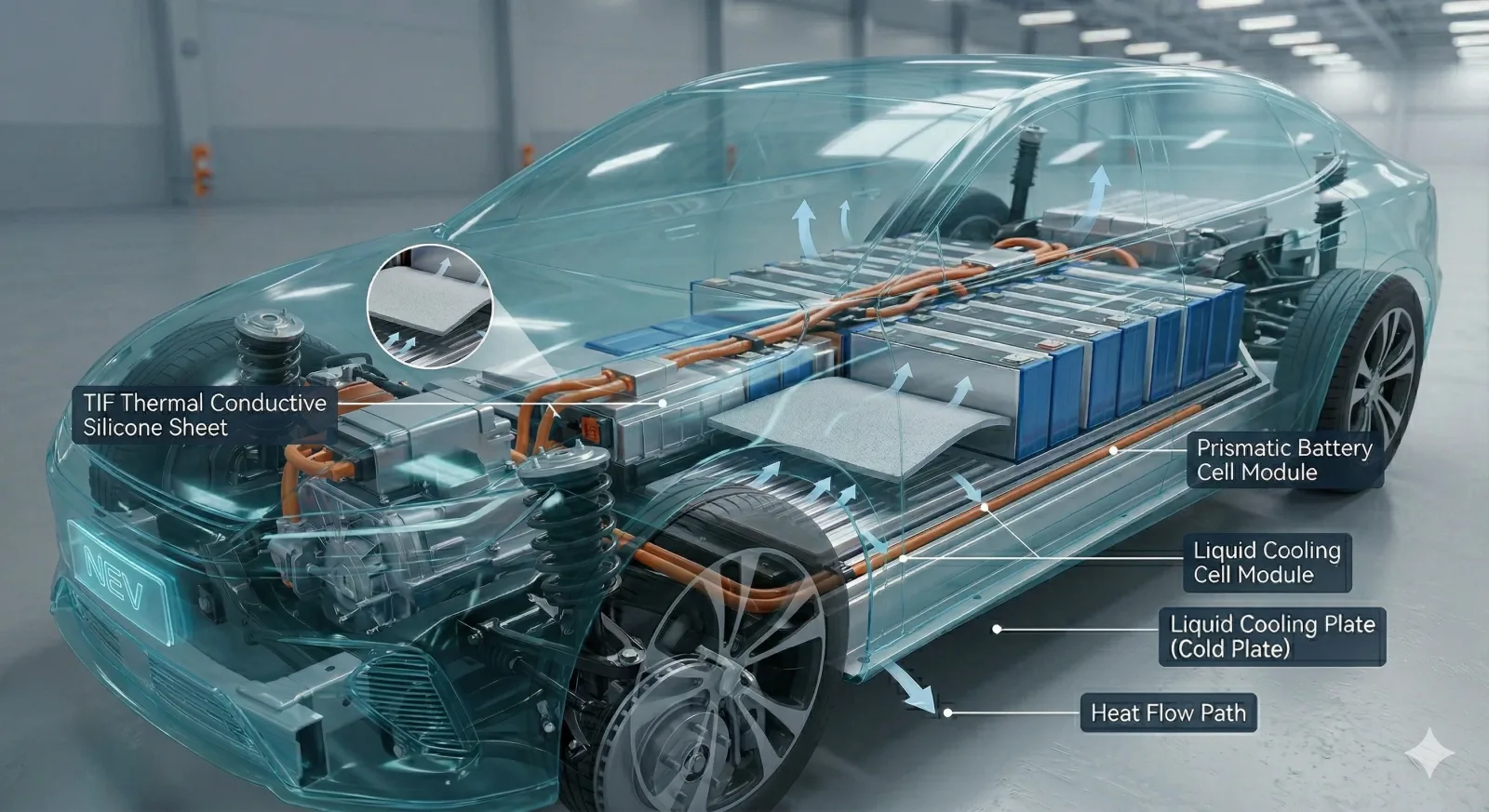
EV packs · OBC · inverters · BMS
New energy
EV battery modules, traction inverters, on-board chargers, and renewable power conversion — thermal management for high-current cycling loads with HV isolation requirements.
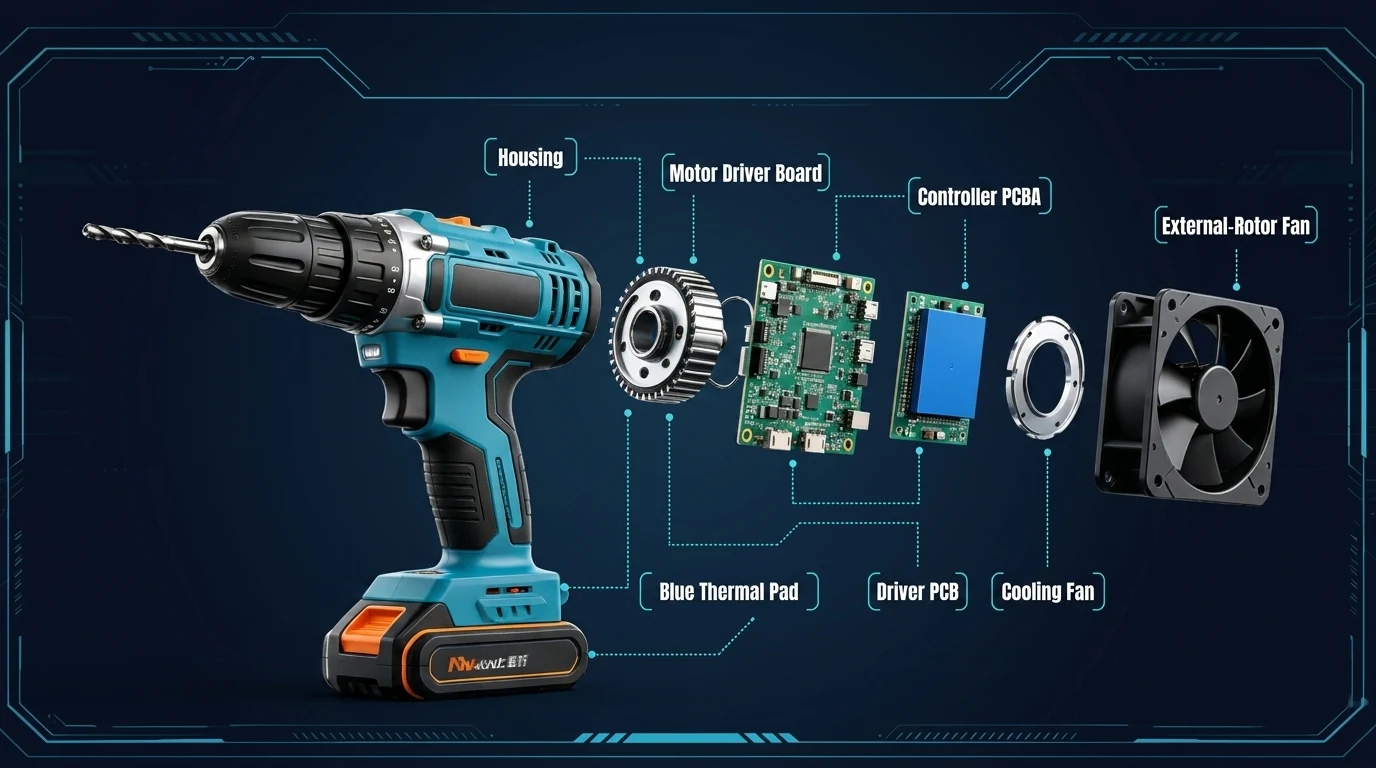
Drives · IGBT · controllers · sensors
Power Tools & Control Systems
Industrial controls, motor drives, power-stage IGBTs, and rugged modules — thermal interfaces, sealing, and encapsulation built for serviceable assemblies and harsh environments.
Typical specification window (thermal putty & gel)
| Parameter | Typical range / note | Method |
|---|---|---|
| Thermal conductivity (nominal) | ≈ 1.5 – 9+ W/m·K class | ASTM D5470 |
| Gap fill (cured / in-place) | 0.1 – several mm — grade-specific | Stack-up |
| One-part vs two-part | Both available | Product family |
| Hardness / modulus | Cured-gel dependent | Shore / DMA |
| Continuous-use temp. | −40 °C to 200 °C class | UL746B / TDS |
| Dielectric strength | Grade-specific kV/mm | ASTM D149 |
| Shelf & mix ratio (2K) | Per datasheet | — |
| Application | Auto-dispense, manual | — |
| Custom packaging | Cartridge, pail — on request | — |
* Representative grades. Request a lot-specific datasheet or CoA for your exact part number.
Thermal putty and thermal gel — common questions
Need help shortlisting or cross-referencing? Talk to a Ziitek thermal engineer — 2-hour response SLA.
Talk to an engineerWhat's the difference between thermal gel, grease, and putty?
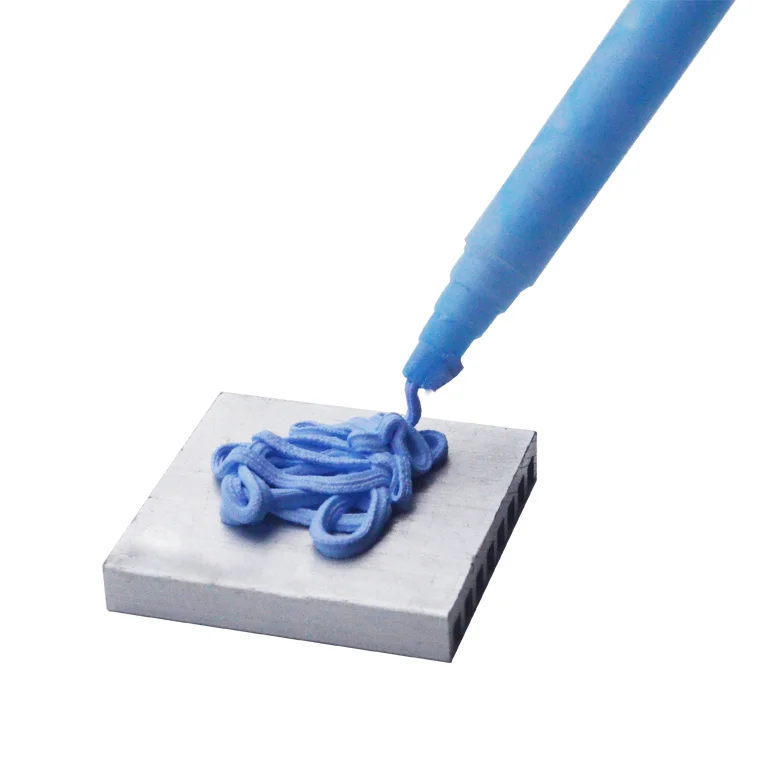
All three are dispensable TIMs but differ in rheology and cure. Grease (TIG) is liquid-like, sub-50 µm bondline, and can pump out under cycling. Putty (single-part TIF0xx) is a stiffer, paste-like one-time application that holds its shape after dispense — bondlines run 100 µm to 1 mm. Two-part gel (TIF0xxAB) is mixed then cures into a permanent soft elastomer (Shore 00) — gives gasket-like sealing plus thermal transfer. Pick by: bondline thickness, automated-dispense compatibility, and whether you want a permanent set.
Single-part dispense-and-use vs two-part cure — when do I want which?
Single-part is faster on the line: apply, place the heatsink, ship. No pot-life clock, no mix-ratio control. Suits high-volume automotive and consumer electronics. Two-part is preferred when (a) the assembly will see vibration that would migrate uncured gel, (b) the joint must seal against fluids or gas after cure, or (c) you need a permanent soft elastomer that won't flow with temperature. Two-part has a measurable working life (typically 30 min – 24 h depending on grade) so dispensers must be timed correctly.
What does 'wave-absorbing' (TIF0xx-WA) mean?
Wave-absorbing thermal gels combine thermally conductive ceramic fillers with EMI-absorbing magnetic powders — same physical layer does dual duty: heat conduction (typically 3–5 W/m·K) plus radio-frequency absorption (peak ~17 dB at 8–14 GHz on TIF030-WA / TIF050-WA). Use cases are 5G mmWave radio modules, automotive radar, and SerDes interconnects where standing-wave reflections degrade signal integrity. Saves a separate ferrite tile.
What's the right bondline thickness for thermal gel?
Single-part putty typically dispenses as a controlled bead (volumetric pump or auger) and squeezes to 100–500 µm under assembly clamp. Two-part cured gel sets at the dispensed thickness (300 µm – 1 mm common) — clamping during cure compresses to target. Lower bondline always means lower thermal resistance, but gel's value is exactly when surface flatness or stack tolerance prevents reliable sub-100 µm application. If you can hit 50 µm flat, use grease; if you can't, use gel.
Can I rework a gel-installed assembly?
Single-part putty is removable with isopropanol and a plastic scraper — cleaner reworks than cured silicone. Two-part cured gel forms a soft solid (Shore 00 hardness) that peels off with care, similar to a gap pad. Wave-absorbing gels rework like the parent dispense form. None of these reworks bring the joint back to factory thermal performance — re-application is required, and the cured-gel residue must be fully cleaned before bonding a fresh layer.
Are these gels silicone-based?
Yes — TIF0xx gels are silicone matrix. For silicone-sensitive applications (optical sensors, MEMS, hermetically sealed assemblies that fail under siloxane outgassing), specify a non-silicone alternative — Z-Paster non-silicone pads handle this duty though they don't dispense. We can advise on silicone-free dispensable options on request; not all conductivity grades are available in non-silicone form.
Adjacent thermal management lines
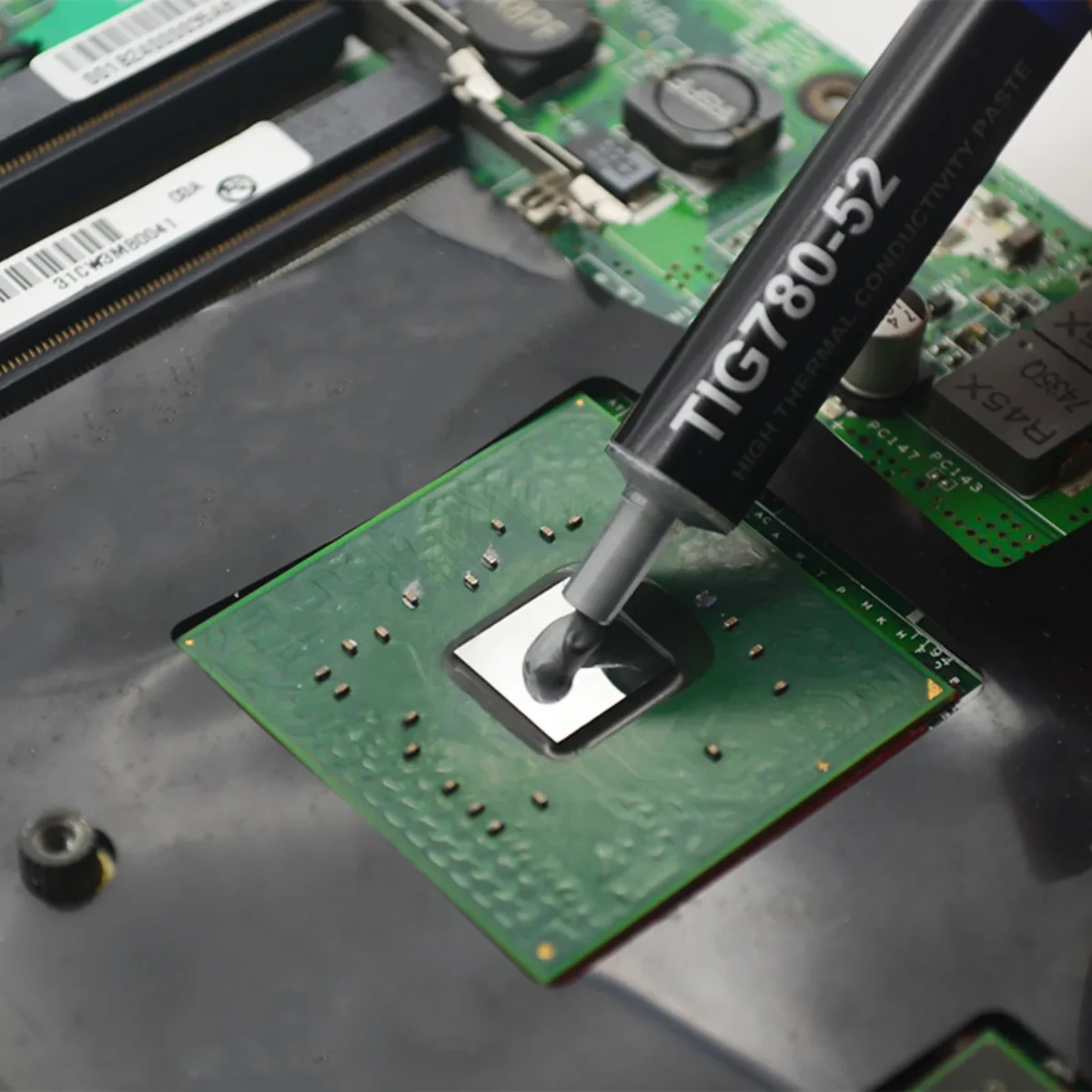
TIG
Thermal Grease
When the bondline is sub-100 µm and you can apply a thin spread — grease beats gel on contact resistance.
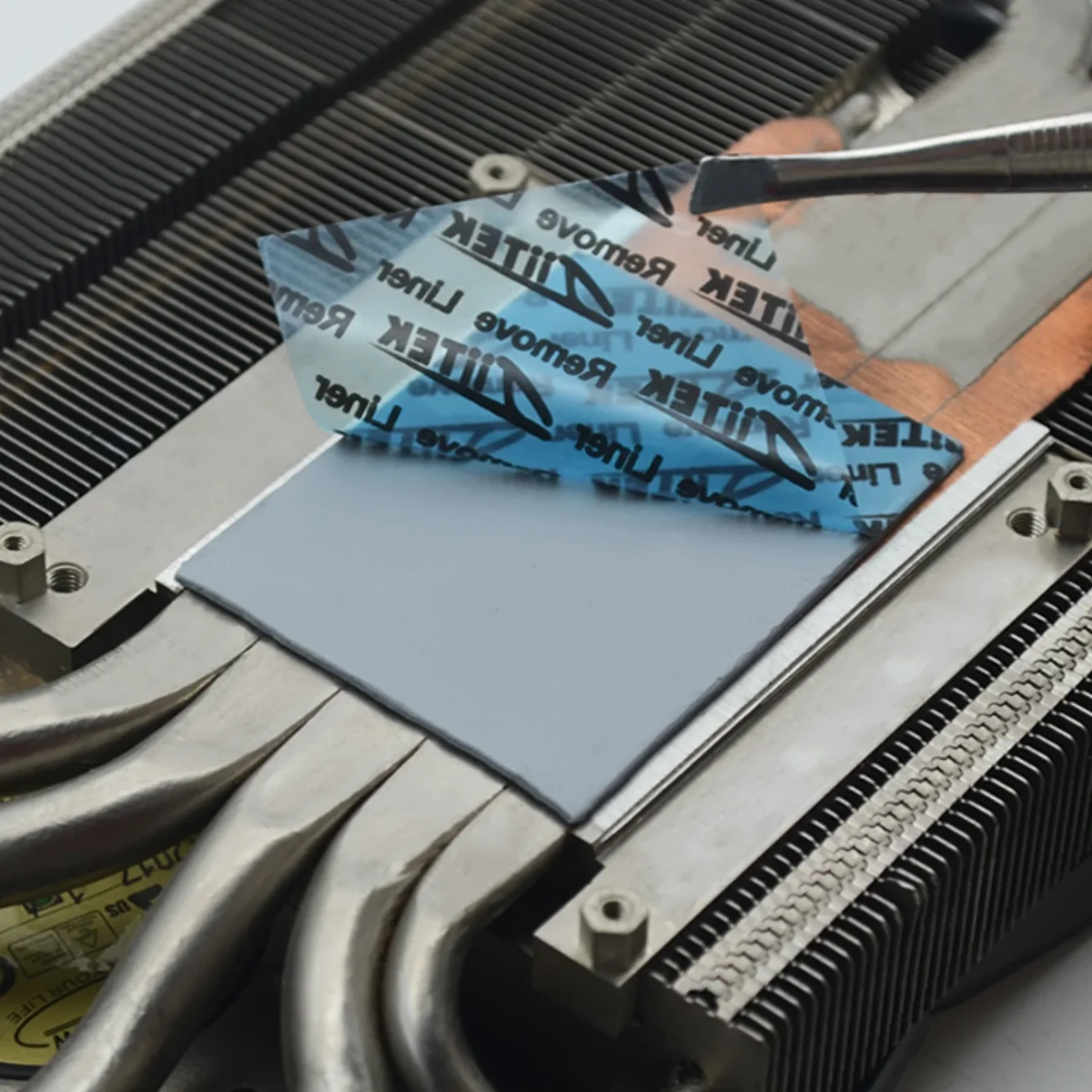
TIF Pad
Silicone Thermal Pad
Pre-formed sheet for repeatable assembly without dispensing equipment — different decision tree from gel.
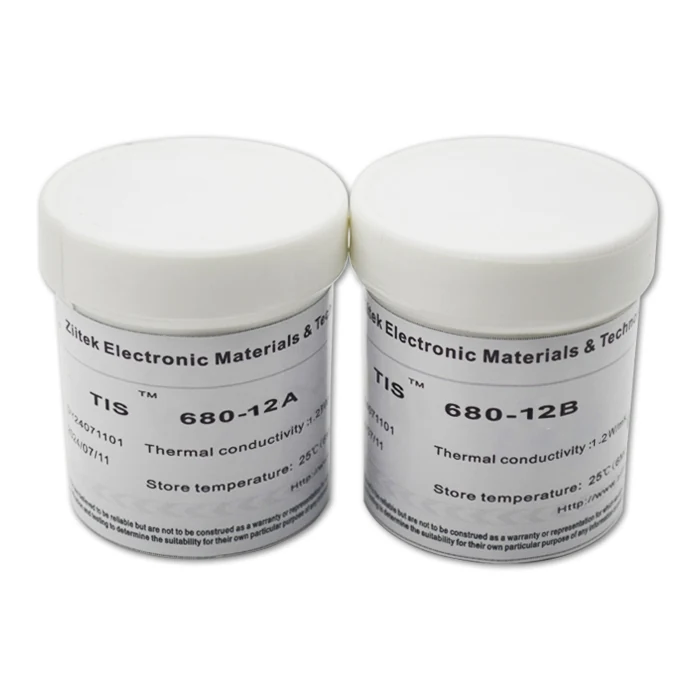
Potting
Silicone Potting Compound
When the goal is full encapsulation rather than a thin TIM layer — same dispenser, different chemistry.
Sample
Talk to engineering
Need help with auger sizing, pot-life selection, or wave-absorbing absorption peaks? 2-hour response.

Your next thermal solution
starts here.
From rapid prototyping to full-scale production — our engineers are ready to design a custom thermal solution for your application. Trusted by 5,000+ clients across EV, 5G, and consumer electronics.