RoHS & REACH Compliance: Prop 65 and PFAS for TIMs
RoHS and REACH compliance, plus Prop 65 and PFAS duties: the thresholds, the scope traps, and the five checks a thermal pad buyer must run on a declaration.
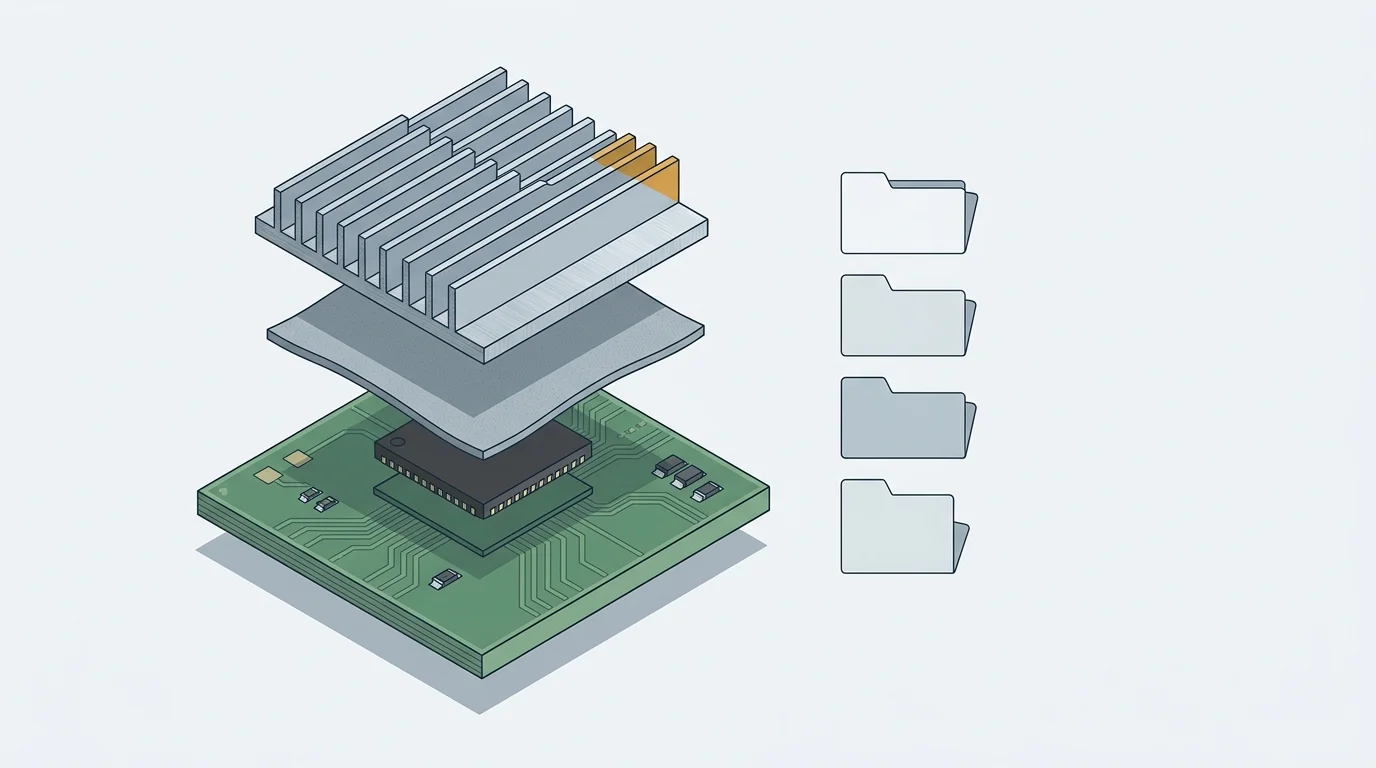
RoHS and REACH compliance are not the same check, and neither is the whole substance story for a thermal material. RoHS sets hard concentration limits on ten substances — 0.1% by weight in each homogeneous material, 0.01% for cadmium. REACH sets no limit on SVHCs by concentration: it attaches duties to a supplier of an article when a substance of very high concern is present above 0.1% by weight, and it separately restricts named PFAS. California Proposition 65 adds a warning duty rather than a ban. Then there is TSCA section 8(a)(7): import a part containing PFAS into the United States and you may owe the EPA a report — a duty keyed to what you imported, not to how much is in the part.
Four regimes, four evidence files, one silicone pad. "RoHS reach compliance" is shorthand for four separate questions: for a buyer, the useful one is never "is it compliant" but "compliant with which rule, measured on what, and proved by which document". This guide answers that for thermal interface materials (TIMs) — pads, gels, greases and gap fillers — and ends with a five-step check you can run on the declaration in your inbox. For the broader picture of what is certified across our thermal material families, see the certifications and compliance hub for thermal materials.
RoHS and REACH Compliance: Four Regimes, Four Threshold Rules
The most expensive mistake in material compliance is treating these four as one checklist. They answer different questions. RoHS asks how much of a named substance is in this piece of material. REACH asks what duties flow from a substance of very high concern in this article. Proposition 65 asks will using this product expose a Californian to a listed chemical. TSCA section 8(a)(7) asks did you import a PFAS.
| Regime | Applies to | Measured on | Threshold logic | Evidence that counts |
|---|---|---|---|---|
| EU RoHS | Electrical and electronic equipment placed on the EU market, including cables and spare parts | Each homogeneous material separately | Hard limit: 0.1% by weight, 0.01% for cadmium | Test report at your part number and construction |
| EU REACH | Substances, mixtures and articles on the EU market | The article as supplied | No limit; duties attach above 0.1% w/w of an SVHC | Substance declaration naming the Candidate List version |
| California Prop 65 | Products sold in California, with a small-business exemption | Exposure the business causes | No limit; a warning unless exposure is below the safe harbour | Warning text, or a documented exposure assessment |
| US TSCA 8(a)(7) | Manufacturers, including importers, of PFAS | The substance you manufactured or imported | No limit; a one-time report inside a filing window | The submitted report and its records |
| EU WEEE & SCIP | Waste electrical equipment; and articles placed on the EU market | WEEE registration: the finished product. SCIP: the article you supply | No limit; registration and database notification duties | Producer registration; SCIP notification |
| EU CE marking | Products within the scope of a CE-marking directive | The finished product | No limit; a declaration of conformity plus a technical file | Signed declaration of conformity and technical documentation |
Note where the last two rows land. WEEE and CE marking sit on the finished product, not on the material you are buying — a thermal pad carries no CE mark, and a pad supplier does not register a product in a national WEEE register — so both duties fall on whoever places the end product on the EU market. Buyers ask about both anyway; the useful answer is to redirect the question up the chain. SCIP is the exception: under Article 9(1)(i) of the Waste Framework Directive (2008/98/EC) the notification is owed by any supplier of an article — the same Article 33(1) information the REACH section describes — if your pad contains an SVHC above 0.1% w/w, the supplier files it.
Enforcement works the same way. Under Article 18 of the RoHS directive, member states carry out market surveillance in accordance with Articles 15 to 29 of Regulation (EC) No 765/2008, and Article 23 requires them to lay down rules on penalties for infringements of the national provisions adopted under the directive. Article 15(3) separately requires member states to act against improper use of the CE marking, with penalties that may include criminal sanctions for serious infringements. That is why the test report matters more to a buyer than the certificate: Article 16 of the directive presumes conformity for materials and components on which tests and measurements demonstrating compliance with Article 4 have been performed, or which have been assessed in accordance with harmonised standards published in the Official Journal.
RoHS does not replace chemical legislation either — it applies without prejudice to chemicals law, "in particular Regulation (EC) No 1907/2006". So "we are RoHS compliant" answers one of four questions, usually the least specific one. What follows takes them in turn, assuming what you buy is a soft, filled, multi-layer polymer part. If you are still weighing material families, the thermal interface materials selection guide covers the thermal side of the same decision.
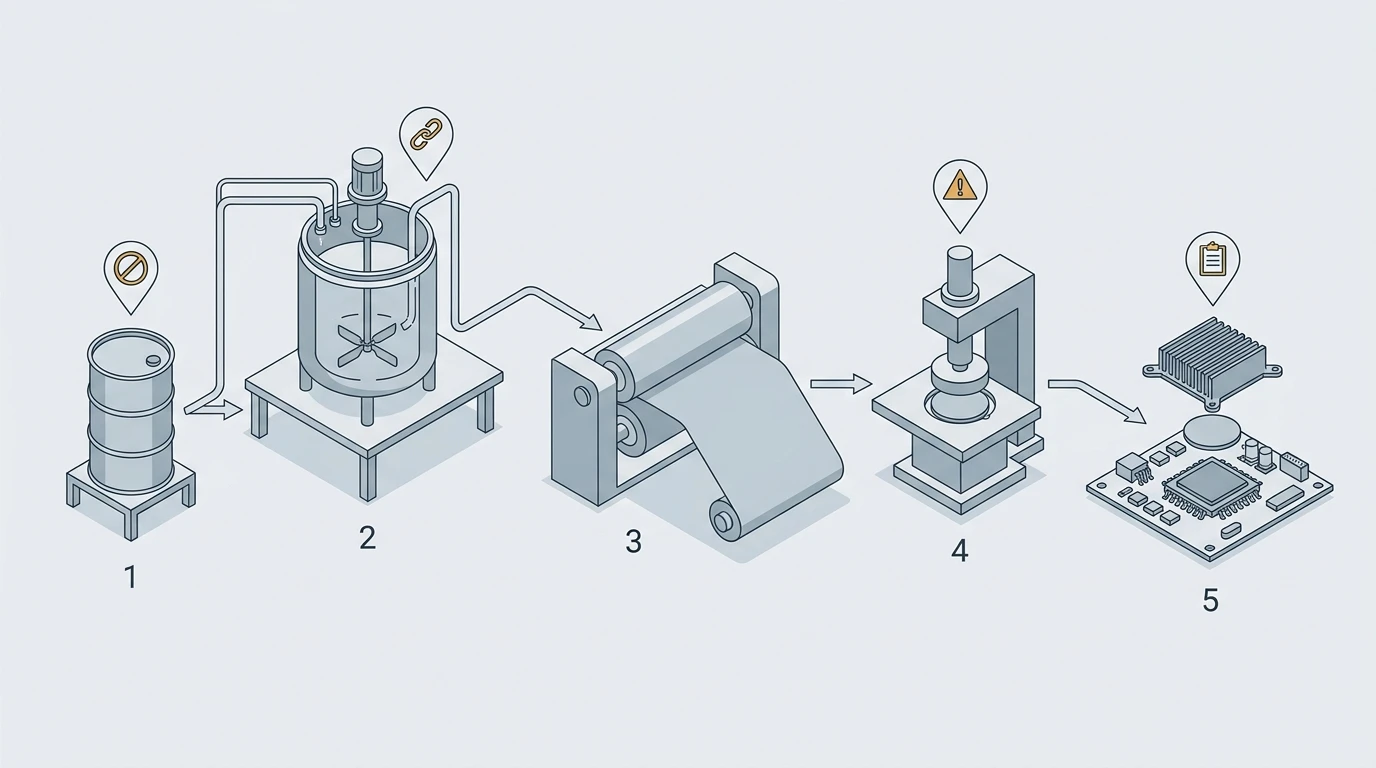
Numbers 1–5 mark the stages of a thermal material's route to a device. The four regimes do not attach at the same point: RoHS and REACH bite hardest on the finished article, Prop 65 on customer exposure, TSCA 8(a)(7) on the act of importing.
RoHS: 10 Substances at 0.1% in Homogeneous Material (0.01% for Cadmium)
Under Directive 2011/65/EU, equipment placed on the market — including cables and spare parts — must not contain the substances listed in Annex II, and no more than the maximum concentration value by weight in homogeneous materials is tolerated. The operative phrase is homogeneous material: a material of uniform composition throughout, or a combination of materials that cannot be disjointed or separated into different materials by mechanical actions such as unscrewing, cutting, crushing, grinding and abrasive processes.
That definition makes RoHS compliance a per-layer claim rather than a product-level one. Annex II, in the form given to it by Commission Delegated Directive (EU) 2015/863, lists ten substances:
| Substance | Maximum concentration by weight in homogeneous material |
|---|---|
| Lead | 0.1% |
| Mercury | 0.1% |
| Cadmium | 0.01% |
| Hexavalent chromium | 0.1% |
| Polybrominated biphenyls (PBB) | 0.1% |
| Polybrominated diphenyl ethers (PBDE) | 0.1% |
| Bis(2-ethylhexyl) phthalate (DEHP) | 0.1% |
| Butyl benzyl phthalate (BBP) | 0.1% |
| Dibutyl phthalate (DBP) | 0.1% |
| Diisobutyl phthalate (DIBP) | 0.1% |
The four phthalates came in with that 2015 amendment, applying to general electrical and electronic equipment from 22 July 2019 and to medical devices and monitoring and control instruments from 22 July 2021. Cadmium is ten times stricter than everything else, and a 0.1% figure quoted "for the product" is not the same claim as 0.1% in each layer.
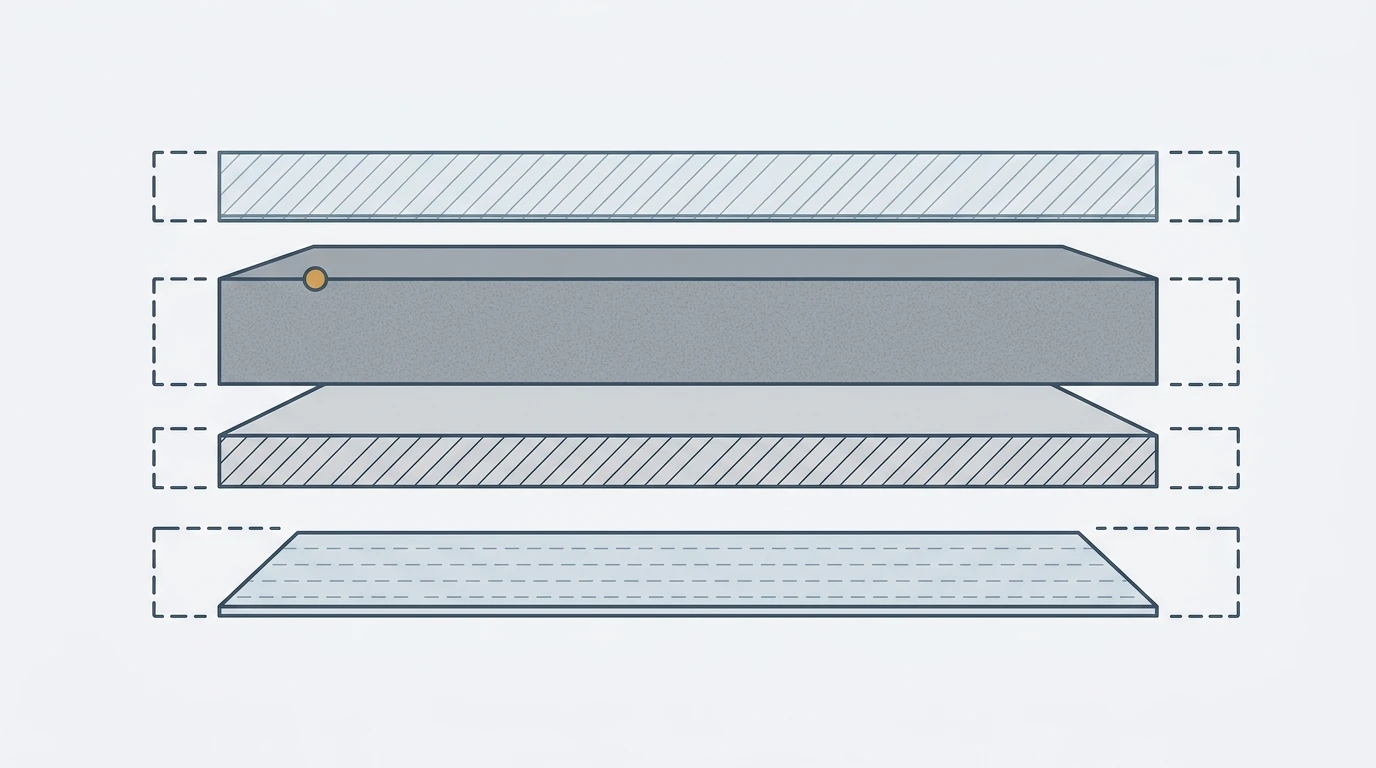
Every layer of a laminated thermal pad is its own homogeneous material. A pass at the finished-part level does not tell you which layer passed.
A thermal pad is usually a stack — release liner, sometimes an adhesive, a silicone or non-silicone core, occasionally a carrier film or metallised foil — so a result at "the pad" level is no substitute for a result per layer. The risk is rarely the silicone itself; it is more often pigmentation, the flame retardant package, or a coating on a film.
Construction and thickness change the answer. A declaration is only meaningful if it names the exact construction and thickness you are buying — the same discipline that governs how a pad behaves under compression, which is why the thickness and compression of a thermal pad belongs next to this section. Both the thermal and the compliance story shift as a pad gets thinner.
Exemptions are time-limited. Annexes III and IV carry use-specific exemptions granted for defined validity periods that can be renewed, revoked or expire. An exemption is not a permanent pass, so when a supplier cites one, check that its scope and expiry still cover your application.
RoHS does not tell you which test method produced the number either. Third-party laboratories run the RoHS element screen as a standard service, so the request is not "send your certificate" but "send the test report for this part number, with the method, the sample description and the reporting limit" — a datasheet line is a claim, a report with a sample description is evidence.
REACH: Above 0.1% in an Article, You Have Duties
REACH — Regulation (EC) No 1907/2006 — is why a thermal pad can be RoHS compliant and still carry unmet obligations. It does not ban substances by concentration the way RoHS does; it creates duties around substances of very high concern (SVHCs) identified under Article 59(1) and placed on what is informally called the Candidate List.
The two REACH duties that reach a pad supplier. Where an article contains an SVHC above 0.1% weight by weight, Article 33(1) requires the supplier to give the recipient enough information to allow safe use of the article, including at minimum the name of the substance. Article 33(2) requires the same information, free of charge, within 45 days of a consumer's request. Separately, Article 7(2) requires a producer or importer of articles to notify the European Chemicals Agency where the substance exceeds both 0.1% w/w in the articles and one tonne per producer or importer per year.
Three details get buyers wrong most often.
The unit is the article, not the product. The thresholds are expressed weight by weight against the article you supply, not the assembled device — so REACH compliance belongs to a part number, not a product family.
The 45-day clock is measurable. Article 33(2) requires the information free of charge within 45 days of receipt of the request — a deadline, not correspondence.
The tonnage duty is a notification, not a ban. Article 7(2) is keyed to manufacture or import above one tonne per year combined with an article concentration above 0.1%; Article 7(7) makes those paragraphs apply six months after a substance is identified under Article 59(1). Article 7(3) carves out the case where exposure to humans or the environment can be excluded during normal or reasonably foreseeable conditions of use — the obligation is then replaced by supplying appropriate instructions to the recipient.
For a buying team this collapses into one request: the declaration must name the version of the Candidate List it was checked against. The list is updated periodically, so an undated declaration describes a shorter list than the one you will be held to. A supplier who can say "checked against the Candidate List as published on [date], for these part numbers, at this construction" has done the work. Supplier documentation is also where supplier quality shows — the how to choose a thermal interface material supplier question set overlaps almost entirely with the compliance request set.
REACH Also Restricts PFAS Directly — and the Scope Is Not What the Headlines Say
PFAS is where most 2026 compliance summaries stop being accurate. There is a great deal of writing about a "universal PFAS ban", and there is real law — but they are not the same thing, and the difference decides whether it reaches your thermal pad. For anyone buying PFAS in electronics, the practical question is which entry applies to which use. Three entries in Annex XVII of REACH do the work.
Entry 68 — C9-C14 PFCAs, and this one bites hardest
Added by Commission Regulation (EU) 2021/1297, entry 68 covers linear and branched perfluorocarboxylic acids of the formula CₙF₂ₙ₊₁-C(=O)OH where n = 8 to 13, their salts, and a wide class of C9-C14 PFCA-related substances. Since 25 February 2023 they must not be used in, or placed on the market in, another substance as a constituent, a mixture, or an article — unless the concentration is below 25 ppb for the sum of C9-C14 PFCAs and their salts, or 260 ppb for the sum of C9-C14 PFCA-related substances. Those are parts-per-billion limits, not percent, and they apply at article level. Any fluoropolymer or fluorinated processing aid in your supply chain deserves a question about long-chain PFCAs for this reason alone.
Entry 82 — the PFAS definition everyone quotes, applied to firefighting foams
The broad definition now in REACH law is "any substance that contains at least one fully fluorinated methyl (CF₃) or methylene (CF₂) carbon atom (without any H/Cl/Br/I attached to it)", and it does sit in Annex XVII to REACH as entry 82. Read the operative paragraph, though: PFAS shall not be placed on the market or used as of 23 October 2030 in firefighting foams in a concentration equal to or greater than 1 mg/L for the sum of all PFAS, with a list of derogations and review dates. Entry 82 is a foam restriction. It is not, as of today, a general article restriction — and a supplier who says "PFAS is banned in the EU from 2030" is describing something the text does not say.
Entry 79 — PFHxA, with a scope that excludes thermal materials
PFHxA and PFHxA-related substances carry limits of 25 ppb (PFHxA and its salts) and 1,000 ppb (PFHxA-related substances) measured in homogeneous material. But the restricted uses are enumerated: textiles, leather, furs and hides in clothing and accessories for the general public; footwear for the general public; paper and cardboard used as food contact materials; mixtures for the general public; cosmetic products; and firefighting foams. Thermal interface materials are not on that list. This is the clearest example of why the scope sentence matters more than the headline number.
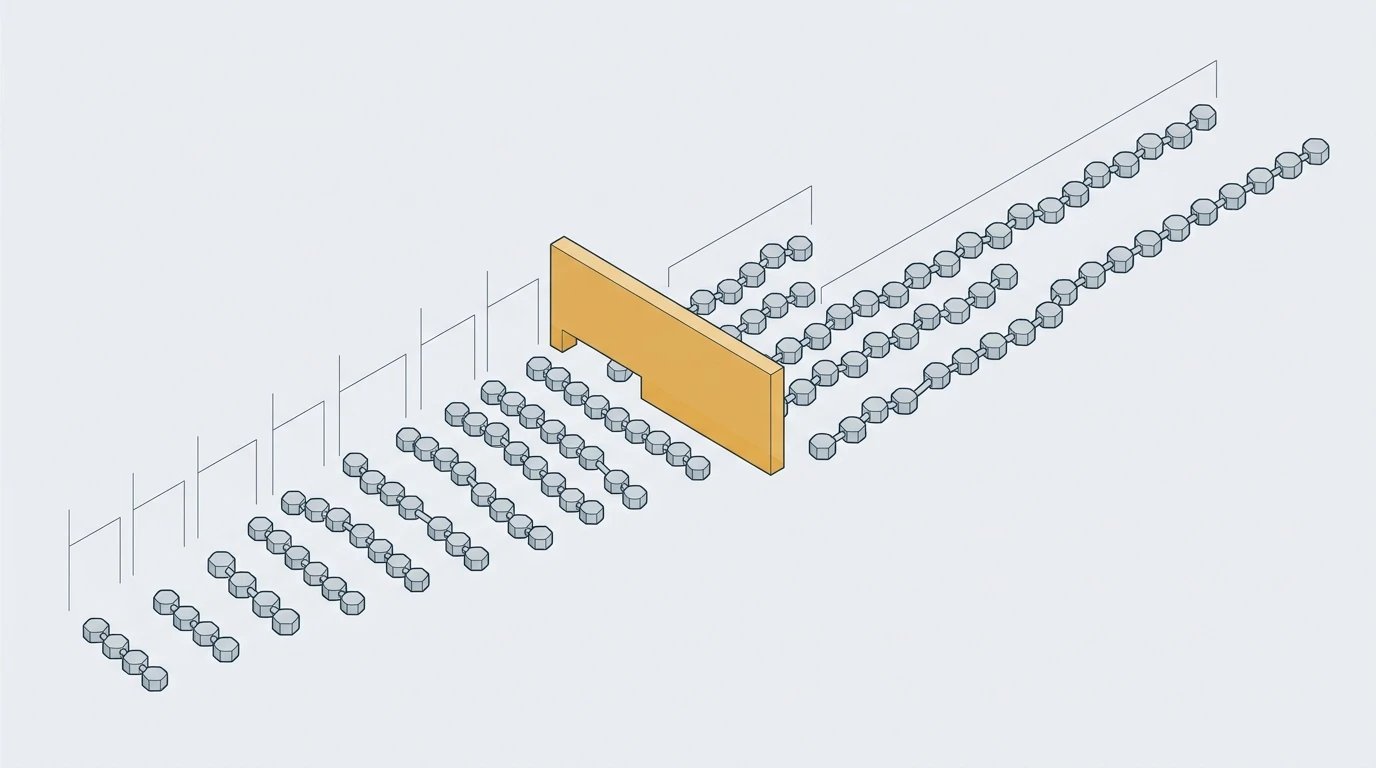
EU PFAS restrictions under REACH are partly chain-length specific. Longer perfluorocarboxylic acids fall under entry 68's parts-per-billion limits; shorter-chain substances have their own entries and their own scoped use lists.
Legacy substances sit in a separate instrument. The POPs Regulation (EU) 2019/1021 lists persistent organic pollutants in Annex I and prohibits their manufacture, placing on the market and use, subject to defined limits. For PFOS and its derivatives those limits are 10 mg/kg (0.001% by weight) in substances or mixtures, and — for semi-finished products or articles, or parts of them — below 0.1% by weight calculated against the mass of the structurally or micro-structurally distinct parts that contain PFOS, or below 1 µg/m² of coated material for textiles and other coated materials. PFOA was added to the same annex by Commission Delegated Regulation (EU) 2020/784, with limits of 0.025 mg/kg (0.0000025%) for PFOA and its salts and 1 mg/kg (0.0001%) for PFOA-related compounds in substances, mixtures or articles. PFHxS and PFHxS-related compounds are listed in the same annex, which is why entry 82 expressly carves them out.
That is the shape of EU PFAS regulation today: three entries, three scopes, one shared definition — which is why PFAS compliance is not a single test but a set of scoped questions. So where can PFAS realistically appear in a thermal material? Not in a plain silicone pad's base polymer. Look at the auxiliary parts: polytetrafluoroethylene in a release film or liner, fluorinated processing aids, fluoroelastomer carriers or seals, fluoropolymer-based additives. So the right question is not "do you contain PFAS" — almost any complex assembly fails that eventually — but "which perfluoroalkyl substances, at what chain length, in which layer, and at what measured concentration". If you also work with EMI and wave-absorbing parts, the thermally conductive EMI absorbing materials family has fluorinated-material considerations worth checking in the same pass.
California Prop 65: A Warning Duty, Not a Substance Ban
Proposition 65 is the popular name of the Safe Drinking Water and Toxic Enforcement Act of 1986, administered by the Office of Environmental Health Hazard Assessment (OEHHA). Two facts about it get misread constantly, and both come from OEHHA's own plain-language explanation of Proposition 65.
It is a list, not a limit. The state publishes a list of chemicals known to cause cancer or birth defects or other reproductive harm, updated at least once a year, which has grown to over 800 chemicals since it was first published in 1987. Proposition 65 does not ban those chemicals in products; it requires a "clear and reasonable warning" before knowingly and intentionally exposing anyone to a listed chemical, and separately prohibits discharging listed chemicals into sources of drinking water.
The trigger is exposure, not concentration. For chemicals listed as causing cancer, the "no significant risk level" (NSRL) is the exposure that would result in not more than one excess case of cancer in 100,000 individuals over a 70-year lifetime. For chemicals listed as causing birth defects or reproductive harm, the maximum allowable dose level (MADL) is derived by taking the no observable effect level and dividing it by 1,000. OEHHA publishes numerical safe harbour numbers for both, and a business may warn simply on the basis of its own knowledge or assumption instead of running an assessment.
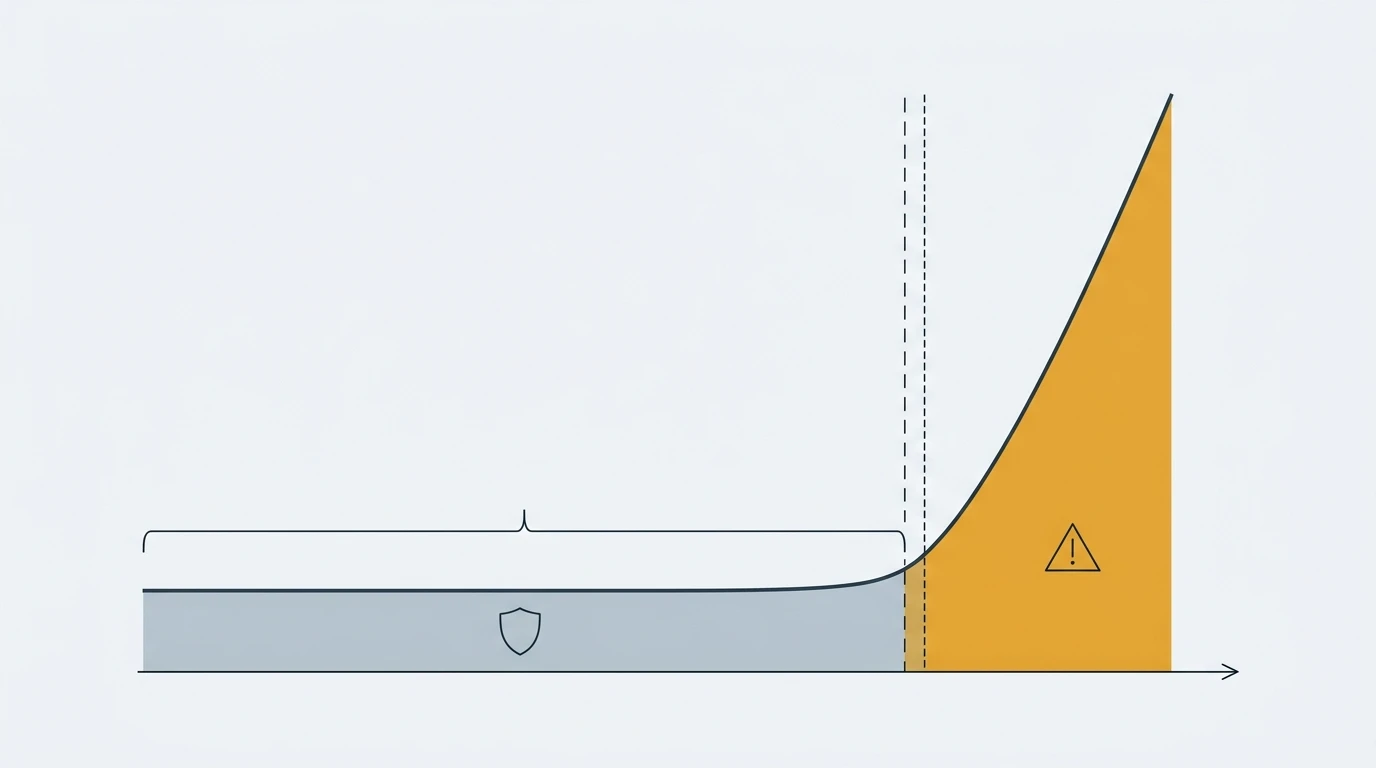
Below the safe harbour the duty falls away; above it, a warning applies. That is why Proposition 65 is assessed on exposure rather than on how much of a substance is in the material.
The mechanics matter before you promise anything to a customer: once a chemical is listed, businesses have 12 months to comply with the warning requirements and 20 months with the discharge prohibition, and businesses with fewer than 10 employees as well as government agencies are exempt from both. Exposure creating no significant risk is also exempt.
Proposition 65 compliance therefore looks nothing like RoHS compliance: there is no threshold to certify against, only an exposure to assess. The consequence for a TIM buyer is a responsibility split. The warning obligation sits on the business that exposes Californians — usually whoever puts the finished product on the California market. A supplier's Prop 65 statement is not a Prop 65 warning: one is an input to your assessment, the other is the text on the product or its packaging. Ask a material supplier for "the Prop 65 warning" and you are asking the wrong party for the wrong artefact. Ask instead for any Proposition 65-listed substances in the part, with concentrations and a safe harbour comparison.
PFAS Reporting Under TSCA Section 8(a)(7): A Deadline, Not a Limit
The United States side of PFAS does something structurally different: it creates a reporting duty. The PFAS reporting rule is codified at 40 CFR part 705 under section 8(a)(7) of the Toxic Substances Control Act, and its text states what it covers — reporting and recordkeeping procedures for manufacturers, including importers, of PFAS, applying to "all chemical substances and mixtures containing a chemical substance (including articles) that are a PFAS". Four features matter to a hardware buyer.
Importing counts as manufacturing. The definitions include importing into the customs territory of the United States, so a company that imports a finished article containing a PFAS is in scope on the same footing as one that produces the chemical.
Articles are expressly included, with a streamlined option. The scope reaches PFAS in articles, and the rules provide a streamlined reporting form for importers of articles who do not know and cannot reasonably ascertain the fuller data set — reporting what they know or can reasonably ascertain, for each year since 1 January 2011 in which the PFAS was imported in an article.
The look-back period is long. Reporting covers manufacture for commercial purposes during any period from 1 January 2011 through the end of the last calendar year before 13 November 2023.
The filing window can open earlier than the headline date. As the text currently stands, the submission period for most reporters begins on 31 January 2027, or 60 days after the date EPA announces under paragraph (c), whichever is earlier, and lasts six months; for reporters filing exclusively as article importers who also meet the small-manufacturer definition the same trigger opens a twelve-month window. The codified text records that EPA intends to publish a Federal Register document setting that date — so the trigger is the notice, not the calendar date on its own. This is a filing obligation rather than a concentration limit, which means there is no threshold below which the question disappears.
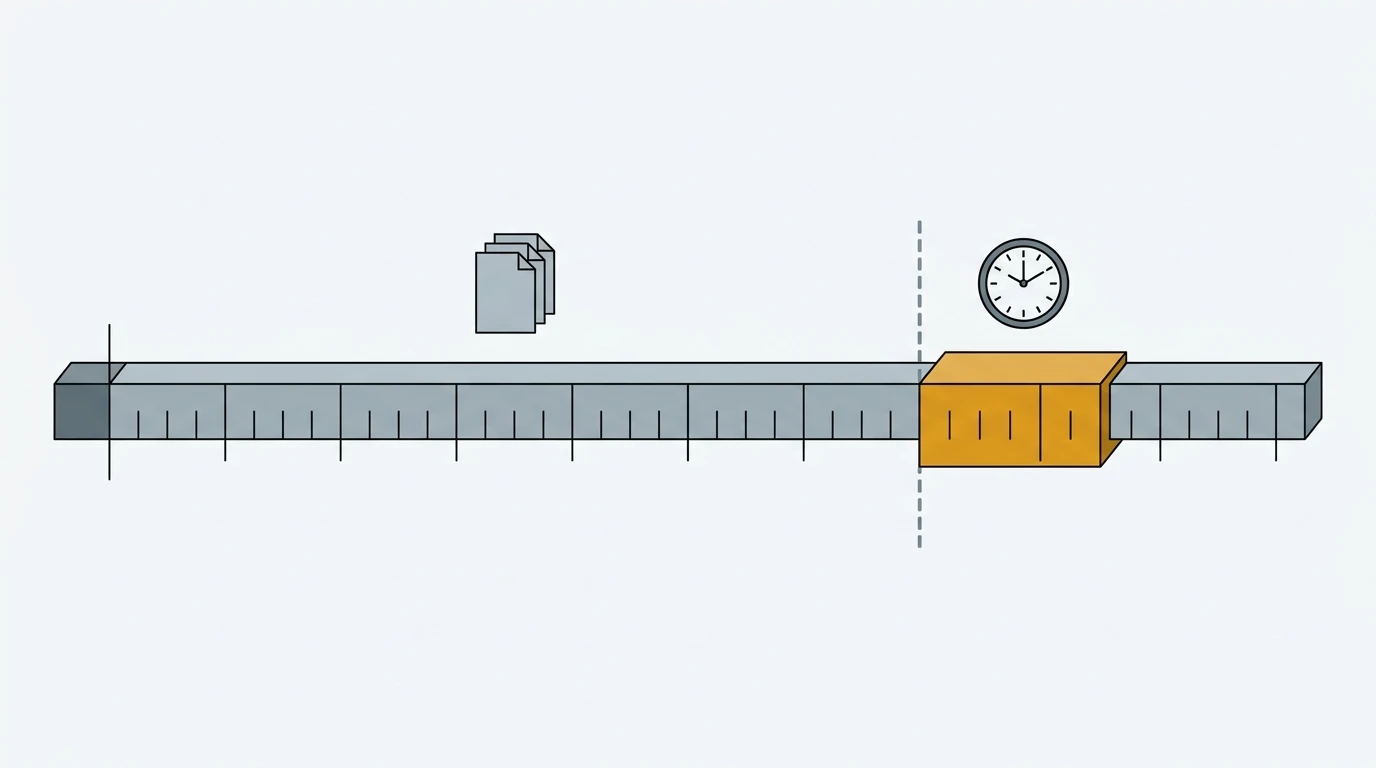
A long look-back period, then a short filing window. The TSCA 8(a)(7) duty is triggered by the act of manufacturing or importing, so it applies whatever the concentration in the part.
Five Steps to Verify Compliance on a Thermal Material
Everything above reduces to a sequence. Run it in order and the declaration either survives or explains itself.
1. Ask for substance-level information, not a logo. A page of certification marks shows which regimes the supplier has considered; it does not say what is in the part. Request the declared substance content of the specific construction, layer by layer.
2. Match the part number, thickness and construction. Compliance statements attach to a construction. A declaration for a 1 mm filled grade says nothing about the 2 mm unfilled pad on your datasheet — the same mismatch that breaks thermal performance.
3. Pin the REACH SVHC list version. Ask for the publication date of the Candidate List the declaration was assessed against, and diarise the next review. An undated declaration cannot be audited later.
4. Get the test report, the method and the reporting limit. For RoHS the number is only useful with the sample description and detection limit behind it. For PFAS, ask which substances and chain lengths were in scope: "PFAS-free" means nothing without a defined analyte list, and a limit above the regulatory threshold is not evidence of compliance.
5. File it with the material and set the review dates. Store declaration, report and list version against the part number, then revisit on two triggers: a Candidate List update, and any change to the formulation, liner or additive package.
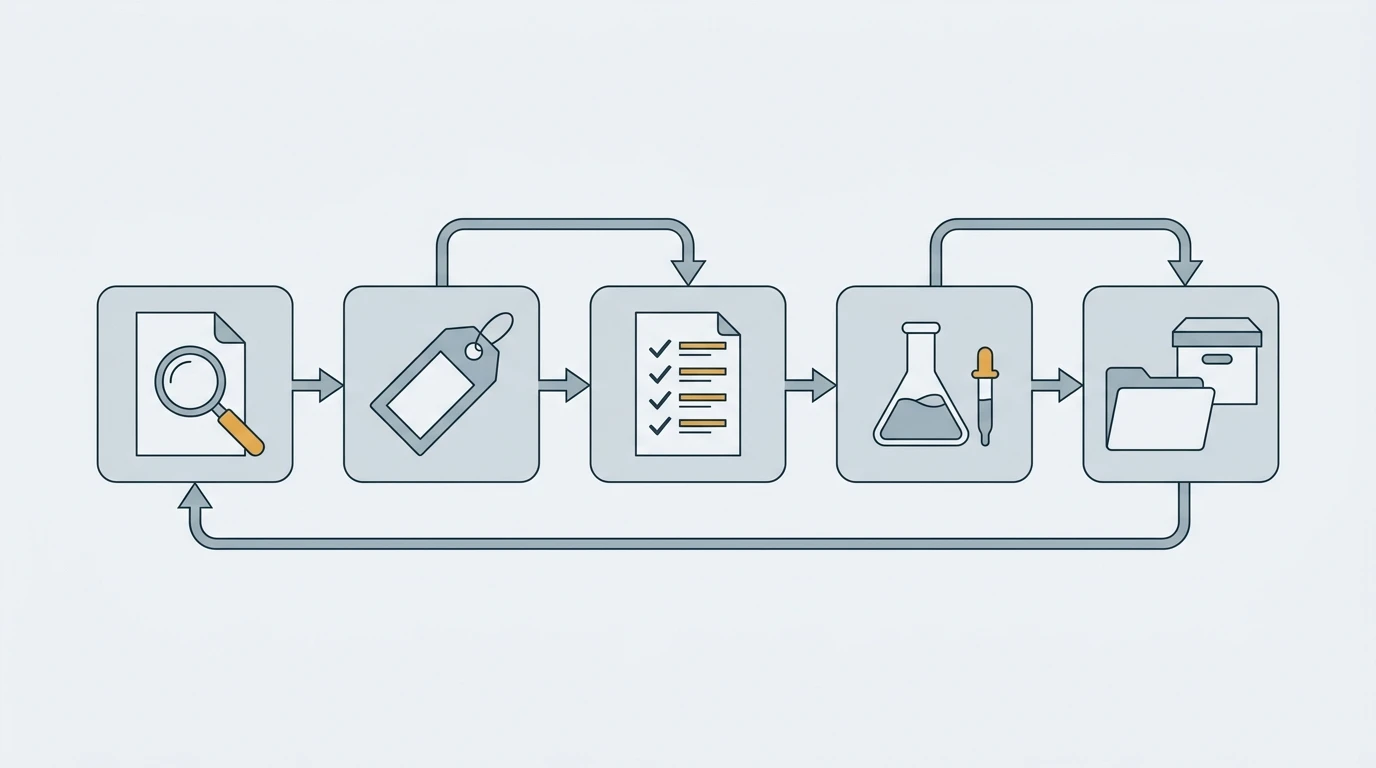
Verification is a loop, not a one-off: filing and review triggers bring you back to the first step when the material or the rules change. Where thermal performance and compliance rest on the same measurement, thermal conductivity in W/mK is the other number to hold to the same documentary standard.
What Good Compliance Documentation Looks Like — From the Supplier Side
Here is what "done properly" looks like on the supplier side — we manufacture these materials and get asked the same four things.
ZIITEK's UL Yellow Card is file E331100, covering the TIF, TIS, TIG-780, TIC800K, TCP, Z-FOAM and Z-Paster100 families with flame retardancy rated up to UL 94 V-0; the silicone thermal pads in the TIF series span 1.25 to 16 W/mK across the series (a series range, not a single-grade figure) with UL 94 V-0 flammability. Behind them sit the management-system certificates that make the documentation possible: QC 080000:2017, the hazardous substances process management standard, valid to 11 May 2028, and IATF 16949:2016 valid to 4 January 2029 for automotive supply. Third-party chemical compliance testing covers RoHS, REACH and SVHC, TSCA, POPs, PAHS, PFAS and California Proposition 65.
Send us the requirement, the part number and the construction, and we will point you to the grade and the documentation that match. What IATF 16949 means for buyers explains why automotive customers ask for paperwork before price.
The bottom line is short enough to keep: RoHS gives you a number per homogeneous material, REACH gives you duties per article above 0.1% and a 45-day clock, REACH's PFAS entries are far more scoped than the headlines suggest, Proposition 65 asks about exposure rather than content, and TSCA section 8(a)(7) asks what you imported. Four questions, four documents. Ask for the one that matches the rule you are held to, and put a date on every answer you receive.
This article explains regulatory requirements for material sourcing and does not constitute legal advice. Confirm the current text of any regulation, and its application to your product, with your own compliance function or counsel before relying on it.