Cross-Reference
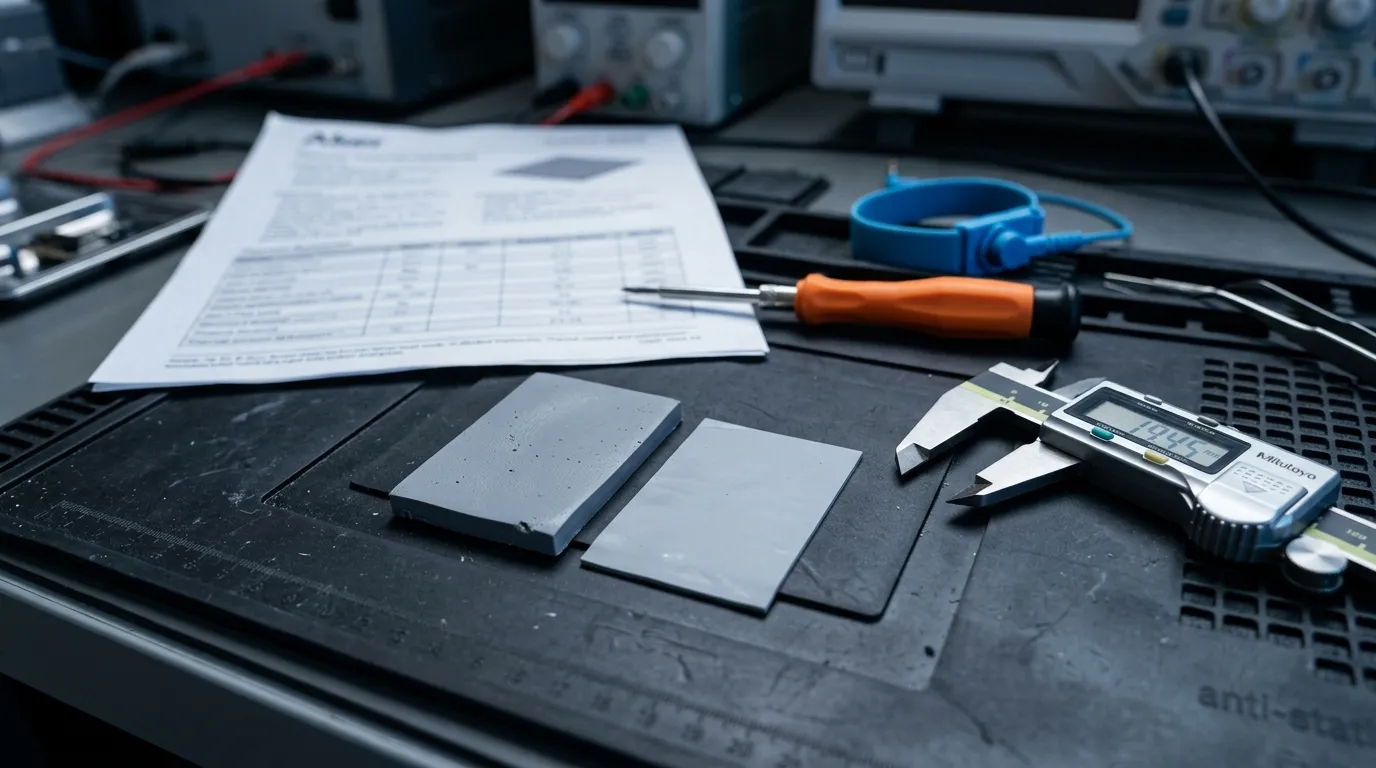
How to Find a Drop-in Replacement Thermal Pad
How to find a drop-in replacement thermal pad: match W/mK, Shore 00 hardness, thickness, size and temperature range, and swap TIM brands without re-qualifying.
How to find a drop-in replacement thermal pad: match W/mK, Shore 00 hardness, thickness, size and temperature range, and swap TIM brands without re-qualifying.
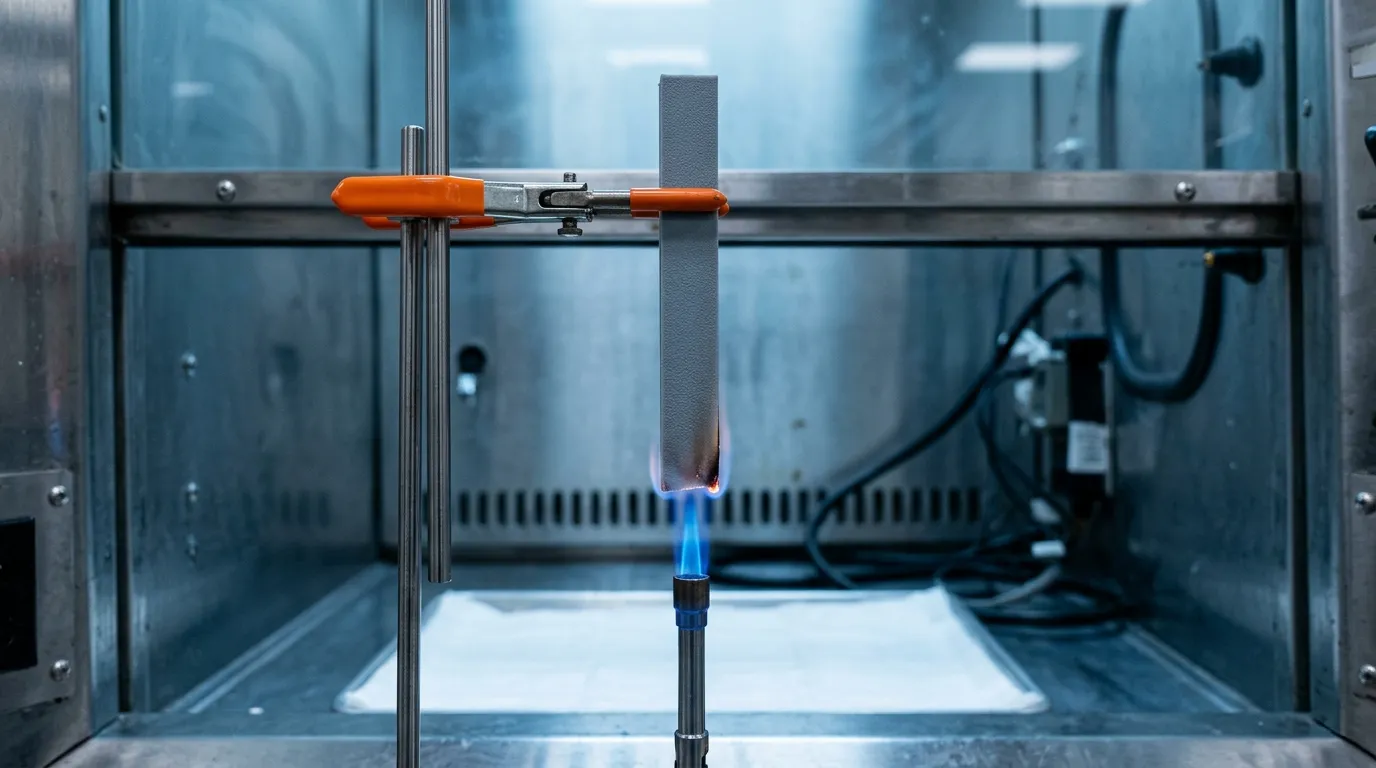
V-0 and VTM-0 are two different UL 94 burn tests, not two safety tiers. Learn how each is run and which flame rating your thermal pad or gap filler needs.
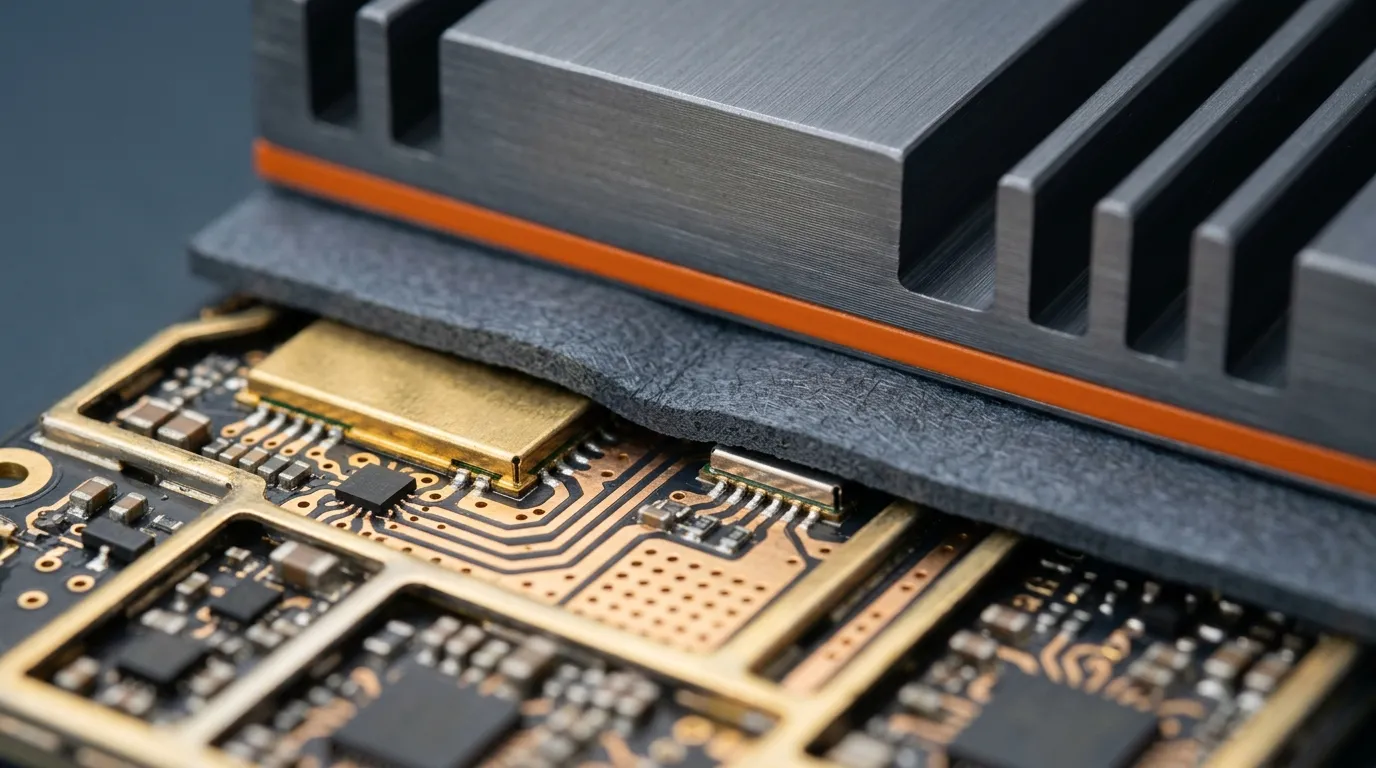
Thermal conductive + EMI absorbing materials solve board-level heat and noise with one pad. Learn how they work, the specs that matter, and how to choose.
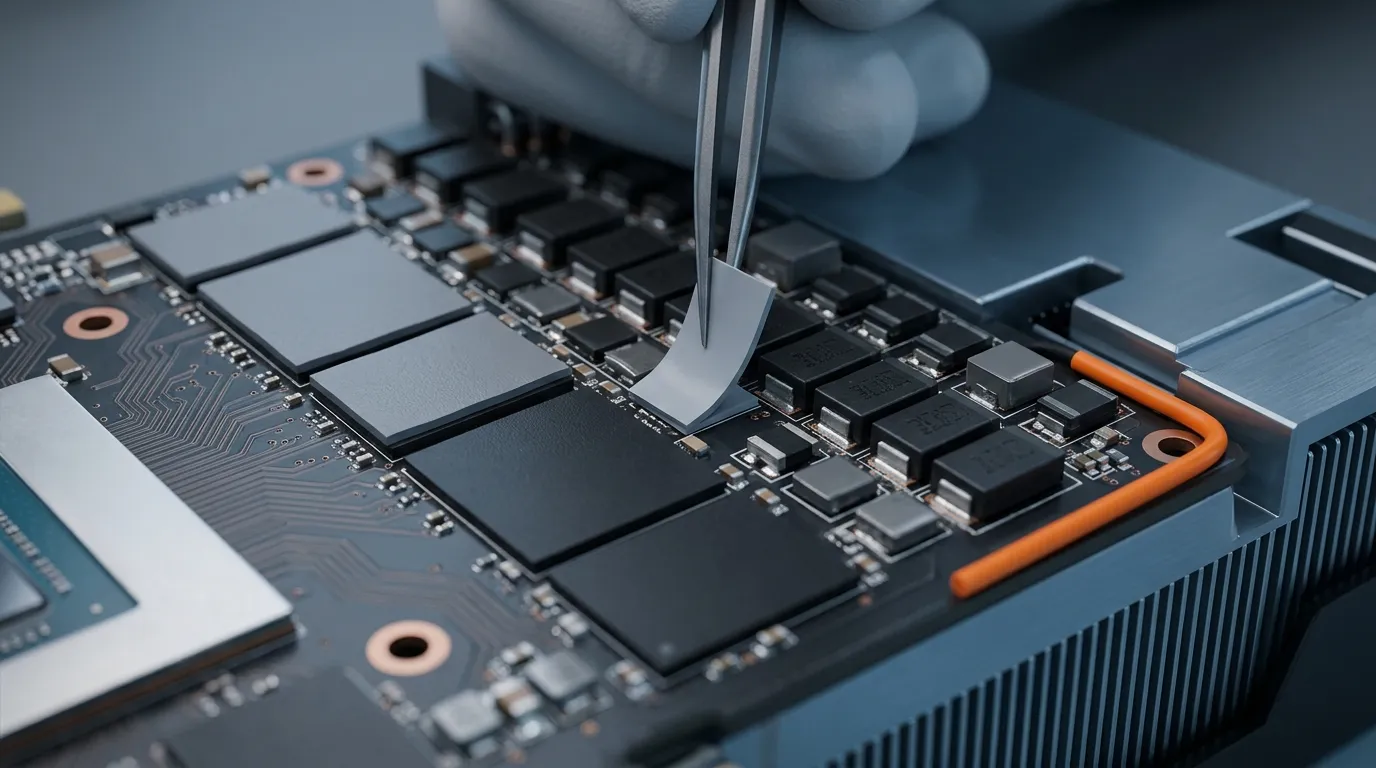
Choosing a thermal pad for GPU cooling comes down to thickness, W/m·K, and hardness. Measure the old pad, match the heat load, and pick the right material.
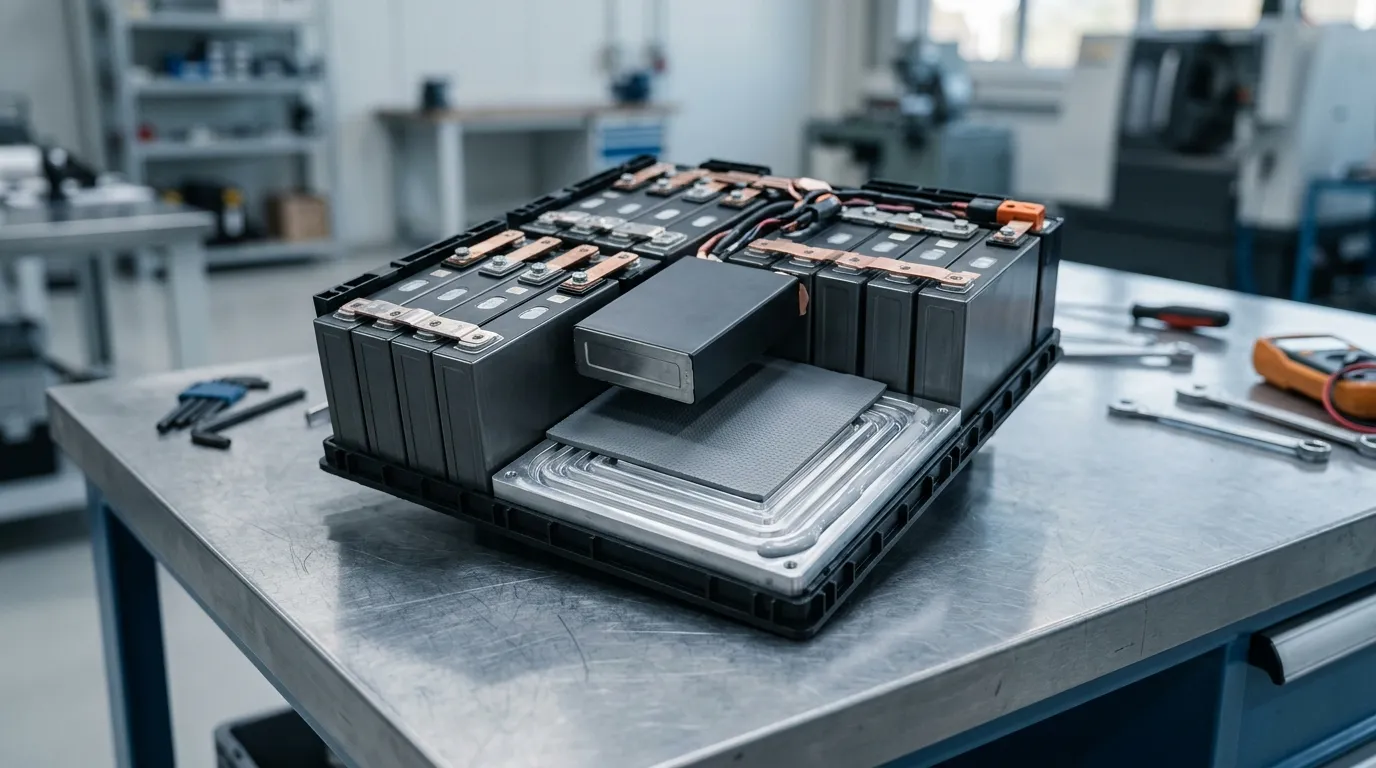
How to choose EV battery pack thermal management materials: thermal pads, gap fillers, PCMs, foams and heating films — zone by zone, with selection criteria.
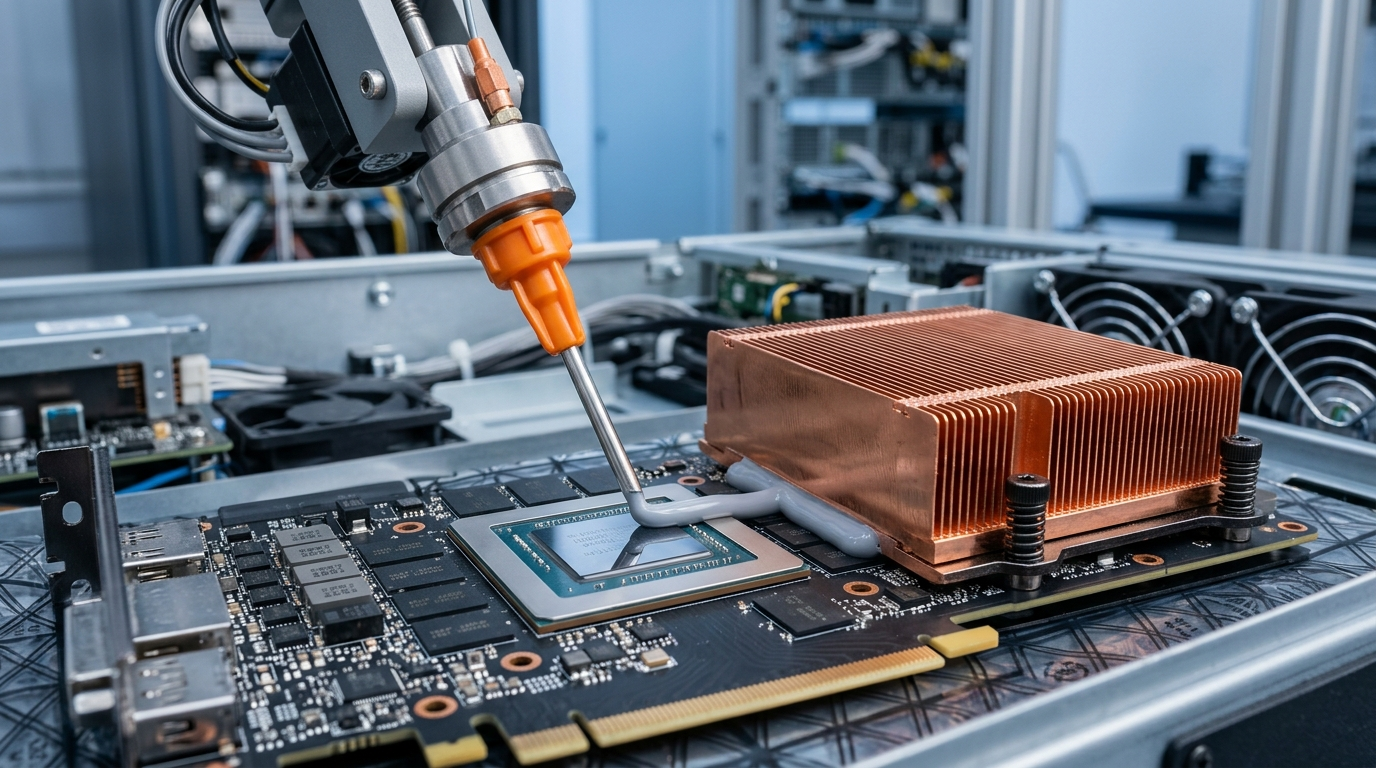
AI servers need a thermal gap filler that matches gap height, bond line and dispensing. Compare gap pads vs gel, six specs, and a five-step selection workflow.
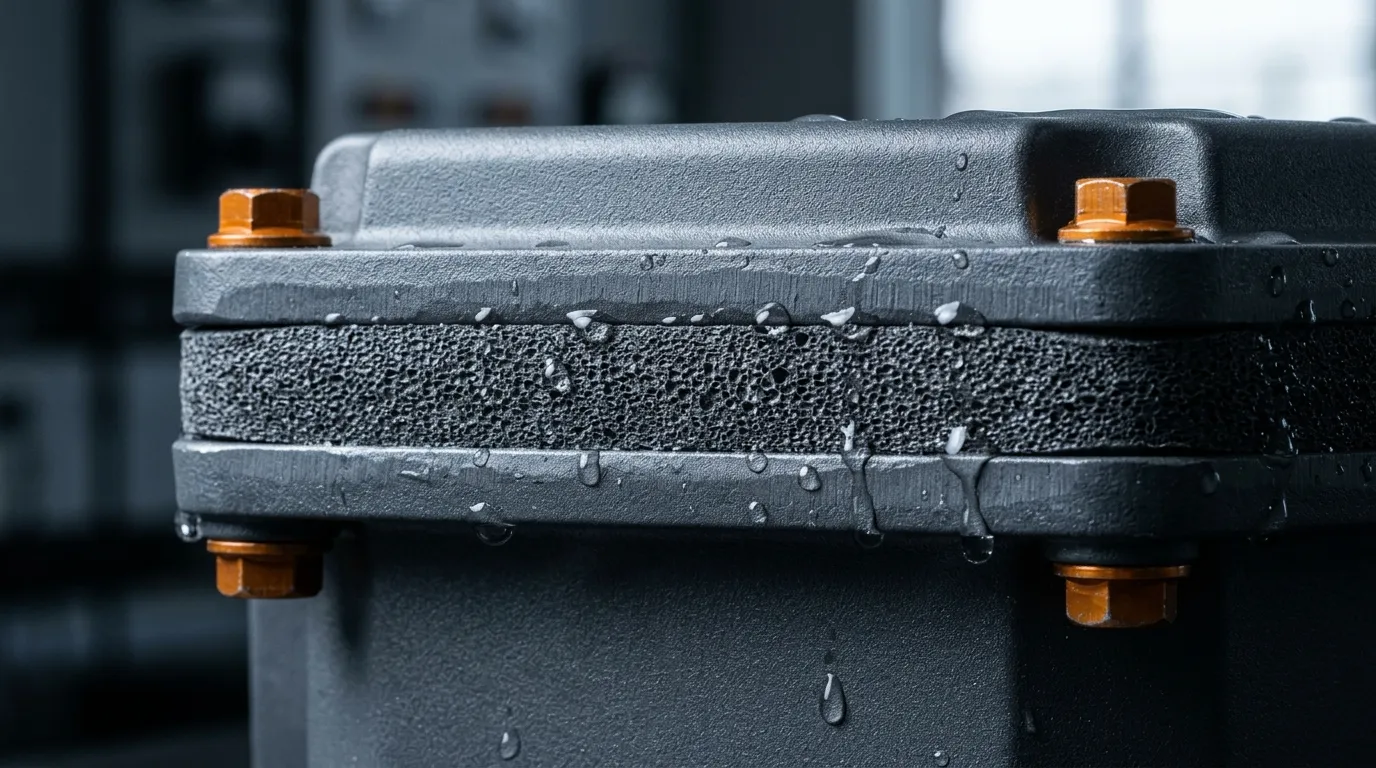
Silicone foam gaskets for electronics sealing reach IP68 when you control compression set, squeeze and groove design. Specs, tests and sourcing steps here.
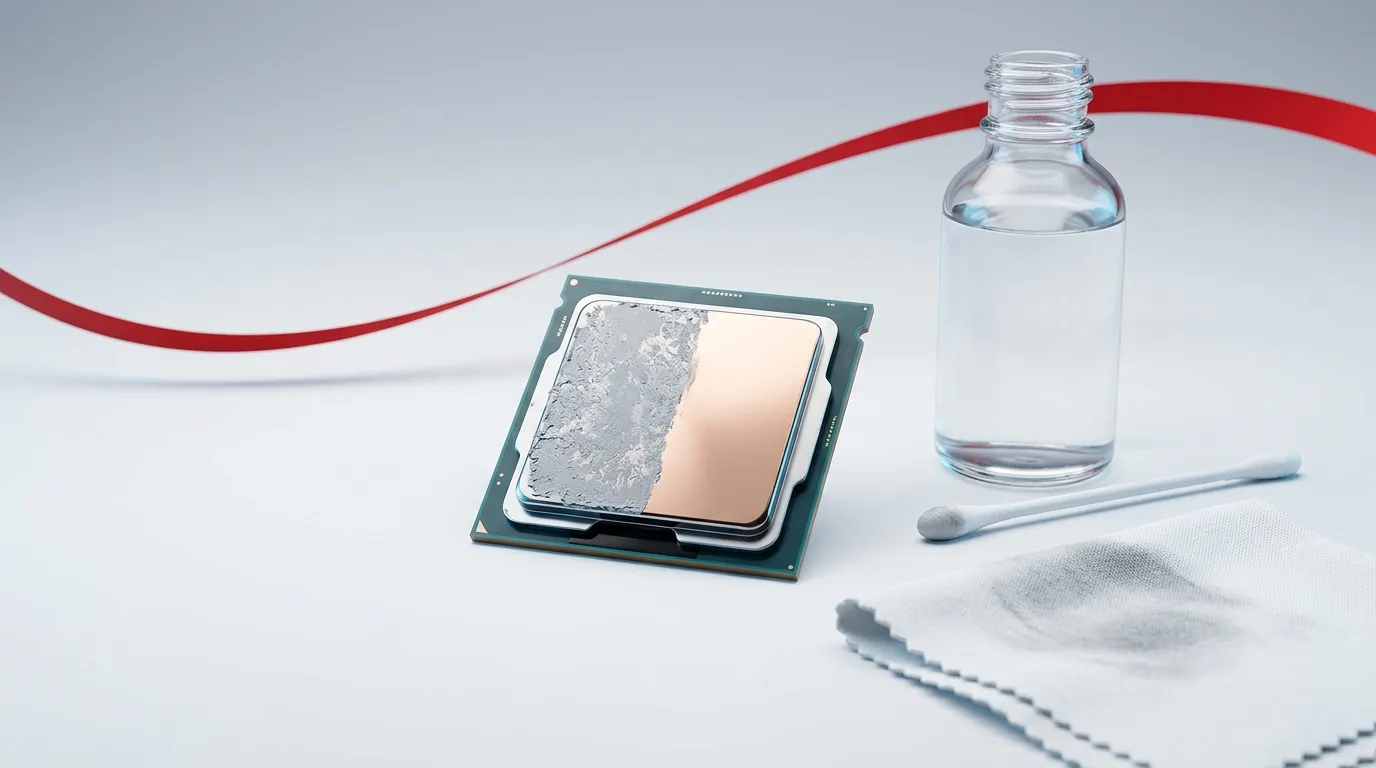
Remove old thermal paste with 90–99% isopropyl alcohol and a lint-free cloth—no acetone or water. Step-by-step for CPU, GPU and laptop, plus what to avoid.
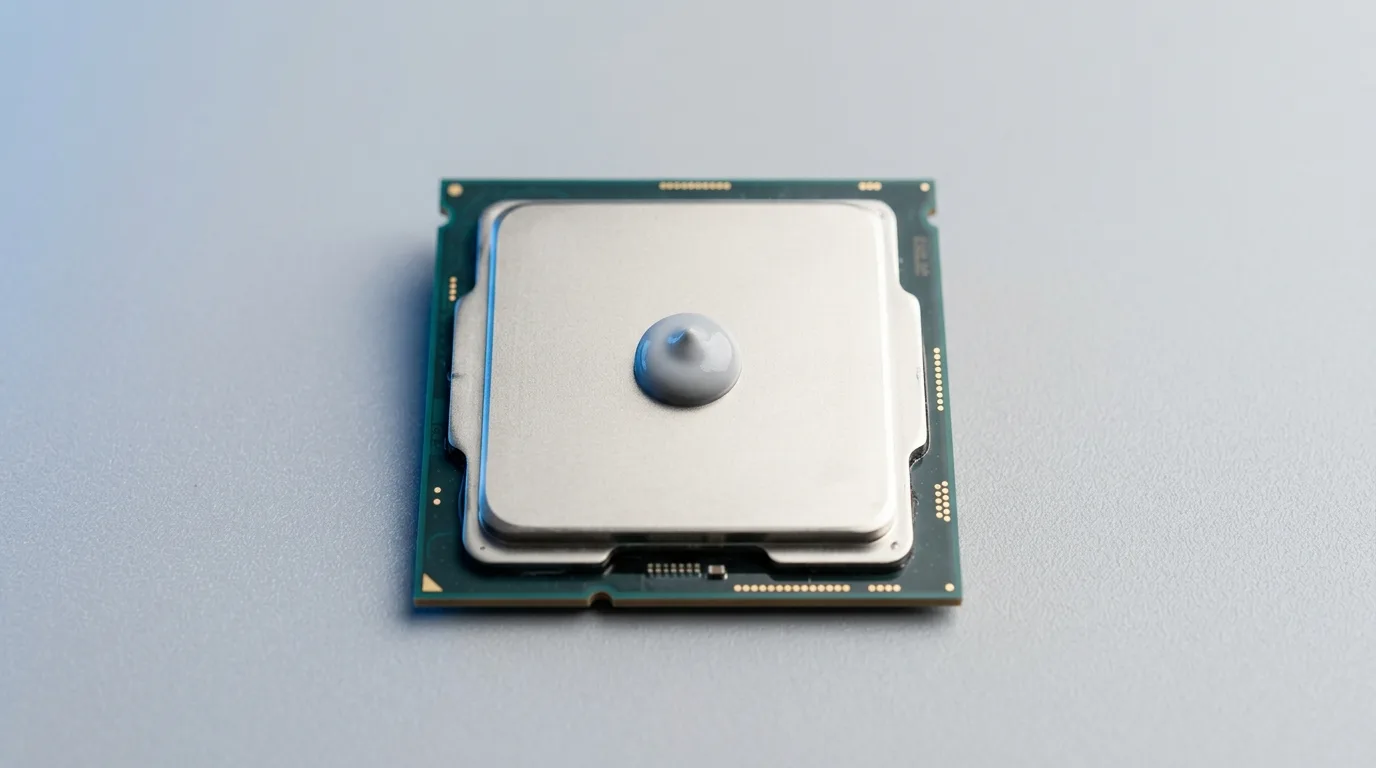
How much thermal paste? A pea-sized dot (~0.1–0.3 g) covers most desktop CPUs. Exact amounts by chip and GPU, applications per tube, and why more isn't better.
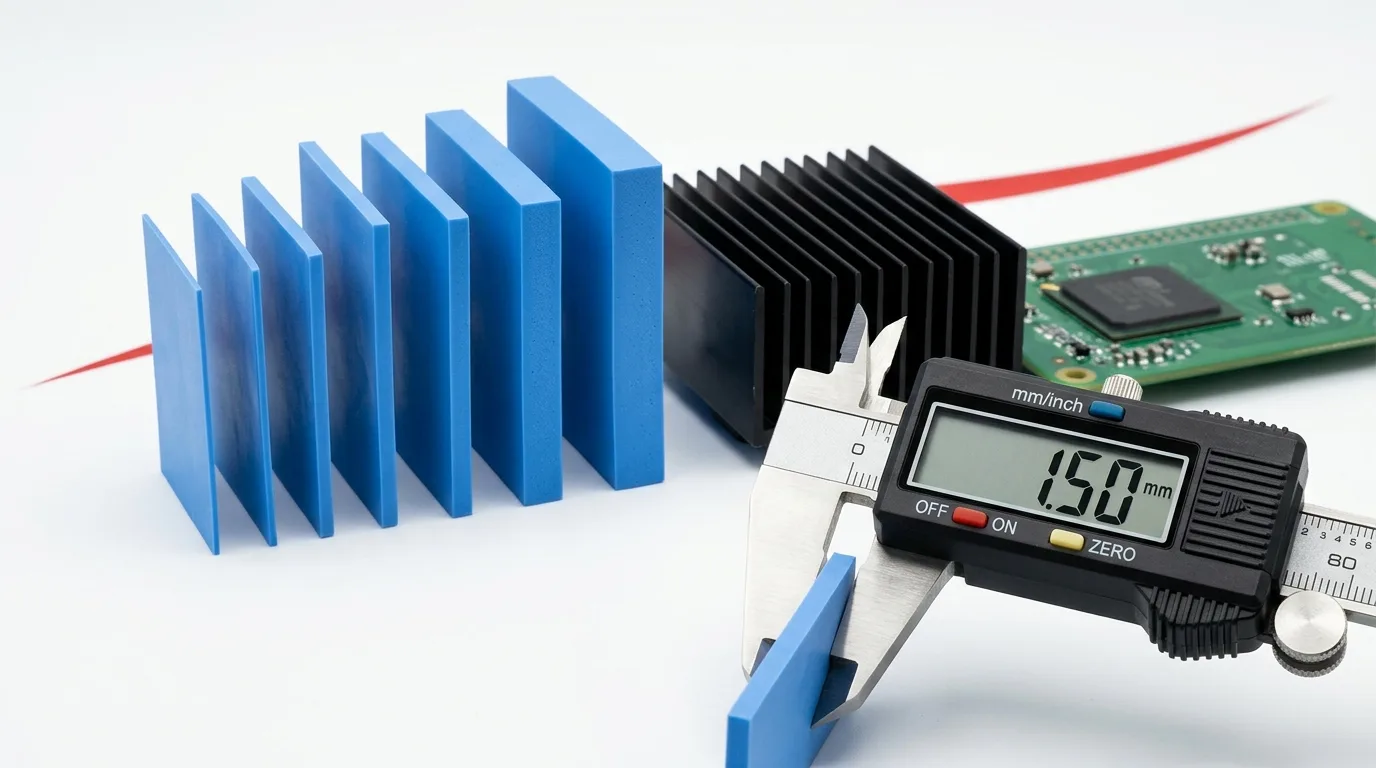
Thermal pads only reach their rated W/mK under compression, usually 20–30%. Learn to measure the gap, pick nominal thickness, and set the right mounting force.
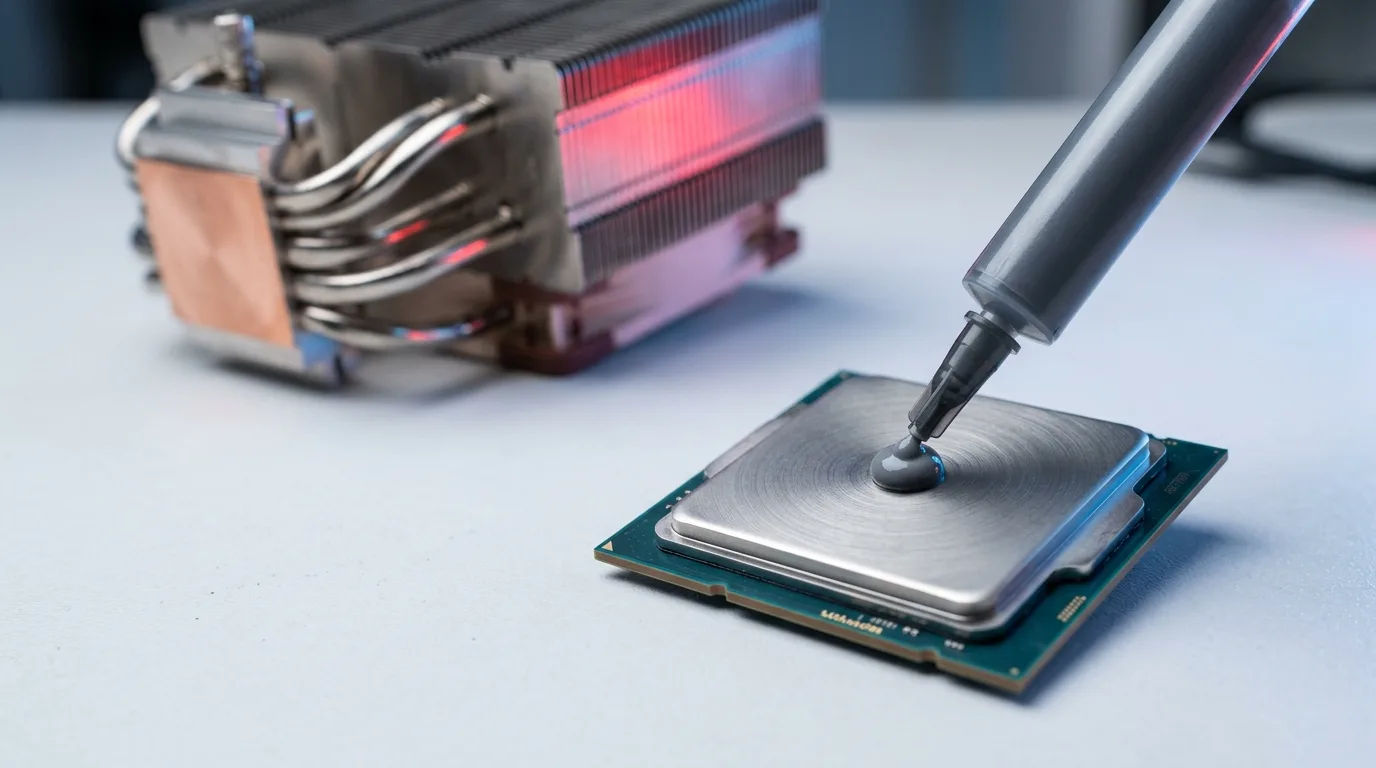
Apply thermal paste correctly: put one pea-sized dot in the center of the CPU, then mount the cooler evenly so it spreads. Coverage beats pattern—full guide.
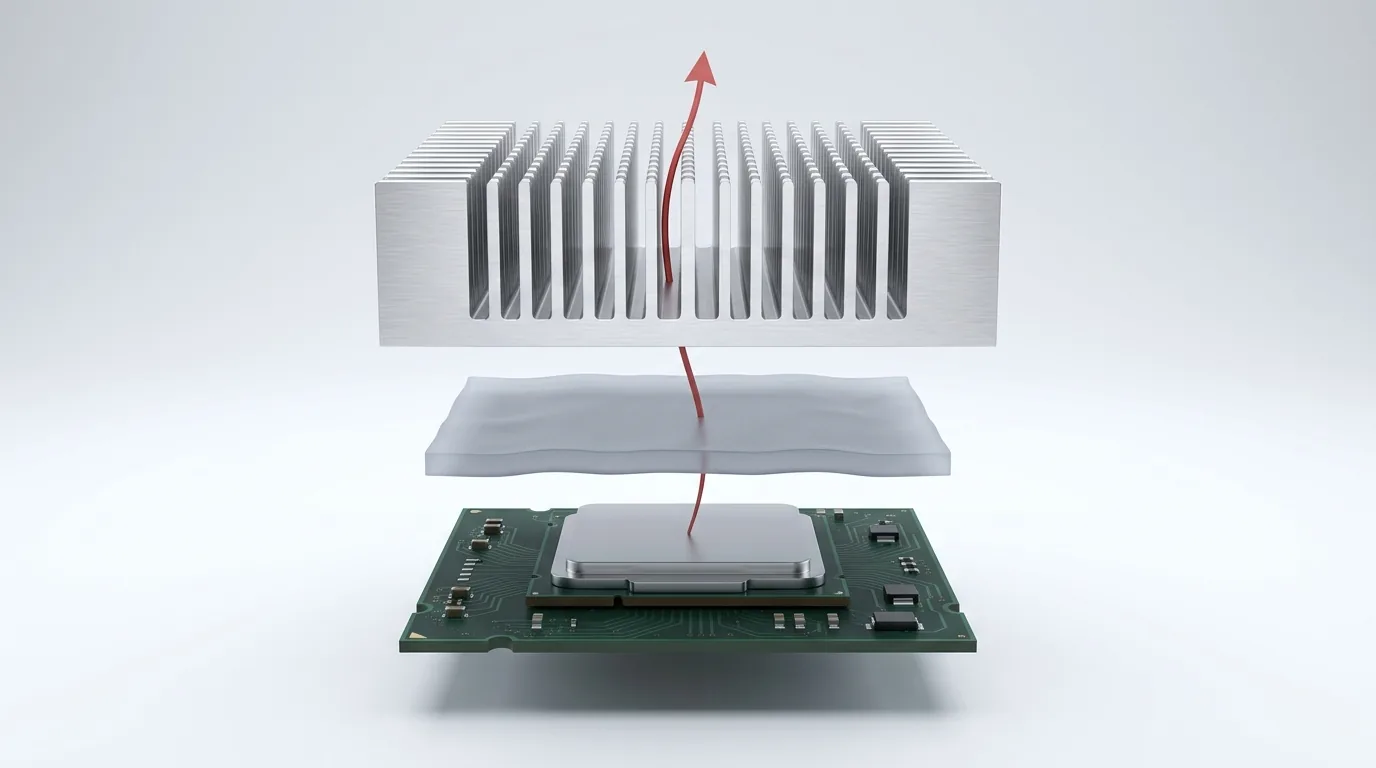
Choosing a thermal interface material means matching W/mK, thickness, hardness and insulation to your gap and power budget. A step-by-step guide for engineers.
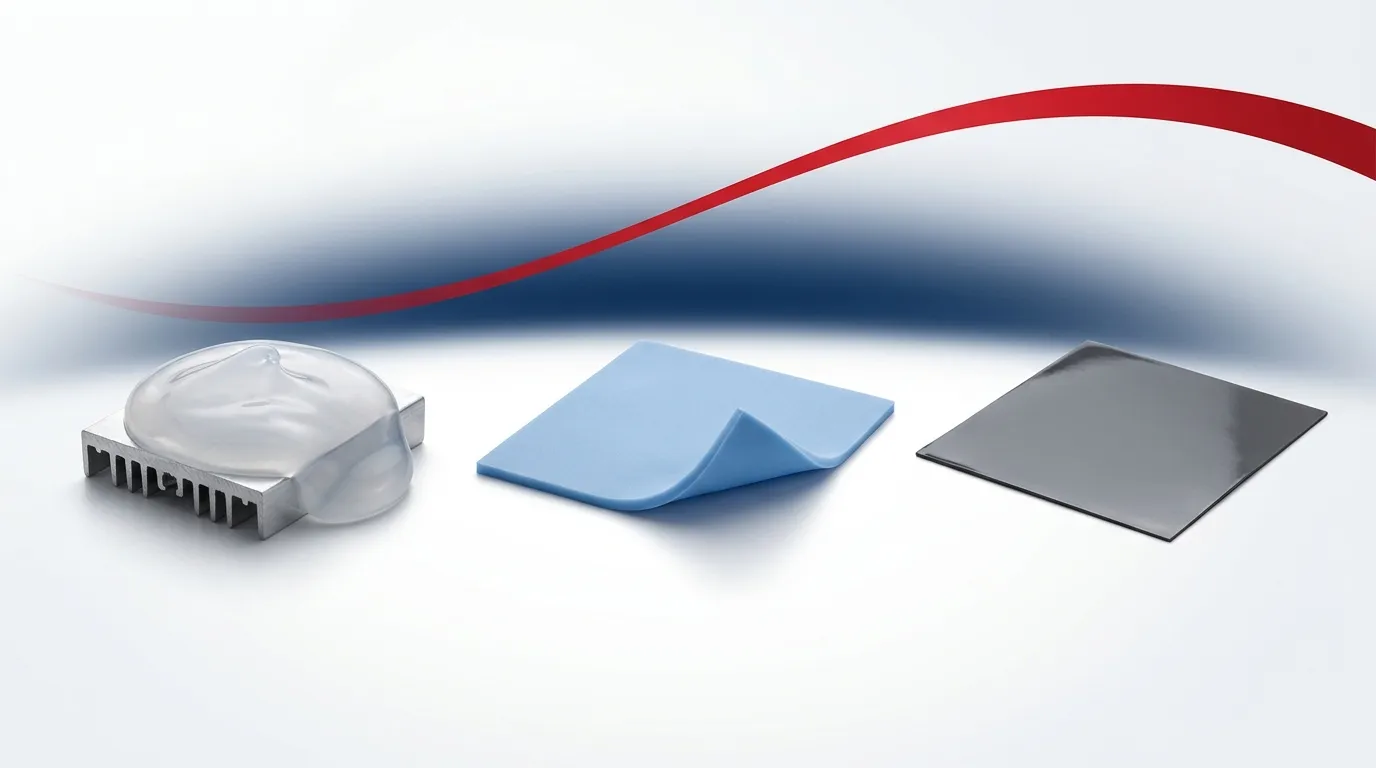
Gap fillers conform to large, uneven gaps; gap pads are the fastest drop-in; PCM gives the lowest resistance on flat, high-power lids. A design-in comparison.
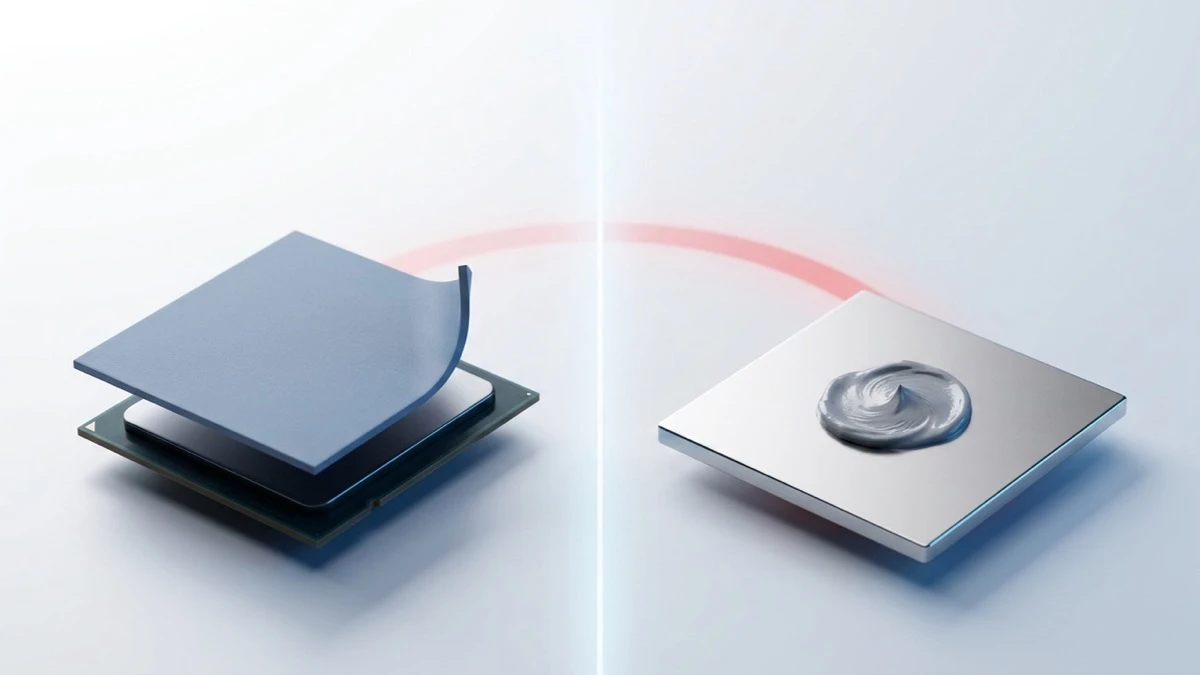
A practical comparison of thermal pads and thermal paste — how each works, where each wins, and how to choose by gap size, W/mK and manufacturability.
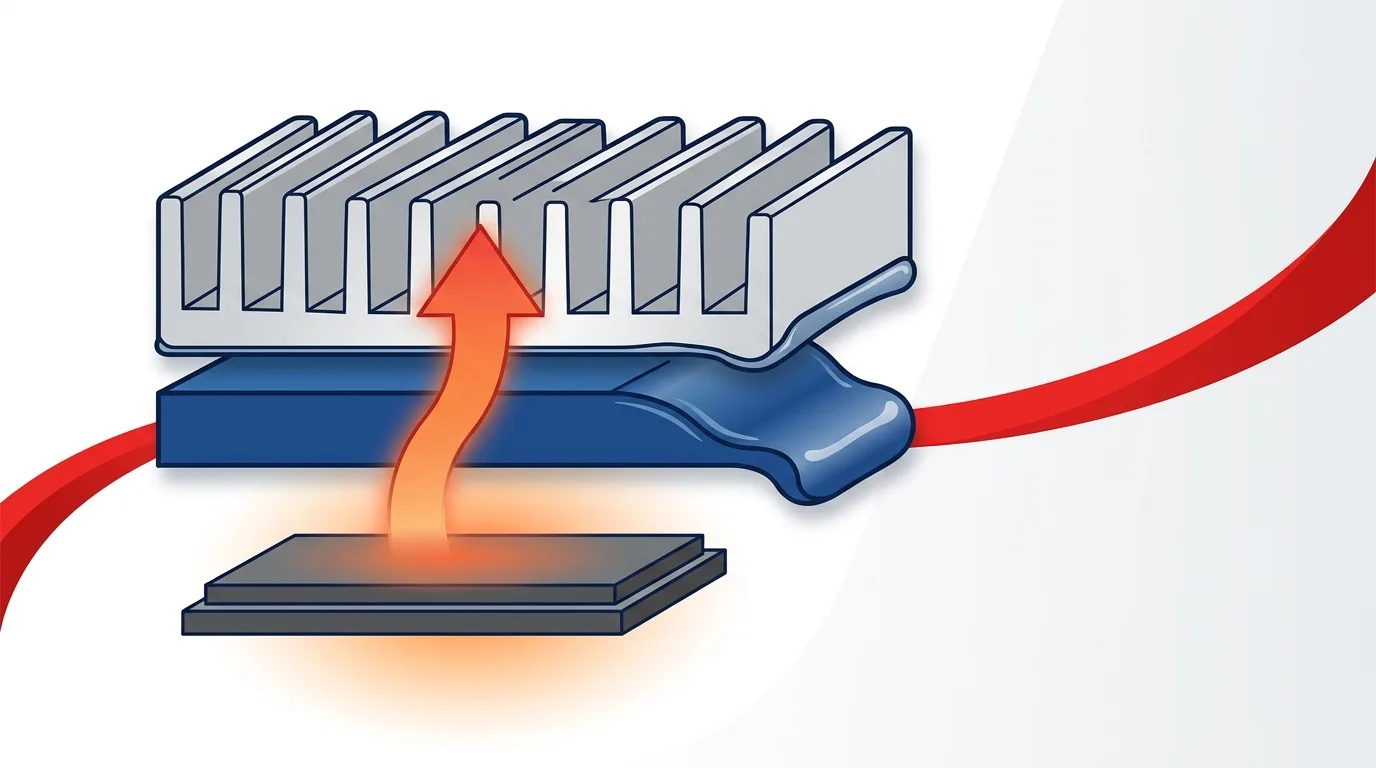
A phase change material (PCM) TIM is a solid pad that softens near 50–60 °C to flow like grease and set a thin bond line — without paste's pump-out. How it works.
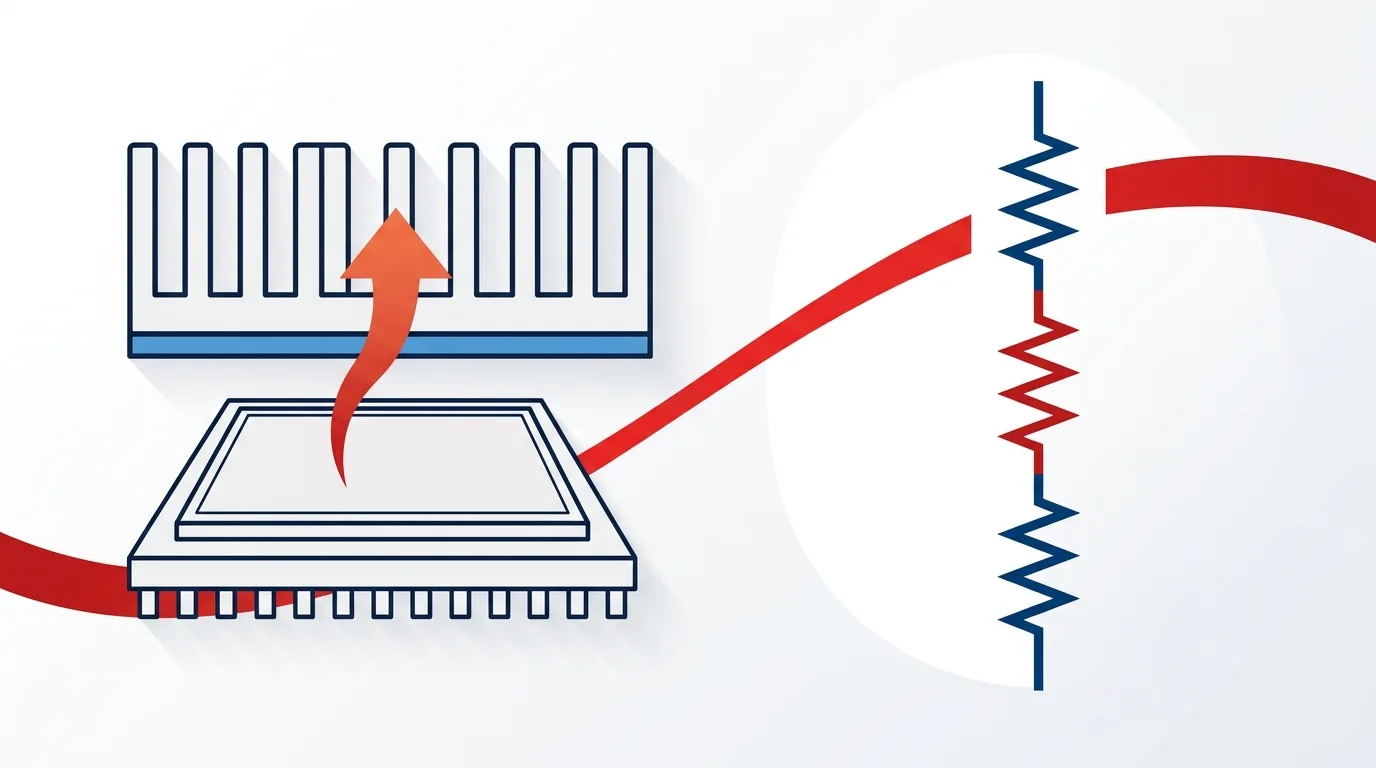
Thermal resistance (K/W) is steady-state; thermal impedance adds time or area — for a TIM it's °C·in²/W at a set thickness. How they differ and when each matters.

A TIM's W/mK measures bulk conductivity, not real cooling. Learn what W/mK means, why the datasheet number misleads, and what predicts junction temperature.
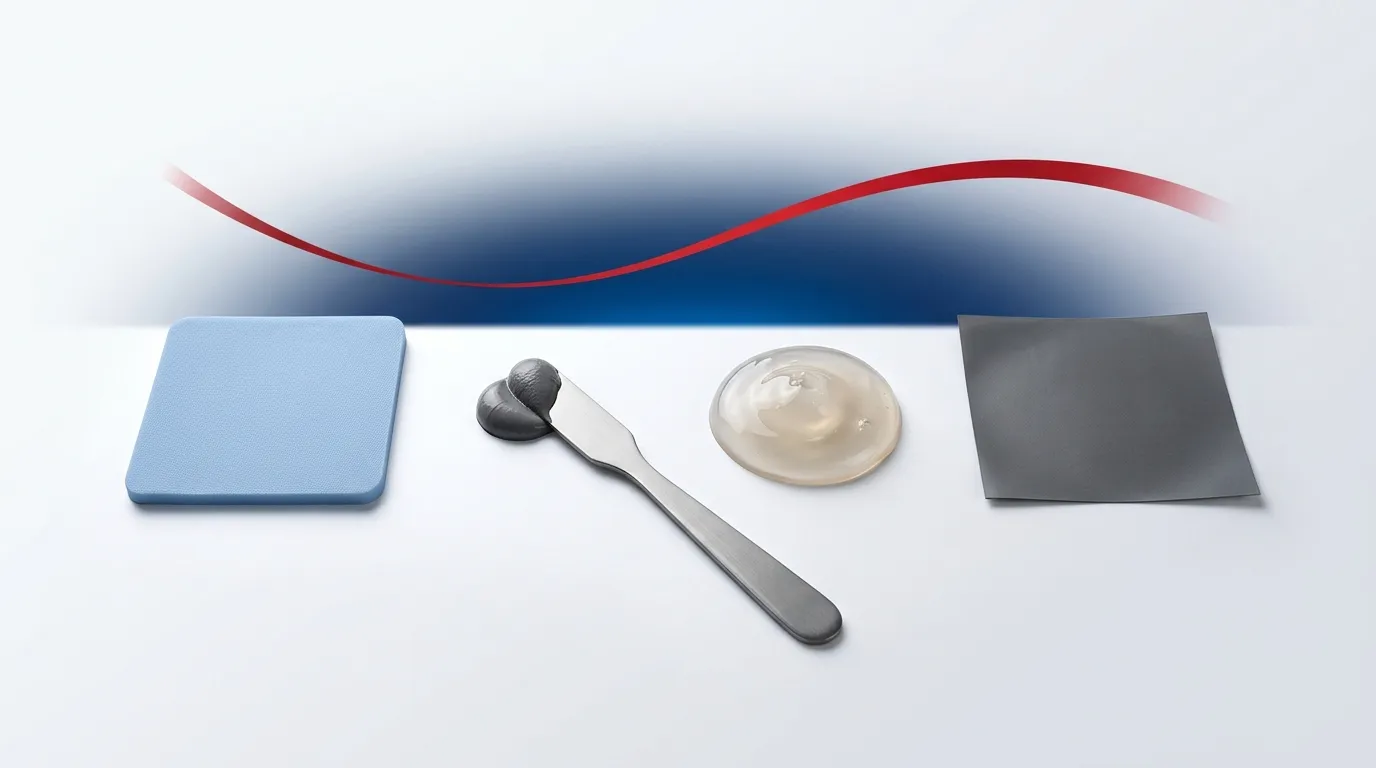
Thermal interface materials fill microscopic air gaps between a chip and heatsink to cut thermal resistance. Compare TIM types, W/mK and how to choose one.
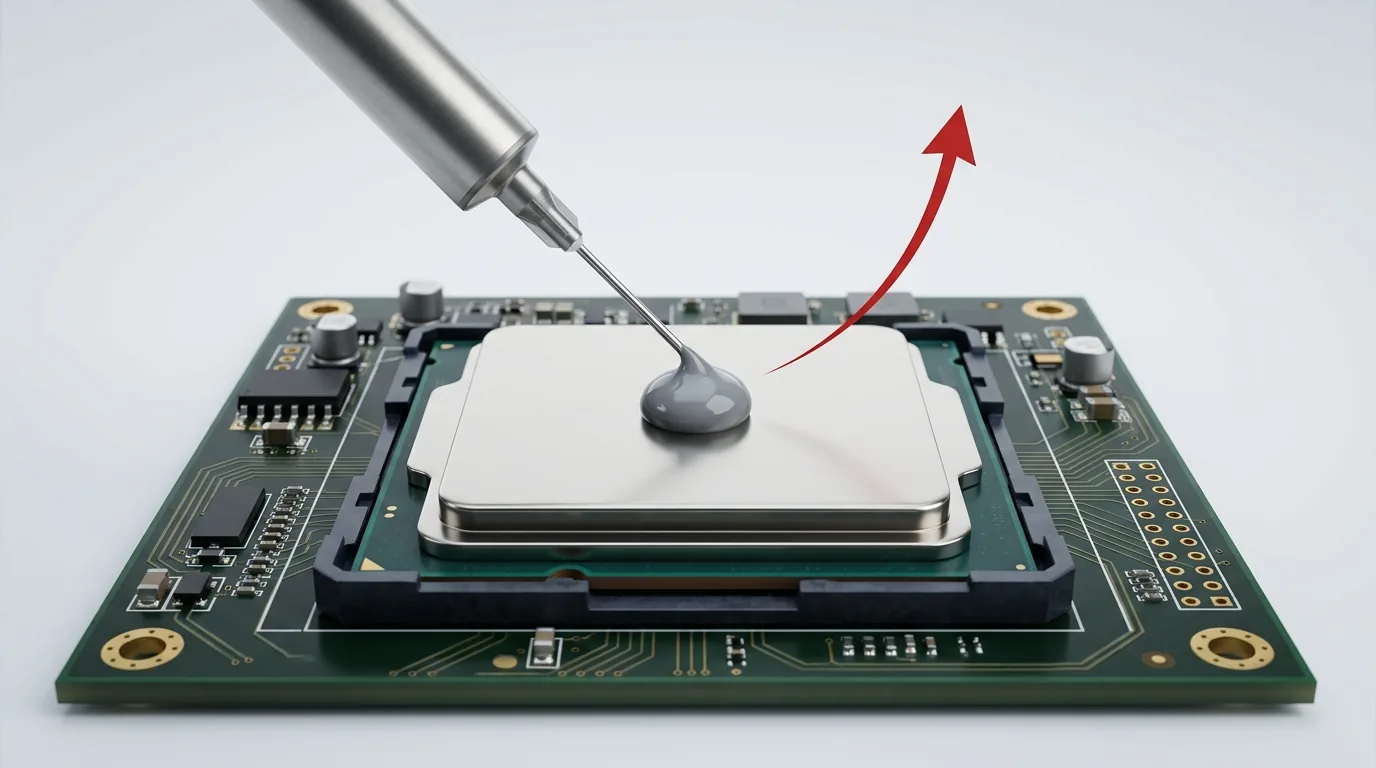
Thermal paste is a conductive compound that fills the microscopic air gaps between a chip and its heat sink. Learn its types, W/mK ratings, and how it works.
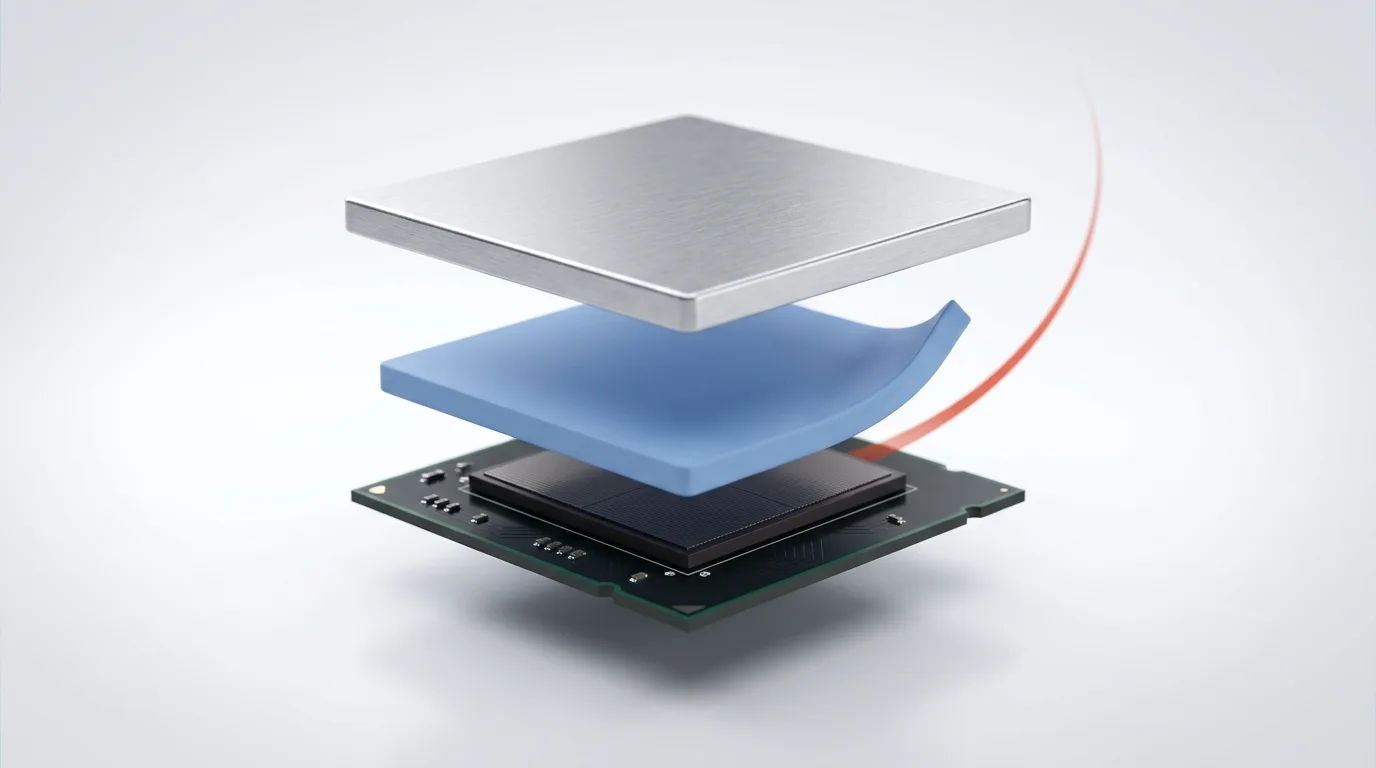
A thermal pad is a soft, pre-cut thermal interface material that fills the gap between a chip and heatsink. Learn how they work, W/mK, types and how to choose.